In the rapidly evolving landscape of global finance, forex brokers face an increasingly complex regulatory environment. As international bodies tighten sanctions regimes and anti-money laundering (AML) requirements, the pressure on mid-sized financial entities to implement robust, audit-ready compliance frameworks has never been higher. ComplyAdvantage has responded to this industry shift by launching its Starter Plan, a specialized, scalable compliance solution designed specifically to address the unique risk profiles of organizations managing between 100 and 2,000 entities.
The Regulatory Imperative for Forex Brokers
Forex brokers operate at the intersection of high-frequency trading and cross-border capital movement, making them primary targets for illicit financial activities, including money laundering, terrorist financing, and sanctions evasion. Regulatory bodies, such as the Financial Action Task Force (FATF), have consistently emphasized that financial institutions must not only screen their direct clients but also maintain visibility over ultimate beneficial owners (UBOs) and complex corporate structures.
Historically, the cost of implementing high-tier, enterprise-grade compliance software was prohibitive for smaller or mid-market brokers. This forced many to rely on fragmented, manual, or semi-automated processes that were not only inefficient but also prone to human error. The introduction of the Starter Plan signals a strategic move by the industry to democratize access to institutional-grade risk intelligence. By integrating proprietary risk data built on a database of over 25 million entities, the platform provides sub-second response times, allowing brokers to maintain the pace of modern electronic trading without compromising security.
A Chronology of Compliance Evolution
The necessity for such platforms has been accelerated by a series of global shifts in the last five years. In the wake of the 2020-2022 global geopolitical realignments, the frequency and scale of sanctions updates have increased exponentially. Traditional screening tools, which required manual intervention for each update, quickly became obsolete.
In 2023 and 2024, the industry saw a transition toward "agentic" workflows—systems that do not merely flag data but actively synthesize it. By early 2025, the integration of autonomous agents into compliance platforms became the industry standard for firms looking to reduce the "noise" of false positives. The current rollout of the ComplyAdvantage Starter Plan represents the culmination of this shift, offering brokers an automated, audit-ready trail that captures not only the "what" of a compliance check but the "how" and "why" behind every resolved alert.
Data-Driven Risk Management: The Technical Architecture
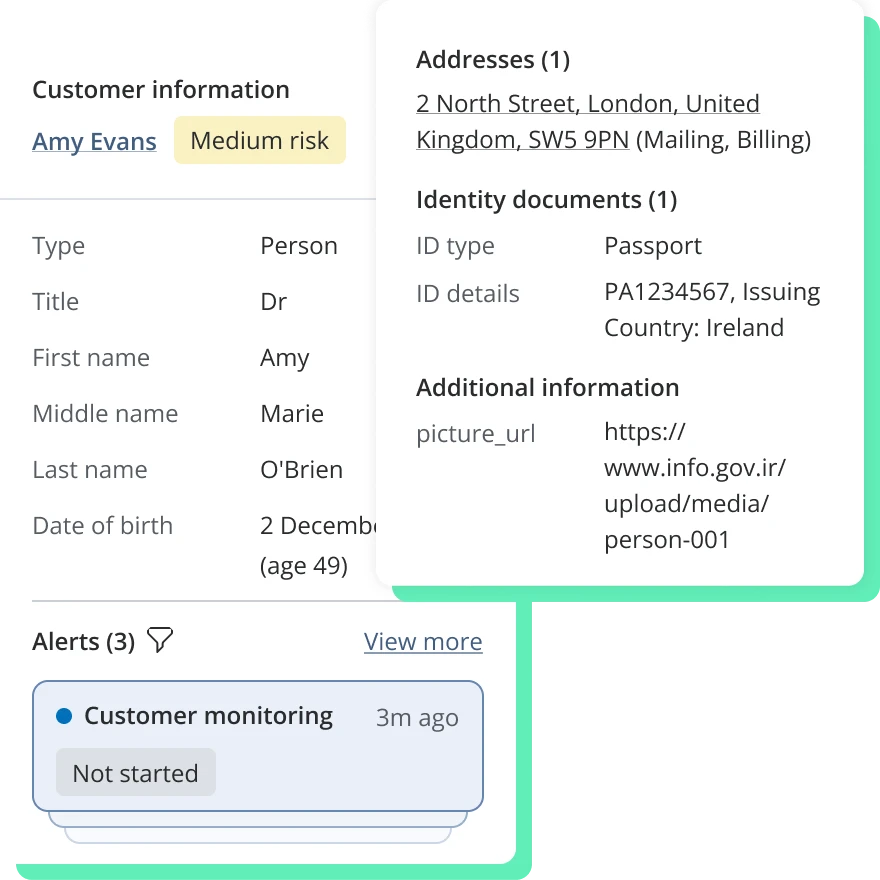
The core of the Starter Plan lies in its ability to unify disparate defense systems. By leveraging AI-driven screening for individuals and corporate entities, the platform provides a holistic view of the client relationship. This is critical in the forex sector, where corporate structures can be intentionally opaque.
The technical architecture is built to support:
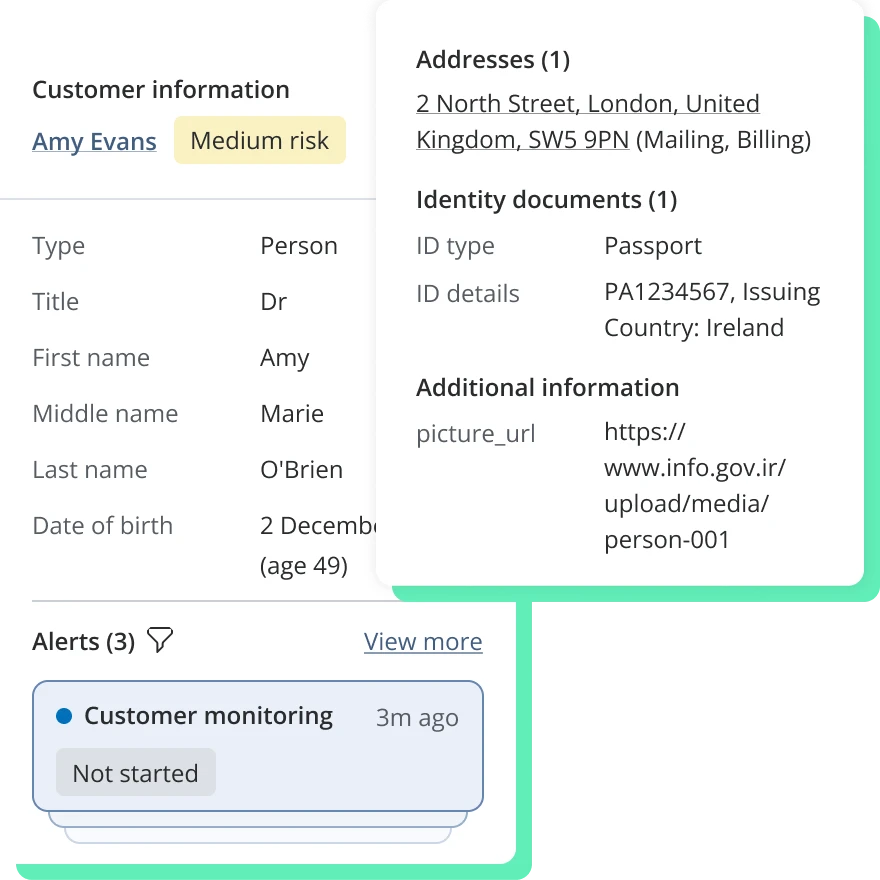
- Customer Screening: Advanced AI-driven detection of politically exposed persons (PEPs) and watchlist hits.
- Company Screening: Rapid entity resolution to identify ownership structures and potential sanction risks within corporate hierarchies.
- Ongoing Monitoring: A continuous loop that alerts compliance officers to changes in an entity’s status, ensuring that risk profiles remain current without requiring manual re-screening.
Industry analysts note that the shift toward "Agentic AI" is the most significant technological development in the sector. These agents, which can autonomously resolve up to 85% of routine alerts, represent a fundamental change in the economics of compliance. For a broker, this means the reallocation of highly skilled human compliance officers from low-level, repetitive data verification tasks to complex, high-stakes investigations.
Professional Perspectives and Market Impact
Market leaders have begun to validate the efficacy of these modern, flexible solutions. AUSIEX, a notable player in the financial services space, has pointed to the necessity of dynamic, high-quality platforms as a prerequisite for long-term growth. Senior compliance managers at such firms argue that the primary challenge is not just the volume of data, but the flexibility to adapt to shifting regulatory definitions of risk.
The decision to offer tiered pricing—starting from $99 per month for annual subscribers—reflects a market-responsive model that aligns costs with growth. By allowing firms to scale their monitored entity allowance, the platform mitigates the risk of sudden operational costs while ensuring that compliance infrastructure grows in lockstep with the client base.
Broader Implications for Financial Integrity
The introduction of such streamlined, automated compliance tools has profound implications for global financial integrity. When smaller brokers can access the same level of risk intelligence as Tier-1 investment banks, the overall "weakest link" in the financial system is strengthened.
- Reduced Barrier to Entry: By lowering the cost of compliance, the industry reduces the incentive for firms to cut corners, thereby fostering a more transparent trading environment.
- Audit Defensibility: In the event of a regulatory inquiry, the ability to produce a time-stamped, automated audit trail for every client decision is invaluable. This reduces legal exposure and protects the broker’s license to operate.
- Efficiency in Global Markets: With sub-second screening, the friction that once defined the onboarding process for international clients is drastically reduced, enabling faster capital flows without sacrificing the rigor of Know Your Customer (KYC) protocols.
Addressing the Compliance Bottleneck: An Analytical Outlook
A critical aspect of the current landscape is the distinction between manual and agentic screening. Critics of early-stage AI in compliance often point to the risk of "black box" decisions. However, the current iteration of the Starter Plan emphasizes transparency. Every action taken by the system, whether by "Cassie" or "Otto" (the platform’s designated AI agents), is logged and remains subject to human oversight.
The testing methodology employed for these agents—back-testing against thousands of historical, human-reviewed decisions—provides a statistical basis for their reliability. By prioritizing the minimization of false negatives (where a high-risk entity is incorrectly cleared) while simultaneously reducing false positives (which waste human capital), the system strikes a delicate balance that was previously unattainable for firms with limited budgets.
Strategic Recommendations for Implementation
For brokers considering the transition to an automated, agent-led compliance model, the following best practices remain paramount:
- Prioritize Integration: Ensure that the screening platform is not a silo but is integrated into the wider CRM and onboarding workflows.
- Establish Clear Governance: Even with autonomous agents, the final accountability rests with the compliance officer. Ensure there is a clearly documented process for human intervention and override.
- Continuous Review: As sanctions lists and regulatory definitions change, periodically audit the performance of the automated agents to ensure they remain aligned with the firm’s specific risk appetite.
As the regulatory landscape continues to evolve, the ability to turn compliance from a reactive, cost-heavy necessity into a competitive advantage will define the winners in the forex market. By adopting technology that offers both the precision of human analysis and the speed of machine learning, firms are not just ticking boxes; they are fundamentally securing their operations against the risks of a volatile global economy. The era of the "compliance bottleneck" is rapidly coming to an end, replaced by a more agile, data-centric paradigm that promises to safeguard the integrity of global forex trading for years to come.