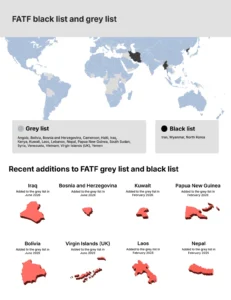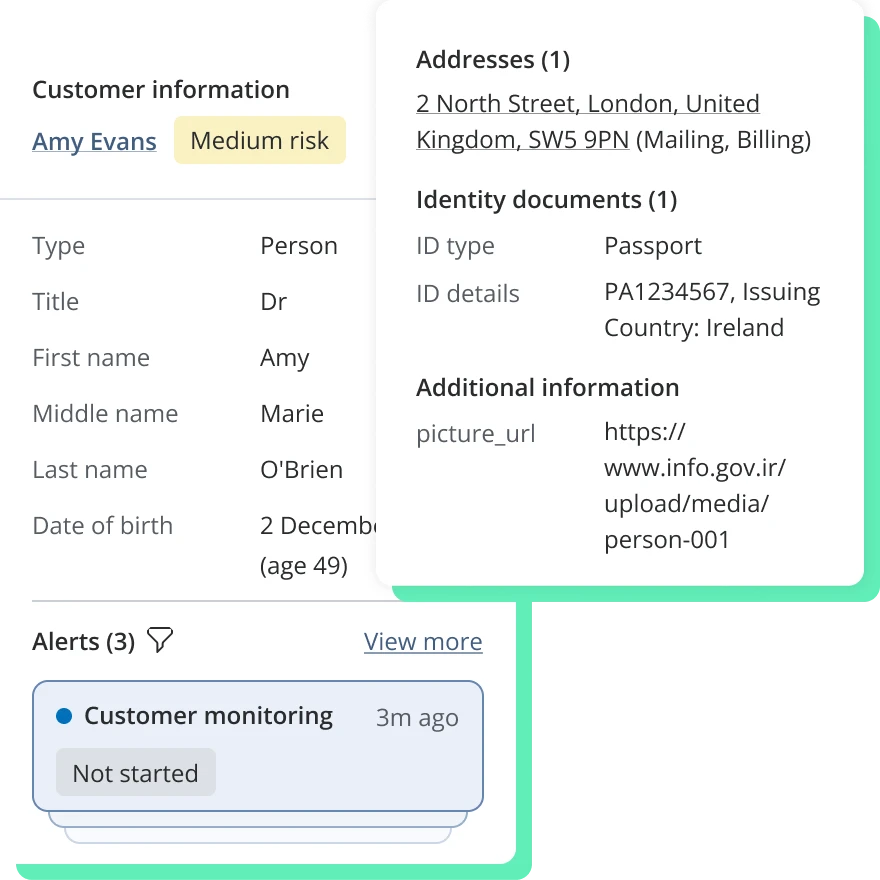
In the rapidly evolving landscape of global finance, the regulatory burden on payments firms, fintech startups, and emerging financial institutions has reached unprecedented levels. As illicit financial activity becomes increasingly sophisticated, regulatory bodies worldwide—including the Financial Action Task Force (FATF) and regional oversight agencies—have mandated stricter Know Your Customer (KYC) and Anti-Money Laundering (AML) protocols. To address these demands, ComplyAdvantage has introduced its Starter Plan, a tiered compliance solution designed to provide smaller and mid-sized firms with enterprise-grade risk intelligence.
The Evolution of Regulatory Compliance
For decades, compliance was a manual, document-heavy process prone to human error and significant operational bottlenecks. The shift toward digitized, automated screening began in earnest following the 2008 financial crisis, which accelerated the demand for transparent, audit-ready data. Today, the challenge for payments firms is no longer just gathering data, but interpreting it in sub-second timeframes.
The ComplyAdvantage Starter Plan is designed to bridge the gap between heavy, legacy compliance infrastructure and the fast-paced, high-volume environment of modern digital payments. By leveraging a proprietary database of over 25 million entities, the platform offers a centralized hub for screening investors, corporate clients, and ultimate beneficial owners (UBOs) against global sanctions, watchlists, adverse media, and politically exposed person (PEP) data.
Chronology of Risk Management Innovation
The integration of agentic workflows into compliance represents the latest milestone in this sector. Historically, compliance teams were forced to choose between the high cost of manual human oversight and the potential legal risks of fully automated, "black box" systems.
- Early 2010s: The emergence of cloud-based compliance tools began replacing physical on-premise servers, allowing for more frequent data updates.
- Mid 2010s: The industry shifted toward "Risk-Based Approaches" (RBA), where companies were required to tailor their screening depth to the specific risk profile of the customer.
- 2020–2024: The widespread adoption of AI and machine learning enabled firms to screen against global watchlists in real-time.
- 2026: ComplyAdvantage formalizes the "Agentic Workflow" model, where AI agents act as preliminary analysts, autonomously resolving up to 85% of routine alerts while keeping human auditors in the loop for complex decision-making.
Data-Driven Risk Intelligence
The efficacy of any AML platform is contingent upon the quality and recency of its data. ComplyAdvantage’s core offering relies on a massive, unified dataset. When a payment firm screens an entity, the system does not merely check a static list; it analyzes the entity’s relationship structure. This is critical for identifying UBOs, who often hide behind complex shell company arrangements to evade sanctions.
By providing an audit-ready trail for every decision made, the platform ensures that in the event of a regulatory inquiry, a firm can prove exactly what data was checked, how the risk was assessed, and why a specific resolution was reached. This level of traceability is the industry gold standard for maintaining a firm’s "license to operate."
The "Agentic" Shift: Reducing Operational Noise
A significant pain point for compliance managers is "false positive fatigue." When a screening system flags thousands of individuals who have no actual connection to illicit activity, analysts spend more time clearing noise than investigating genuine threats.
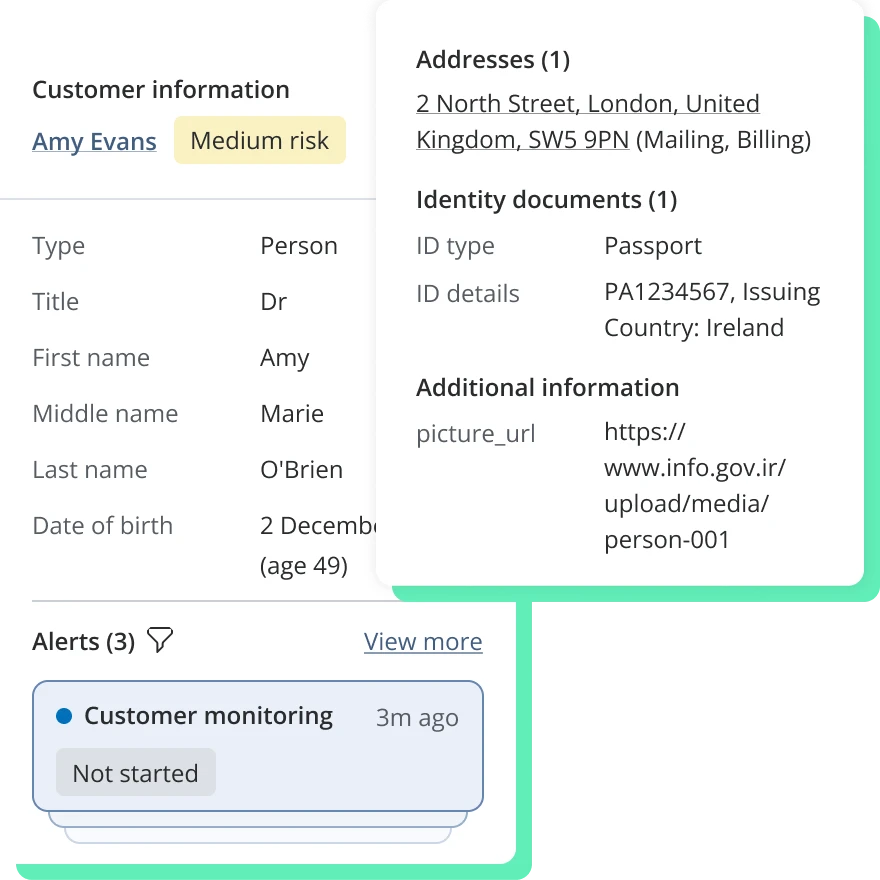
The introduction of Agentic AI—often referred to in the industry as "Cassie" or "Otto" in various testing environments—marks a departure from standard automated rules. These agents utilize large language models and logic-based triggers to review cases. If an entity is flagged due to a common name match with a person on a watch list, the agent can cross-reference birth dates, geographical data, and professional associations to autonomously clear the case. This allows human compliance officers to focus their limited time on high-risk, complex cases that require professional judgment.
Industry Implications and Strategic Advantage
For a growing payments firm, compliance is frequently a barrier to entry. If onboarding takes weeks, customers migrate to competitors. Conversely, if a firm is too lenient, it risks massive fines and reputational damage. The ComplyAdvantage Starter Plan allows these firms to scale from 100 to 2,000 monitored entities with a predictable, transparent pricing model.
Senior management in the financial sector has increasingly viewed compliance as a competitive advantage rather than a cost center. By automating the routine, firms can onboard clients significantly faster than their peers, providing a superior user experience without compromising on security. According to industry feedback from firms like AUSIEX, the primary driver for adopting these dynamic solutions is the need for flexibility—a platform that can grow alongside the business rather than requiring a complete infrastructure overhaul every time the company reaches a new growth milestone.
Pricing Structure and Economic Accessibility
The financial barrier to entry for robust AML tools has historically been high, often reserved for tier-one global banks. The ComplyAdvantage pricing model, starting at $99 per month for the Essentials plan, democratizes access to sophisticated risk management.
- Tiered Flexibility: Whether a firm chooses monthly or annual billing, the cost scales with the volume of monitored entities. This is critical for startups that need to manage cash flow while meeting regulatory requirements.
- Agentic Premium: For firms seeking the full benefits of automated remediation, the Agentic Starter Plan adds a layer of AI-driven efficiency. This shift represents a transition toward "compliance as a service," where firms pay for the outcome—a de-risked portfolio—rather than just the raw software.
Technical Security and Regulatory Defensibility
A common concern regarding AI-driven compliance is the "black box" problem—the inability to explain why an AI made a specific decision. ComplyAdvantage addresses this by integrating the AI directly into their core platform (Mesh), rather than treating it as a third-party add-on. This ensures that every action taken by the AI is logged and viewable.
During the audit process, regulators require clear evidence of logic. Because the platform’s agents are back-tested against thousands of historical human decisions, their logic mirrors the established legal standards of compliance teams. The system is designed to prioritize the "true positive" rate, ensuring that the rare instances of real risk are never missed, even while the AI handles the bulk of the "false positive" clearance.
The Road Ahead
As geopolitical tensions continue to shift, sanction lists are updated more frequently than ever before. A static, once-a-year review of a client base is no longer sufficient; ongoing monitoring is now a de facto requirement.
The integration of these advanced tools into the starter tier of compliance software signals a broader market shift. It is no longer just the "Big Four" or global investment banks that must adhere to stringent AML standards. Every boutique payments provider, crypto-asset exchange, and regional financial player now carries the same level of responsibility.
The challenge for these organizations will be balancing the need for speed with the necessity of compliance. By adopting systems that combine deep, proprietary risk intelligence with agentic AI, firms are not just checking boxes for regulators—they are building a more resilient, transparent, and trustworthy financial ecosystem. As technology continues to lower the barrier for entry, the focus will increasingly shift toward how effectively these firms can deploy their automated tools to outpace the ever-evolving tactics of global financial criminals.