In an era of increasingly stringent global financial regulations and the rising sophistication of international money laundering networks, law firms are facing unprecedented pressure to modernize their anti-money laundering (AML) and know-your-customer (KYC) workflows. ComplyAdvantage, a prominent provider of AI-driven financial crime risk data, has officially expanded its market reach with the launch of the Starter Plan. This initiative is designed to bridge the gap between high-end enterprise compliance tools and the agile, cost-effective requirements of mid-sized legal practices.
The regulatory landscape for law firms has shifted dramatically over the last decade. Historically, law firms were often viewed as peripheral players in the fight against financial crime. Today, they are at the frontline. Jurisdictions globally have expanded the definition of "obliged entities" to include legal professionals, who are now frequently mandated to verify the identity of ultimate beneficial owners (UBOs) and monitor for potential involvement in sanctions evasion or politically exposed person (PEP) activity. Failure to comply with these mandates does not merely result in reputational damage; it carries severe legal and financial penalties that can threaten the very viability of a practice.
The Evolution of Automated Compliance
The introduction of the ComplyAdvantage Starter Plan represents a strategic response to a market that has long been underserved. Previously, firms with 100 to 2,000 monitored entities often had to choose between manual, paper-based processes—which are prone to human error and difficult to audit—or expensive, over-engineered enterprise platforms that included unnecessary features.
The new offering aims to provide a "middle-ground" solution. By leveraging proprietary risk intelligence derived from over 25 million entities, the platform offers sub-second response times for screening individuals and corporations. This speed is critical in the legal sector, where client onboarding must be rapid to avoid disrupting high-stakes deal flows or real estate transactions.
Chronology of Risk Management Advancements
The development of this technology follows a decade of rapid acceleration in financial crime intelligence. In the early 2010s, firms relied on static, periodically updated watchlists. By 2018, the industry saw a pivot toward real-time data streaming. ComplyAdvantage’s current iteration, which integrates "agentic AI" workflows, marks the third major wave of innovation.
- 2015-2017: Initial adoption of digital databases to replace manual screening.
- 2018-2020: The rise of continuous monitoring, allowing firms to receive alerts whenever a client’s risk status changes, rather than waiting for a yearly review.
- 2021-2023: Integration of advanced analytics and AI to reduce "false positives," which often accounted for up to 90% of compliance analysts’ workloads.
- 2024-Present: The deployment of Agentic AI, capable of autonomous reasoning and preliminary decision-making, setting the stage for the current Starter Plan rollout.
Supporting Data and Technical Architecture
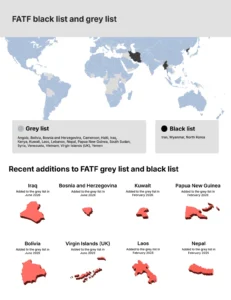
The core of the Starter Plan’s value proposition lies in its ability to generate an "audit-ready trail." Regulatory bodies, such as the Financial Action Task Force (FATF) and various national Bar associations, increasingly require proof of the decision-making process behind a client acceptance.
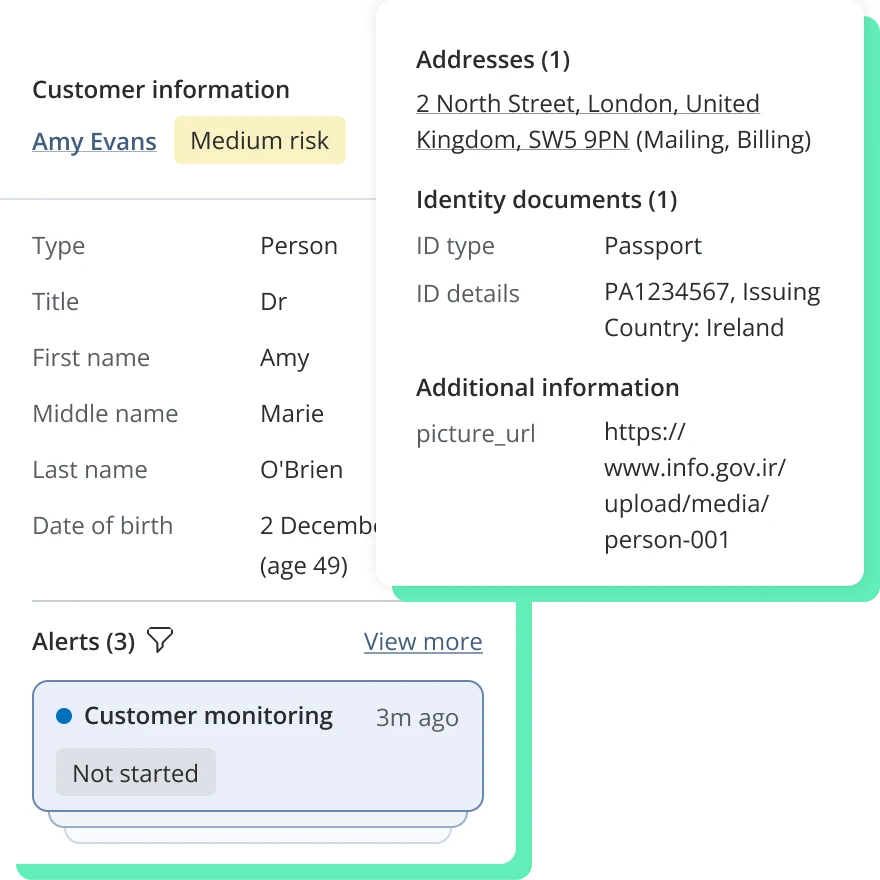
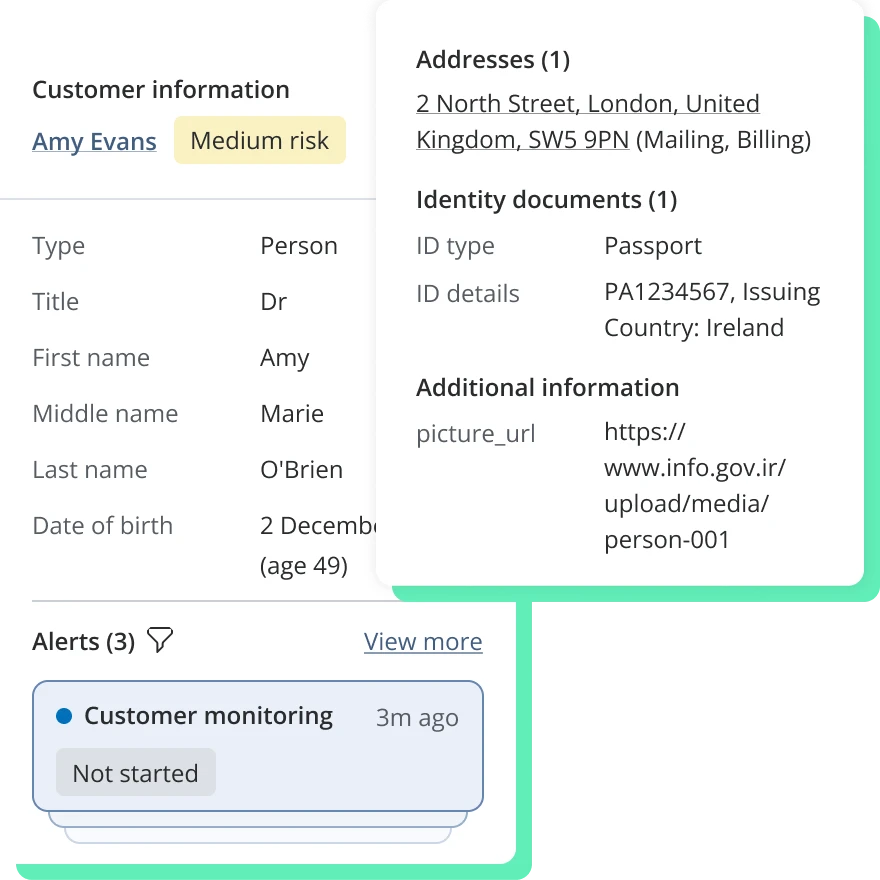
Technically, the platform operates through a native integration rather than a third-party overlay. This is a critical distinction for risk officers. By integrating AI directly into the "Mesh" of the platform, the system ensures that every decision made by an AI agent—such as clearing a false-positive match—is fully logged. According to internal data provided by the company, these agentic workflows can resolve up to 85% of routine alerts autonomously. This allows legal professionals to focus their expertise on the remaining 15% of high-risk cases that require human judgment and legal nuance.
Strategic Implications for Law Firms
The implications for legal operations are twofold: cost-efficiency and risk mitigation. With tiered pricing starting as low as $99 per month for annual subscribers, the cost of compliance is no longer an insurmountable barrier for small-to-mid-sized firms.
However, the broader impact is the standardization of risk management. When a firm can demonstrate to a regulator that it utilizes an automated, auditable system that is updated in real-time, the firm’s "risk appetite" can be more accurately defined and defended. This provides a competitive advantage in a market where corporate clients are increasingly conducting their own due diligence on the law firms they choose to retain. A firm that can prove its own house is in order is a more attractive partner for multinational corporations and financial institutions.
Official Perspectives on Compliance Flexibility
Industry feedback suggests that the demand for this level of flexibility is driven by the desire for scalability. Senior managers at firms currently using similar technology, such as AUSIEX, have noted that the primary challenge is finding a system that grows in tandem with the business. "The decision to choose ComplyAdvantage came down to two things: quality and flexibility," notes a spokesperson from the financial compliance sector. "It really felt like a solution that would grow with us and support our evolving needs."
This sentiment is echoed by many in the legal compliance community, who argue that the "one-size-fits-all" model of the past is dead. The ability to add monitored entities as a firm grows—rather than being forced into a rigid enterprise contract—is a significant departure from traditional software-as-a-service (SaaS) models in the compliance space.
Addressing the Noise: The False Positive Problem
A perennial issue in AML compliance is the high volume of "noise"—alerts that are triggered by common names or minor database matches that turn out to be harmless. The Starter Plan addresses this by employing a rigorous testing process, including back-testing against thousands of historical decisions made by human analysts.
The objective is to minimize the "false positive" rate without compromising on the "true positive" rate. For a law firm, missing a sanctioned individual is a catastrophic failure, but investigating 100 false alarms for every one legitimate threat is a massive drain on resources. By automating the screening of individuals and companies against global sanctions, watchlists, and adverse media, the platform effectively filters the noise before it ever reaches a human analyst’s desk.
The Future of Regulatory Defensibility
Looking ahead, the integration of agentic AI into the Starter Plan is a signal of where the regulatory sector is heading. Regulators are beginning to accept, and in some cases encourage, the use of AI in compliance, provided that the system remains "human-in-the-loop."
The ComplyAdvantage model ensures this by maintaining a clear distinction between the agent’s task and the human’s final sign-off. The agent reviews the case, identifies potential risks, and performs preliminary actions, but the final, definitive record is always anchored to the human compliance officer’s oversight. This "hybrid intelligence" approach satisfies the regulatory requirement for accountability while embracing the speed of modern technology.
Summary of Market Positioning
The Starter Plan is clearly intended to disrupt the market for mid-tier law firms by offering:
- Lower Entry Barriers: Predictable monthly or annual pricing models that accommodate small firms.
- Scalable Growth: A structure that allows firms to increase monitored entities without renegotiating major contracts.
- Technological Parity: Providing smaller firms with the same caliber of AI-driven intelligence previously reserved for the "Big Law" firms with massive budgets.
- Operational Efficiency: Reducing the time-to-onboard by automating the most tedious aspects of the KYC process.
As firms continue to navigate an environment where financial crime is increasingly digital and borderless, the adoption of automated, defensible, and scalable compliance tools is shifting from an optional operational expense to a fundamental business necessity. The ComplyAdvantage Starter Plan positions itself as the infrastructure for this transition, offering a robust framework for law firms to protect their reputations and fulfill their duties as global gatekeepers. By removing the technical and financial hurdles that have historically kept advanced AML tools out of reach, the company is effectively raising the bar for the entire legal industry’s compliance standards.