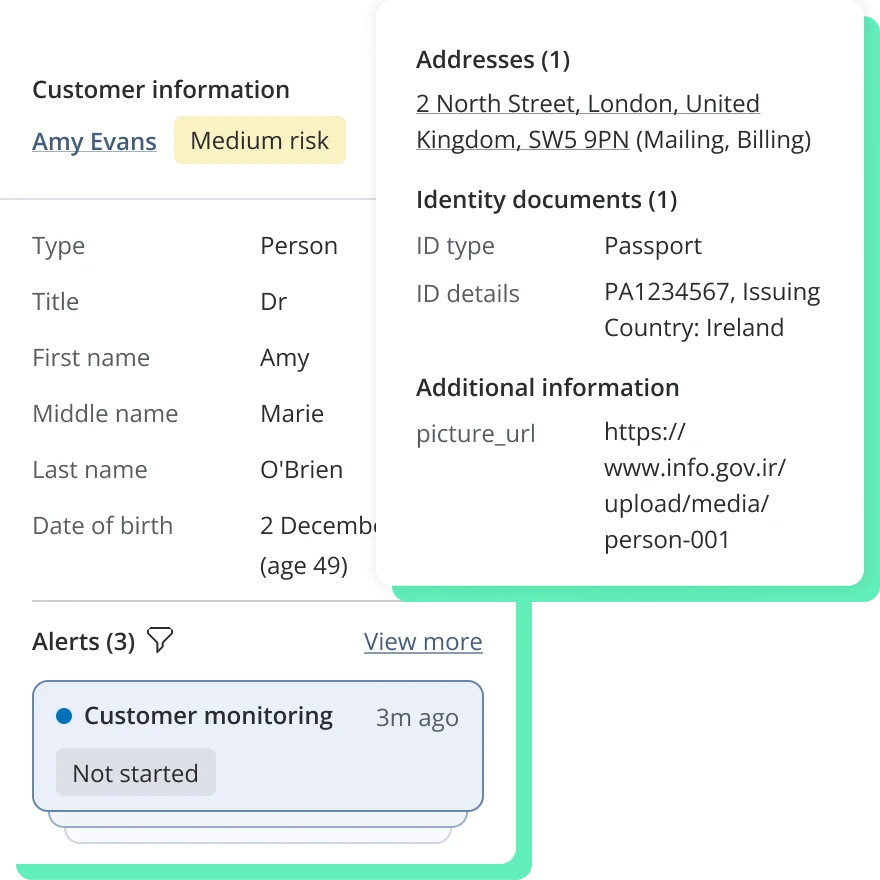
The legal sector faces an unprecedented regulatory landscape, where the pressure to perform rigorous Anti-Money Laundering (AML) and Know Your Customer (KYC) checks is intensifying. Law firms, traditionally reliant on manual processes or fragmented legacy systems, are increasingly turning to specialized technology to manage the risks associated with global sanctions, politically exposed persons (PEPs), and adverse media. ComplyAdvantage has responded to this shift by unveiling its "Starter Plan," a streamlined, automated compliance solution designed specifically for mid-sized legal practices overseeing between 100 and 2,000 entities.
The Regulatory Imperative for Modern Law Firms
In the modern financial ecosystem, law firms are no longer mere legal advisors; they serve as critical gatekeepers against illicit financial flows. Global regulatory bodies, including the Financial Action Task Force (FATF), have tightened standards regarding Ultimate Beneficial Ownership (UBO) and the vetting of corporate clients. For many law firms, the cost of non-compliance is existential, encompassing not only massive fines but also irreversible reputational damage.
Historically, firms struggled to balance the speed of client onboarding with the depth of required due diligence. Delays in vetting often stalled high-stakes transactions, creating friction between compliance departments and fee-earning partners. The introduction of the ComplyAdvantage Starter Plan signals a shift toward "compliance as a competitive advantage," where automated intelligence replaces the manual review of global watchlists and media reports. By providing a platform that delivers sub-second response times, the firm enables legal teams to maintain the velocity of their business while remaining firmly within the boundaries of international law.
Chronology and Evolution of AML Technology
The trajectory of AML technology has moved from static, rule-based screening to dynamic, AI-driven risk intelligence. For years, the industry relied on "batch screening," where data was processed in periodic, often disconnected intervals. This approach left significant gaps, particularly when a client’s risk profile changed between annual reviews.
The current generation of compliance software, including the tools provided by ComplyAdvantage, represents a move toward continuous monitoring. In the last three years, the integration of Large Language Models (LLMs) and "agentic" workflows has further accelerated this evolution. By utilizing proprietary risk intelligence gathered from over 25 million entities, these platforms allow firms to move beyond simple name-matching. Instead, they can now map complex corporate structures and identify entities controlled by sanctioned individuals in real-time. This technological leap provides an audit-ready trail that is increasingly demanded by regulators during periodic examinations.
Empowering Teams with Agentic Workflows
A significant challenge in current compliance operations is "alert fatigue." Analysts are frequently overwhelmed by high volumes of false positives, which dilute their ability to focus on genuine financial crime threats. The Starter Plan addresses this through the integration of agentic AI.
These agents, often dubbed "digital employees," are capable of reviewing case files, synthesizing disparate data points, and executing predefined actions—such as clearing low-risk profiles—without requiring constant human intervention. According to technical specifications from the provider, these systems are capable of resolving up to 85% of routine alerts autonomously. Crucially, this automation does not negate human oversight. Every decision made by an AI agent is logged with a comprehensive audit trail, ensuring that the firm can justify its compliance decisions to regulators years after a transaction has concluded. This creates a "defensible compliance" framework, where the firm can prove that its decisions were based on consistent, evidence-based logic rather than arbitrary human judgment.
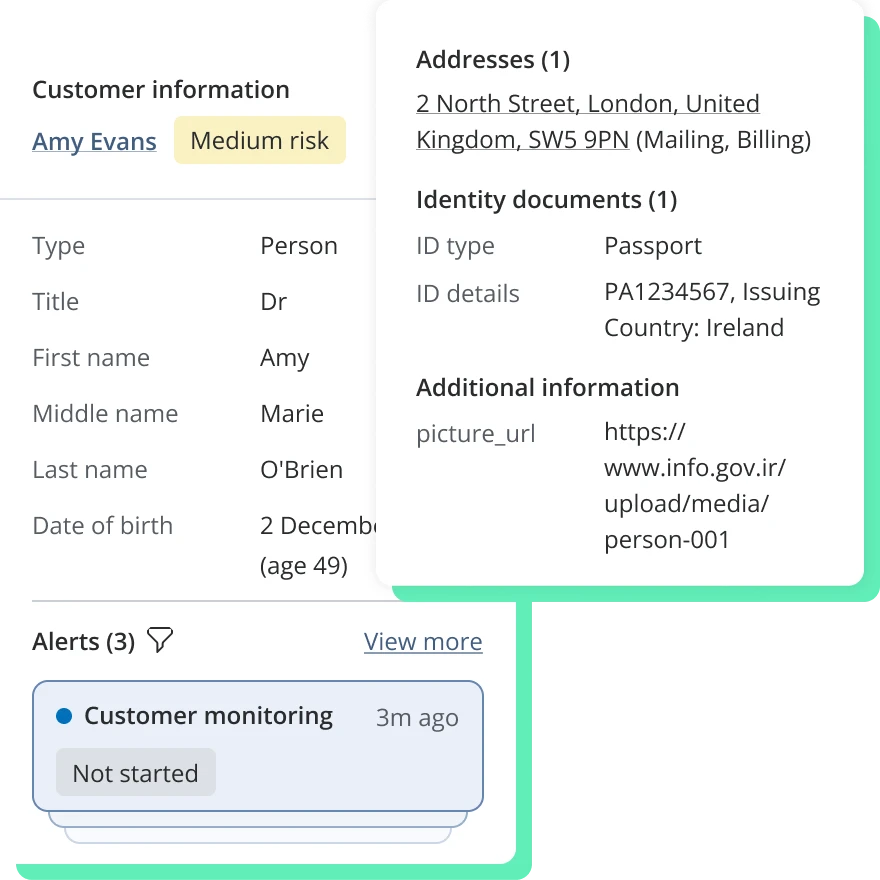
Supporting Data and Market Analysis
The financial viability of such platforms is evidenced by the growing demand for modular, scalable subscription models. For firms monitoring 100 entities, entry-level costs start at approximately $99 per month with annual billing. As a firm scales to 2,000 entities, the pricing adjusts to accommodate the increased volume, moving to $319 per month for the base package or $479 for the agentic-enabled version.
Market analysts observe that this tiered approach is a response to the "compliance bottleneck" that affects mid-market law firms. Large, global firms have long invested in enterprise-grade, bespoke infrastructure. Smaller firms, however, often lacked access to these tools, leaving them vulnerable. By democratizing access to high-tier risk data, providers like ComplyAdvantage are effectively raising the industry floor for compliance standards.
Case Study: The Pursuit of Flexibility
Industry practitioners have noted that the primary driver for adopting these platforms is not merely the feature set, but the flexibility and intuitive nature of the user interface. For instance, financial crime compliance managers at firms such as AUSIEX have pointed to the importance of "dynamic solutions." The ability to start with a modest number of monitored entities and scale as the client roster grows allows firms to manage their operational expenses effectively. Furthermore, the ability to integrate these tools into existing workflows without a lengthy deployment process—often within 24 hours—minimizes the disruption to day-to-day legal services.
Technical Integrity and Security Standards
The efficacy of these platforms hinges on the quality of their data integration. Unlike third-party overlays that may experience latency or data synchronization errors, the native integration of AI within the platform’s core (the "Mesh" architecture) ensures that risk profiles remain current.
Security researchers emphasize that the strength of these systems lies in their back-testing protocols. Before an agent is deployed to manage live client data, it is subjected to thousands of historical scenarios based on real-world compliance decisions. This "rigorous, iterative testing" is intended to minimize the rate of false positives—cases where a legitimate client is wrongly flagged as a risk. For a law firm, a false positive is not just an inconvenience; it is a potential client relationship lost to bureaucratic friction.
Broader Implications for the Legal Sector
The adoption of automated compliance tools is part of a broader "digital transformation" of the legal profession. As regulatory scrutiny of the legal sector increases globally—particularly in relation to money laundering in real estate and offshore corporate formation—firms are being forced to adopt technologies that were once considered the exclusive domain of the banking sector.
The implications are two-fold. First, it standardizes the level of due diligence across the industry, making it increasingly difficult for illicit actors to find "weak links" in legal practices. Second, it shifts the role of the compliance officer from a manual data-checker to a risk-strategy manager. By delegating the rote, repetitive aspects of screening to AI, compliance professionals can dedicate their time to investigating complex, high-risk cases that require human nuance and ethical judgment.
In conclusion, the shift toward automated, agentic, and continuous monitoring represents the future of legal compliance. As regulators continue to prioritize transparency and accountability, the firms that successfully integrate these technologies will be better positioned to safeguard their reputations and maintain the efficiency required to succeed in a globalized, high-stakes legal market. The transition from manual, legacy processes to AI-enhanced, evidence-based systems is no longer a luxury; it is a fundamental requirement for the modern practice of law.