A 32-year-old Michigan pharmacy owner and former pharmacy technician was sentenced yesterday to 82 months in federal prison, followed by three years of supervised release, for orchestrating a multimillion-dollar health care fraud scheme and illegally distributing thousands of oxycodone pills. Ali Naserdean of Dearborn Heights, Michigan, has been detained since October 7 following his arrest for violating bond conditions. The sentencing marks a significant milestone in federal efforts to crack down on the dual epidemics of healthcare fraud and opioid diversion, highlighting the aggressive enforcement strategies employed by the U.S. Department of Justice (DOJ) and its multi-agency partners.
According to court documents and federal prosecutors, Naserdean’s illicit enterprise spanned multiple metro-Detroit pharmacies. Between 2019 and 2022, Naserdean and his co-conspirator, pharmacist Isaiah Okoh, defrauded Medicare, Medicaid, and Blue Cross Blue Shield of Michigan of more than $5.6 million. The scheme relied on the submission of false claims for prescription drugs that were never ordered by a licensed physician and never actually dispensed to patients. To execute the fraud and evade detection, Naserdean and Okoh utilized forged prescriptions bearing the names of doctors who had no knowledge of the transactions and whose patients had never visited them.
Simultaneously, Naserdean operated an illegal drug-trafficking ring. Between 2019 and 2022, he distributed substantial quantities of oxycodone—a potent and highly addictive opioid—to street-level drug traffickers in exchange for cash. These transactions were conducted completely outside legitimate medical channels, disregarding whether the drugs were prescribed in good faith or medically necessary. A subsequent search warrant executed at Naserdean’s residence uncovered substantial physical evidence corroborating both the healthcare fraud and the illicit drug distribution network.
Key Details of the Case and Financial Penalties
The financial and legal fallout for Naserdean is extensive. In addition to the nearly seven-year prison sentence, U.S. District Court Judge presiding over the matter ordered the immediate forfeiture of money and property valued at approximately $1.2 million. The court also entered a staggering personal money judgment against Naserdean totaling $5,636,721.89 to reflect the scope of the fraud.
Restitution orders were also issued to repair the damage inflicted on public and private insurers. Naserdean was ordered to pay $3,654,895.65 in restitution to the U.S. Department of Health and Human Services (HHS) and $21,428.93 to Blue Cross Blue Shield of Michigan. The substantial restitution and forfeiture amounts reflect the government’s dual priority of punishing offenders and recovering taxpayer funds looted from essential safety-net programs.
Chronology of the Investigation and Legal Proceedings
The unraveling of Naserdean’s operation followed a meticulous, multi-year joint investigation conducted by the Federal Bureau of Investigation (FBI) Detroit Field Office, the Department of Health and Human Services Office of Inspector General (HHS-OIG), and the Dearborn Police Department.
The timeline of key events in the case underscores the methodical pace of federal investigations and prosecutions:
- 2019–2022: Naserdean and co-conspirator Isaiah Okoh systematically bill Medicare, Medicaid, and Blue Cross Blue Shield of Michigan for unprescribed pharmaceuticals while simultaneously selling diverted oxycodone for cash.
- December 2025: Co-conspirator Isaiah Okoh is sentenced to over six years in federal prison for his role in the healthcare fraud scheme.
- April 2026: Ali Naserdean pleads guilty in federal court to conspiracy to commit healthcare fraud and possession with intent to illegally distribute oxycodone.
- October 7: Naserdean is taken into custody and detained following his arrest for violating pre-trial bond conditions.
- Sentencing (Yesterday): Naserdean is sentenced to 82 months in federal prison, three years of supervised release, and ordered to pay millions in forfeiture, restitution, and monetary judgments.
Enforcement Actions and Official Statements
Federal law enforcement leaders emphasized the dual nature of Naserdean’s crimes, noting that healthcare fraud and opioid trafficking frequently intersect to amplify community harm.
"Fraud against Medicare and Medicaid does not just drain taxpayer-funded programs, it shifts costs onto taxpayers and strains the healthcare system," said Assistant Attorney General Colin M. McDonald of the Justice Department’s National Fraud Enforcement Division. "In this case, the defendant’s scheme caused millions of dollars in losses to Medicare and Medicaid and involved the illegal diversion of thousands of oxycodone pills onto our streets, compounding the harm to the public. The Fraud Division will continue to deploy its resources to hold accountable fraudsters and drug dealers like Ali Naserdean."
U.S. Attorney for the Eastern District of Michigan echoed these sentiments, condemning the exploitation of community trust. "Naserdean lied to the government and cheated the American taxpayer out of millions. And that wasn’t enough—so he turned around and poisoned the community with drugs."
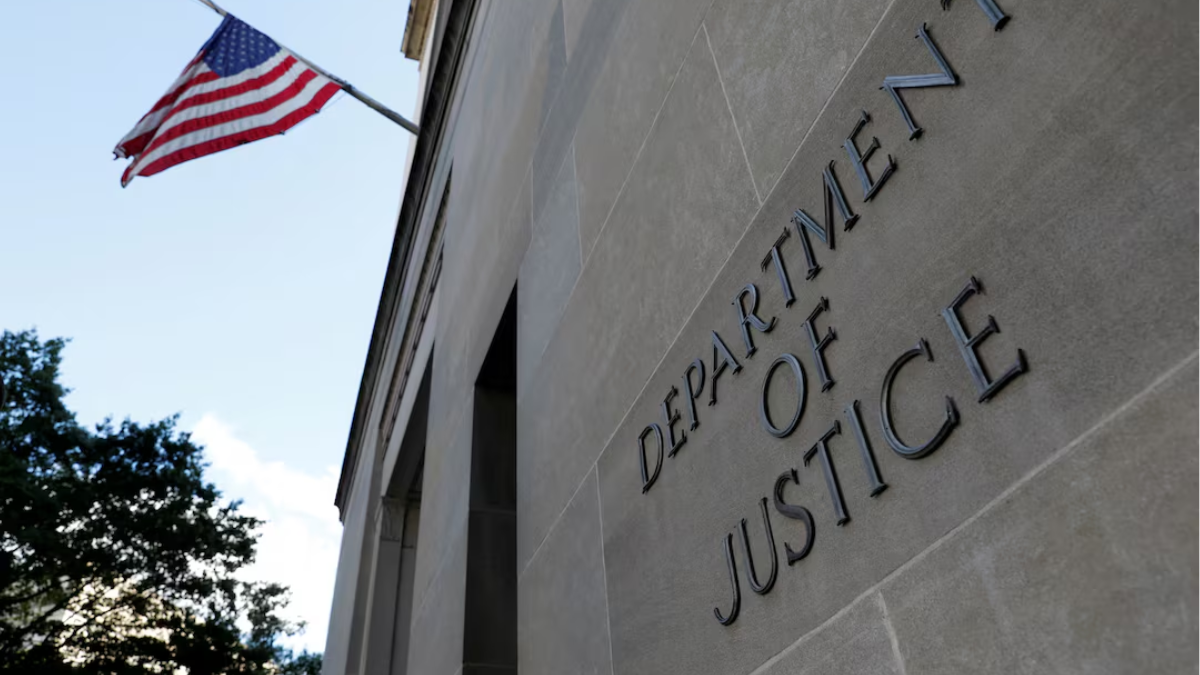
Inspectors and special agents involved in the case underscored the cooperative nature of the investigation. Scott J. Lampert, Deputy Inspector General for Investigations for HHS-OIG, warned that perpetrators of such crimes face total ruin. "Those who choose to profit from healthcare fraud and the illegal distribution of opioids should expect to lose their freedom, their livelihood, and the proceeds of their crimes. HHS-OIG and our law enforcement partners will continue to identify, investigate, and pursue individuals who endanger patients, taxpayers, and our communities."
Special Agent in Charge Jennifer Runyan of the FBI Detroit Field Office highlighted the broader impact on public safety. "This defendant orchestrated a multimillion-dollar fraud scheme that stole from healthcare programs while illegally distributing addictive opioids into our communities. His pursuit of personal profit came at the expense of taxpayers, the integrity of our healthcare system, and public safety." Runyan also praised the persistence of FBI Detroit investigators, federal partners, and the Dearborn Police Department.
Broader Impact and National Implications
Naserdean’s sentencing arrives amid an intensified national crackdown on healthcare fraud, waste, and abuse. The Department of Justice recently established a dedicated Fraud Division laser-focused on investigating and prosecuting individuals who exploit public programs and harm American citizens.
This prosecution aligns with the broader objectives of the federal government’s ongoing initiatives to protect federal benefit programs. The Department’s work directly supports the administration’s Task Force to Eliminate Fraud—a whole-of-government effort chaired by Vice President J.D. Vance designed to eradicate waste, fraud, and abuse across all federal agencies.
Furthermore, the DOJ’s Health Care Fraud Strike Force Program remains a cornerstone of federal enforcement. Operating nine strike forces across various federal districts nationwide, the program has charged more than 6,200 defendants who collectively billed federal healthcare programs and private insurers in excess of $45 billion since its inception in 2007. In tandem, the Centers for Medicare & Medicaid Services (CMS) and HHS-OIG continue to implement rigorous oversight mechanisms to hold predatory medical providers and pharmacy operators accountable.
The case of Ali Naserdean serves as a stern warning to medical professionals, pharmacy owners, and individuals seeking to exploit public health insurance systems for illicit enrichment. As federal agencies leverage advanced data analytics, coordinated task forces, and inter-agency intelligence sharing, the window for individuals operating fraudulent schemes continues to narrow, ensuring that those who defraud taxpayers and fuel the opioid crisis face severe legal consequences.