The United States government has issued an urgent, multi-agency advisory warning that industrial refrigeration systems worldwide face an active and escalating cyber threat. This alert, disseminated last week, mandates that all organizations reliant on cold storage and temperature-controlled logistics must treat their digital infrastructure as a primary target for malicious actors. The warning follows a string of disruptive cyberattacks that have compromised commercial freezer units across the United States and Europe, highlighting a significant vulnerability in the global supply chain.
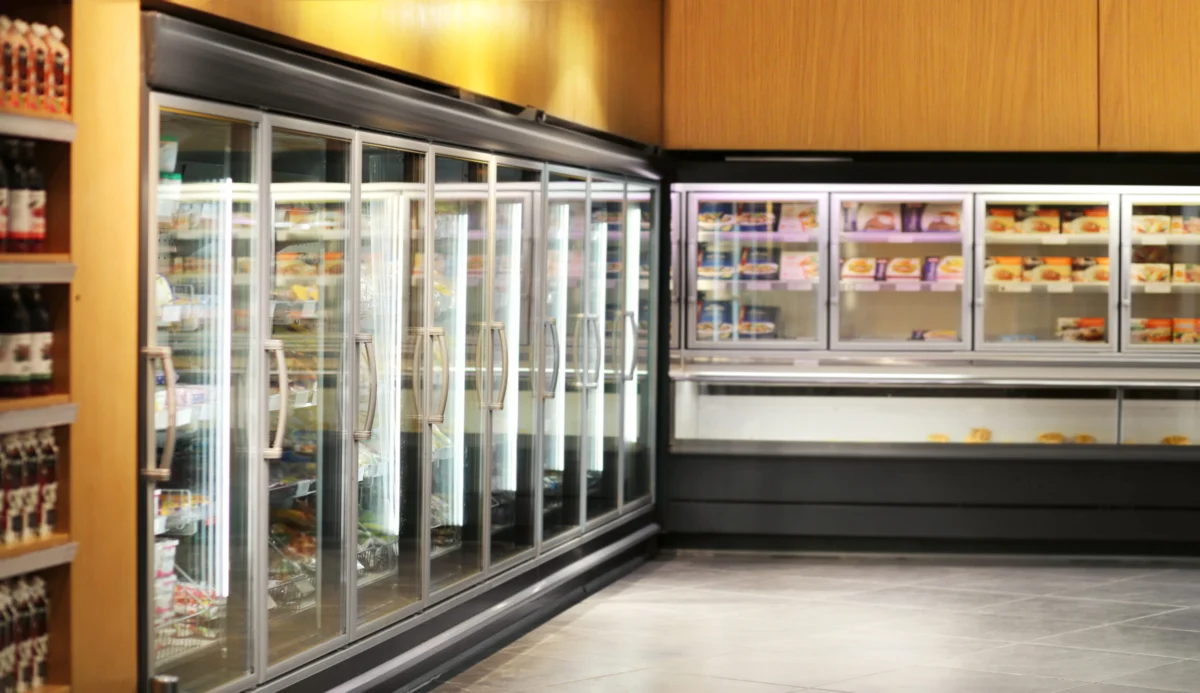
The advisory, issued jointly by the Federal Bureau of Investigation (FBI), the Cybersecurity and Infrastructure Security Agency (CISA), and the Departments of Agriculture, Health and Human Services, and Transportation, emphasizes that these intrusions are not isolated incidents but part of a persistent campaign. Unidentified malicious actors are systematically exploiting vulnerabilities in internet-connected electronic temperature controllers and industrial refrigeration systems used in retail grocery stores, pharmaceutical warehouses, and cold storage facilities.
Chronology of Escalating Attacks
The current climate of apprehension stems from a series of high-profile incidents that have occurred over the last several months, revealing a pattern of sophisticated interference with physical infrastructure.
In August, a series of mysterious malfunctions began affecting refrigeration units at various United States military installations. Initial investigations into these anomalies have led Pentagon officials to formally treat the events as deliberate cyberattacks. This breach of military infrastructure underscored the potential for remote tampering to disrupt essential services, including food safety and logistical operations.
The scope of these attacks expanded significantly in the following months. In a separate, high-impact campaign that surfaced last month, a sweeping cyber intrusion hit commercial freezer systems across France. The damage was extensive, resulting in losses estimated at tens of millions of euros. The attackers effectively seized control of refrigeration management systems, forcing store operators to grapple with the immediate spoilage of perishable goods and the long-term integrity of their hardware.
The threat reached further into the European market this past Monday, when a second, broader wave of hacking impacted more than 100 retail stores across the continent. These synchronized events demonstrate a level of technical proficiency and coordination that suggests the involvement of organized groups rather than opportunistic individual hackers. The recurring nature of these incidents has prompted a shift in how cybersecurity agencies categorize industrial control systems (ICS), moving them from overlooked assets to high-risk critical infrastructure.
The Mechanism of Vulnerability
At the heart of the crisis is the prevalence of Industrial Internet of Things (IIoT) devices. Modern refrigeration units are increasingly connected to the internet to allow for real-time monitoring, remote temperature adjustments, and automated energy management. While these features improve efficiency and reduce operational costs, they also create a digital "front door" that is often inadequately secured.
The government advisory notes that many of these devices are accessible via the public internet without robust authentication protocols. Attackers are scanning for these exposed controllers, exploiting outdated firmware, and utilizing default login credentials to gain unauthorized administrative access. Once inside, the perpetrators can manipulate temperature settings, disable alarm systems, and potentially force equipment to cycle in ways that lead to catastrophic mechanical failure.
Chris Butera, CISA’s acting executive assistant director for cybersecurity, noted the severity of the threat during the release of the advisory. "Every organization that depends on refrigeration and monitoring systems should assume it could be a target," Butera stated, urging a fundamental change in the industry’s approach to network security.
Potential Physical and Economic Impacts
The implications of these cyberattacks extend far beyond the digital realm. Because these systems regulate temperature, the physical consequences of a breach are immediate and costly. If an adversary successfully gains control, they can initiate a "thermal runaway" or set temperatures to extremes, resulting in:
- Loss of Inventory: The most immediate impact is the rapid spoilage of temperature-sensitive items, including food, vaccines, and other pharmaceuticals. The economic impact of such losses can be devastating for businesses and may lead to widespread supply chain disruptions.
- Physical Damage and Fire Hazards: By forcing refrigeration units to run continuously or by disabling cooling mechanisms while heaters are active, hackers can induce mechanical stress. This can lead to equipment burnout, refrigerant leaks, and, in extreme cases, electrical fires.
- Compromised Service Life: Even if a system does not immediately fail, forced tampering can permanently degrade the components of the refrigeration cycle, necessitating expensive repairs or full system replacements that would not have been required for years.
FBI Cyber Branch Operations Director Brett Leatherman reinforced the gravity of the situation, stating that the government is observing these systems being targeted across critical infrastructure sectors on a global scale. The involvement of multiple federal agencies reflects the realization that the cold chain is an essential component of national security, impacting everything from the food supply to the distribution of medical necessities.
Strategic Hardening of Infrastructure
In response to the identified threat, the US government has provided a set of urgent mitigation strategies for operators of industrial refrigeration control systems. These recommendations focus on "hardening" the digital perimeter to prevent unauthorized access. Key directives include:
- Network Isolation: Operators are strongly advised to remove all refrigeration and cold chain monitoring devices from the public internet. These systems should be placed behind firewalls and isolated from general-purpose corporate networks to prevent lateral movement by attackers.
- Prompt Patching: Organizations must prioritize the application of software updates and firmware patches provided by manufacturers. Many of the vulnerabilities currently being exploited are well-known, and patches are often available but frequently ignored by facility managers.
- Credential Management: The practice of using default manufacturer passwords must be discontinued immediately. All devices should be configured with complex, unique passwords and, where possible, multi-factor authentication.
- Enhanced Monitoring: Security teams are encouraged to implement logging and monitoring for all industrial control devices to detect anomalous activity, such as unauthorized login attempts or unexplained changes to system parameters.
Broader Implications for Critical Infrastructure
The recent targeting of cold storage facilities serves as a sobering case study for the vulnerabilities inherent in the digitalization of critical infrastructure. As industries transition to "Smart Factory" models, the integration of IT (Information Technology) and OT (Operational Technology) creates new attack surfaces that many organizations are ill-equipped to defend.
Analysts point out that the refrigeration industry has historically operated under a philosophy of "security through obscurity," relying on the assumption that attackers would not be interested in the internal controls of a grocery store freezer. That paradigm has been shattered. The current events demonstrate that industrial systems are now viewed as high-leverage targets, where the threat of physical destruction can be used for extortion or economic sabotage.
The government’s coordinated response indicates that this issue is now a priority for national security officials. By treating these refrigeration units as part of the broader "critical infrastructure," the FBI and CISA are signaling that attacks on these systems will be treated with the same level of investigative resources as breaches of financial or energy grids.
As the industry moves forward, the pressure will be on manufacturers to build security into their products by design, rather than as an afterthought. Meanwhile, for facility owners and operators, the message is clear: the era of "set and forget" for internet-connected industrial hardware is over. Vigilance, network segmentation, and proactive security hygiene are no longer optional—they are essential to maintaining the integrity of the cold chain and protecting the assets that sustain essential public services. The ongoing nature of this threat ensures that the federal government will continue to monitor the landscape, with further guidance expected as investigators uncover the full extent of the adversaries’ methods and motives.