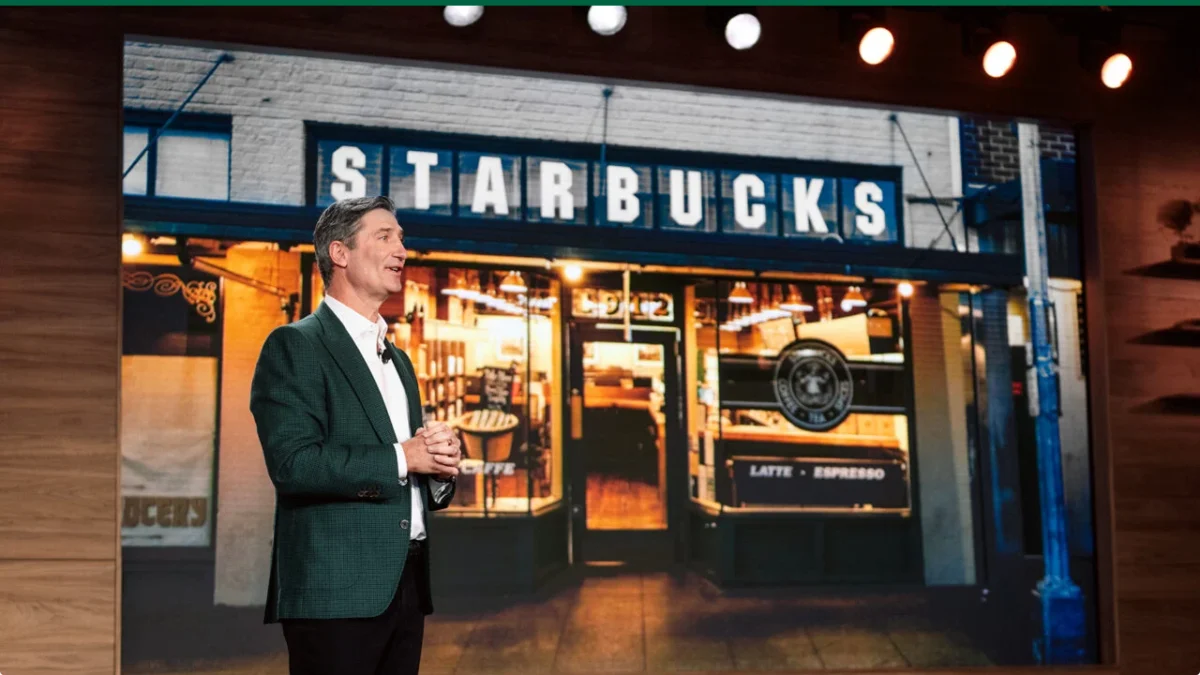
Starbucks has formally agreed to a settlement with the state of Florida to resolve a high-profile discrimination lawsuit, marking a significant development in the ongoing national debate surrounding corporate Diversity, Equity, and Inclusion (DEI) policies. The agreement, announced jointly on Thursday by the coffee giant and Florida’s Attorney General’s office, mandates that the company refrain from utilizing race- or sex-based quotas or preferences in its hiring, promotion, and compensation structures. While Starbucks maintains that it has not engaged in any wrongdoing, the settlement imposes strict compliance measures, including a $1 million payment to the Florida Department of Legal Affairs and a four-year commitment to annual compliance certification.
The Genesis of the Legal Conflict
The litigation, which originated in December 2023, was spearheaded by Florida’s Republican leadership, who argued that Starbucks’ internal corporate policies violated state anti-discrimination statutes. At the heart of the state’s grievance was the assertion that the company had instituted racial quotas and linked executive compensation packages to the achievement of specific diversity targets. Florida officials contended that these practices incentivized hiring and promotion decisions based on protected characteristics rather than individual merit, thereby creating an environment where employees could be disadvantaged based on their race or gender.
Starbucks, which has long championed social impact initiatives, initially defended its policies as essential components of its broader corporate responsibility strategy. However, as the legal landscape surrounding DEI programs shifted in the wake of the Supreme Court’s decision to strike down affirmative action in college admissions, corporate entities have faced increasing scrutiny. The Florida lawsuit served as a bellwether for a new wave of legal challenges aimed at the private sector’s internal administrative procedures.
Chronology of the Dispute
The timeline of this confrontation underscores the rapid evolution of corporate legal strategy in the United States:
- December 2023: The Florida Attorney General’s office files a formal lawsuit against Starbucks, alleging that its DEI programs function as de facto quotas.
- February 2024: A federal judge dismisses a parallel lawsuit filed by the Missouri Attorney General’s office, which challenged similar policies at Starbucks. The state of Missouri subsequently files an appeal, keeping the issue active in the federal court system.
- Late 2023–Early 2024: The "anti-DEI" movement gains significant momentum among conservative legislators and legal advocacy groups, who begin scrutinizing the employment practices of Fortune 500 companies.
- October 2024: After months of litigation and negotiation, Starbucks and the state of Florida reach a settlement agreement to resolve the dispute, effectively avoiding a prolonged trial.
Terms of the Settlement Agreement
The settlement is comprehensive in its scope, applying nationwide, according to a spokesperson for the Florida Attorney General. By agreeing to these terms, Starbucks has committed to several key operational shifts:
- Elimination of Quotas: Starbucks pledges not to adopt or implement any race- or sex-based preferences in hiring, promotions, or salary adjustments.
- Financial Penalty: The company will pay $1 million to the Florida Department of Legal Affairs to cover the costs associated with the litigation.
- Certification: For the next four years, the company must submit annual reports to the state certifying that its practices remain in compliance with Florida law.
- Organizational Ties: Starbucks has agreed to sever ties with any external organizations that mandate or require the company to increase the racial diversity of its board of directors, a clause that signals a retreat from certain ESG (Environmental, Social, and Governance) commitments.
Official Responses and Perspectives
The resolution of the case has drawn praise from state officials, who view it as a victory for the principle of colorblind employment. Florida Attorney General James Uthmeier stated that the settlement serves as a safeguard to ensure that employment policies align strictly with anti-discrimination laws. "DEI can never be an excuse to violate civil rights," Uthmeier remarked, emphasizing that the state’s intent was to ensure that all employees are treated based on their individual professional merit.
Conversely, Starbucks provided a measured response. In a statement, the company noted, "We remain focused on offering great jobs and career opportunities to our partners who wear the green apron." By choosing to settle rather than litigate further, Starbucks appears to be prioritizing operational stability and mitigating the risk of future legal exposure, even while it maintains that its previous policies were not intended to be discriminatory.
Data and Context: The DEI Landscape
The pressure on Starbucks is part of a broader trend affecting the corporate sector. Data from various labor market analysts suggests that in the last 18 months, the mention of "DEI" in corporate filings and earnings calls has declined significantly among large cap companies. Investors and boards are increasingly wary of the legal risks associated with aggressive social equity programs.
According to reports from the Equal Employment Opportunity Commission (EEOC), the number of complaints regarding discriminatory hiring practices remains a staple of labor law, but the specific targeting of institutional DEI frameworks is a relatively recent development. For a company the size of Starbucks, which employs over 400,000 "partners" globally, the administrative burden of modifying these systems to avoid legal challenge is substantial.
Broader Implications for the Private Sector
The settlement carries significant weight for other multinational corporations currently reevaluating their internal policies. Legal experts suggest that this case provides a roadmap for how state governments can exert influence over the internal governance of private companies, even those headquartered in other states, if they maintain significant business operations within those jurisdictions.
The outcome in Florida is likely to encourage other state-level officials to pursue similar litigation. As the political environment continues to polarize around the utility and legality of diversity initiatives, corporations are being forced to navigate a precarious path. They must balance the expectations of a diverse workforce and consumer base with the legal threats posed by state governments that view these initiatives as discriminatory.
Analysis of the Legal Precedent
While the dismissal of the Missouri case and the settlement in Florida do not create binding national precedent, they establish a clear narrative for future defense and prosecution. Companies that have linked executive pay to specific diversity metrics—a common practice in the 2020-2022 period—are now finding those metrics to be significant liabilities.
The requirement that Starbucks certify its compliance for four years suggests that Florida intends to exercise long-term oversight of the company’s internal HR practices. This level of supervision is rare and highlights the intensity of the friction between corporate social policy and state-level regulation.
Conclusion
As the dust settles on the Florida-Starbucks litigation, the long-term impact on corporate culture remains to be seen. While Starbucks has agreed to drop certain targets and affiliations, the company’s core business philosophy—centered on customer service and brand identity—remains intact. However, the settlement signals a cooling off in the corporate world’s enthusiasm for explicit diversity quotas. For now, the focus for major retailers and employers has shifted toward "merit-based" initiatives that avoid the legal vulnerabilities associated with race- or sex-based metrics. As the legal battles continue in other jurisdictions, the Starbucks case will undoubtedly be cited as a critical turning point in the corporate world’s approach to diversity, equity, and inclusion in the 21st century.