The digital landscape is currently witnessing an unprecedented surge in financial crime, driven largely by the democratization of advanced technology. Cybercriminals are increasingly leveraging artificial intelligence (AI) to bypass traditional security measures, while the rise of Ransomware-as-a-Service (RaaS) has lowered the barriers to entry for threat actors, allowing even resource-constrained groups to launch sophisticated attacks against global organizations. As these threats proliferate, the regulatory environment has tightened significantly. Financial institutions are now under immense pressure to ensure strict compliance with Anti-Money Laundering (AML), General Data Protection Regulation (GDPR), and Health Insurance Portability and Accountability Act (HIPAA) mandates.
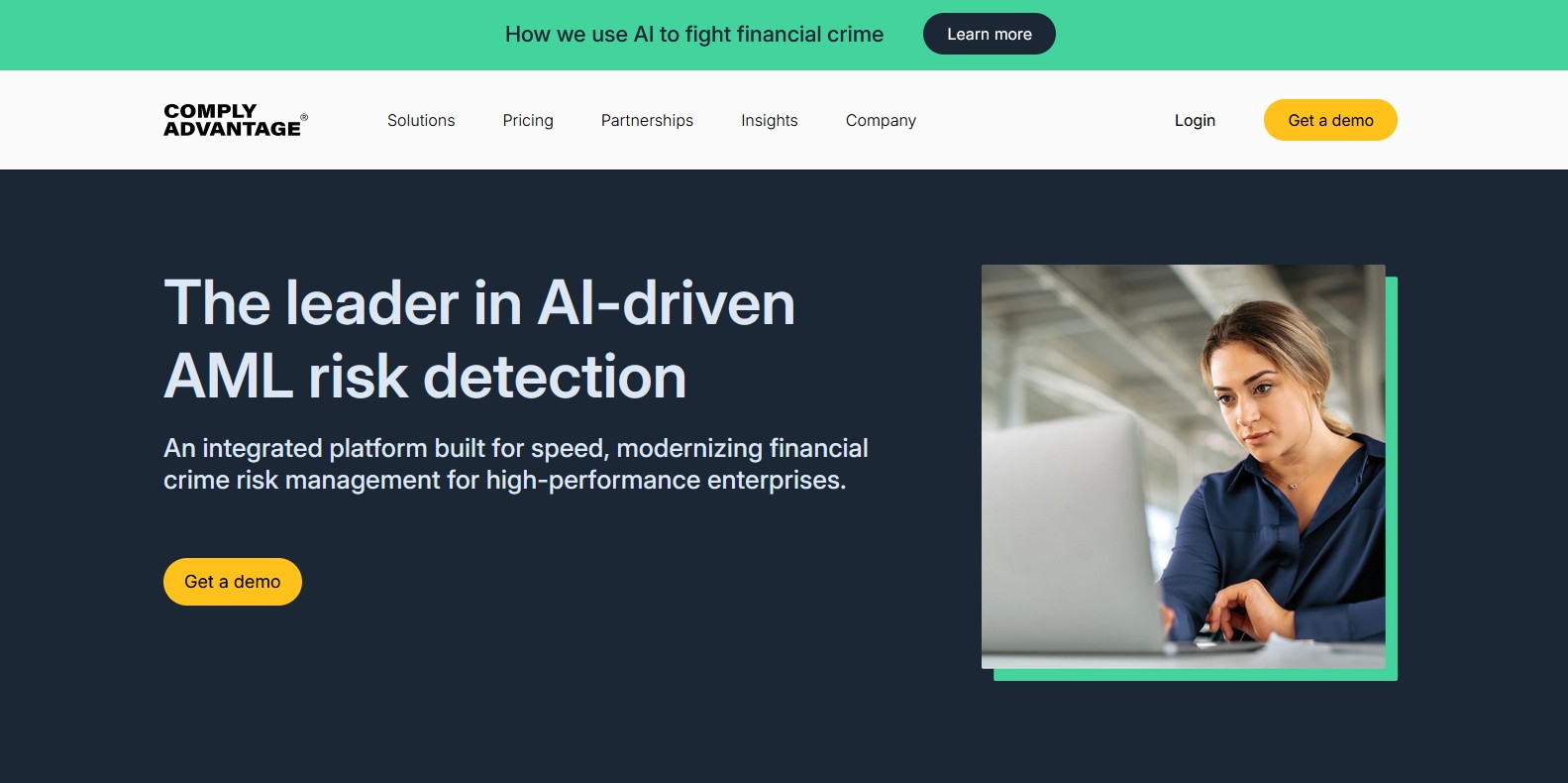
The intersection of heightened regulatory scrutiny and the rapid evolution of financial fraud has created a volatile operational environment. Financial organizations are finding it increasingly difficult to meet these requirements manually, leading to a widespread reliance on automated RegTech solutions. ComplyAdvantage has emerged as a prominent player in this space, utilizing AI-driven tools to provide real-time monitoring of transactions and customer profiles. However, as organizations encounter specific limitations—ranging from integration complexities to cost structures—many are seeking alternative platforms that offer specialized data sets or more granular control.
The Evolution of the AML Landscape
The history of modern AML regulation can be traced back to the 1989 creation of the Financial Action Task Force (FATF) by the G7. Initially focused on drug trafficking, the scope has expanded exponentially over the last three decades to include counter-terrorism financing (CTF) and the mitigation of cyber-enabled fraud.
In the last five years alone, the shift toward real-time payments and cross-border digital transactions has forced a pivot from legacy, batch-processing compliance systems to instantaneous, AI-enhanced risk engines. Industry reports from 2024 indicate that financial institutions globally spent over $200 billion on compliance-related technologies, a figure expected to rise as regulatory bodies in the EU and North America introduce stricter requirements regarding beneficial ownership and crypto-asset monitoring.
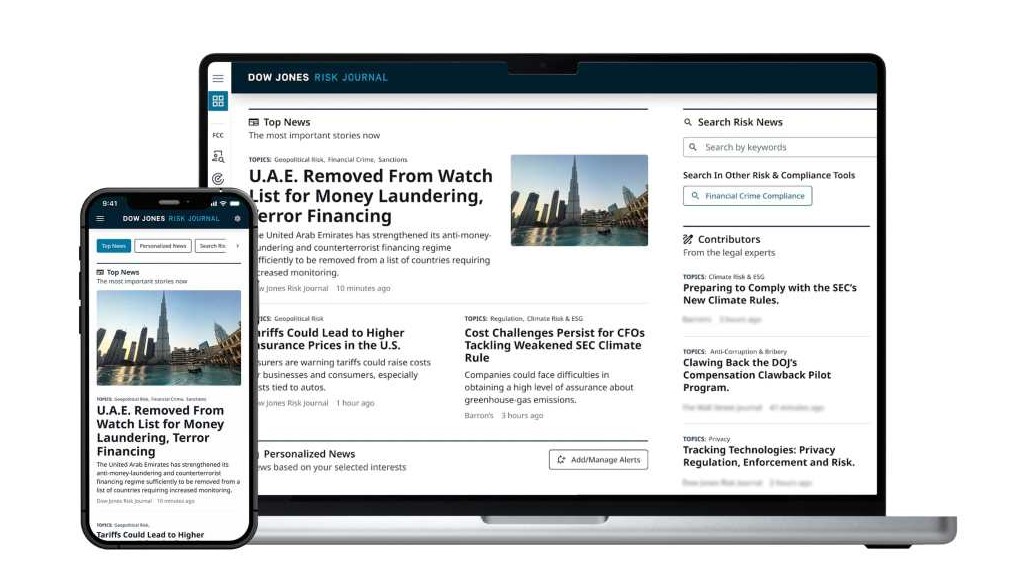
1. Dow Jones Risk & Compliance
Dow Jones stands as the gold standard for institutions that prioritize data integrity and regulatory acceptance. Unlike platforms that rely solely on scraped web data, Dow Jones maintains a proprietary, human-verified database of Politically Exposed Persons (PEPs), sanctions lists, and adverse media.
- Why it is a strong alternative: It provides unparalleled accuracy in data, which is critical for Tier-1 banks facing high audit pressure.
- Key Features: Global database coverage, bribery and corruption risk mapping, and extensive due diligence reports.
- Analysis: For organizations where a single false positive can lead to significant reputational damage or regulatory fines, the depth of Dow Jones’s human-in-the-loop research offers a layer of protection that pure-AI platforms sometimes struggle to replicate.
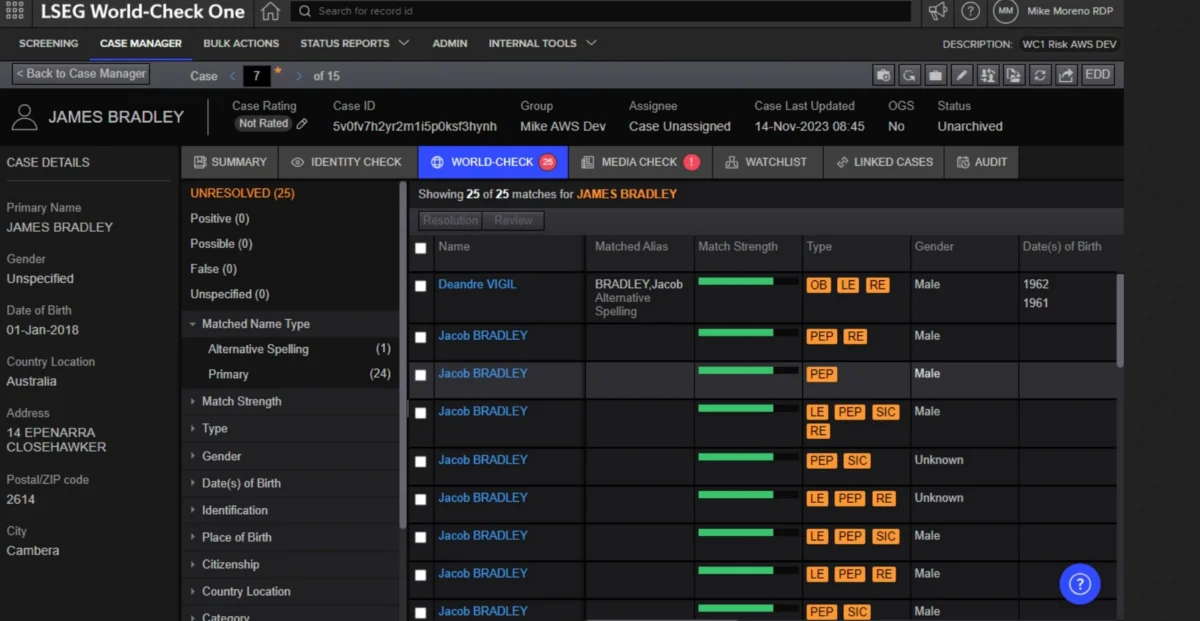
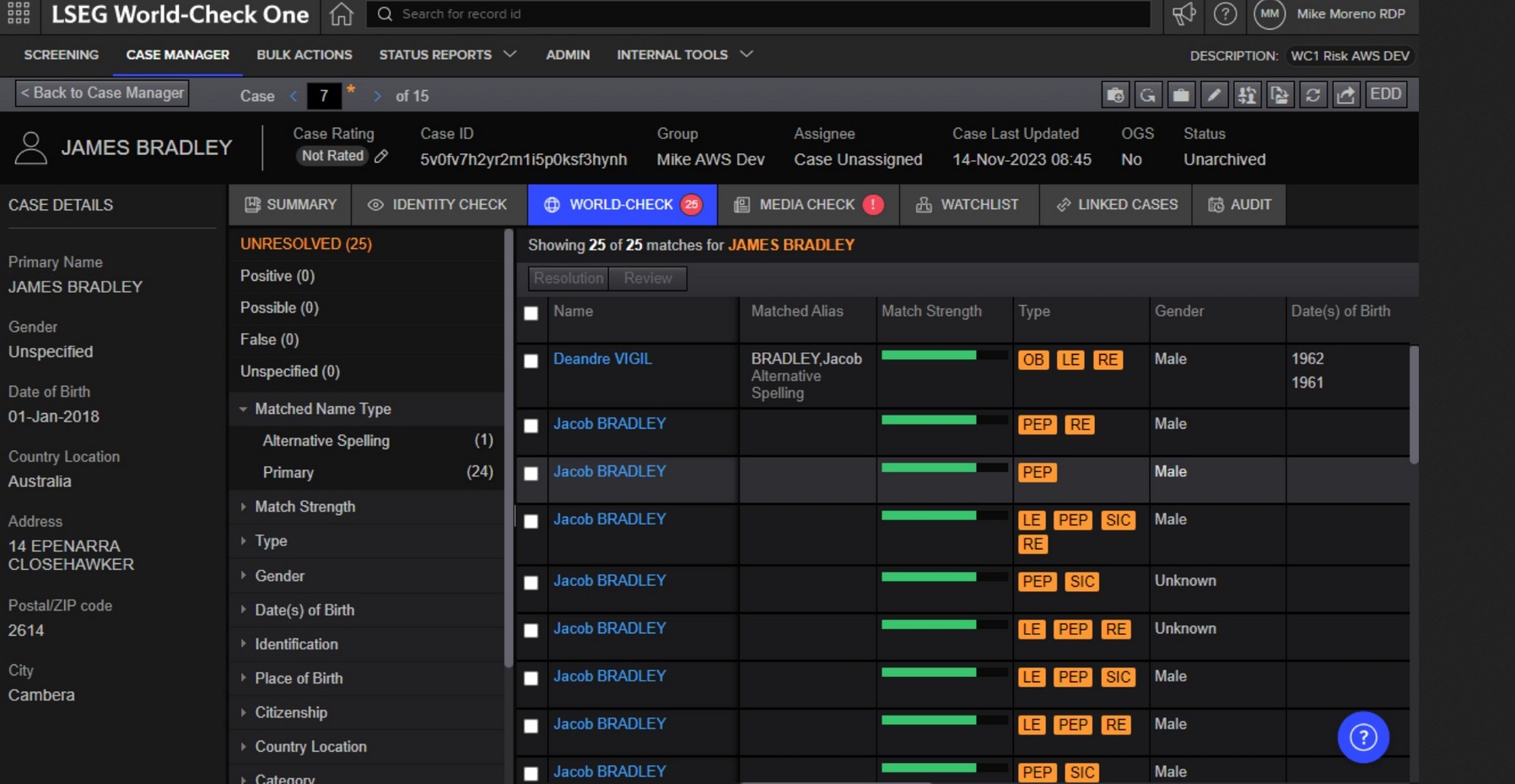
2. LSEG World-Check
World-Check, operated by the London Stock Exchange Group, remains one of the most widely used risk intelligence services globally. With a history of serving over 10,000 institutions, it has established itself as a bedrock for KYC (Know Your Customer) processes.
- Why it is a strong alternative: It offers historical data archiving that is vital for long-term customer lifecycle management.
- Key Features: Comprehensive screening against global sanctions, regulatory watch lists, and detailed profiles on entities involved in financial crime.
- Analysis: World-Check is particularly effective for multi-national corporations that require consistency in their compliance reporting across different legal jurisdictions.
3. LexisNexis Risk Solutions
LexisNexis differentiates itself through its vast, multi-layered data sets that include public records, credit data, and identity verification tools. Its entity resolution technology is capable of linking disparate data points to form a cohesive view of a customer’s risk profile.
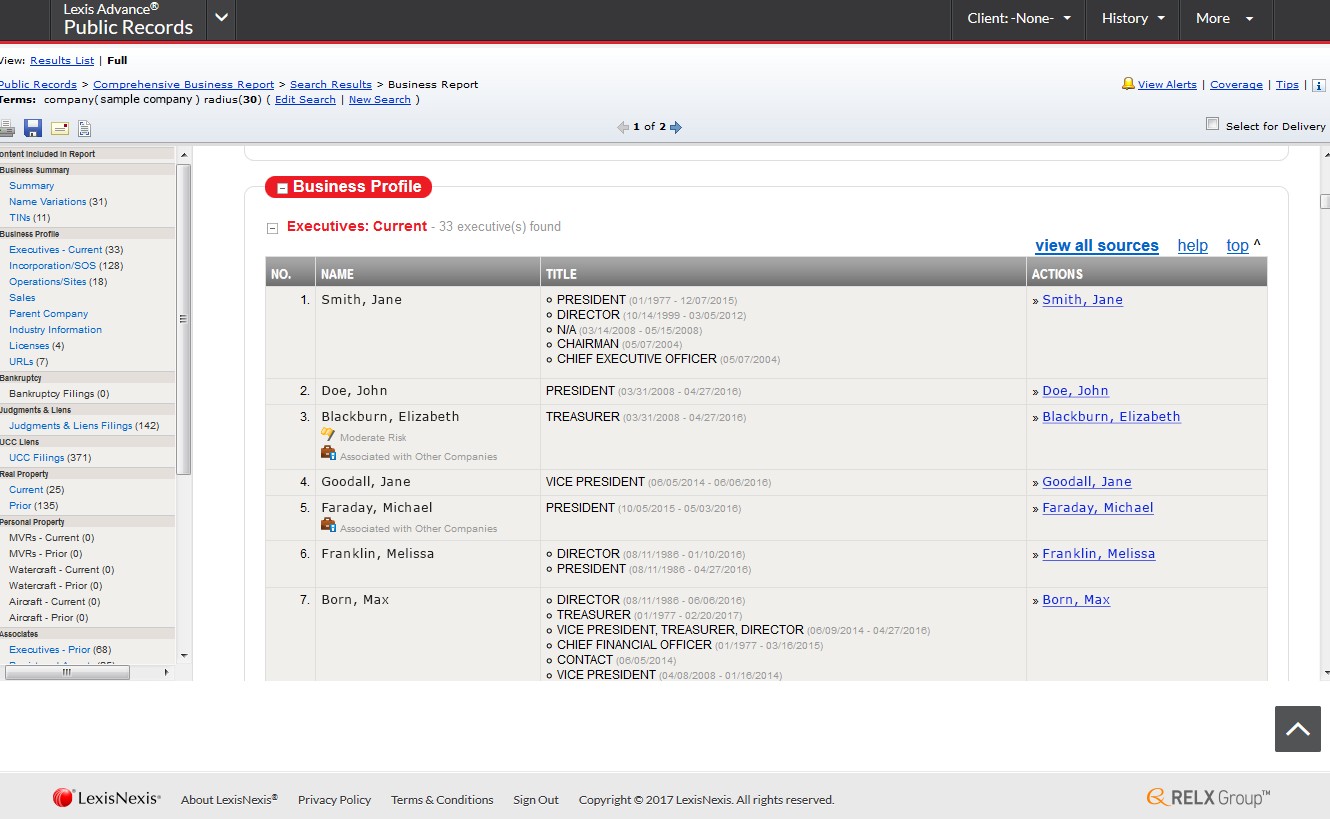
- Why it is a strong alternative: It excels in identity verification, making it a preferred choice for fintechs that need to balance onboarding speed with security.
- Key Features: Sophisticated entity resolution, REST API support for seamless integration, and advanced risk scoring.
- Analysis: LexisNexis is ideal for enterprises that manage the full customer lifecycle, as it integrates identity validation directly into the AML screening process.
4. NameScan
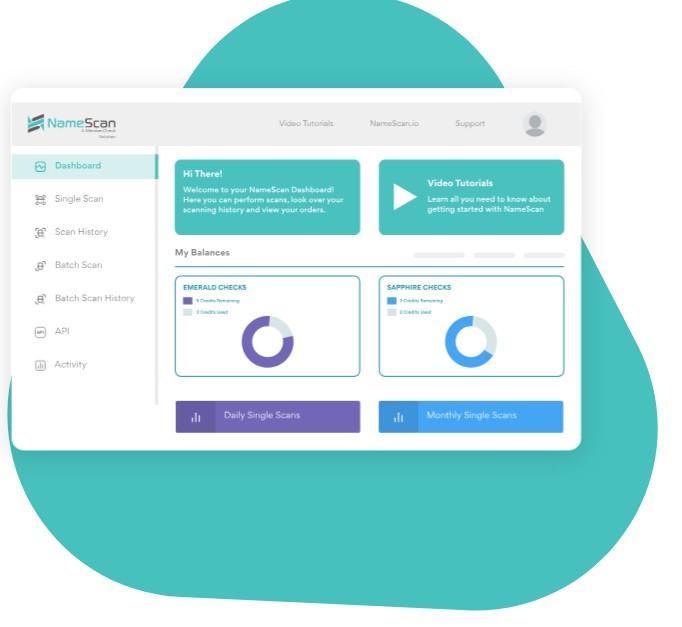
NameScan provides a pragmatic, cost-effective solution for small to medium-sized enterprises (SMEs) and boutique financial firms. It offers both a free tier for basic checks and a robust paid version for professional compliance.
- Why it is a strong alternative: It provides immediate access to updated global datasets without the high overhead costs of larger enterprise suites.
- Key Features: Manual and batch screening, flexible licensing models, and rapid deployment.
- Analysis: For startups in the initial stages of growth, NameScan provides the necessary regulatory coverage to satisfy local authorities without overwhelming the firm’s budget or technical resources.
5. GBG (Global Business Intelligence)
GBG distinguishes itself through its massive reach, serving 20,000 clients across 70+ countries. Their approach emphasizes the "frictionless" customer experience, ensuring that compliance does not impede user growth.
- Why it is a strong alternative: Superior localized data partnerships allow for better verification in emerging markets where traditional data sources are sparse.
- Key Features: Biometric identity verification, real-time AML screening, and modular, scalable API structures.
- Analysis: GBG is the preferred partner for digital-first companies that prioritize user experience and require a modular system that can grow with their international expansion.
6. Sanction Scanner
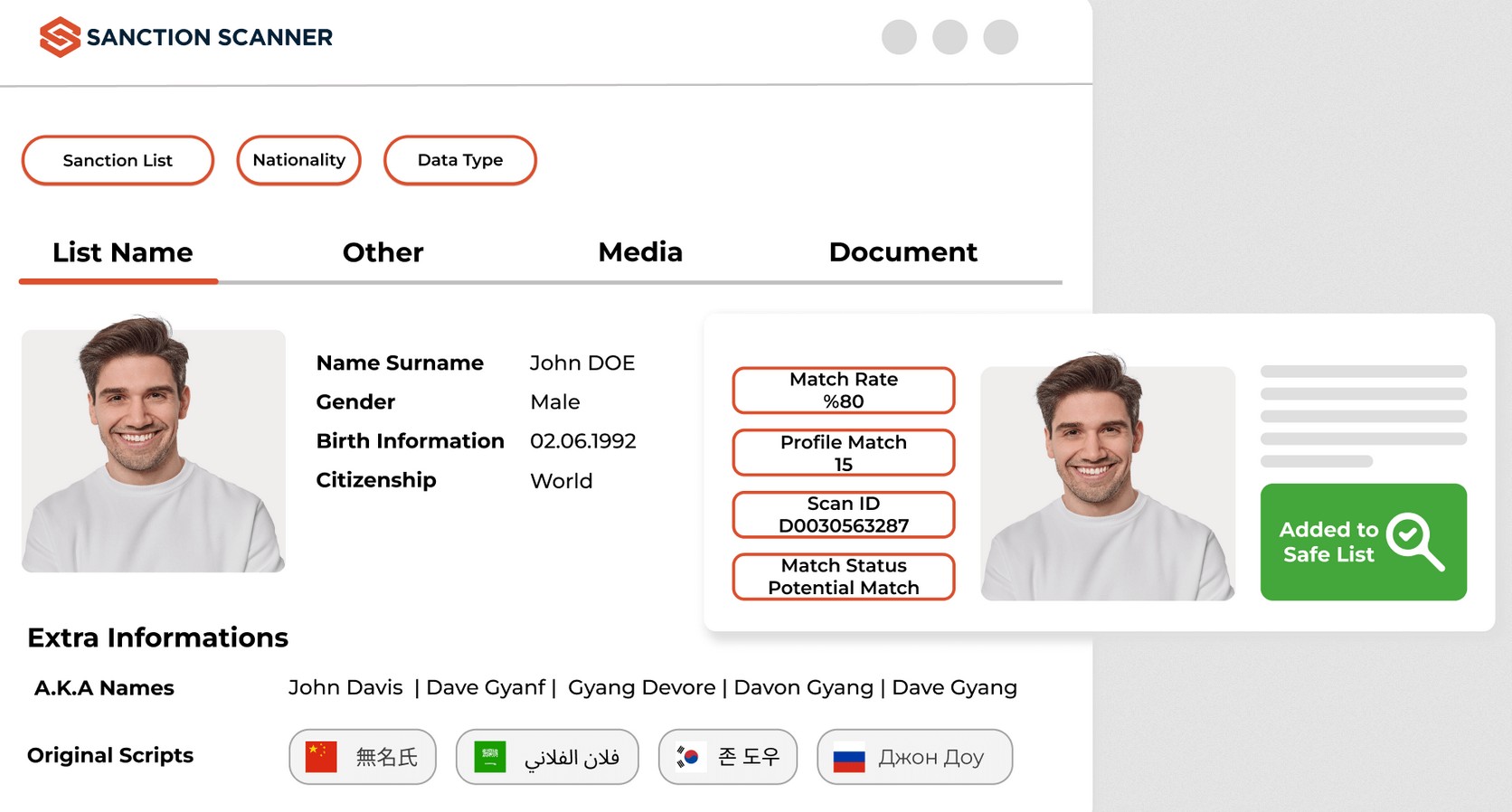
Designed with the specific needs of fast-growing fintechs in mind, Sanction Scanner simplifies the complexity of global compliance. It focuses on usability, ensuring that compliance officers can manage risk without needing a background in data science.
- Why it is a strong alternative: It provides a highly intuitive interface and automated risk scoring that adapts to the specific profession and income profile of the client.
- Key Features: Real-time monitoring across 3,000+ global lists and automated risk categorization.
- Analysis: Its ability to assign risk scores based on granular data—such as currency and country of origin—provides organizations with a proactive rather than reactive stance against financial crime.
7. Fenergo
Fenergo occupies the enterprise-grade niche, focusing on "Client Lifecycle Management" (CLM). It is less a simple screening tool and more an end-to-end regulatory platform.

- Why it is a strong alternative: It is specifically built for institutions with complex, layered entity structures that require deep audit trails and automated reporting.
- Key Features: Document management, regulatory workflow automation, and multi-jurisdictional compliance framework.
- Analysis: For global banks and large investment firms, Fenergo acts as a central nervous system for compliance, significantly reducing the operational friction associated with complex onboarding processes.
8. Napier
Napier utilizes AI to address the "false positive" crisis that plagues many compliance teams. By employing over 100 AML typologies, it ensures that alerts are meaningful and actionable.
- Why it is a strong alternative: Its "sandbox" environment allows teams to test new compliance rules against historical data before they go live, preventing system-wide errors.
- Key Features: Explainable AI (XAI), configurable scenarios, and intelligent alert management.
- Analysis: Napier is best suited for institutions that have matured beyond basic screening and now require the ability to fine-tune their detection logic to minimize operational fatigue.
9. NICE Actimize
NICE Actimize is widely regarded as a market leader for large-scale financial institutions. Its platform is robust enough to handle the sheer volume of billions of daily transactions, integrating market surveillance and fraud prevention into one interface.
- Why it is a strong alternative: It is the industry standard for large banks that operate under the most intense scrutiny from global regulators.
- Key Features: Unified platform for fraud and AML, advanced machine learning models, and extensive audit capabilities.
- Analysis: While it comes with a high barrier to entry in terms of cost and implementation, the scalability and reliability of NICE Actimize make it the choice for institutions where failure is not an option.
Broader Implications and Final Assessment
The choice of an AML provider is a strategic decision that carries long-term consequences. As financial crimes evolve, the industry is moving away from generic, one-size-fits-all tools toward specialized platforms that offer higher degrees of explainability, data accuracy, and integration flexibility.
When evaluating these options, organizations must consider their specific risk appetite, their geographic footprint, and their internal technical capability. Whether a firm chooses the high-touch, human-verified data of Dow Jones or the flexible, API-first approach of a startup-friendly tool like Sanction Scanner, the goal remains the same: to create a robust defense that protects the organization while maintaining the integrity of the global financial system. In 2025, the most successful firms will be those that view compliance not as a static, check-the-box activity, but as a dynamic component of their competitive advantage.