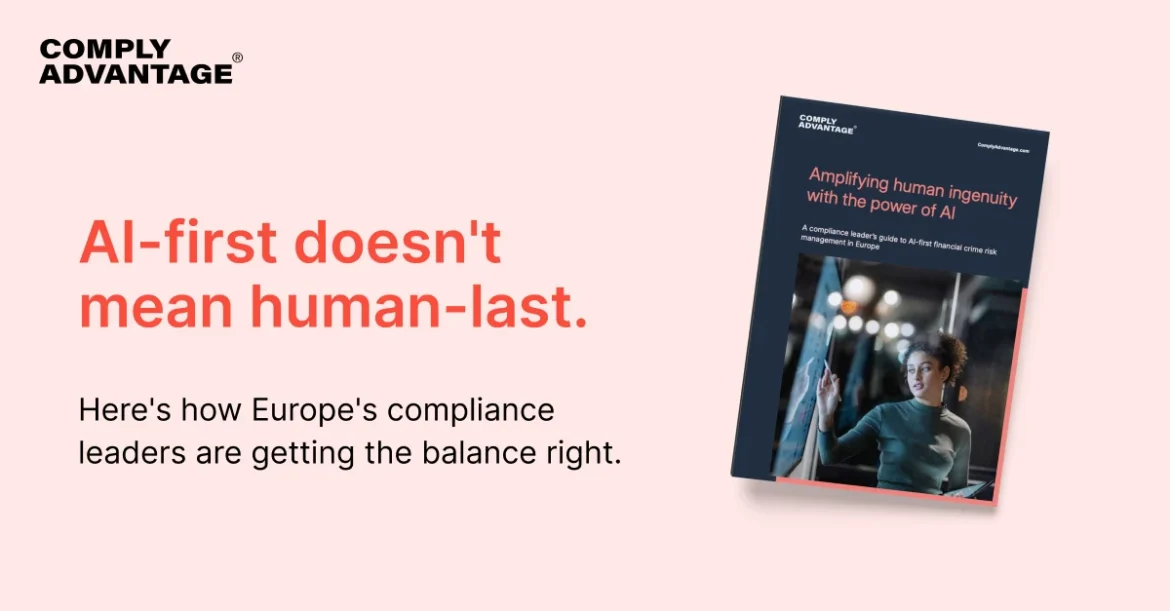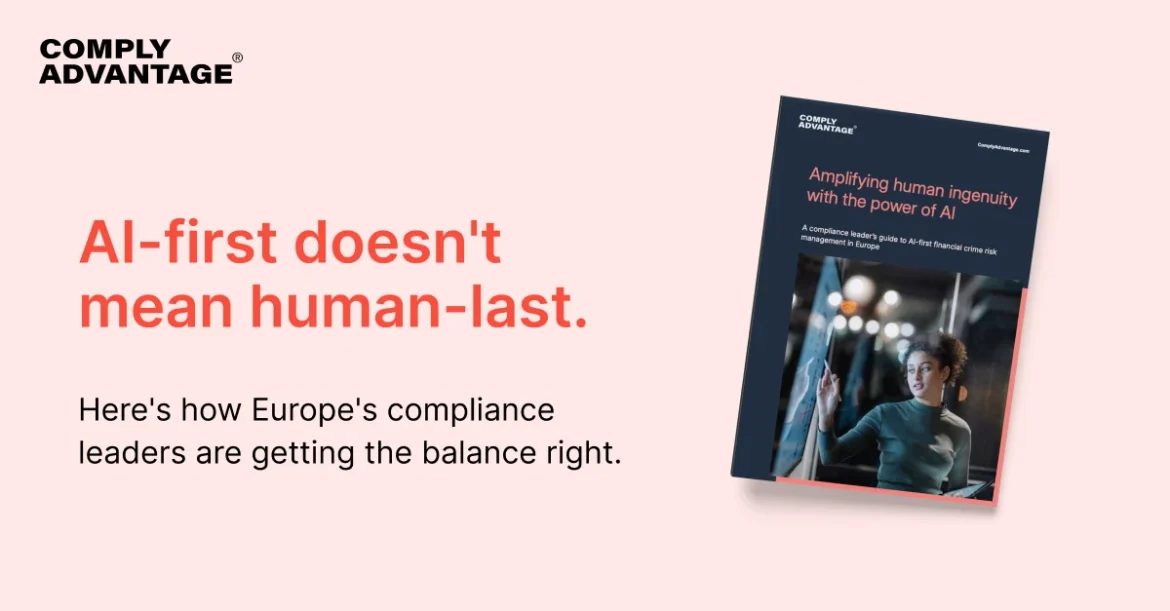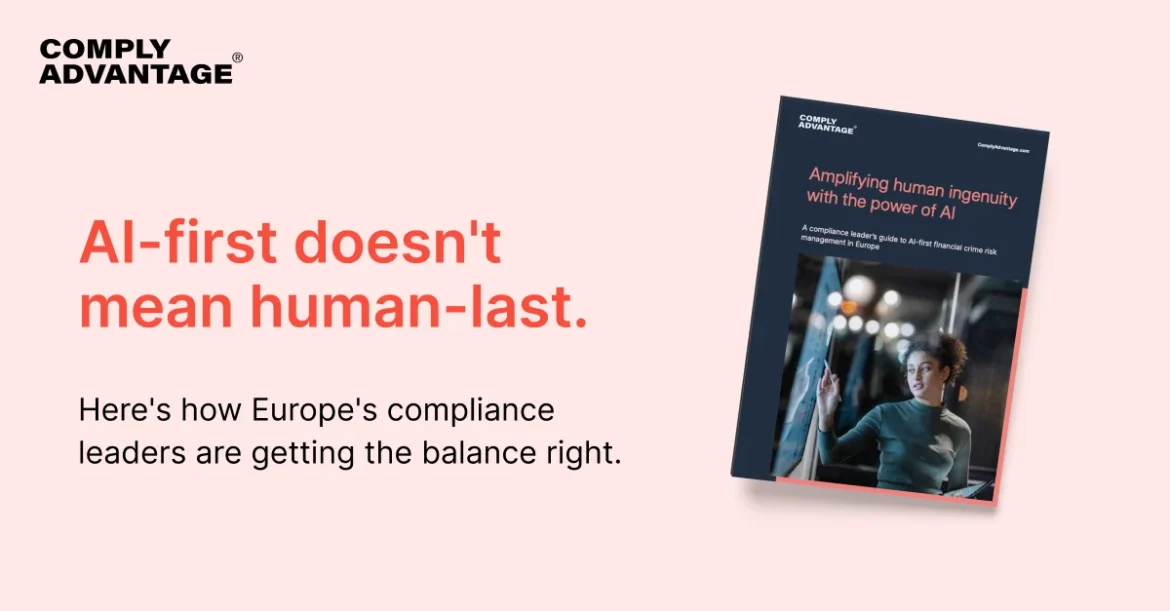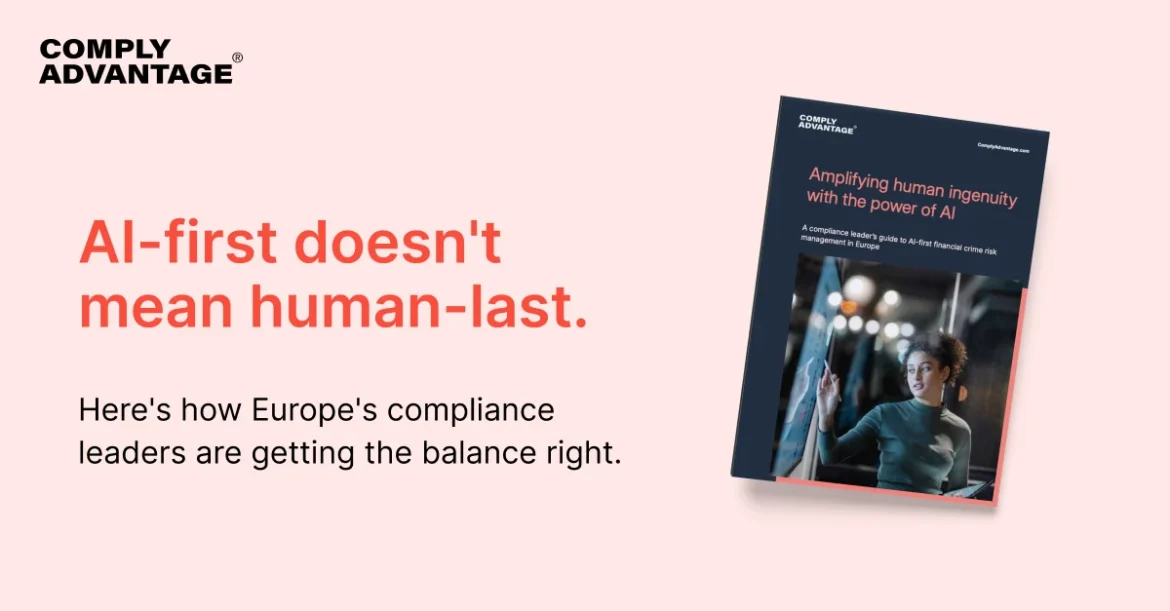
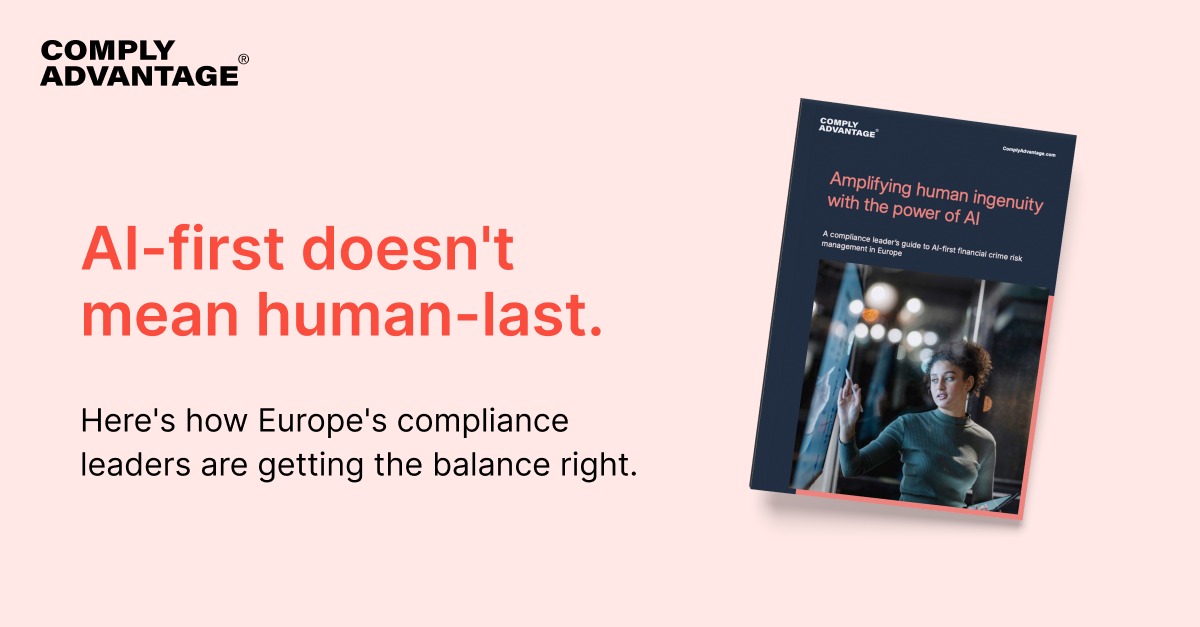
The global financial landscape is currently navigating a pivotal transformation as ComplyAdvantage, a leader in financial crime detection technology, releases its latest strategic guide aimed at redefining the intersection of artificial intelligence and human expertise. Developed from insights gathered at the Future of Compliance Europe summit, the report emphasizes that the integration of AI is no longer a peripheral procurement choice but a core design discipline essential for the survival of modern financial institutions. As criminal networks increasingly leverage sophisticated machine learning tools to bypass traditional security measures, the guide argues that the most effective defense lies in a hybrid model where AI scales operational capacity while human judgment remains the ultimate arbiter of risk.
The Dual-Edge Sword of Artificial Intelligence in Finance
The emergence of generative AI and large language models (LLMs) has initiated a technological arms race between illicit actors and compliance professionals. On one side of the spectrum, financial criminals are utilizing AI to automate and scale attacks at a velocity that renders legacy rule-based systems obsolete. These tactics include the creation of synthetic identities, the deployment of highly convincing deepfake audio and video for business email compromise (BEC) scams, and the use of automated bots to conduct high-frequency "smurfing" (breaking large sums of money into smaller transactions to avoid detection).
Conversely, compliance teams across Europe and North America are adopting AI to keep pace. The challenge, however, is not merely the adoption of the technology, but the methodology of its implementation. The new guide highlights a growing gap between institutions that view AI as a "plug-and-play" solution and those that treat it as a fundamental rethink of their risk management architecture. According to industry data, financial institutions that successfully integrate AI-driven screening and monitoring see a reduction in false positives by as much as 70%, allowing human analysts to focus their ingenuity on complex investigations rather than manual data entry.
Chronology of the AI Compliance Evolution
The path to the current AI-centric compliance environment has been marked by several key developmental phases over the last decade. Understanding this timeline is crucial for contextualizing the current urgency expressed at the Future of Compliance Europe summit.
- 2015–2018: The Era of Rule-Based Systems. Compliance was largely reactive, relying on static rules (e.g., flagging any transaction over $10,000). This led to a massive influx of false positives, often exceeding 95% of all alerts.
- 2019–2022: Initial Machine Learning Integration. Leading fintechs began experimenting with basic machine learning models to rank alerts by risk. This period saw the first significant shift toward "risk-based approaches" as advocated by the Financial Action Task Force (FATF).
- 2023–2024: The Generative AI Explosion. The public release of advanced LLMs provided criminals with the tools to craft sophisticated phishing campaigns and simulate realistic consumer behavior, forcing a rapid response from regtech providers.
- 2025–2026: The Shift to Design-First Compliance. As reflected in the current ComplyAdvantage guide, the industry has moved toward "Amplifying Human Ingenuity." The focus is now on explainable AI (XAI) and the integration of AI as a co-pilot for compliance officers rather than a replacement.
Supporting Data: The Rising Cost of Financial Crime
The necessity for AI-augmented compliance is underscored by the staggering economic impact of financial crime. According to the United Nations Office on Drugs and Crime (UNODC), it is estimated that between 2% and 5% of global GDP is laundered annually—amounting to nearly $2 trillion.
In Europe specifically, the cost of compliance has risen exponentially. A recent study indicated that European financial institutions spend over $130 billion annually on financial crime compliance. Despite this expenditure, the recovery rate of illicit assets remains below 1.1%. This discrepancy highlights the inefficiency of traditional methods and the imperative for AI to bridge the gap. By automating the "Know Your Customer" (KYC) and "Anti-Money Laundering" (AML) workflows, institutions can reallocate their budgets toward high-level strategic risk management.
Strategic Pillars: AI as a Design Discipline
The guide identifies four primary disciplines that distinguish high-performing compliance programs. These disciplines move away from the "black box" approach of the past and toward a transparent, human-centric model.
1. Explainability and Transparency
One of the greatest hurdles in AI adoption is the "black box" problem—the inability to explain how an AI reached a specific conclusion. In a regulatory environment, this is unacceptable. The new framework insists on "Explainable AI," where every automated decision is accompanied by a clear rationale that a human auditor can review. This ensures that when a suspicious activity report (SAR) is filed, the institution can defend its reasoning to regulators.
2. Data Integrity and Real-Time Intelligence
AI is only as effective as the data it consumes. The guide emphasizes the transition from batch processing to real-time data ingestion. In the modern era, sanctions lists and politically exposed persons (PEP) databases change by the hour. AI systems must be designed to absorb these updates instantaneously to prevent "slippage" where a sanctioned individual transacts before the system updates.
3. Human-in-the-Loop (HITL) Architecture
The core philosophy of the ComplyAdvantage guide is that AI should handle the "quantitative" (scanning billions of data points) while humans handle the "qualitative" (understanding the nuance of a specific business relationship). By keeping human judgment at the center, firms can avoid the pitfalls of algorithmic bias and ensure that ethical considerations are factored into risk assessments.
4. Scalability through Automation
As institutions grow, their risk surface expands. AI allows for "linear scaling," where the volume of transactions can increase tenfold without requiring a tenfold increase in compliance headcount. This scalability is vital for neobanks and payment processors operating on thin margins.
Official Responses and Industry Perspectives
The release of the guide has prompted reactions from various stakeholders within the European financial ecosystem. Regulatory bodies, while cautious, have expressed support for technologies that enhance the precision of AML efforts.
A spokesperson for a major European banking association noted, "The challenge for our members is balancing innovation with the strict requirements of the EU AI Act. We welcome frameworks that prioritize human oversight, as the ultimate legal responsibility for compliance cannot be delegated to an algorithm."
Similarly, technology advocates at the Future of Compliance summit argued that the "arms race" is currently tipped in favor of the criminals because they are not bound by the same ethical or regulatory constraints as banks. "Criminals are the ultimate early adopters," said one panelist. "To defeat them, compliance teams must be empowered with tools that are just as agile, but far more disciplined."
Regulatory Context: The EU AI Act and Beyond
The backdrop for this guide is the significant regulatory shift occurring within the European Union. The EU AI Act, the world’s first comprehensive AI law, categorizes certain AI applications in finance as "high-risk." This designation requires rigorous documentation, logging, and human oversight.
The ComplyAdvantage guide serves as a roadmap for navigating these regulations. By treating AI as a design discipline, firms can build "compliance by design," ensuring that their AI tools meet the transparency requirements of the EU AI Act from the outset. Furthermore, the establishment of the new EU Anti-Money Laundering Authority (AMLA) in Frankfurt signals a move toward more unified and stringent supervision, where AI-driven reporting will likely become the expected standard.
Broader Impact and Future Implications
The implications of "amplifying human ingenuity" through AI extend beyond simple efficiency gains. This shift represents a fundamental change in the professional identity of the compliance officer. No longer relegated to "box-ticking" and manual verification, the modern compliance professional is becoming a data-savvy risk strategist.
As AI takes over the repetitive aspects of the job, the demand for skills in data analysis, forensic accounting, and ethical reasoning is expected to surge. This transition could also lead to a more inclusive financial system. AI’s ability to analyze non-traditional data points may allow institutions to safely onboard "thin-file" customers who were previously rejected by rigid, legacy systems, thereby promoting financial inclusion without compromising on security.
In the long term, the success of AI in financial crime management will be measured not just by the number of alerts cleared, but by the systemic reduction in the ability of criminal organizations to move funds through the legitimate economy. The guide concludes that while AI provides the power, human ingenuity provides the purpose. Together, they form a formidable barrier against the evolving threats of the 21st century.
Conclusion
The release of the "Amplifying human ingenuity with the power of AI" guide marks a critical juncture for Europe’s financial sector. As the industry faces unprecedented pressure from both sophisticated criminal syndicates and rigorous regulatory bodies, the message is clear: AI is the essential lever for modern compliance, but it must be wielded with human-centric precision. By focusing on design, transparency, and the synergy between man and machine, financial institutions can move from a defensive posture to a proactive, intelligence-led strategy that protects both their assets and the integrity of the global financial system.