The silent danger lurking on the nation’s highways has been quantified in a sobering new analysis, revealing that animal-vehicle collisions represent a significant and persistent threat to public safety. According to a comprehensive report released by the AAA Foundation for Traffic Safety (AAAFTS), thousands of motorists are killed or injured annually due to encounters with wildlife on roadways. The study, which synthesized data from the United States Department of Transportation (DOT) crash databases between 2020 and 2024, paints a stark picture of a hazard that continues to plague rural corridors and high-speed thoroughfares alike.
Led by principal researcher Brian C. Tefft, alongside co-authors Ansley Kasha and Lin-Kuei Huang, the research team identified a consistent pattern of incidents that result in more than 350,000 crashes, nearly 50,000 injuries, and approximately 300 fatalities every year. These figures underscore a critical public safety challenge that often goes underreported in broader traffic safety discussions, which typically prioritize distracted driving or impaired operation.
A Chronology of Risk: The Seasonal and Geographic Breakdown
The data analysis reveals that the risk of an animal-related collision is not distributed evenly across the calendar or the map. The research indicates that these crashes are highly seasonal, showing a marked increase during the autumn months. The prevalence of these incidents peaks in November, a finding that correlates with the increased movement of deer during their mating season and the onset of earlier sunsets, which limit driver visibility.
Geographically, the Midwest and the Northeast regions of the United States were identified as the highest-risk zones for these encounters. The concentration of wildlife populations in these areas, coupled with expansive rural road networks, creates an environment where high-speed transit and animal migration paths frequently intersect. The study notes that most of these incidents occur on roads with speed limits of 45 miles per hour or higher, typically in rural settings where lighting is minimal or non-existent.
The Paradox of Evasive Action
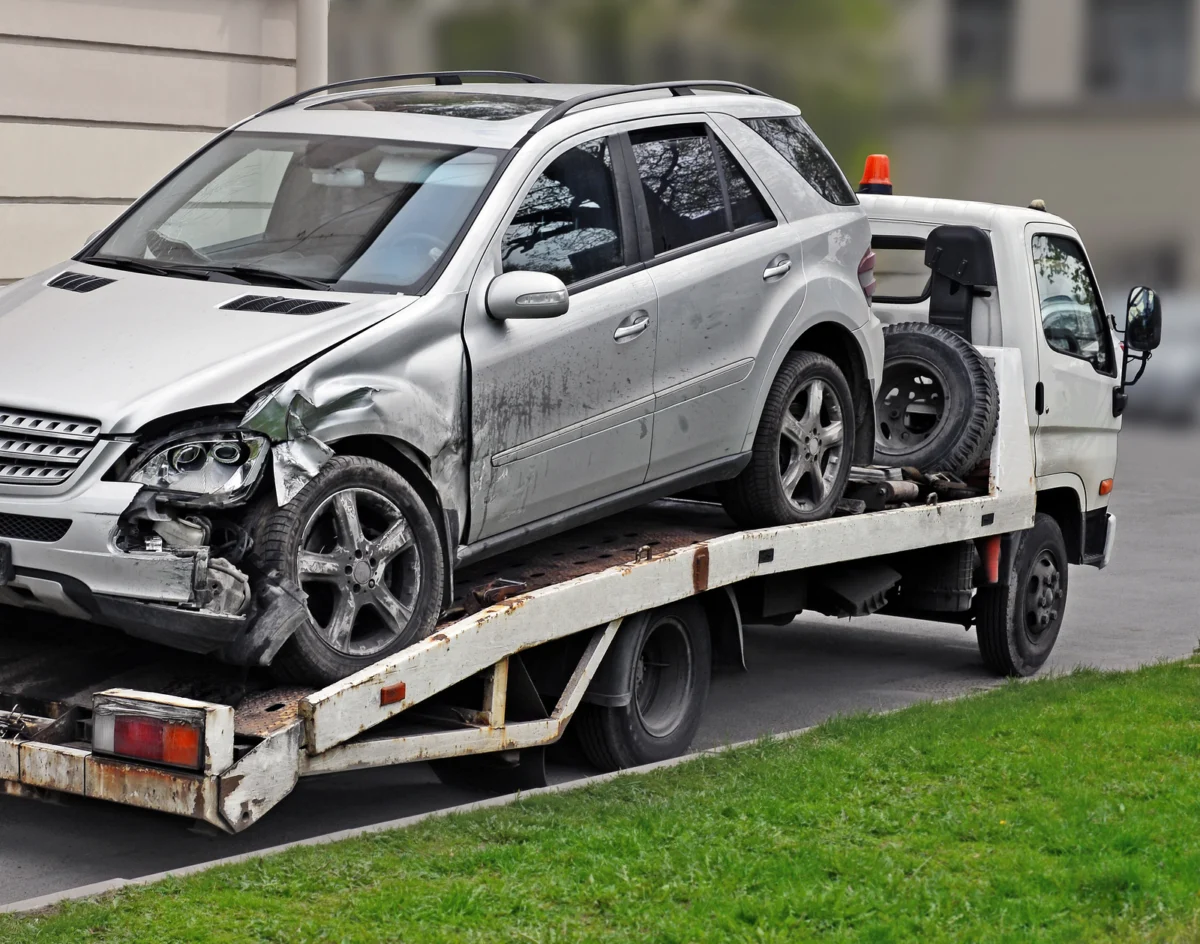
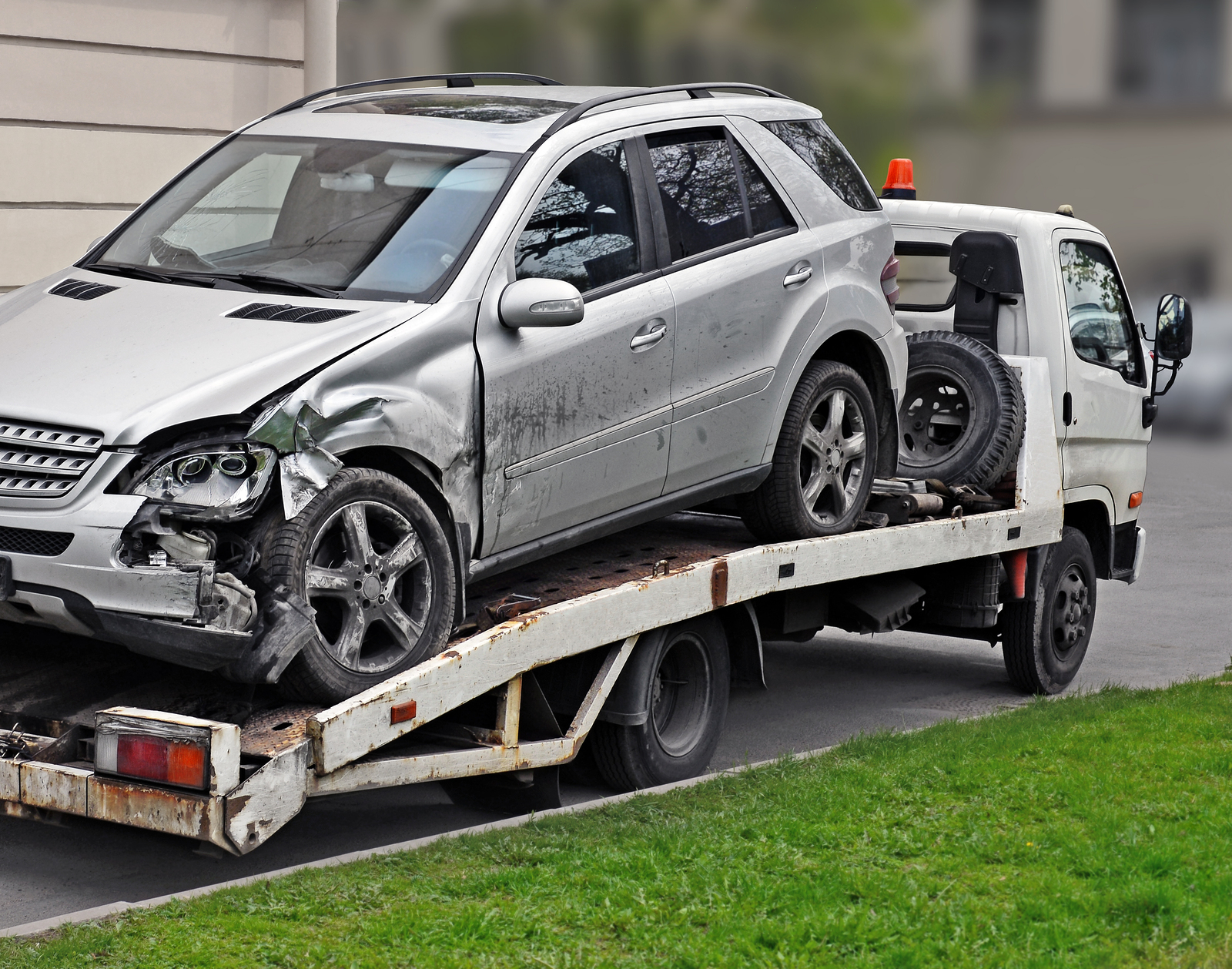
One of the most significant findings in the AAAFTS report concerns the physical outcomes of these crashes. The researchers discovered that in many instances where an animal-related crash resulted in a fatality, the death was not caused by the initial impact with the animal itself. Instead, the fatalities were more frequently the result of secondary events: the vehicle striking a stationary object such as a tree or utility pole, colliding with an oncoming vehicle, or rolling over.
This discovery highlights a dangerous paradox for drivers. When a motorist reacts instinctively by swerving or braking abruptly to avoid an animal, they often lose control of their vehicle or enter the path of other traffic. This suggests that the impulse to perform sudden evasive maneuvers may, in many scenarios, be far more hazardous than the collision with the animal itself. The report’s authors imply that, for many drivers, "staying the course" may be the safer option, though this guidance remains nuanced.
Limitations and the Complexity of Wildlife Encounters
While the AAAFTS report is the most comprehensive of its kind in recent years, it acknowledges specific limitations. Most notably, the study was unable to definitively categorize the species involved in each crash, as crash reporting standards vary significantly between jurisdictions. While the researchers suspect that deer account for the vast majority of these incidents, they caution that the advice to avoid swerving cannot be universally applied.
When a motorist encounters a much larger animal—such as a moose, elk, or bison—the dynamics of the crash change entirely. A collision with a large, heavy animal can cause catastrophic structural damage to a vehicle, often pushing the animal through the windshield or causing the vehicle to become unstable. In these cases, the risk of a fatality is exponentially higher. Therefore, while the "don’t swerve" rule is intended to prevent secondary crashes, drivers are encouraged to maintain vigilance and prioritize safe driving speeds, especially in known wildlife corridors where large mammals are present.
Vulnerable Road Users: The Motorcyclist Crisis
The report places a specific emphasis on the disproportionate risk faced by motorcyclists. While the vast majority of total injuries from animal-related crashes involve occupants of passenger cars and trucks, the fatality statistics tell a different story. Motorcyclists account for nearly 50 percent of all deaths resulting from these encounters.
The physical vulnerability of a motorcycle compared to a vehicle with a chassis, crumple zones, and airbags makes even a glancing blow with a small animal a potentially lethal event. The impact often leads to an immediate loss of control, throwing the rider from the bike at high speeds. This segment of the data serves as a grim reminder that for those on two wheels, the road-safety margin is razor-thin when wildlife is involved.
Implications for Public Policy and Infrastructure
The implications of this research extend beyond individual driver behavior; they reach into the realm of infrastructure investment and civil engineering. With 350,000 crashes occurring annually, the economic impact is profound, encompassing medical expenses, property damage, insurance premiums, and lost productivity.
Transportation experts and traffic safety advocates suggest that the findings should influence how state Departments of Transportation (DOTs) manage road design. Strategies that have shown success in other regions include the implementation of wildlife crossing structures—such as overpasses and underpasses—which allow animals to traverse busy roads without ever stepping onto the asphalt. Additionally, the strategic use of high-visibility signage, reduced speed limits in high-risk zones, and vegetation management—designed to give drivers a clearer line of sight into the treeline—could serve as essential tools in mitigating these risks.
The Role of Technological Advancement
In the era of modern automotive safety, technology is beginning to play a role in reducing the frequency of these collisions. Advanced Driver Assistance Systems (ADAS), including forward-collision warning and automatic emergency braking, are being refined to better detect large objects in the road, including animals. However, the report serves as a reminder that technology is not a panacea. Sensors can struggle in low-light conditions, heavy rain, or snow—the very conditions under which many of these crashes occur.
Furthermore, the AAAFTS report reinforces the necessity of driver education. Defensive driving courses have long taught that the most effective way to avoid an animal strike is to be aware of the environment, scan the sides of the road for reflective eyes, and adjust speed accordingly. The data from 2020 to 2024 confirms that speed is a critical variable; higher speeds reduce the time a driver has to react, and they increase the kinetic energy involved in a collision, thereby increasing the severity of the outcome.
A Call for Continued Vigilance
As the United States moves toward the end of the decade, the AAAFTS report provides a baseline for policymakers, vehicle manufacturers, and the general public to understand the scale of the challenge. The research suggests that while we may never be able to eliminate all human-wildlife conflicts on our roadways, we can certainly reduce the lethality of these encounters through a combination of better infrastructure, smarter vehicle technology, and a more calculated approach to emergency maneuvers.
The data underscores that safety is not merely about avoiding the collision; it is about managing the risks that follow. Whether it is a driver in a passenger car navigating a rural road at night or a motorcyclist on a scenic highway, the AAAFTS findings serve as a stark reminder: the environment outside the vehicle is an active, unpredictable participant in the safety of every journey. As motorists prepare for the coming seasons, the message from the research is clear—vigilance, reduced speed in known hotspots, and a cool-headed approach to sudden obstacles remain the best defenses against a danger that claims hundreds of lives each year.