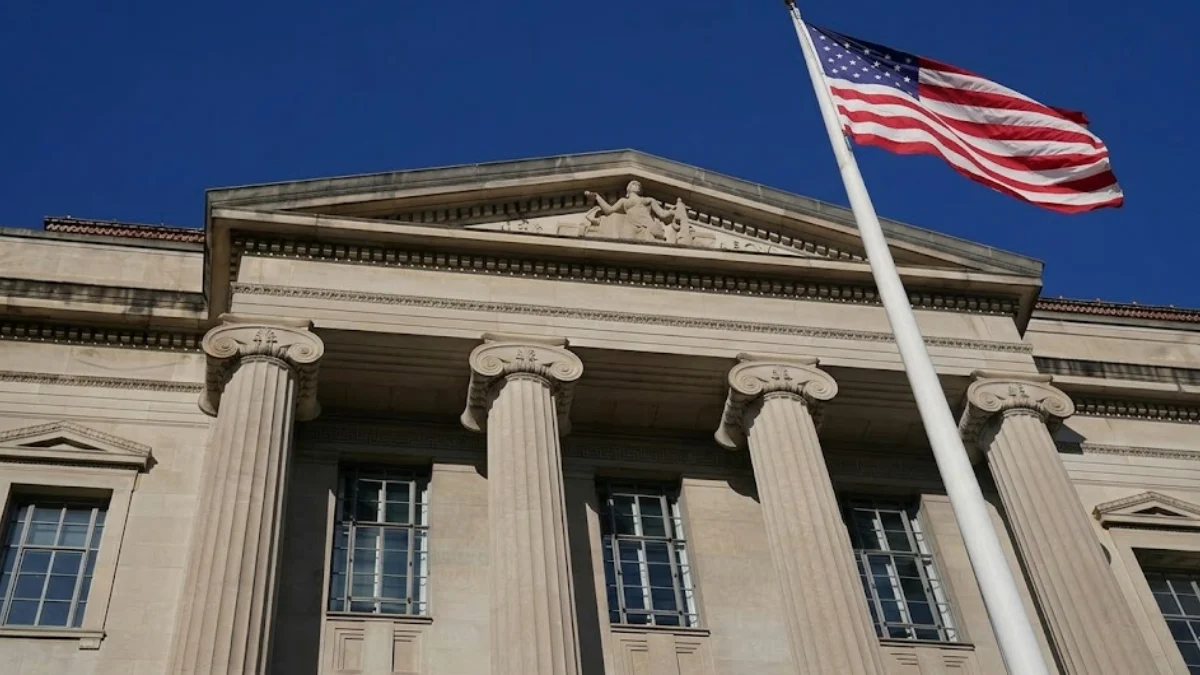
The U.S. Department of Justice, acting on behalf of the Environmental Protection Agency (EPA) and in coordination with the State of Kansas, has formally filed a legal complaint and a proposed consent decree to resolve a series of allegations against South Bow (USA) LP and South Bow Infrastructure Operations Inc. The legal action stems from a catastrophic 2022 rupture of the Keystone Pipeline in Washington County, Kansas, an event that resulted in one of the most significant inland oil spills in the United States over the last decade. As the primary owner and operator of the pipeline system, South Bow faces substantial financial penalties and mandatory operational overhauls designed to mitigate the environmental damage caused and to prevent future failures of this critical energy infrastructure.
On December 7, 2022, the Keystone Pipeline, a 2,687-mile system designed to transport crude oil from the oil sands of Alberta, Canada, to refineries in the Gulf Coast and the Midwest, suffered a major structural failure. The rupture occurred in a rural stretch of Washington County, Kansas, leading to the discharge of approximately 12,937 barrels of oil—equivalent to nearly 543,000 gallons. This massive volume of crude oil did not merely saturate the immediate soil; it flowed with significant velocity into Mill Creek, a vital local waterway. The scale of the spill created what federal authorities described as an "imminent and substantial threat" to both human health and the regional ecosystem, necessitating a massive, multi-agency emergency response that lasted for months.
Detailed Environmental Impact and Ecological Damage
The 2022 Keystone spill is distinguished not only by its volume but by the intensity of the contamination it left in its wake. According to the federal complaint, the crude oil discharge was so concentrated that it covered the surface of Mill Creek in a layer an inch thick, stretching bank-to-bank for approximately 3.5 miles downstream from the initial rupture site. This "blanketing" effect effectively choked the waterway, preventing oxygen exchange and rendering the aquatic environment uninhabitable for local species.
The ecological toll was devastating. Federal and state biologists confirmed that the spill impacted or killed more than 2,700 animals. This included a wide variety of local wildlife, ranging from fish and amphibians to birds and small mammals that rely on Mill Creek for hydration and habitat. Beyond the water itself, the oil residue contaminated approximately 35 acres of surrounding land, including sensitive vegetation and agricultural soil. The Kansas Department of Health and Environment was forced to issue a long-term stream advisory for Mill Creek, strictly prohibiting contact with the water by residents, livestock, and pets to prevent secondary poisoning and chemical exposure.
The cleanup process was an arduous undertaking. EPA Region 7 staff, alongside state officials and contractors, logged tens of thousands of hours in remediation efforts. The process involved the physical recovery of the oil, the dredging of contaminated sediments, and the continuous monitoring of water quality. While the visible oil has largely been removed, the long-term biological recovery of the creek remains a focus of ongoing environmental oversight.
Financial Penalties and Remediation Requirements
The proposed settlement filed in the U.S. District Court for the District of Kansas outlines a comprehensive financial and operational package intended to hold South Bow accountable. Under the terms of the consent decree, the company has agreed to pay a civil penalty of $26,867,789 for violations of the Clean Water Act. This penalty is one of the largest of its kind for an inland oil spill and serves as a deterrent to other pipeline operators regarding the necessity of rigorous infrastructure maintenance.
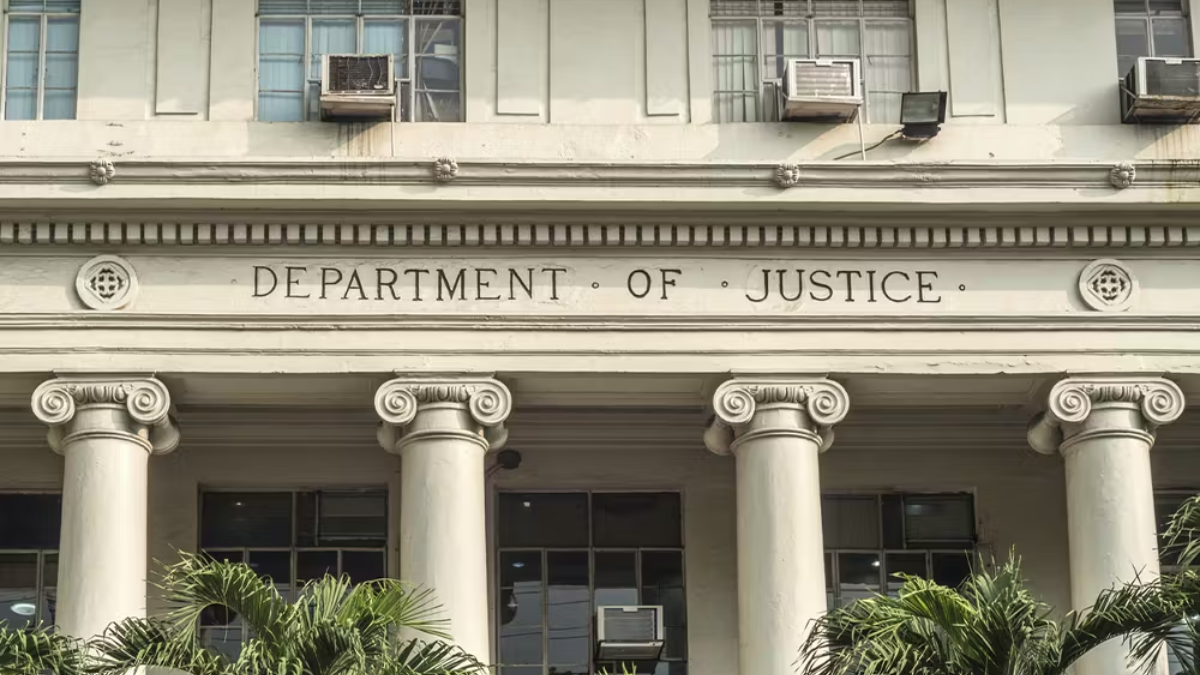
In addition to the federal civil penalty, South Bow is required to pay over $3 million to the State of Kansas. These funds are specifically earmarked for natural resource restoration projects intended to offset the damage done to the state’s ecosystems. This state-level settlement resolves separate violations of Kansas state laws and ensures that local environmental recovery projects receive the necessary funding to restore the biodiversity of Washington County.
Perhaps more significant than the fines are the "injunctive relief" measures included in the agreement. South Bow estimates it will spend approximately $40 million to implement a series of system-wide improvements. These measures are designed to enhance the integrity of the Keystone Pipeline and include:
- Advanced leak detection technology upgrades.
- More frequent internal inspections using high-tech "smart pigs" (robotic tools that travel through the pipeline to find cracks or thinning walls).
- Enhanced emergency response protocols to ensure that if a leak does occur, it can be isolated more rapidly than the 2022 event.
- Specific structural reinforcements in areas identified as having similar geological or technical risks to the Washington County site.
Chronology of the 2022 Keystone Pipeline Rupture
The events leading up to the December 2022 spill highlight the complexities of managing high-pressure oil infrastructure. The Keystone Pipeline system operates under a special permit that allows it to run at higher pressures than typical crude oil pipelines. While the company maintained that this was safe, the 2022 rupture raised serious questions about the long-term viability of such permits in varying geological conditions.
On the evening of December 7, 2022, sensors detected a drop in pressure in the section of the pipeline stretching from Steele City, Nebraska, to Cushing, Oklahoma. Although the system was shut down relatively quickly, the volume of oil already in transit meant that thousands of barrels continued to escape through the breach under immense residual pressure. By the time the leak was fully contained, the surrounding landscape had been transformed into an environmental disaster zone.
In the weeks following the spill, the Pipeline and Hazardous Materials Safety Administration (PHMSA) issued a corrective action order. Initial investigations suggested that a combination of factors, including "bending stress" on the pipe and a weld flaw, likely contributed to the fatigue and eventual failure of the steel. This specific segment of the pipeline had been in operation for roughly a decade, emphasizing that even relatively "new" infrastructure requires constant vigilance.
Official Statements and Regulatory Perspectives
The settlement has drawn significant commentary from high-ranking officials within the Justice Department and the EPA, all of whom emphasized the importance of corporate responsibility in the energy sector. Adam Gustafson, Principal Deputy Assistant Attorney General of the Justice Department’s Environment and Natural Resources Division (ENRD), noted that while pipelines remain a primary method for transporting energy resources, their safety is not guaranteed without proactive management. "However rare, when a pipeline leaks, it can quickly escalate," Gustafson stated. "That’s why an important part of this proposed settlement is the work the company has committed to do to help prevent future leaks."
Assistant Administrator Jeffrey A. Hall of the EPA’s Office of Enforcement and Compliance Assurance echoed these sentiments, highlighting the severity of the Kansas incident. "The oil spill blanketed land and water, rendering the waterway lifeless and useless," Hall said. He characterized the $26.8 million penalty as a direct reflection of the "seriousness of the environmental harm" and a signal that the government will prioritize pipeline integrity.

From the regional perspective, EPA Region 7 Administrator Jim Macy praised the collaborative effort between federal and state agencies. He noted that the settlement represents a "federal-state partnership commitment" to protecting the nation’s waters. For the people of Kansas, the settlement provides a sense of closure and a guarantee that the costs of the disaster will be borne by the operator rather than the taxpayers.
Broader Implications for the Energy Industry
The South Bow settlement arrives at a time of heightened scrutiny for the North American pipeline network. As the Keystone Pipeline continues to be a focal point of environmental and political debate, this specific enforcement action serves as a case study in the risks associated with transporting heavy crude oil across the "heartland" of the United States.
The transition of the pipeline’s management from TC Energy to the spun-off entity South Bow also marks a significant corporate shift. This legal resolution ensures that the liabilities of the 2022 spill remain with the infrastructure’s current operators, regardless of corporate restructuring. It sets a precedent that environmental accountability follows the asset.
Furthermore, the requirement for $40 million in safety upgrades underscores a shift in regulatory strategy. Rather than simply collecting fines, federal agencies are increasingly demanding "work-in-kind" that forces companies to modernize their safety culture. For the industry, this means that the "cost of doing business" now includes much higher standards for preventative maintenance and a transparent accounting of ecological risks.
Public Participation and Final Approval
The filing of the proposed consent decree is not the final step in the legal process. In accordance with Department of Justice policy, the settlement is now subject to a 30-day public comment period. This allows community members, environmental advocacy groups, and other stakeholders to review the terms of the agreement and submit their feedback to the U.S. District Court for the District of Kansas.
Following the comment period, the court will review the submissions and decide whether to grant final approval to the decree. If approved, the settlement will become a binding federal order, and the EPA will begin the rigorous process of monitoring South Bow’s compliance with the mandated safety upgrades. For the residents of Washington County, the hope is that this legal resolution marks the beginning of a new era of safety for the infrastructure that traverses their land, ensuring that the tragedy of the 2022 Mill Creek spill is never repeated.