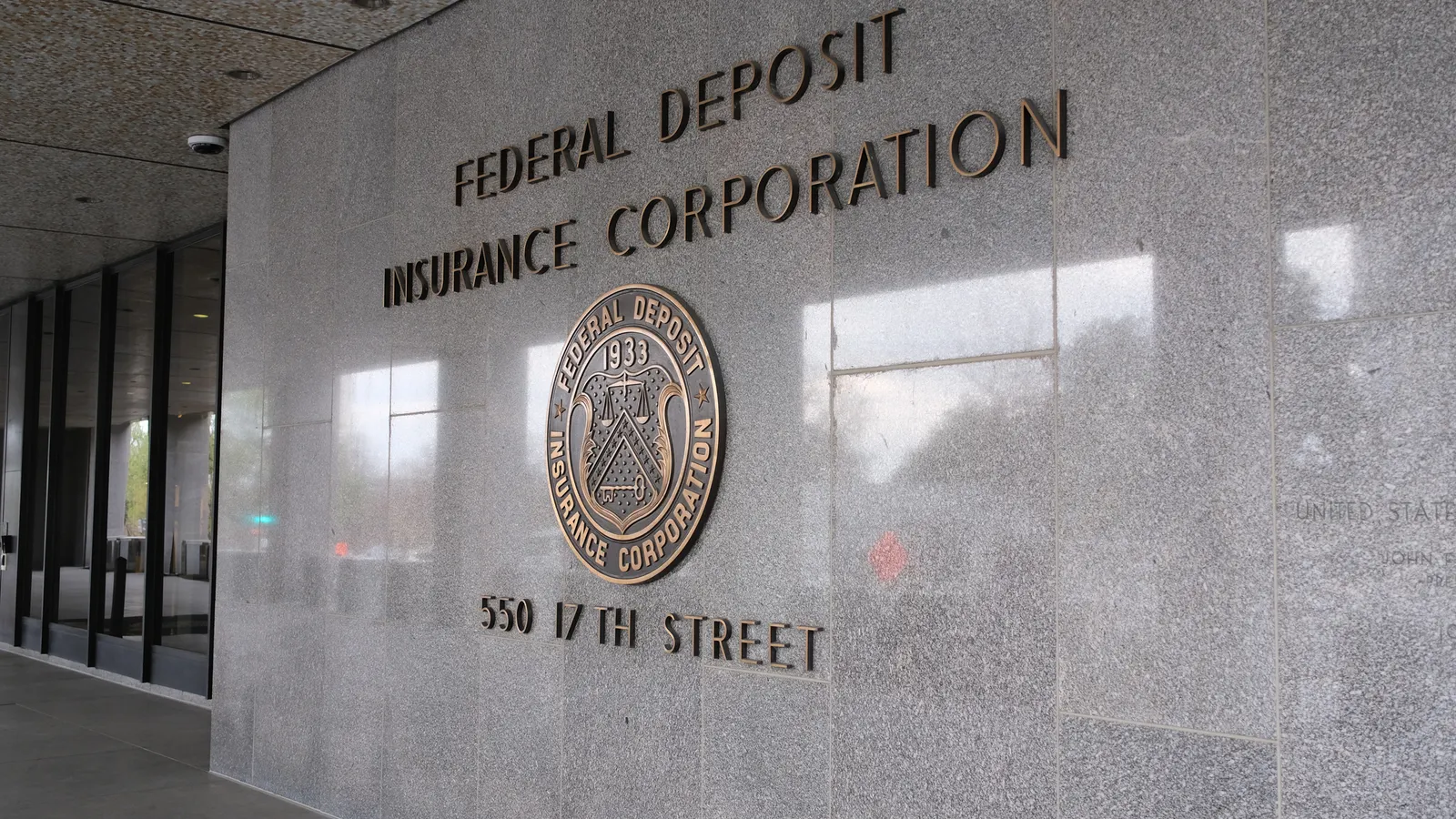
The Federal Deposit Insurance Corporation (FDIC) has officially approved the application submitted by subprime installment lender OneMain Financial for an industrial loan company (ILC) charter. Announced on Tuesday, the regulatory green light paves the way for the major consumer lender to establish its own banking subsidiary, tentatively named OneMain Bank, headquartered in West Valley City, Utah.
The approval represents a watershed moment for OneMain, shifting its corporate structure to include a chartered banking entity funded in part by insured deposits. However, the decision has also reignited intense debate surrounding the regulation of ILCs, the blending of commerce and banking, and OneMain’s historical compliance record regarding consumer finance practices.
Regulatory Conditions and Launch Timeline
Under the rigorous stipulations set by the FDIC, the newly formed industrial bank must launch with a minimum initial capitalization of $341 million. Furthermore, the institution is required to maintain a robust leverage ratio of at least 15% to ensure safety and soundness given the higher risk profile associated with nonprime consumer credit.
Concurrently, the Utah Department of Financial Institutions has granted approval for the state-chartered industrial bank. According to statements released by OneMain on Tuesday, the company intends to formally open its bank subsidiary in approximately one year, following the completion of necessary operational, technological, and compliance infrastructure.
Doug Shulman, Chair and Chief Executive Officer of OneMain, characterized the approvals as a pivotal milestone for the institution. He noted that the transition reflects both the operational strength the company has cultivated over decades and the trust earned from its customer base.
"For generations, OneMain has focused on understanding our customers’ needs and helping them access responsible financial solutions," Shulman stated. "OneMain Bank will further strengthen our financial foundation, enhance the resilience of our business, and position us to serve more customers for generations to come."
The Evolving Landscape of Industrial Loan Companies
The approval of OneMain’s ILC application occurs within a broader regulatory environment that has seen an uptick in such charter requests during President Donald Trump’s second term. Industrial loan companies are a unique category of state-chartered banks that can be owned by commercial or non-financial firms—an exemption from traditional bank holding company rules that often draws scrutiny.
In early 2025, FDIC Chair Travis Hill publicly highlighted ILCs as an instrumental mechanism to "
reestablish a meaningful pipeline of new entrants into the banking sector." Proponents argue that ILCs foster competition, encourage financial technology innovation, and provide alternative pathways for specialized lenders to access core banking infrastructure.
However, the ILC structure has long faced staunch opposition from traditional banking trade groups and consumer advocates. Critics argue that ILCs create a regulatory loophole by allowing commercial entities or specialized consumer lenders to operate banking operations without direct oversight from the Federal Reserve.
The Independent Community Bankers of America (ICBA) vocalized these concerns sharply in May, arguing that the setup "leav[es] a dangerous gap in safety and soundness oversight and introducing unnecessary systemic risk into the banking system."
A Contentious Chronology: From Application to Approval
OneMain’s path to securing the ILC charter has been marked by persistent resistance since the company formally submitted its application in March 2025. Almost immediately, consumer advocacy organizations mobilized to oppose the bid.
In June 2025, the National Community Reinvestment Coalition (NCRC) issued a scathing comment letter addressed to FDIC leadership and OneMain executives. The coalition argued that granting deposit insurance to OneMain would create an unacceptable mixture of commerce and high-risk consumer lending.
"The FDIC should be especially skeptical of industrial loan company charters in the high-risk consumer finance sector," the NCRC wrote in its opposition letter. "An ILC charter would allow OneMain to fund its lending operations with lower-cost, insured deposits instead of more expensive commercial funding or equity, significantly altering its risk profile."
Despite these objections, federal and state regulators ultimately moved forward with the approval, establishing strict capital adequacy and compliance boundaries to mitigate potential systemic and consumer protection risks.
Core Business Strategy and Deposit Structure
Upon commencing operations, OneMain Bank plans to center its financial services around core product offerings, including personal installment loans, auto financing, and credit cards.
According to FDIC disclosures, the institution’s upcoming personal loan portfolio will include both secured and unsecured lending products. Meanwhile, its credit card operations will be funded largely by brokered deposits. The agency also noted that OneMain Bank will maintain "a nominal amount of retail savings deposits" to satisfy baseline community banking functions.
By transitioning certain funding mechanisms to insured deposits, OneMain anticipates lowering its cost of capital compared to relying solely on commercial debt markets or equity financing.
Regulatory Scrutiny and Consumer Protection History
A central pillar of the opposition from groups like the NCRC stems from OneMain’s historical regulatory challenges and enforcement actions within the subprime lending sector. Consumer advocates point to past compliance failures as evidence that the company is unsuited for the privileges associated with a federally insured bank charter.
In 2023, the Consumer Financial Protection Bureau (CFPB) ordered OneMain to pay a $20 million financial penalty to resolve allegations that the company deceived borrowers into purchasing optional add-on products in order to secure their loans.
Nearly three years later, in a coordinated legal action, 13 state attorneys general filed a lawsuit against OneMain on strikingly similar grounds. The state regulators alleged that the lender misled vulnerable subprime customers by bundling high-interest credit insurance and other add-on products into loans without clearly disclosing the full cost impact to borrowers.
The NCRC argued in its regulatory filings that this documented "pattern of conduct… makes it unfit for an ILC charter," highlighting what it termed a "troubling pattern of consumer harm rooted in fundamental compliance failures." Furthermore, the coalition emphasized that nonprime lending portfolios are acutely vulnerable to broader economic downturns, noting that lower-income borrowers face significantly higher default risks during periods of macroeconomic stress.
To address these concerns, the FDIC issued explicit warnings to OneMain alongside its Tuesday approval. The regulatory agency stated that if the new bank engages in financing optional add-on products, it must strictly adhere to the prior CFPB administrative order or face immediate, severe regulatory escalation.
Community Reinvestment and Geographic Scope
Another prominent point of contention during the application review process involved compliance with the Community Reinvestment Act (CRA). Critics raised concerns over a potential "mismatch" in regulatory oversight, noting that while OneMain operates a nationwide lending footprint, its primary bank charter and physical banking operations would be anchored in Utah.
In response to these geographic and compliance hurdles, the FDIC mandated that OneMain must finalize and implement a specialized CRA Strategic Plan tailored specifically to its business model and operational footprint before the bank opens its doors. This plan will dictate how the institution fulfills its statutory obligations to meet the credit needs of the communities it serves.
Broader Implications for the Financial Sector
The approval of OneMain’s industrial loan charter marks a significant test case for modern banking regulation under the current administration. By permitting a major subprime installment lender to integrate insured deposit funding into its capital structure, regulators have signaled openness to specialized banking charters, provided that capital reserves and supervisory conditions are exceptionally stringent.
At the same time, the stringent 15% leverage ratio requirement and the direct warnings regarding historical consumer protection compliance underscore the heightened vigilance federal regulators intend to maintain over nonprime financial institutions. As OneMain proceeds with its one-year implementation timeline, financial analysts, consumer advocates, and traditional banking institutions will closely monitor whether the newly minted industrial bank can successfully balance commercial expansion with rigorous regulatory compliance.