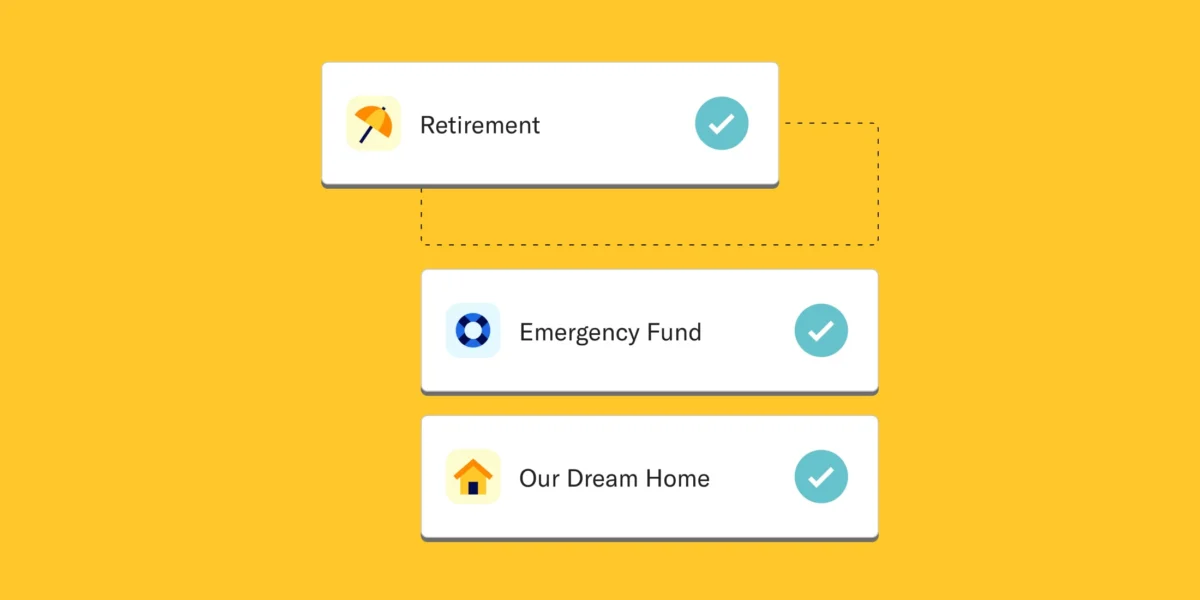
Betterment, a leading automated investing platform, has detailed its sophisticated approach to personalizing investment allocations, emphasizing how factors such as time horizon and goal type fundamentally shape recommended portfolio strategies. This methodology aims to empower users by aligning their investments with their unique financial aspirations, from major purchases and education to retirement and emergency preparedness. The platform’s strategy moves beyond a one-size-fits-all model, instead employing a dynamic "glidepath" that adjusts investment risk over time, a crucial feature for investors navigating market volatility and seeking to maximize their chances of achieving specific financial objectives.
Personalized Investment Strategies: The Core of Betterment’s Approach
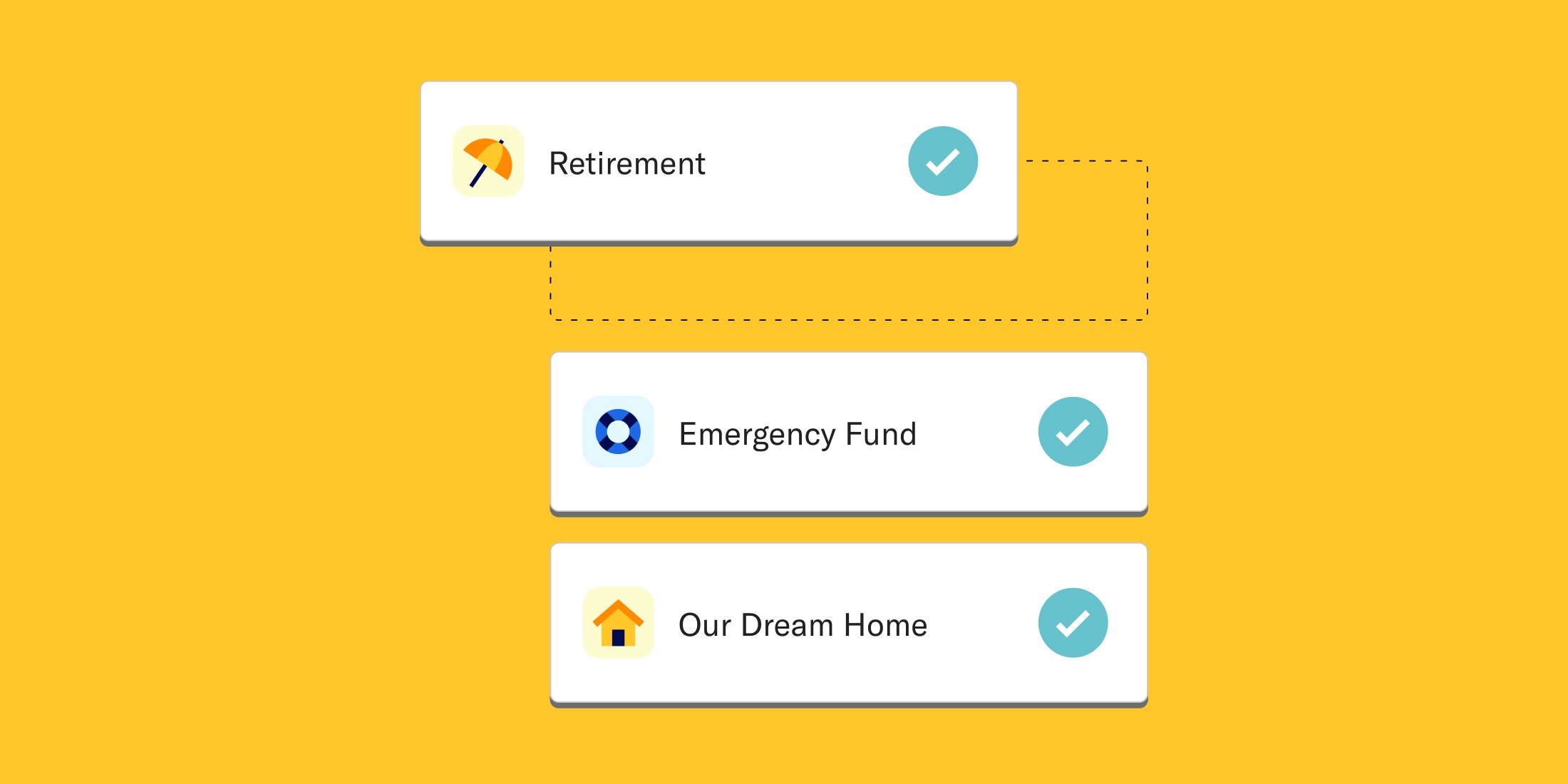
At the heart of Betterment’s investment philosophy is the creation of distinct investment goals. Upon signing up, users are prompted to define their savings objectives, specifying an anticipated time horizon and selecting a relevant goal type. This foundational step allows Betterment to construct a tailored investment strategy. The platform acknowledges that different goals necessitate different risk tolerances and withdrawal strategies. For instance, saving for a down payment on a house within five years requires a vastly different investment approach than planning for retirement decades down the line.
Betterment categorizes investment goals into several key types, each with its own set of recommended allocation ranges. These include:
- Major Purchase: For significant upcoming expenditures like a home or a vehicle.
- Education: For saving towards tuition fees or other educational expenses.
- Retirement: For long-term savings intended for life after full-time employment.
- Retirement Income: For individuals already in retirement or nearing it, focusing on generating consistent income.
- General Investing: For wealth accumulation with no immediate or specific end date.
Beyond these core investment goals, Betterment also offers specialized accounts for cash management through its Cash Reserve offering and for cryptocurrency investments via its Crypto ETF portfolio. However, the allocation advice methodology discussed pertains specifically to the traditional investment goals, excluding these specialized offerings.
The Crucial Role of Time Horizon and Goal Type
The anticipated time horizon and the chosen goal type are paramount in informing Betterment’s recommended investment allocation. They signal to the platform not only when the user plans to access the funds but also how they intend to withdraw them. A goal requiring full, immediate liquidation for a large purchase, such as a wedding or a car, will be managed differently than a retirement goal that anticipates partial, periodic withdrawals over many years.
An exception to this rule is the Emergency Fund. By its very nature, an emergency fund does not have a predictable time horizon. Unexpected expenses can arise at any moment. While Betterment assigns a notional time horizon for initial savings and deposit guidance, this figure does not influence the recommended investment allocation for the emergency fund itself. This is a deliberate design choice, acknowledging the paramount importance of capital preservation and immediate accessibility in such situations. Betterment maintains a minimal operational cash allocation within automated investing portfolios across taxable accounts, Health Savings Accounts (HSAs), and Individual Retirement Accounts (IRAs) to ensure liquidity, with further details available in specific portfolio disclosures.
For all other investment goals, Betterment’s allocation recommendations are the product of a sophisticated analytical process. The platform projects a wide spectrum of potential market outcomes and then averages the risk level that has historically delivered the best performance within the 5th to 50th percentiles. This approach aims to balance growth potential with a prudent management of downside risk.
Navigating the Glidepath: A Dynamic Approach to Risk Management
Betterment’s investment strategy for most goals is characterized by a "glidepath." This is a pre-defined, gradual adjustment of the recommended investment allocation over time, becoming more conservative as the goal’s deadline approaches. This dynamic adjustment is a cornerstone of risk management, aiming to protect accumulated gains and reduce exposure to market volatility as the withdrawal date nears.
The accompanying table illustrates the general ranges of recommended investment allocations for various goal types, excluding emergency funds:
| Goal Type | Most Aggressive Recommended Allocation | Most Conservative Recommended Allocation |
|---|---|---|
| Major Purchase | 90% stocks (33+ years) | 0% stocks (time horizon reached) |
| Education | 90% stocks (33+ years) | 0% stocks (time horizon reached) |
| Retirement | 90% stocks (20+ years until retirement age) | 56% stocks (retirement age reached) |
| Retirement Income | 56% stocks (24+ years remaining life expectancy) | 30% stocks (9 years or less remaining life expectancy) |
| General Investing | 90% stocks (20+ years) | 56% stocks (time horizon reached) |
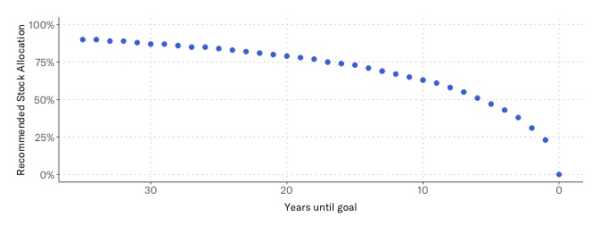
As the table clearly demonstrates, a longer time horizon generally correlates with a more aggressive investment allocation, characterized by a higher percentage of stocks. Conversely, shorter time horizons lead to more conservative allocations, with a greater emphasis on less volatile assets like bonds. This principle is visually represented by the glidepath graphs provided by Betterment for different goal categories.
Glidepath Visualizations: Understanding the Journey
Major Purchase and Education Goals: The glidepath for these goals typically shows a steep decline in stock allocation as the target date approaches. This is because the expectation is for a full liquidation of the investment. For very short time horizons, the allocation may approach zero risk, ensuring the funds are available without being subject to significant market fluctuations.
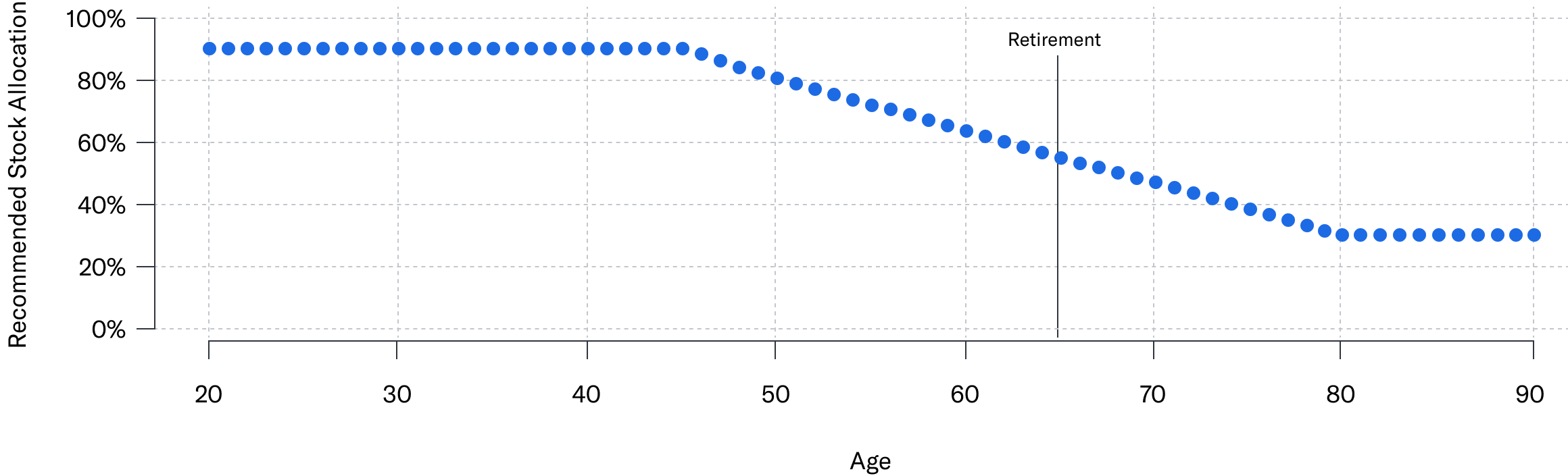
Retirement and Retirement Income Goals: The glidepath for retirement-focused goals is generally smoother and more extended. For retirement goals, the allocation may remain at a higher risk level even as the individual reaches retirement age, reflecting the expectation of drawing down funds over many years. The Retirement Income glidepath is even more nuanced, designed to provide a consistent income stream throughout potentially decades of retirement, often involving a strategic blend of growth and income-generating assets. A hypothetical illustration for a client retiring at age 65 and living until 90 might show a gradual shift from aggressive growth to a more balanced or income-focused portfolio. It is crucial to note that such illustrations are hypothetical and do not guarantee future performance, as actual results can vary significantly due to market fluctuations and individual account activity.
General Investing Goals: The glidepath for general investing goals mirrors that of retirement in its long-term outlook, allowing for a more aggressive stance over extended periods for wealth accumulation. As the time horizon nears its end (or a predetermined liquidation date), the allocation becomes more conservative.
The "Auto-Adjust" Feature: Seamlessly Managing Risk
Betterment offers an "auto-adjust" feature designed to automatically manage the risk level of a goal’s allocation, becoming more conservative as the investment timeline nears its conclusion. This feature implements incremental changes to the risk level, creating a smooth glidepath.
The auto-adjust functionality is available for investment goals with an associated time horizon, excluding Emergency Funds, the Target Income portfolio managed with BlackRock, and the Goldman Sachs Tax-Smart Bonds portfolio. It applies to various Betterment portfolio options, including the Core portfolio, SRI portfolios, Innovation Technology portfolio, Value Tilt portfolio, and the Goldman Sachs Smart Beta portfolio. Users can opt to enable this feature when they accept Betterment’s recommended allocation. The system employs both reactive and proactive rebalancing techniques to ensure the portfolio’s allocation remains aligned with the intended glidepath.
Risk Tolerance: Empowering User Choice
While Betterment provides recommendations based on "risk capacity"—the financial resilience a goal can withstand based on its timeline and liquidation strategy—it acknowledges that individual risk tolerance can vary. The platform offers an interactive slider that allows users to adjust their asset allocation (the mix of stocks versus bonds) until they find a balance that aligns with their comfort level for potential growth and potential drawdowns.
Betterment categorizes risk tolerance into five distinct levels, allowing users to personalize their investment journey further:
- Conservative: Prioritizes capital preservation with minimal exposure to market volatility.
- Moderately Conservative: A slight increase in risk for potentially modest growth, still emphasizing stability.
- Moderate: A balanced approach, seeking reasonable growth with a controlled level of risk.
- Moderately Aggressive: Leans towards higher growth potential, accepting a greater degree of market fluctuation.
- Aggressive: Aims for maximum growth potential, with a willingness to tolerate significant market swings.
This feature empowers users to take an active role in their investment strategy, ensuring they are comfortable with the level of risk they are undertaking to achieve their financial objectives. By combining data-driven allocation models with individual user input on risk tolerance, Betterment aims to provide a comprehensive and personalized investment experience. The platform’s commitment to transparency regarding its allocation methodologies, coupled with its user-centric tools, positions it as a significant player in the evolving landscape of digital financial advice. The integration of these features underscores a broader trend in fintech towards hyper-personalization and intelligent automation designed to make sophisticated investment strategies accessible to a wider audience.