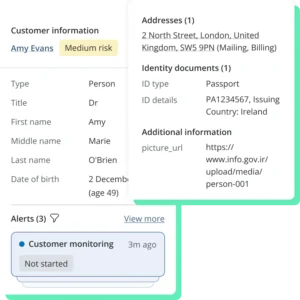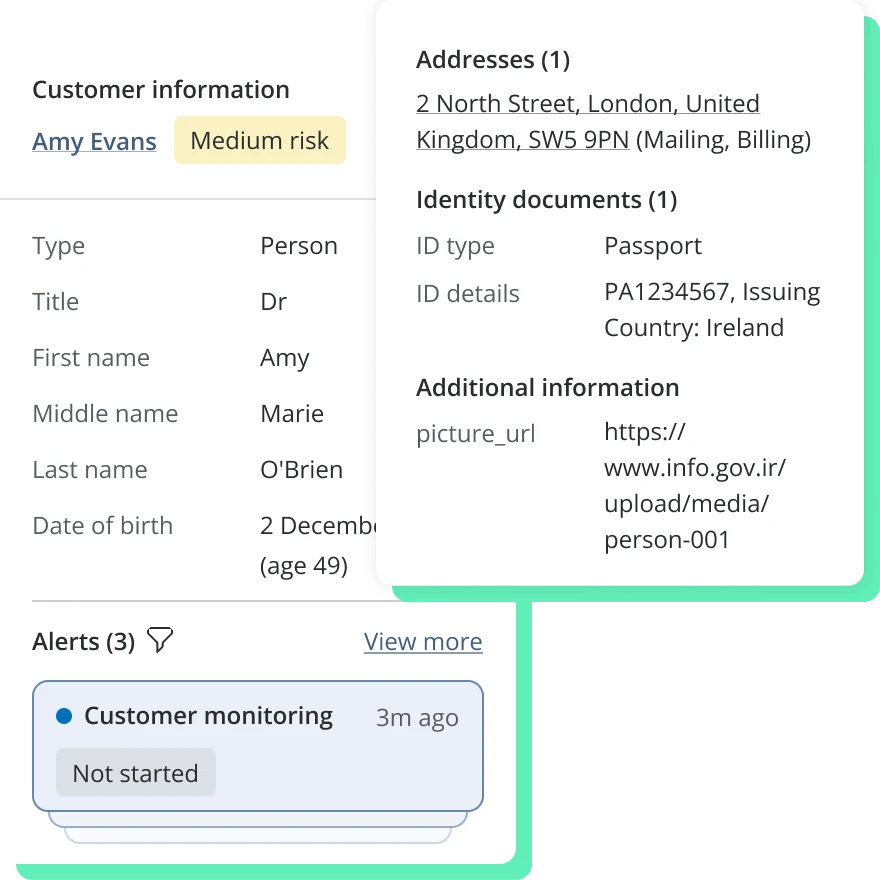
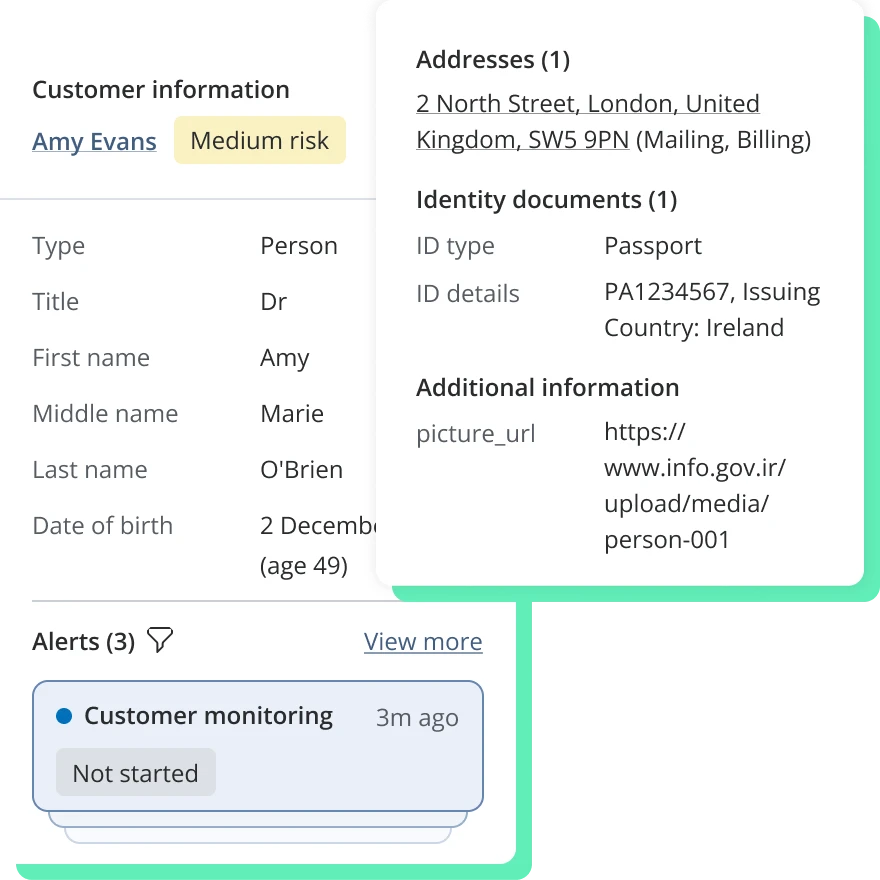
The legal sector is facing an unprecedented era of regulatory scrutiny. As law firms navigate increasingly complex global sanctions regimes and anti-money laundering (AML) mandates, the burden of proof has shifted from passive awareness to proactive, continuous verification. To address this, ComplyAdvantage has launched its specialized Starter Plan, a platform engineered to provide small-to-mid-sized legal firms with enterprise-grade risk intelligence. By integrating real-time screening for investors, corporate clients, and ultimate beneficial owners (UBOs) against global sanctions and politically exposed person (PEP) lists, the platform seeks to standardize compliance workflows that were once the exclusive domain of large financial institutions.
The Evolving Landscape of Regulatory Compliance
The backdrop for this technological shift is a tightening global regulatory environment. In the last decade, authorities in the European Union, the United Kingdom, and the United States have ramped up enforcement actions against "gatekeepers"—a term increasingly applied to lawyers, accountants, and trust service providers who may inadvertently facilitate financial crimes. The Financial Action Task Force (FATF) has repeatedly emphasized that law firms are prime targets for money launderers looking to move illicit funds through real estate, shell companies, or complex trust structures.
Previously, law firms relied on manual research and fragmented data sources, which often led to "compliance fatigue" and, more dangerously, significant gaps in oversight. The ComplyAdvantage Starter Plan emerges as a direct response to this, offering a centralized digital environment that allows firms to monitor between 100 and 2,000 entities. The goal is to provide a "single source of truth" that remains audit-ready, ensuring that every screening decision—whether it is a simple background check or a deep dive into corporate hierarchy—leaves a permanent, defensible trail for regulators.
Chronology and Operational Integration
The introduction of the Starter Plan marks a significant maturation in the "compliance-as-a-service" market. For years, boutique law firms struggled to find a middle ground between costly, bespoke enterprise software and insufficient manual checks. The rollout of this plan follows a multi-year trend of AI-driven compliance adoption.
In early 2025, the industry began to see the rise of "agentic" workflows—systems that do not just flag data but actively participate in the decision-making process. The ComplyAdvantage platform utilizes this technology to automate the resolution of routine alerts. According to company data, these agents can resolve up to 85% of standard alerts autonomously. This is a critical development because it allows junior associates and compliance officers to focus their human capital on complex, high-risk cases rather than wading through administrative noise.
Technical Architecture and Risk Intelligence
At the heart of the platform is a database of over 25 million entities. The system’s speed—characterized by sub-second response times—is designed to match the fast-paced nature of legal transactions. When a firm begins the client onboarding process, the platform screens the individual or entity against global sanctions and watchlists. If an entity is owned or controlled by a sanctioned party, the system flags the connection immediately.
The "Agentic" component, which is available as a premium add-on, represents a leap in efficiency. These AI agents are built to review cases, identify risks, and execute predefined actions, such as clearing low-risk profiles, without human intervention. Crucially, this does not remove human oversight; rather, it creates a structured environment where every automated action is logged. This provides a "paper trail" that satisfies the most stringent regulatory audits, as firms can demonstrate exactly what logic the AI used to clear or flag a specific entity.
Financial Implications and Accessibility
The move to tiered pricing models, starting at $99 per month for annual subscribers, reflects a democratized approach to risk management. Historically, compliance software required long-term, high-cost enterprise contracts that were inaccessible to firms with fewer than 50 employees.
The pricing structure is designed to be transparent:
- Essential Plan: Provides core screening and monitoring, starting at $99/month (billed annually).
- Agentic Plan: Incorporates AI-driven automation, with monthly costs scaling based on the volume of monitored entities (e.g., up to 2,000 entities for $479/year).
By offering a clear path from a low-volume starter package to an enterprise-level, high-volume contract, ComplyAdvantage is positioning its software to grow alongside the firms that use it. This scalability is a key requirement for firms that handle fluctuating caseloads or are looking to expand their international practice areas.
Industry Feedback and Case Studies
Early adopters, such as the financial services firm AUSIEX, have highlighted the platform’s intuitive design as a major advantage. According to a spokesperson for the firm’s financial crime compliance team, the transition to this system was driven by the need for "quality and flexibility." The ability to scale the service as the business evolves is cited as a primary factor in selecting the platform over legacy competitors.
For law firms, the value proposition is similar: the platform acts as a force multiplier. By automating the "boring" parts of compliance—the initial screening and ongoing monitoring—firms can protect their reputations and minimize the risk of being caught in a regulatory crossfire.
Analytical Outlook: The Future of Compliance
The broader implication of this technological integration is that compliance is no longer a "back-office" cost center but a competitive advantage. Firms that can demonstrate, via a transparent and robust audit trail, that they have exercised high levels of due diligence are more attractive to high-net-worth clients and institutional partners.
However, the shift toward AI-led compliance is not without risks. Regulators remain cautious about the "black box" nature of some machine-learning models. ComplyAdvantage has sought to mitigate this by ensuring that all AI decisions are back-tested against thousands of historical human-made decisions. This approach of "human-in-the-loop" AI ensures that while the computer does the heavy lifting, the final accountability remains with the legal professionals.
Addressing the Compliance Gap
The FAQs surrounding the platform’s rollout reveal a focus on clarity and security. A recurring question from potential users concerns the "Agentic" workflows: Will they replace human oversight? The response from the industry and the developers is a clear "no." The tools are designed to assist, not replace. The configuration of these agents is currently standardized, ensuring that firms operate within a proven regulatory framework.
Furthermore, the technical security of the platform, with its native integration rather than third-party overlays, offers a level of data integrity that is vital for law firms bound by strict attorney-client privilege. Because the data resides within a unified, secure system, the risk of data leakage—often a concern when using multiple, disparate compliance tools—is significantly reduced.
Conclusion
As the regulatory net tightens globally, law firms can no longer afford to treat compliance as an afterthought. The launch of the ComplyAdvantage Starter Plan signals that the tools necessary to stay ahead of these regulations are now within reach of the wider legal market. By leveraging AI to manage, monitor, and defend against financial crime, firms can focus on their primary objective: providing high-quality legal advice without the lingering fear of regulatory failure. The future of the legal industry will be defined by those who can successfully marry human expertise with automated intelligence, and platforms like these are providing the foundation for that transition.