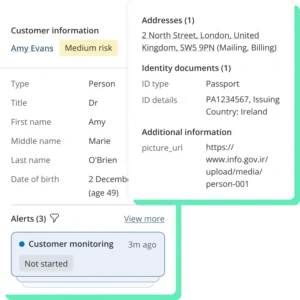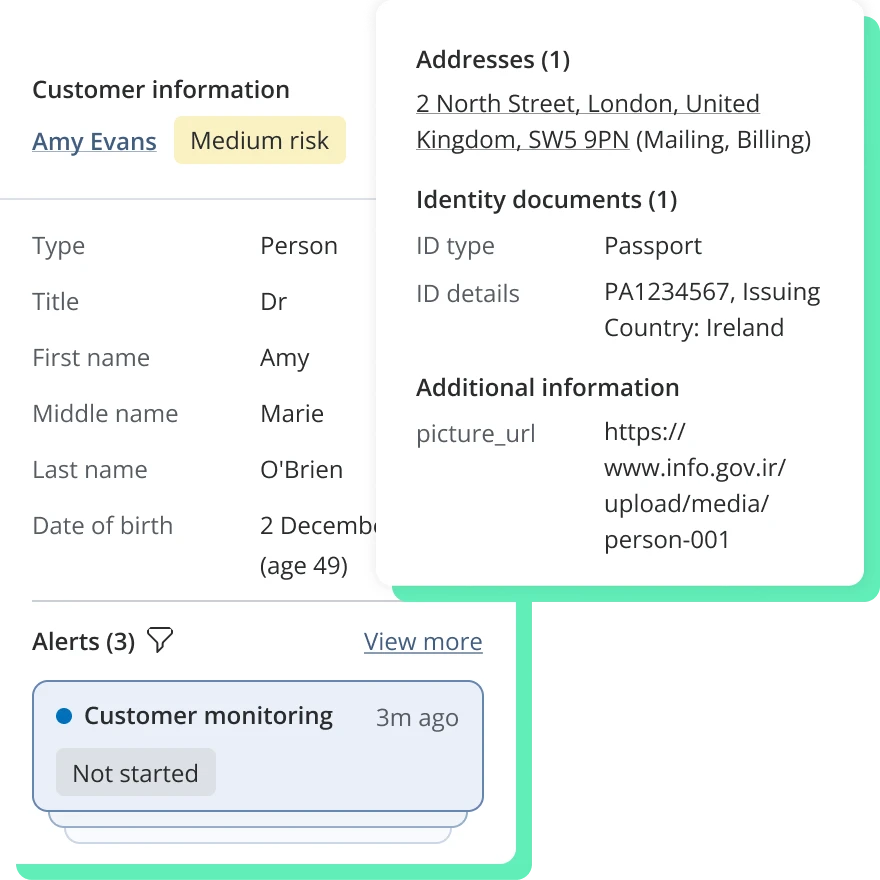
In the rapidly evolving landscape of global finance, forex brokers face an increasingly complex regulatory environment. As international authorities tighten anti-money laundering (AML) and counter-terrorist financing (CTF) frameworks, the pressure on financial institutions to maintain impeccable compliance records has reached an all-time high. To address these systemic challenges, ComplyAdvantage has introduced its specialized Starter Plan, a solution engineered to provide small-to-mid-sized forex brokers with enterprise-grade risk intelligence and automated screening capabilities.
The launch of this platform marks a significant shift in how firms with between 100 and 2,000 entities manage their regulatory obligations. By integrating real-time data on sanctions, watchlists, adverse media, and politically exposed persons (PEPs), the platform allows brokers to automate the verification process, ensuring that every onboarding decision is backed by an audit-ready trail.
The Regulatory Imperative for Forex Brokers
Forex brokers occupy a unique position in the financial ecosystem. Because they facilitate high-volume, cross-border transactions, they are frequently targeted by bad actors looking to obfuscate the origin of illicit funds. Regulatory bodies such as the Financial Action Task Force (FATF) have consistently emphasized that financial institutions must conduct thorough due diligence, not only on individual clients but also on corporate entities and their ultimate beneficial owners (UBOs).
Historically, smaller brokerage firms struggled to balance the need for rigorous compliance with the necessity of maintaining a frictionless user experience. Manual screening processes are not only prone to human error but are also increasingly incapable of keeping pace with the sub-second requirements of modern digital trading. The ComplyAdvantage Starter Plan seeks to bridge this gap by utilizing a proprietary risk database that draws from over 25 million entities, allowing for immediate risk identification at the point of account creation.
Evolution of Risk Management Technology
The trajectory of compliance technology has moved from static, batch-processed lists to dynamic, agentic workflows. In the early 2010s, firms relied on legacy systems that required frequent manual updates and often resulted in high false-positive rates. This "noise" forced compliance teams to spend an inordinate amount of time investigating benign alerts, detracting from the analysis of high-risk activity.
By 2025, the industry witnessed the rise of "agentic AI"—autonomous software agents capable of reviewing cases, synthesizing data from multiple sources, and making preliminary decisions. ComplyAdvantage has integrated this technology into its new offering, enabling brokers to resolve up to 85% of routine compliance alerts without human intervention. This shift represents a fundamental change in labor allocation within financial firms, allowing compliance officers to transition from administrative gatekeepers to strategic risk analysts.
Strategic Implications and Data Analysis
The financial burden of non-compliance is substantial. Beyond the threat of heavy regulatory fines, institutions face severe reputational damage and the potential revocation of operating licenses. According to recent market analysis, the global AML software market is projected to grow significantly as firms look to replace legacy, on-premise systems with cloud-native, API-first solutions.
The pricing structure of the new Starter Plan reflects the scalability required by modern firms. By offering tiers ranging from 100 to 2,000 monitored entities, the platform accommodates the growth trajectory of startups and scaling brokers. For instance, the transition from manual monthly billing to an annual subscription model can yield a 20% cost reduction, a critical factor for firms operating with tight margins in the competitive forex sector.
Technical Infrastructure: The Role of the Mesh
Central to the effectiveness of this solution is the "Mesh" architecture, which allows for the native integration of AI into the screening workflow. Unlike third-party overlays that act as an additional layer of latency, a native integration ensures that risk data is processed in real-time. This is particularly vital for UBO screening, where the corporate structure of a client might be intentionally obscured across multiple jurisdictions.
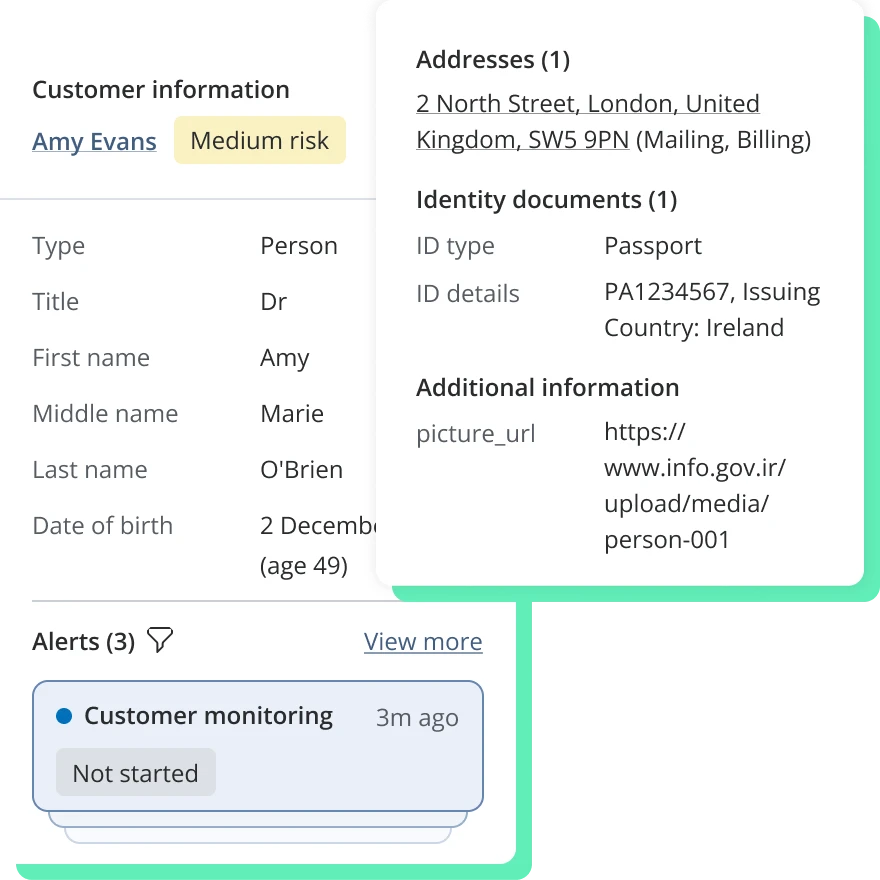
The system’s ability to perform "ongoing monitoring" is equally critical. In the past, firms conducted periodic reviews—often on an annual basis. However, in the current risk climate, a customer who is considered "low risk" today could be subject to sanctions tomorrow. Continuous monitoring ensures that the risk status of an entity is updated the moment new adverse media or watchlist entries appear, providing a proactive rather than reactive defense.
Industry Feedback and Institutional Adoption
Early adopters of these high-quality, flexible compliance platforms have noted a marked improvement in both operational efficiency and audit performance. AUSIEX, a notable financial services entity, has pointed to the intuitive nature of such platforms as a primary driver for adoption. For compliance managers, the value lies in the "defensibility" of the audit trail. When a regulator asks why a specific client was accepted, the broker can present a comprehensive, time-stamped history of every check performed, the data reviewed, and the rationale for the final decision.
This level of transparency is no longer optional. Regulators in major financial hubs, including the UK, the US, and Singapore, are increasingly demanding that firms demonstrate not just the outcome of their compliance program, but the logic behind it.
Addressing the Human Element in AI Compliance
A frequent concern among compliance professionals is the "black box" nature of AI. How can a broker justify an automated decision to a regulator? The answer lies in the audit logs provided by agentic systems. In the ComplyAdvantage model, every action taken by an AI agent—referred to internally as "Cassie" or "Otto"—is logged and fully visible to human supervisors.
This creates a "human-in-the-loop" framework where the AI handles the heavy lifting of data correlation and routine decision-making, while the compliance officer retains final authority. This approach mitigates the risk of algorithmic bias and ensures that human judgment remains the final arbiter in complex, high-risk cases.
Looking Ahead: The Future of Compliance
As the forex industry continues to integrate with broader decentralized finance (DeFi) and digital asset markets, the complexity of risk management will only increase. The distinction between "traditional" and "digital" assets is blurring, and compliance solutions must be agnostic to the asset class being traded.
The deployment of the Starter Plan suggests that the future of compliance lies in commoditized, high-performance intelligence. By providing small firms with tools previously reserved for Tier-1 investment banks, the industry is creating a more level playing field. Smaller brokers are no longer forced to choose between the cost of compliance and the speed of their operations.
Conclusion
The introduction of specialized, scalable compliance tools for forex brokers serves as a vital indicator of the industry’s maturation. As firms navigate the intersection of strict regulatory mandates and the demand for rapid global liquidity, the ability to automate, document, and defend risk decisions becomes a definitive competitive advantage.
For organizations currently relying on legacy systems or manual processes, the move toward automated, agentic-driven compliance is not merely an operational upgrade—it is a necessary evolution. By securing the perimeter of the firm from day one, brokers can ensure they are prepared for the regulatory scrutiny of the future, ultimately fostering a safer and more transparent financial marketplace. The shift toward integrated, AI-enhanced risk management is not just about meeting the minimum requirements of the law; it is about building a foundation of trust that allows a business to scale with confidence in an increasingly volatile world.