The modern financial sector stands at a critical crossroads, yet traditional banking institutions continue to bypass one of the fastest-growing and most financially motivated customer segments in the global economy: content creators and digital influencers. While agile fintech pioneers such as Current and Chime have successfully integrated influencer marketing to build rapport with digital-native audiences, legacy banks have largely steered clear of both creator partnerships and tailored financial products. This hesitation is not merely a marketing oversight; it is symptomatic of a profound institutional disconnect from the creator economy—a rapidly expanding digital workforce characterized by low barriers to entry, highly diversified revenue streams, and an urgent demand for specialized financial infrastructure.
According to comprehensive research published by Mastercard, approximately 78% of individuals participating in the creator economy report that digital content creation plays a pivotal role in establishing their personal financial stability. Despite this powerful statistic, traditional financial institutions (FIs) treat creators as statistical anomalies rather than viable small-and-medium-sized businesses (SMBs). By failing to design products that address unpredictable income patterns, cross-border payment complexities, and multifaceted revenue sources, mainstream banks are leaving billions of dollars on the table while ignoring a grossly underserved demographic.
The Evolution and Scale of the Creator Economy
To understand why traditional banks are struggling to capture the creator market, one must first examine the meteoric rise of the creator economy over the past decade. What began as a decentralized hobbyist movement centered around blogging and early YouTube video production has rapidly matured into a multi-billion-dollar global industry. Fuelled by technological accessibility, high-speed mobile internet, and the proliferation of accessible hardware, millions of people worldwide now generate full-time or supplemental income through digital platforms.
The low barrier to entry has democratized entrepreneurship, allowing individuals from diverse socioeconomic backgrounds to monetize their expertise, creativity, and personal brands. However, the operational reality of running a digital media business bears little resemblance to traditional retail employment or even standard brick-and-mortar small businesses. Creators operate as dynamic micro-enterprises. Their revenue streams are often scattered across multiple platforms—such as advertising revenue shares, brand sponsorships, affiliate marketing, direct fan funding, merchandise sales, and subscription models.
Despite operating complex, digital-first enterprises, creators find themselves constrained by legacy banking systems that were built decades ago for salaried workers and predictable corporate supply chains. When a creator attempts to secure a mortgage, apply for a business loan, or establish a credit line, they frequently encounter rigid underwriting models that fail to comprehend algorithmic revenue fluctuations or platform-dependent payouts.

Why Traditional Financial Institutions Remain Reticent
The reluctance of mainstream banks to engage with the creator economy stems from fundamental operational hurdles. Traditional banking business models prioritize stability, predictability, and easily auditable financial histories. Consequently, legacy institutions view digital creators through a lens of elevated financial risk.
Tachat Igityan, Chief Financial Officer and founder of destream, a specialized financial platform tailored for content creators, highlights the core structural incompatibility between legacy banking and the creator class. "Traditional banks are not engaged in building products for creators due to the instability of creators’ income streams," Igityan notes. "Banking business models are generally built around servicing ‘stable’ customers, such as salaried employees or established businesses. They may view creators as higher-risk clients because it is difficult to apply traditional financial models like credit scoring, lending, and financial planning to them."
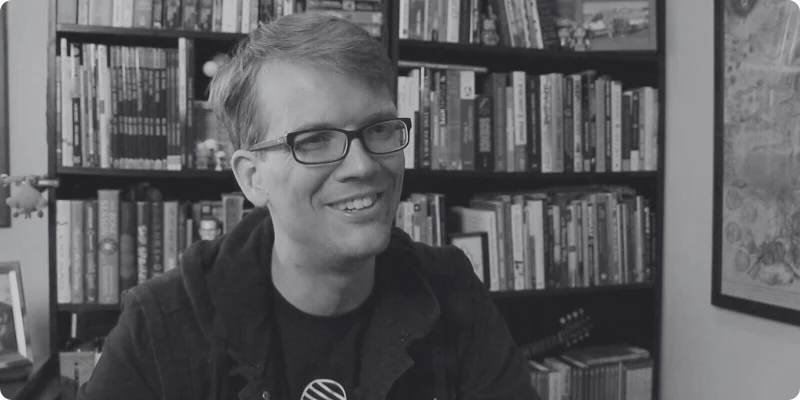
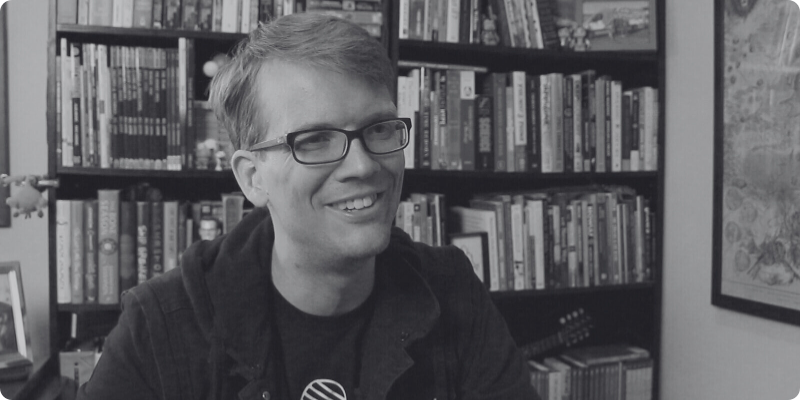
This risk aversion is compounded by the sheer diversity of needs within the creator ecosystem. Veteran YouTuber and digital entrepreneur Hank Green, author and founder of the crowdsourcing platform Subbable—which was later acquired by Patreon—has frequently spoken about the immense difficulty of engineering scalable financial products for this demographic. Having evaluated the prospect of building creator-focused financial tools during peak venture capital funding cycles, Green understands the friction firsthand.
"Creators are so diverse in their needs that, to create a product that is scalable—and that doesn’t cost a ton of money trying to individualize itself for each individual creator—you end up creating a bad product," Green observed in recent analyses of creator economy infrastructure.
Furthermore, creators must navigate the opaque and often volatile policies of dominant social media platforms. The platforms themselves frequently act as unpredictable financial intermediaries, complicating bookkeeping and tax compliance. Even seasoned digital veterans experience systemic hurdles regarding payment transparency. Highlighting the fragility of platform-dependent earnings, Green publicly voiced frustrations earlier this year regarding international payout discrepancies and prolonged payment delays. "It’d be nice if I knew how much money I made. I have no idea, it hasn’t updated since January. It’s broken. It thinks I’m British. It’s paying me in pounds," Green remarked. When creators of his stature face such fundamental operational opacities, smaller or emerging creators face insurmountable barriers when attempting to manage cash flow through traditional banking channels.
The Urgent Need for Specialized Financial Solutions

Given that financial independence and stability serve as primary motivators for individuals entering the creator economy, the current deficiency of specialized financial products directly undermines their economic potential. At the heart of this challenge are payment processing, cash flow management, and tax optimization.
Like any conventional SMB, creators require sophisticated tools that streamline business operations, automate expense tracking, and accelerate the payout process. While major commercial banks have developed robust suites of products directed at traditional SMBs, the unique nuances of the creator economy warrant a dedicated, bespoke strategy. Traditional merchant accounts and standard business bank accounts are ill-equipped to handle instant cross-border payouts, multi-platform revenue reconciliation, and the volatile income cycles inherent to digital media creation.
Without access to modern financial tools, creators are forced to piece together a fragmented patchwork of consumer payment apps, digital wallets, and high-fee transfer services. This lack of institutional support exposes them to unnecessary transaction costs, foreign exchange penalties, and administrative burdens that detract from their primary creative endeavors.
A Missed Strategic Opportunity for Modern Banks
The ongoing neglect of the creator economy represents a significant strategic oversight for traditional financial institutions. As younger generations increasingly reject traditional career paths in favor of digital entrepreneurship, the customer acquisition funnel for retail and commercial banks is shifting. Fintech challengers have recognized this shift, utilizing influencer marketing and creator-centric financial products to capture early brand loyalty among digital natives.
By dismissing creators as high-risk or niche outliers, legacy banks risk alienating an entire generation of high-value business clients. Creators who successfully scale their enterprises require advanced wealth management, commercial lending, corporate structuring, and retirement planning services—lucrative product categories that traditional financial institutions are uniquely positioned to provide, provided they are willing to adapt their underwriting models.
Pathways Forward: Bridging the Gap Between Banking and Content Creation
To successfully integrate the creator economy into the broader financial ecosystem, traditional financial institutions must evolve their approach across several key operational areas:
-
Modernized Underwriting Models: Banks must move beyond static credit-scoring algorithms that rely exclusively on W-2 forms and predictable monthly deposits. By developing dynamic underwriting models that evaluate comprehensive digital business metrics—such as historical platform analytics, audience retention rates, diversified revenue contracts, and subscription stability—FIs can accurately assess creator creditworthiness.
-
Flexible Treasury and Cash Flow Tools: Financial products must be engineered to handle irregular income cycles. This includes offering flexible lines of credit, automated tax withholding tools tailored for 1099 and self-employed contractors, and multi-currency business accounts designed for global audiences.
-
Streamlined Payout Infrastructure: Partnering with digital platforms and payment gateways to ensure rapid, transparent disbursement of funds can alleviate the cash flow anxiety experienced by creators at all levels of success.
-
Educational and Advisory Services: Many creators enter the digital space without formal financial or business training. Banks that provide accessible advisory services, automated bookkeeping integration, and tailored financial literacy resources can build profound, long-term brand loyalty.
Broader Economic Implications
The maturation of the creator economy is not a passing technological trend; it represents a permanent restructuring of modern labor, commerce, and media consumption. As digital entrepreneurship continues to absorb a larger share of the global workforce, the financial services industry faces a stark choice. Institutions that cling to rigid, legacy-driven definitions of credit risk and customer stability will find themselves increasingly disconnected from the most dynamic sectors of the economy. Conversely, forward-thinking financial institutions and fintech innovators that invest in understanding and serving the nuanced needs of digital creators will unlock unprecedented growth, capturing a lucrative, loyal, and rapidly expanding customer base for decades to come.