As the financial technology sector closes out 2026, the conversation surrounding artificial intelligence has shifted decisively from theoretical capabilities to autonomous execution. Agentic commerce—the practice of deploying AI agents to conduct complex research, compare prices, book travel, and negotiate savings on behalf of humans—has rapidly evolved from a novelty into a mainstream consumer and enterprise behavior. However, while discovery and research represent the initial phases of digital commerce, completing transactions inherently requires the ability to execute secure, verified payments. To accommodate this paradigm shift, banks, card networks, and fintech innovators are racing to introduce specialized financial infrastructure tailored specifically for autonomous AI agents.
The Evolution of Autonomous Financial Interaction
For years, the integration of artificial intelligence in banking was largely confined to customer service chatbots, fraud detection algorithms, and predictive portfolio management. These systems operated within strict parameters, assisting human users rather than acting on their behalf. By 2025 and into 2026, advances in large language models and autonomous agent frameworks enabled software programs to execute multi-step workflows independently.
Consumers increasingly utilize AI assistants to manage recurring subscriptions, purchase groceries, procure enterprise software licenses, and optimize supply chain logistics. Yet, a critical operational bottleneck quickly emerged: granting an AI agent unrestricted access to a primary bank account or a high-limit credit card introduces unacceptable financial and security risks.
In response, the fintech ecosystem has engineered sophisticated control layers. Rather than surrendering master financial credentials, users can now delegate spending authority. These emerging frameworks allow individuals and businesses to establish precise boundaries—limiting total spend, restricting approved merchant categories, and mandating human approval thresholds before any final settlement occurs.
Rain and the Emergence of Agent Vaults
A prominent example of this structural evolution is the recent launch of Agent Vaults by New York-based stablecoin payment infrastructure firm Rain. Designed specifically to bridge the gap between autonomous software and legacy payment networks, Agent Vaults enable developers to provision AI agents with funded balances, granular spending guardrails, and transaction-specific virtual payment cards.
Rain’s solution exemplifies a broader industry movement. Rather than treating AI agents as mere extensions of human account holders, modern fintech infrastructure treats agents as distinct financial actors requiring specialized oversight. This development aligns with strategic shifts across the payments industry, where incumbents and startups alike are attempting to capture the nascent market for machine-to-machine and agent-to-merchant transactions.
Three Strategic Models for Agent Spending
Market analysis reveals that fintech companies facilitating agentic payments generally rely on one of three architectural models: dedicated spending accounts, agent-specific virtual payment cards, and delegated payment authorization. Each approach offers distinct advantages and challenges for consumers, merchants, and financial institutions.
Dedicated Spending Accounts and Wallets
The first model isolates risk by providing an AI agent with access to a segregated pool of funds rather than a primary bank account. Users allocate a specific allowance, establish hard spending caps, and restrict the types of commercial categories the agent can access. Once funded, the agent executes transactions independently within those pre-set parameters, eliminating the friction of manual approvals for routine purchases.
Underlying technologies for dedicated accounts vary significantly. Traditional fintech platforms often utilize financial subaccounts, allowing users to transfer funds instantly from a main checking balance. Conversely, Web3-oriented platforms leverage blockchain-based wallets and stablecoin rails, enabling near-instantaneous, programmable settlements across borders without relying on traditional correspondent banking networks.
Agent-Specific Virtual Payment Cards
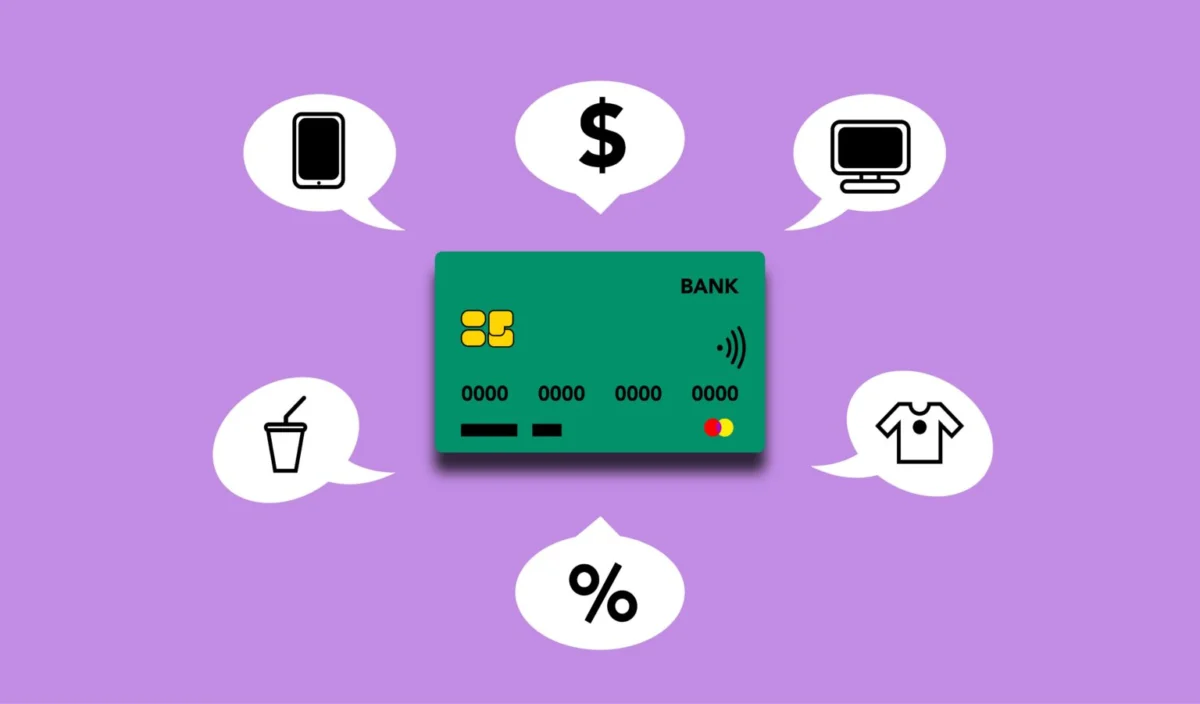
The second approach utilizes virtual payment cards issued exclusively to individual AI agents. This methodology allows consumers to interface directly with existing card networks—such as Visa and Mastercard—while enforcing hyper-granular restrictions. Users can define exact spending ceilings, whitelist specific merchants, set strict expiration dates, and configure multi-factor authentication triggers for higher-value purchases.
Virtual cards offer a distinct tactical advantage: immediate compatibility with existing global checkout infrastructure. Because merchants do not need to alter their payment gateways to accept an "AI card," adoption friction is minimal. However, this model places a heavy burden on traditional banks and card issuers to adapt fraud monitoring systems, define liability parameters, and manage authorization protocols when a non-human entity initiates a transaction.
Delegated Payment Authorization
The third model departs from separate accounts or virtual cards, enabling AI agents to initiate transactions directly against a consumer’s existing financial credentials. Through tokenization, secure authentication tokens, and advanced permissioning frameworks, an agent can act on a user’s behalf using primary funding sources.
Major payment networks have actively developed infrastructure to support this approach, recognizing that many consumers will resist the friction of opening separate accounts or funding specialized wallets just for an AI assistant. While delegated authorization provides a seamless user experience, it transfers significant operational responsibility to financial institutions and merchants, who must rigorously verify the digital identity and authorization scope of the initiating agent.
Implications for Traditional Financial Institutions
These three approaches are rarely mutually exclusive. Leading infrastructure providers frequently combine dedicated balances with transaction-specific virtual cards and compliance frameworks aligned with major card network standards. For traditional banks, the rise of agentic commerce presents both a formidable challenge and a lucrative commercial opportunity.
As consumers grow more comfortable delegating routine purchasing decisions to software, banks must decide whether to build proprietary agent-management tools or partner with fintech infrastructure providers. Supporting multi-agent households and corporate environments—where different AI tools manage travel, office supplies, and cloud infrastructure with distinct spending limits—requires robust Application Programming Interfaces (APIs) and real-time permissioning dashboards.
Market Adoption and Industry Outlook
Despite the rapid pace of technological innovation, the total addressable market for agentic payments remains difficult to quantify with precision. Consumer sentiment surveys indicate that while enthusiasm for AI automation is high, trust in autonomous financial execution remains a significant barrier to widespread adoption. Issues regarding liability in cases of erroneous purchases, fraudulent agent hijacking, and unexpected algorithmic spending spikes continue to concern both regulators and retail customers.
Nevertheless, industry consensus suggests that autonomous agents will play an enduring role in the future of global commerce. As standards mature and regulatory frameworks adapt to machine-initiated transactions, the establishment of secure financial guardrails will remain a foundational pillar of the digital economy. The success of platforms deploying agent vaults, virtual cards, and delegated authorizations signals that the infrastructure for the next era of commerce is already taking shape.