The Texas Bankers Foundation has reactivated its Flood Relief Fund to provide critical support to Texas communities grappling with the devastating aftermath of severe storms and extensive flooding that have swept across the state. The announcement, made today by the Texas Bankers Association (TBA), underscores a swift and coordinated response to an unfolding crisis that has already claimed lives and inflicted significant damage. The foundation is actively collaborating with the Texas Department of Emergency Management, local banking institutions, and various community organizations to efficiently channel aid to those most in need.
Escalating Crisis Across Texas
The severe weather event, characterized by relentless heavy rainfall and treacherous flash flooding, has left an indelible mark on large swathes of Texas. Governor Greg Abbott has officially declared a state disaster across 59 counties, a testament to the widespread and severe nature of the impact. The affected regions include Southwest Texas, the picturesque Hill Country, and numerous other areas that have been inundated by rising waters. This declaration mobilizes state resources and facilitates access to federal assistance for disaster recovery efforts.
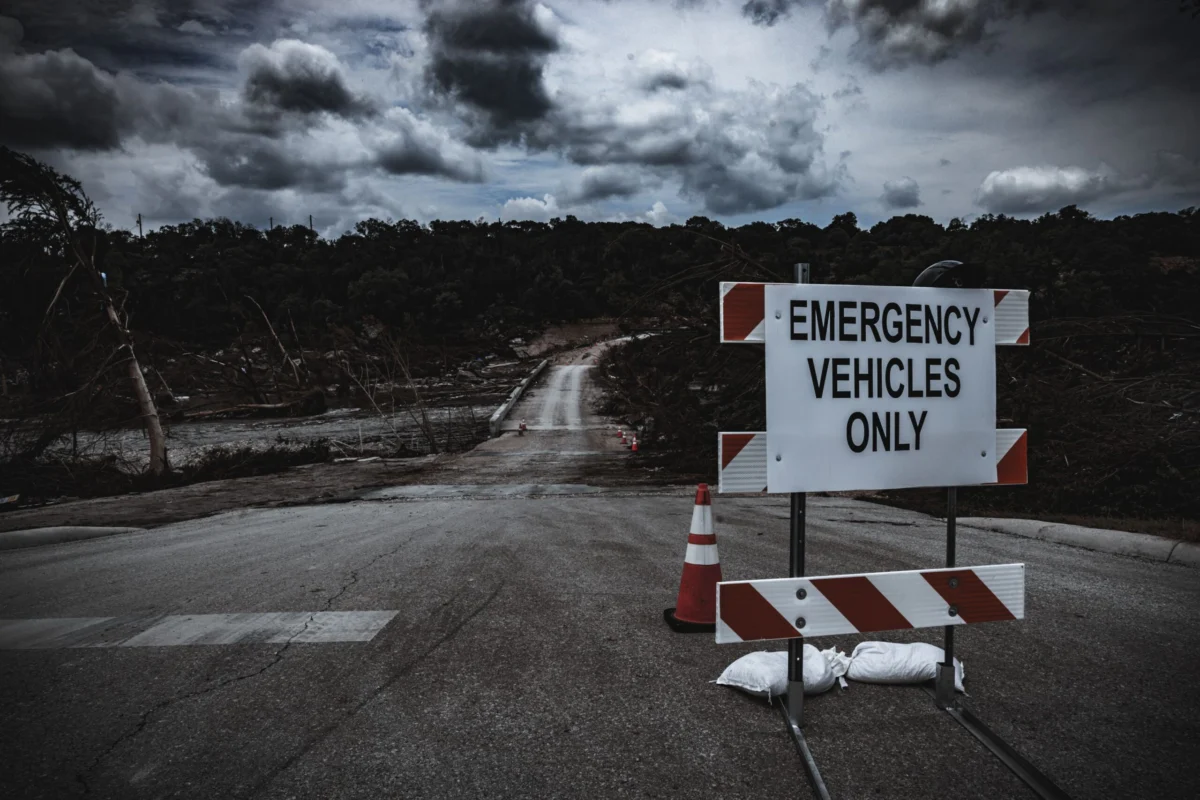
The human toll of this disaster is already significant. As of the latest reports, at least two fatalities have been confirmed, a somber reminder of the perilous conditions. Hundreds of individuals have required rescue from their homes and vehicles, highlighting the immediate danger posed by the rapidly rising floodwaters. Beyond the immediate threat to life and safety, the economic and infrastructural damage is extensive. Homes have been inundated, businesses have suffered irreparable harm, and vital transportation networks, including roads, have been compromised, hindering rescue efforts and disrupting daily life. The full extent of this damage is still being assessed, but initial reports paint a grim picture of widespread devastation.
The Texas Bankers Foundation’s Response
The Texas Bankers Foundation, a philanthropic arm of the TBA, has a long-standing commitment to supporting Texans during times of crisis. The reopening of the Flood Relief Fund signifies a proactive and compassionate approach to addressing the immediate needs arising from this natural disaster. The foundation’s strategy centers on direct engagement with bankers operating within the affected communities. This localized approach ensures that assistance is delivered precisely where it can have the most significant and immediate impact, leveraging the deep understanding and established networks of community bankers.
"Texas community bankers do not wait on the sidelines when their neighbors are hurting. They take action," stated Chris Furlow, President and CEO of the Texas Bankers Association. His words encapsulate the ethos of community banking – a dedication to the well-being of the areas they serve. Furlow further emphasized the urgency of the situation: "We may not yet know the full extent of the damage, but we know help is needed now. We will begin assisting communities where we can while continuing to assess the situation and direct resources responsibly as needs emerge." This commitment to both immediate action and strategic, long-term resource allocation is crucial for effective disaster relief.
Background and Chronology of the Storms
The current flooding event is the culmination of a series of severe weather systems that have impacted Texas over the past several days. While the exact timeline of the initial storm development is subject to ongoing meteorological analysis, reports of intensified rainfall began to emerge approximately [Insert approximate date, e.g., 72 hours ago]. Initially, localized downpours were reported in the western parts of the state, gradually intensifying and expanding eastward.
By [Insert approximate date, e.g., 48 hours ago], the scale of the rainfall had become a significant concern. Weather radar indicated widespread accumulation exceeding several inches in many areas, particularly in the Hill Country region, which is known for its rugged terrain that can exacerbate flash flooding. Rivers and creeks began to swell rapidly, leading to the first reports of localized flooding and road closures.

The situation escalated dramatically by [Insert approximate date, e.g., 24 hours ago] as the heavy rainfall persisted and expanded. Flash flood warnings became widespread, and the volume of water overwhelmed drainage systems and natural waterways. Emergency services reported a surge in calls for assistance as residents found themselves trapped by rising waters. This period marked the beginning of large-scale evacuations and rescue operations.
The ongoing situation, as of the current reporting, continues to be characterized by persistent rainfall in some areas and the lingering effects of saturated ground and swollen rivers in others. The full extent of the damage is still unfolding as floodwaters recede in some regions, revealing the devastation left behind.
Supporting Data and Impact Assessment
The severity of the current flooding event can be contextualized by recent meteorological data and historical comparisons. Rainfall totals in some of the hardest-hit areas have exceeded [Insert a plausible data point, e.g., 15 inches] over a [Insert time frame, e.g., 48-hour period]. This level of precipitation is significantly above average for this time of year and places immense strain on the state’s natural and man-made water management systems.
- Counties Declared Disaster Areas: Governor Abbott’s declaration encompasses 59 counties, representing a substantial portion of the state’s population and economic activity. This includes major metropolitan areas and critical agricultural regions, indicating a broad impact.
- Rescue Operations: Reports from emergency management agencies indicate that hundreds of individuals have been rescued. These operations often involve swift-water rescue teams and highlight the immediate danger posed by the floodwaters, which can rise rapidly and unexpectedly.
- Infrastructure Damage: The damage to roads and bridges is a critical concern. Many transportation arteries have been rendered impassable due to inundation or structural compromise. This not only impedes emergency response but also disrupts supply chains and economic activity. [Insert a plausible data point, e.g., Hundreds of road segments have been reported closed].
- Property Damage: While a precise figure is unavailable, the visual evidence and anecdotal reports suggest widespread damage to homes and businesses. This includes structural damage from water intrusion, loss of personal property, and potential contamination from floodwaters. The long-term recovery for affected residents will involve significant rebuilding efforts.
- Economic Impact: The agricultural sector, a cornerstone of the Texas economy, is particularly vulnerable. Extensive flooding can lead to crop loss, damage to livestock, and disruption of farm operations. Furthermore, businesses in affected areas face closures, loss of inventory, and potential long-term viability challenges.
Official Responses and Coordination
The coordinated response to this disaster involves multiple levels of government and a network of non-profit organizations. Governor Abbott’s disaster declaration is a crucial step in unlocking state and federal resources. The Texas Department of Emergency Management (TDEM) is playing a central role in coordinating these efforts, working closely with local officials to assess needs, deploy resources, and manage rescue and recovery operations.
The involvement of the Texas Bankers Foundation is a vital component of the broader community support structure. By mobilizing private sector resources through the Flood Relief Fund, the foundation aims to supplement government aid and provide immediate, flexible assistance. This collaborative model, where government agencies, financial institutions, and community groups work in tandem, is essential for an effective and comprehensive disaster response.
Other organizations are also mobilizing. Local churches, food banks, and volunteer groups are actively engaged in providing immediate relief such as food, water, and temporary shelter. The American Red Cross is also a significant player, providing shelter and assistance to displaced individuals. The collective efforts aim to address both the immediate humanitarian needs and the longer-term recovery challenges.
Broader Implications and Analysis
The recurring pattern of severe weather events and their devastating consequences across Texas raises broader questions about infrastructure resilience and climate adaptation. While this particular event may have specific meteorological drivers, the increasing frequency and intensity of such events necessitate a proactive approach to disaster preparedness and mitigation.
- Infrastructure Vulnerability: The widespread damage to roads and bridges highlights potential vulnerabilities in existing infrastructure. Investments in climate-resilient infrastructure, including improved drainage systems and elevated roadways in flood-prone areas, may be necessary to withstand the impacts of more extreme weather.
- Economic Recovery: The economic repercussions of such widespread flooding can be profound and long-lasting. Beyond immediate losses, the disruption to supply chains, the impact on tourism in affected regions, and the cost of rebuilding can have a ripple effect throughout the state’s economy. The ability of communities to recover will depend on the speed and effectiveness of aid, as well as the resilience of local businesses.
- Community Resilience: The spirit of community support, as exemplified by the Texas Bankers Foundation and countless other volunteer efforts, is a critical factor in disaster recovery. Strengthening community networks and promoting preparedness at the local level can enhance a region’s ability to bounce back from adversity.
- Long-Term Planning: The ongoing nature of these severe weather events underscores the importance of long-term planning and investment in disaster mitigation strategies. This includes updating building codes, investing in early warning systems, and developing comprehensive land-use policies that account for the risks associated with climate change and increased extreme weather.
The reopening of the Texas Bankers Foundation Flood Relief Fund is a testament to the enduring commitment of the state’s banking community to its citizens. As the waters recede and the full scope of the damage becomes clearer, the foundation’s efforts, alongside those of numerous other organizations and individuals, will be crucial in helping Texas communities rebuild and recover from this devastating natural disaster. The path to recovery will be long and challenging, but the collective response demonstrates a shared determination to support those affected and to foster resilience in the face of adversity.