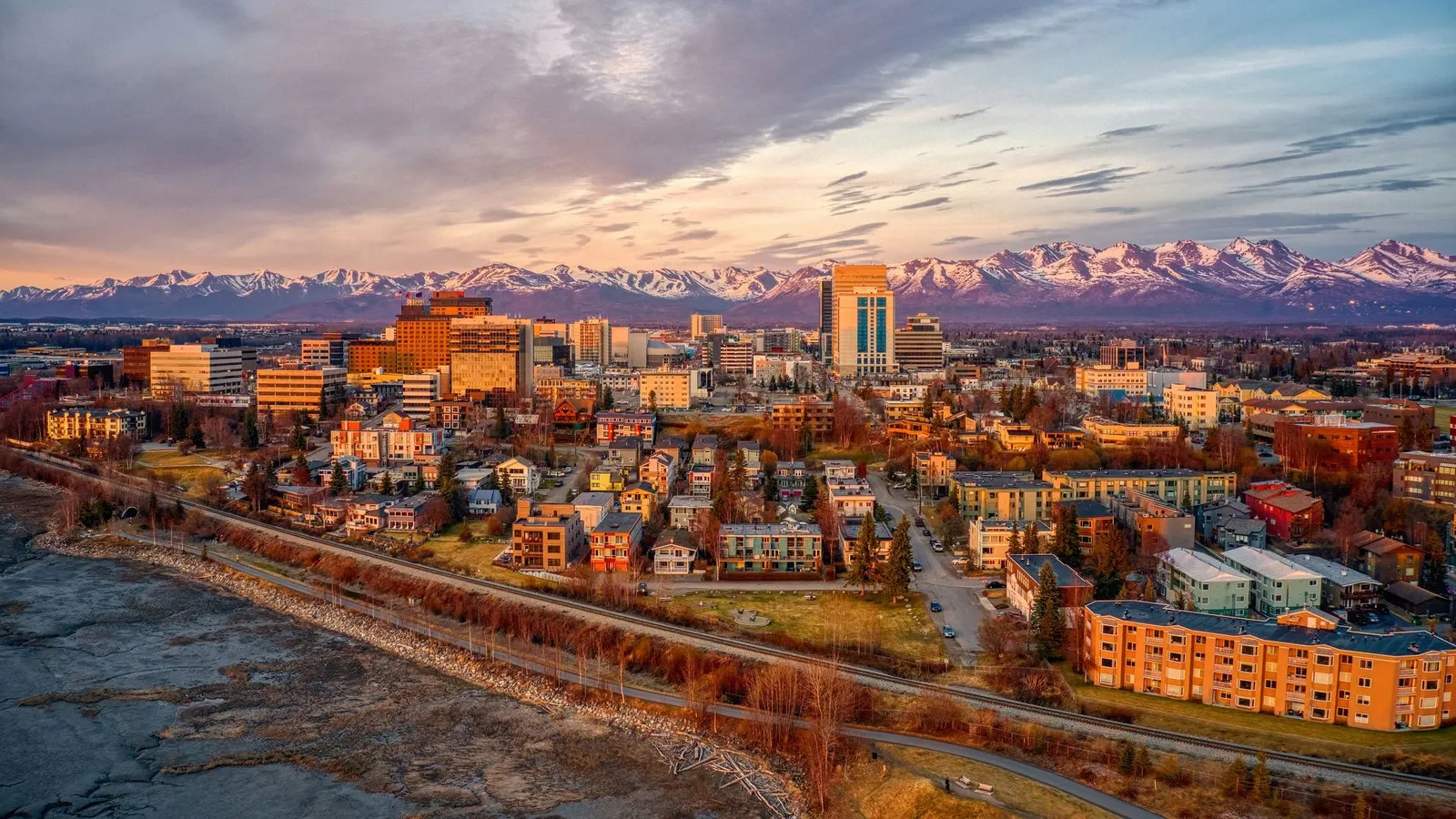
Anchorage, AK – Northrim Bank, headquartered in Anchorage, Alaska, announced its definitive agreement to acquire Medford, Oregon-based People’s Bank of Commerce (PBCO) in a transaction poised to significantly expand Northrim’s asset base and branch network. The acquisition, expected to close in the first half of 2027, will see the combined entity boast approximately $4.2 billion in assets, $3 billion in loans, and $3.5 billion in deposits, operating across 32 branches spanning both Alaska and Oregon. This strategic move underscores Northrim Bank’s commitment to regional growth and its intention to leverage the established presence of People’s Bank of Commerce.
Strategic Expansion and Enhanced Capabilities
The merger will create a more robust financial institution, capable of offering a wider array of products and services to a broader customer base. Northrim Bank currently operates a factoring and asset-based lending division in Washington, known as Northrim Funding Services, which will complement the expanded retail and commercial banking operations resulting from the acquisition. People’s Bank of Commerce, founded in 1998, has cultivated a strong reputation for community-focused banking in Oregon. Under the terms of the agreement, the PBCO branches will transition to the Northrim Bank brand, while retaining their experienced local management teams and employees. This approach aims to ensure continuity and maintain the personalized customer service that both institutions value.

Financial Implications and Shareholder Value
The transaction is valued at approximately $32.36 per share of People’s Bank of Commerce common stock, based on Northrim Bank’s closing price of $27.90 per share on Tuesday, July 22, 2026. PBCO shareholders will receive 1.160 shares of Northrim Bank stock for each share of PBCO common stock they own. Restricted stockholders will receive the same ratio of Northrim stock. PBCO phantom stock units will be settled in cash. This exchange is anticipated to qualify as a tax-free reorganization for PBCO shareholders, providing a favorable outcome for those involved. Upon completion of the merger, PBCO shareholders are projected to hold approximately 21% of the combined company. Furthermore, one director from People’s Bank of Commerce will be appointed to the boards of both the holding company and Northrim Bank, ensuring continued representation and integration of leadership perspectives.
A Shared Vision for Community Banking
Mike Huston, CEO of Northrim Bank, expressed optimism about the synergistic potential of the merger. "Both banks share a core value that community banking is built on strong relationships, local expertise, and commitment to our communities," Huston stated in a press release. "Together, we expect to be able to invest more in our people, technology, customer experience, and community organizations, while preserving the personalized service and local decision-making that have defined our banks for decades." This sentiment was echoed by Julia Beattie, CEO of People’s Bank of Commerce. "Partnering with Northrim gives us the opportunity to enhance the products, services, and resources available to our customers while maintaining the personal relationships and local decision-making that define People’s Bank," Beattie commented. "Together, we believe we will be better positioned to support the continued growth and success of our customers and the communities we serve."
Historical Context and Market Landscape
The banking industry, particularly in regional and community banking sectors, has experienced a wave of consolidation in recent years. Factors such as increasing regulatory burdens, the need for significant technological investment to remain competitive, and the pursuit of economies of scale have driven many smaller institutions to seek mergers and acquisitions. Northrim Bank’s acquisition of People’s Bank of Commerce fits within this broader trend, representing a strategic effort to bolster its market position and operational capacity.

People’s Bank of Commerce, with its establishment in 1998, has a track record of serving the Oregon market. Its acquisition by Northrim, an Alaskan-based bank, signifies a cross-state expansion that could create new opportunities for both institutions by diversifying geographic risk and tapping into new customer segments. The projected asset size of $4.2 billion places the combined entity as a significant player within its operational regions, capable of competing more effectively with larger regional and national banks.
Timeline and Integration Process
While the specific timeline for integration has not been fully detailed, the announcement indicates an expected closing in the first half of 2027. This suggests a phased approach to regulatory approvals, due diligence, and the subsequent operational integration of the two banking systems. Typically, such mergers involve extensive planning to ensure a smooth transition for employees, customers, and shareholders. Key areas of focus will include:
- Regulatory Approvals: The transaction will require approval from relevant banking regulators, including potentially the Federal Reserve and state banking authorities in Alaska and Oregon. This process can take several months and is contingent on demonstrating that the merger is in the public interest and does not create undue market concentration.
- Shareholder Votes: Both Northrim Bank and People’s Bank of Commerce shareholders will likely vote on the merger agreement, a standard procedure for such transactions.
- System Integration: Merging core banking systems, IT infrastructure, and operational processes is a complex undertaking that requires meticulous planning and execution to minimize disruption.
- Brand Transition: The gradual rebranding of People’s Bank of Commerce branches to Northrim Bank will be a visible aspect of the integration, managed to inform and reassure customers.
- Human Resources and Culture: Aligning human resources policies and fostering a cohesive organizational culture will be crucial for employee retention and the success of the combined entity.
Broader Economic and Community Impact
The consolidation of Northrim Bank and People’s Bank of Commerce is likely to have several implications for the communities they serve:

- Enhanced Financial Services: Customers of People’s Bank of Commerce will gain access to a broader suite of products and services offered by Northrim Bank, potentially including more advanced digital banking tools, a wider range of loan products, and expanded investment and wealth management services.
- Community Investment: As noted by Northrim’s CEO, the combined entity plans to increase investment in technology, customer experience, and community organizations. This could translate into greater support for local initiatives, economic development programs, and philanthropic efforts in both Alaska and Oregon.
- Employment: While mergers can sometimes lead to workforce reductions, the emphasis on retaining local management from People’s Bank of Commerce suggests a strategy focused on preserving local expertise and customer relationships. The growth in asset size and branch network could also create new employment opportunities in the long term.
- Competitive Landscape: The formation of a larger regional bank could influence the competitive dynamics within the Alaskan and Oregonian banking markets, potentially leading to increased competition and improved offerings for consumers and businesses.
The acquisition represents a significant step for Northrim Bank in its growth trajectory, solidifying its presence in Alaska and establishing a substantial foothold in the Oregon market. The success of this merger will hinge on the effective integration of operations, the preservation of customer relationships, and the realization of anticipated synergies, all while adhering to the core principles of community banking that have been central to both institutions. The banking sector will be closely watching how this expanded entity navigates the evolving financial landscape.