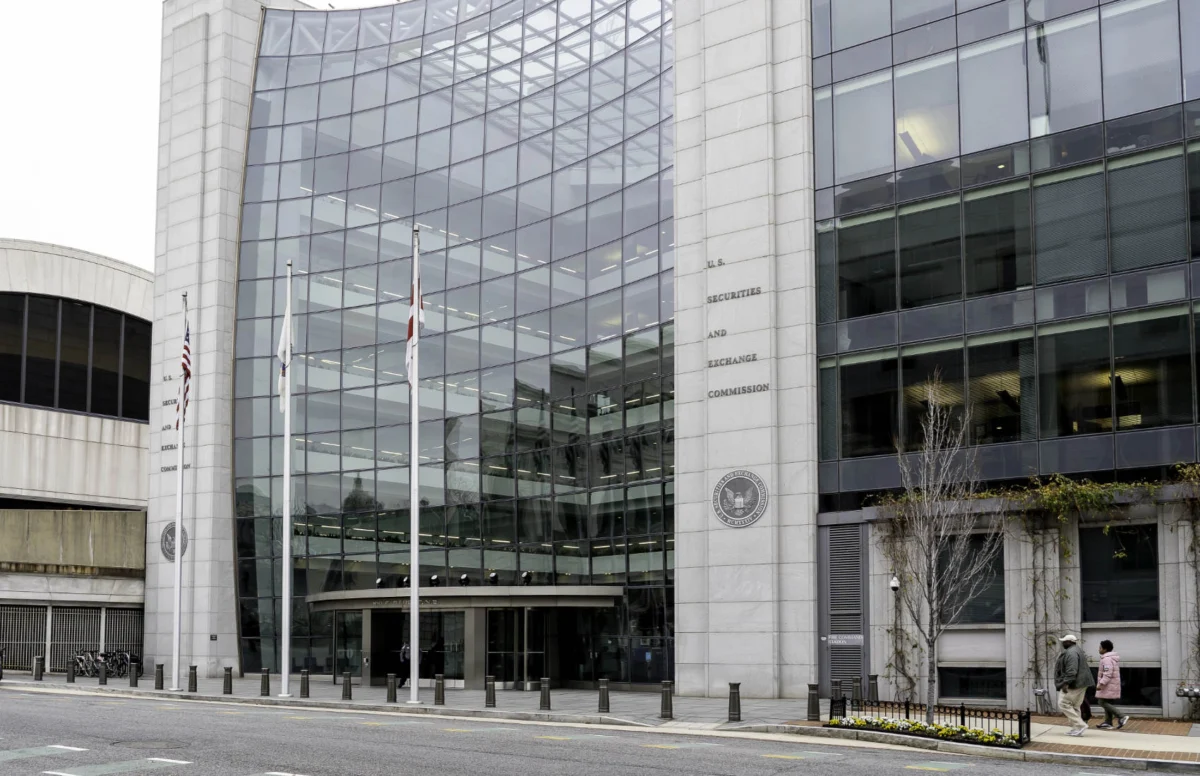
The United States Securities and Exchange Commission has officially unveiled its long-awaited innovation exemption framework, resolving months of intense speculation within financial technology and digital asset circles. Under the terms of the newly released order, qualified tokenized versions of exchange-listed National Market System stocks will be permitted to trade via automated market makers. This regulatory breakthrough allows these decentralized trading venues to operate without registering as traditional national securities exchanges, while simultaneously exempting liquidity providers from strict broker-dealer registration mandates. Granted for an initial trial period of five years, the order simultaneously opens a formal public comment period to evaluate market reactions, risks, and potential operational adjustments.
This regulatory milestone arrives at a critical juncture for both traditional capital markets and the burgeoning real-world asset tokenization sector. For years, blockchain developers, decentralized finance pioneers, and fintech startups have wrestled with the rigid compliance structures designed decades ago for physical and centralized electronic trading. By establishing a formalized, albeit restricted, pathway for blockchain-based equities, the Commission has taken its most definitive step yet toward bridging the gap between traditional securities and decentralized ledger technology.
Structure, Restrictions, and Operational Parameters of the Exemption
While the SEC’s order offers a vital opening for decentralized finance protocols to integrate traditional equities, it establishes a stringent perimeter of limitations and regulatory safeguards. The exemption is not a blanket authorization for all types of digital securities. Instead, it is hemmed in by precise caps on trading volumes and limits on the total number of distinct stock symbols that can be traded on any single automated market maker venue. These thresholds are deliberately designed by regulators to test the resilience and systemic impact of automated market-making in equities without exposing the broader financial system to unmitigated systemic risk.
Furthermore, the architectural requirements of the exemption draw a distinct line regarding underlying blockchain infrastructure. The automated market makers must operate on public, permissionless blockchains—preserving the core ethos of transparency and censorship resistance inherent to decentralized networks. However, the actual transactions and token transfers occurring on these public ledgers must incorporate permissioned features. This hybrid model ensures that while the immutable infrastructure remains decentralized, participant access, compliance checks, and regulatory oversight mechanisms can still be enforced effectively.
Safeguarding Shareholder Rights and Preventing Synthetic Token Controversies
The strict criteria outlined in the SEC order directly address recent high-profile controversies regarding the nature of tokenized equities and synthetic financial instruments. In recent months, public spats—such as the dispute between the chief executive officer of theater chain AMC and retail brokerage giant Robinhood—underscored the risks associated with synthetic stocks. In those contentious arrangements, tokens often represented a third party’s debt or a derivative claim backed loosely, rather than directly, by the underlying security.
The SEC’s new exemption explicitly excludes such synthetic instruments. To qualify for the exemption, digital tokens must provide holders with full, uncompromised economic and governance rights equivalent to holding the underlying stock directly. This means token holders must retain voting rights, dividend entitlements, and clear recourse to corporate actions.
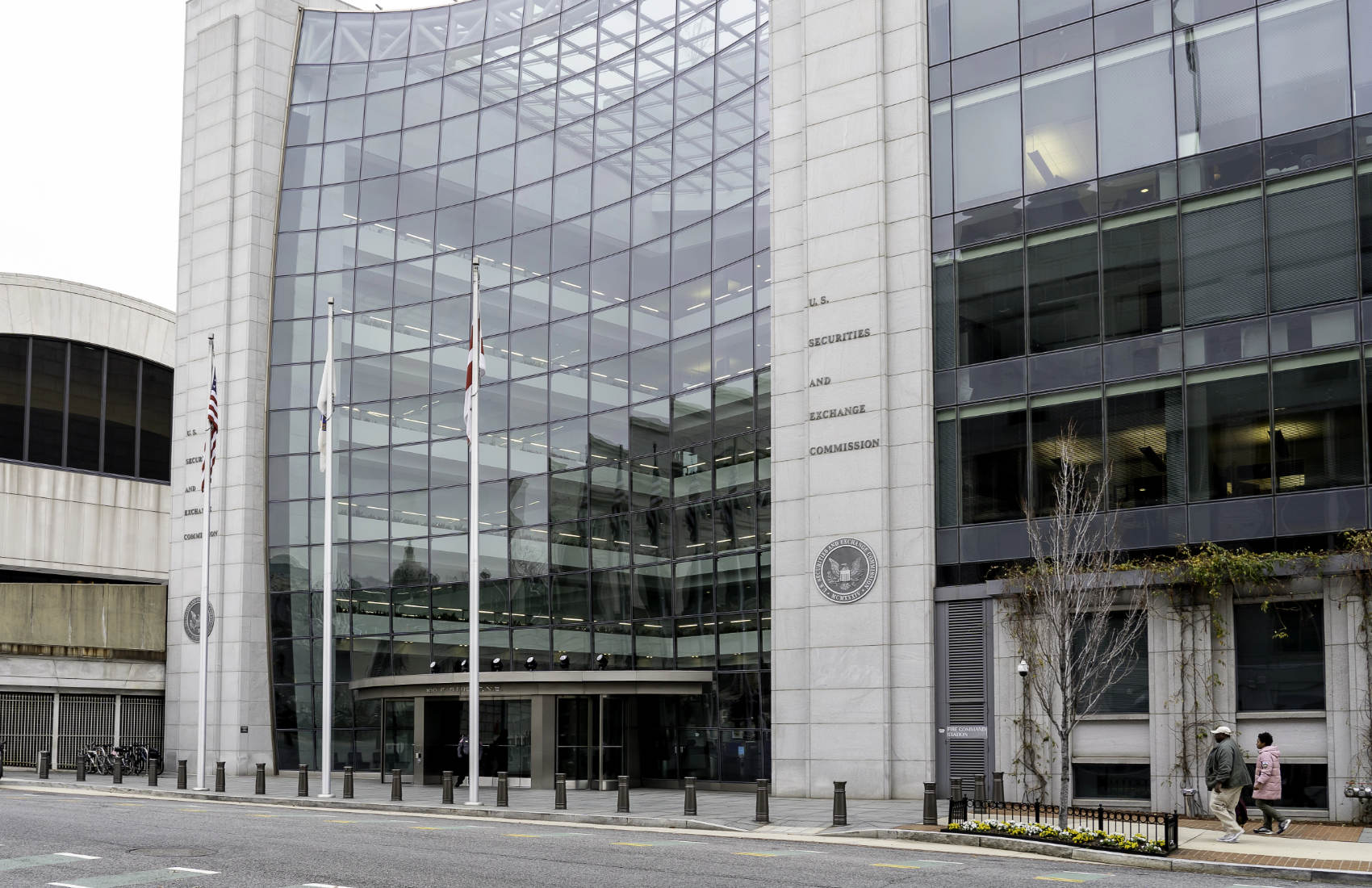
Crucially, the framework is not restricted solely to issuer-sponsored tokens created directly by the underlying public corporation. Tokens issued by third parties, such as central securities depositories, regulated custodians, or licensed broker-dealers, can also qualify, provided they pass through full shareholder rights to the end-holder. However, this provision introduces a mandatory corporate governance check: the underlying stock issuer retains the explicit right to object. Automated market makers are legally required to notify the stock issuer at least thirty days before commencing the trading of any third-party-issued token. If the issuer objects, the token is barred from utilizing the exemption. This mechanism balances the innovative drive of tokenization platforms with the traditional corporate governance rights of public companies.
Background Context and Evolution of Digital Asset Regulation
To understand the magnitude of this five-year innovation exemption, one must examine the protracted evolution of digital asset regulation in the United States. For the better part of a decade, regulatory bodies like the SEC, the Commodity Futures Trading Commission, and the Financial Industry Regulatory Authority have maintained a largely enforcement-led approach toward cryptocurrency and tokenized assets. Federal regulators consistently maintained that virtually all digital tokens representing financial instruments fall under the definition of securities under the historic Howey test, thereby subjecting them to the full weight of federal securities laws.
As traditional financial institutions—ranging from global asset managers to Wall Street investment banks—began exploring tokenization to achieve instant settlement, lower operational costs, and 24/7 liquidity, the friction between legacy securities laws and blockchain mechanics became untenable. Pilot programs and sandbox initiatives were frequently requested by industry participants seeking legal certainty. The SEC’s decision to issue this targeted exemption order represents a strategic shift from pure enforcement toward structured experimentation, allowing regulators to gather empirical data on automated market-making for equities within a controlled environment.
Chronology of Regulatory and Market Developments
The path toward this regulatory carve-out has been marked by escalating industry demands and technological advancements over the past several years:
- 2021–2022: The explosive growth of decentralized finance exposes limitations in traditional asset settlement cycles (such as T+2 and later T+1), prompting intense industry lobbying for blockchain-based settlement frameworks.
- 2023: Various fintech firms begin experimenting with tokenized U.S. Treasury bills and money market funds, proving the viability of real-world asset tokenization under existing, albeit strained, regulatory interpretations.
- 2024: Public disputes erupt concerning synthetic stocks and derivative token offerings, highlighting regulatory gray areas and consumer protection vulnerabilities regarding third-party token issuances.
- Early 2025: Market participants increasingly pressure the SEC for formal innovation exemptions that clarify how decentralized protocols can handle National Market System stocks without triggering illegal exchange operations.
- Present Day: The SEC issues its five-year innovation exemption order, establishing volume limits, issuer notification protocols, and public comment procedures for tokenized stocks traded on automated market makers.
Market Data and Tokenization Growth Metrics
The market context for this regulatory move is defined by an accelerating institutional migration toward tokenized real-world assets. According to recent industry analyses from major financial institutions and research groups, the total value of tokenized real-world assets—excluding stablecoins—has scaled dramatically, surpassing billions of dollars in locked value across public and private blockchains.
Financial institutions view tokenization not merely as a speculative trend, but as structural plumbing upgrade for the global financial architecture. Analysts project that tokenized equities and debt instruments could unlock trillions of dollars in currently trapped capital by eliminating intermediary friction, enabling atomic settlement, and facilitating fractional ownership on a global scale. However, liquidity fragmentation and regulatory uncertainty have historically capped the velocity of equity tokenization. By granting this exemption, the SEC has directly targeted the regulatory bottlenecks that prevented automated market makers—the lifeblood of decentralized liquidity—from integrating mainstream public equities.
Fact-Based Analysis of Implications and Industry Impact
The introduction of this five-year exemption carries profound implications for market structure, technological adoption, and regulatory compliance.
First, for decentralized finance protocols and automated market makers, the order provides a legal testing ground. AMMs have traditionally operated entirely outside the perimeter of regulated securities exchanges, relying on algorithmic pricing curves rather than central limit order books. Allowing NMS stocks to trade on these venues bridges a historic divide, potentially introducing deep institutional liquidity pools into decentralized environments while testing whether AMM algorithms can maintain orderly markets in mainstream equities.
Second, the requirement for full shareholder rights—including voting and corporate action participation—sets a high compliance bar for token issuers and custodians. Entities issuing tokenized shares can no longer rely on lightweight wrapper tokens or synthetic claims that strip away investor privileges. This mandates sophisticated technical integration between blockchain token smart contracts and traditional transfer agents, bridging decentralized networks with legacy share registry systems like the Depository Trust Company.
Finally, the inclusion of the corporate veto—allowing underlying stock issuers thirty days to object to third-party tokens—creates an intriguing dynamic of corporate control. Public companies will now have a direct say in whether and how their shares are represented and traded on public blockchain networks. This prevents unauthorized secondary tokenization schemes that could dilute corporate control or create shareholder confusion, aligning tokenized finance more closely with traditional corporate governance standards.
Outlook and the Path Forward
As the Securities and Exchange Commission opens its public comment period, industry stakeholders, legal experts, exchange operators, and blockchain developers will scrutinize the operational boundaries of the order. The data gathered over the course of the five-year trial will likely serve as the foundational blueprint for permanent regulatory frameworks governing digital securities in the United States. Whether automated market makers can successfully host traditional equities while maintaining market integrity, robust investor protections, and seamless corporate governance will determine the next major chapter in the evolution of global capital markets.