The rapid evolution of artificial intelligence in financial services has unlocked unprecedented levels of convenience, automation, and speed for both consumers and enterprises, yet it has concurrently introduced profound regulatory and security complexities. As financial ecosystems pivot toward autonomous transactions—where software agents execute financial decisions and move funds on behalf of human users—the intersection of technology, liability, and consumer protection has emerged as a critical battleground for the fintech and banking sectors.
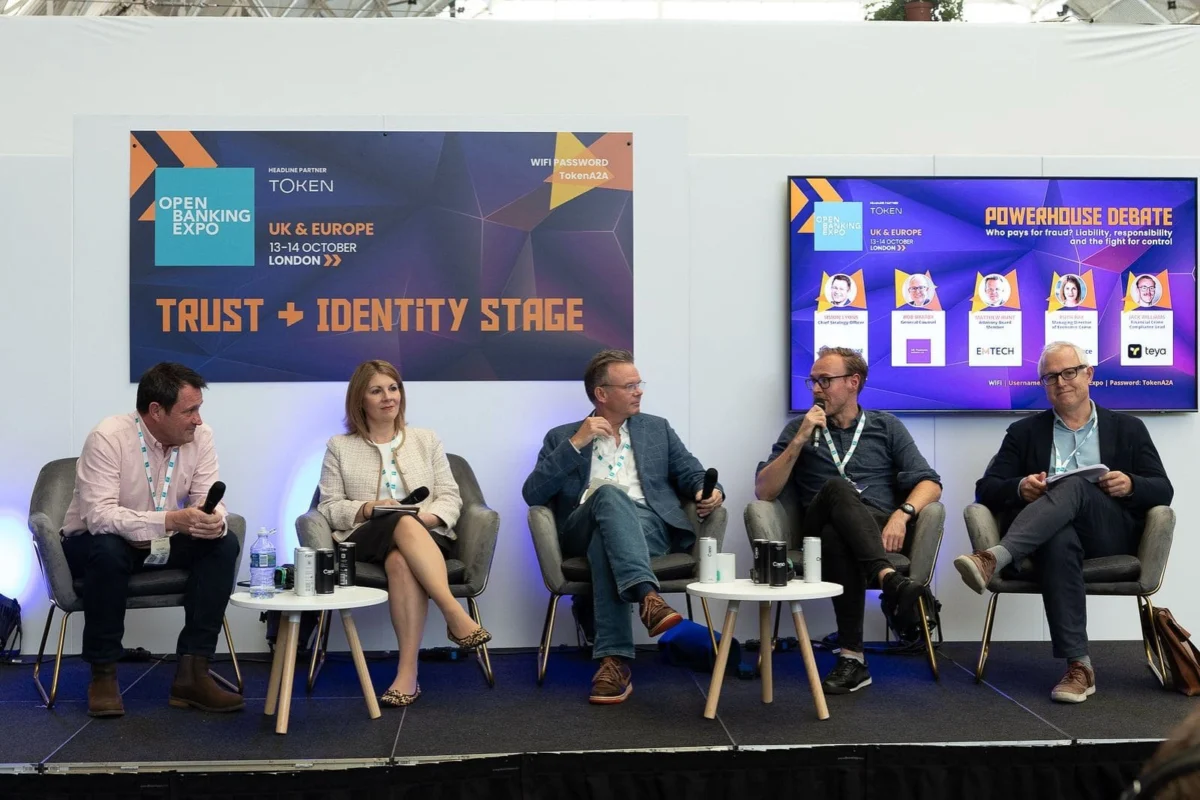
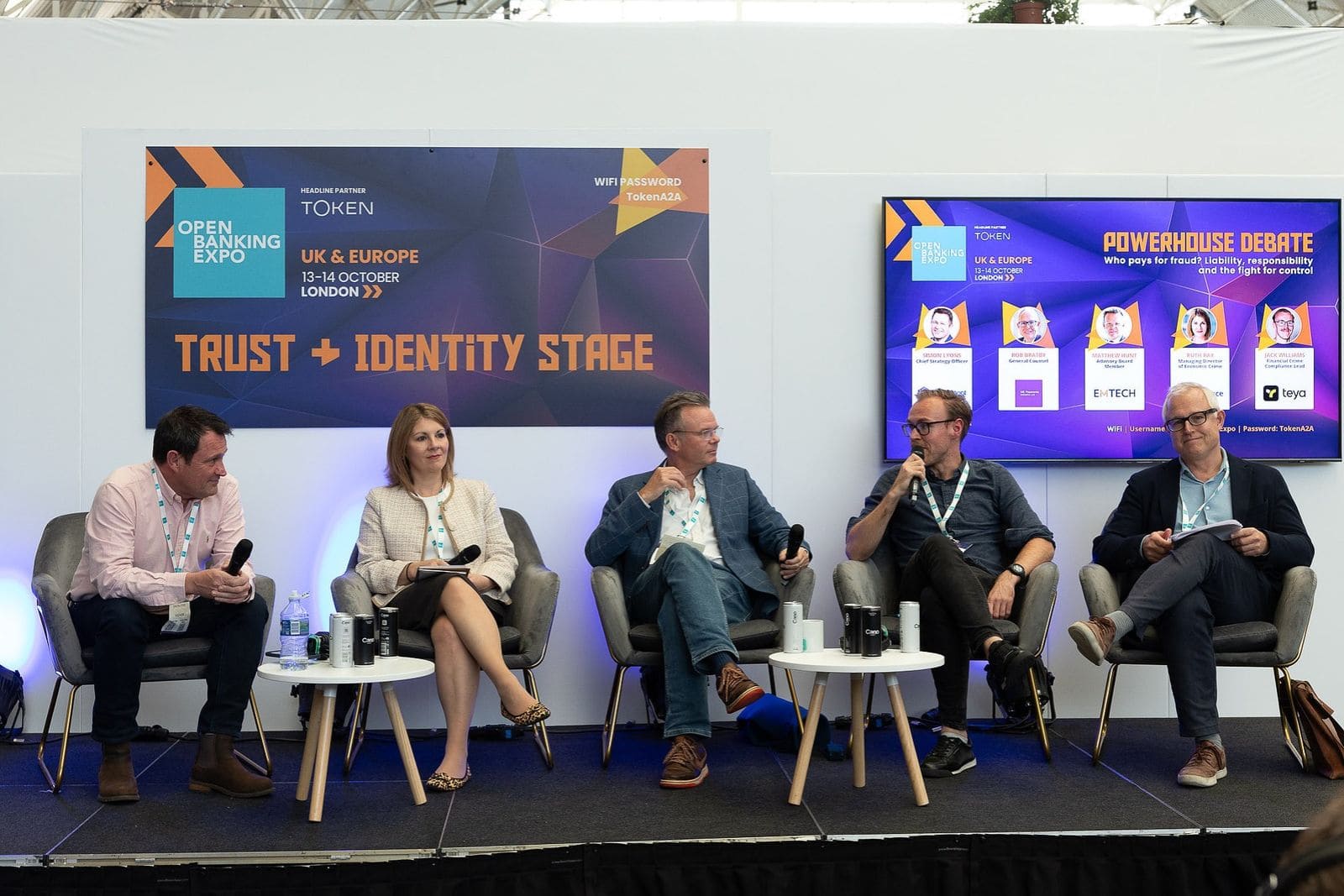
These pressing issues took center stage at the Open Banking Expo UK & Europe 2026, where a panel of leading payments and fraud specialists gathered to dissect the shifting paradigms of financial security. Moderated by Simon Lyons, chief strategy officer at obconnect, the session—titled Who pays for fraud? Liability, responsibility and the fight for control—addressed the urgent need for clear frameworks to govern next-generation payment services. With AI transforming how transactions are initiated, industry leaders debated how to balance continuous technological innovation with the robust safeguards required to maintain public trust.
The Background and Context of Agentic Payments
To understand the urgency of the 2026 debates, one must look at the broader trajectory of the digital payments landscape over the past decade. The introduction of open banking in the United Kingdom and Europe laid the foundational architecture for Application Programming Interfaces (APIs), enabling third-party providers to securely access financial data and initiate payments directly from bank accounts. This paved the way for faster, more cost-effective payment methods, such as Account-to-Account (A2A) transfers and variable recurring payments (VRPs).
However, the financial technology landscape has since advanced far beyond simple open banking directives. By 2026, generative artificial intelligence and autonomous software agents have evolved from experimental productivity tools into active economic participants. These "agentic payments" allow consumers to delegate complex purchasing decisions, subscription management, and routine financial transfers to AI algorithms. While this reduces friction and optimizes personal finance management, it blurs the traditional lines of consumer intent, consent, and legal accountability.
When an AI agent executes a payment based on inferred preferences or complex multi-step instructions, determining liability when a transaction goes awry becomes exceptionally difficult. Is the liability borne by the consumer who set the parameters, the AI developer whose algorithm made the decision, the merchant who received the funds, or the financial institution that authorized the transfer? This central question drove the discourse at the Open Banking Expo UK & Europe 2026.
Defining Responsibility in the Era of Autonomous Transactions
Opening the core debate, Matthew Hunt, advisory board member at Emtech, addressed the friction between legacy consumer protection laws and emerging agentic payment technologies. Hunt raised a fundamental question regarding how existing regulatory frameworks should adapt when AI agents begin initiating payments autonomously. He emphasized that the financial services industry must establish clear distinctions between different types of transactional failures rather than applying a blanket approach to every unsuccessful outcome.
Hunt explicitly challenged the automatic application of traditional fraud reimbursement mechanisms to scenarios where an AI agent makes a purchase that a consumer subsequently regrets or finds misaligned with their actual desires. "I don’t think it is automatically the case that consumer protection and fraud reimbursement style mechanisms should be used every time an agentic payment goes wrong," Hunt noted during the panel discussion. He argued that delineating clearly between malicious fraud, consumer disputes, and simple automated misfires is essential for building a sustainable technological ecosystem.

Complementing this perspective, Rob Bratby, general counsel at the UK Payments Initiative, explored how structural payment technologies could be leveraged to establish inherent safeguards. Bratby pointed to the maturation of commercial variable recurring payments (cVRP) as a viable model for managing automated transactions. By enabling payments within strict, customer-authorized parameters, cVRP frameworks provide natural guardrails for periodic and recurring transfers.
Bratby suggested that similar structural boundaries will be necessary for agentic payments to ensure that automated transactions operate within well-defined parameters. While acknowledging that such technical controls cannot completely eradicate fraudulent activity, Bratby positioned them as vital components of a multi-layered defense strategy designed to intercept risk before a transaction is finalized.
Rethinking Fraud Reimbursement and Cross-Sector Collaboration
Beyond defining liability for autonomous errors, the panel extensively scrutinized how the industry funds and manages traditional financial crime. Matthew Hunt proposed a radical rethinking of reimbursement models, drawing inspiration from established card payment architectures. He suggested that the industry explore a shared funding model supported by transaction-related charges, which could better align commercial incentives with consumer protection goals.
Crucially, Hunt and his fellow panelists stressed that financial institutions cannot bear the burden of fraud prevention in isolation. Because modern financial scams frequently originate on third-party digital platforms—such as social media networks and telecommunication channels—prevention strategies must extend far beyond the perimeter of the banking sector.

Jack Williams, financial crime compliance lead at Teya, expanded on this theme by evaluating the impact of regulatory milestones such as the UK’s Online Safety Act. Williams noted that while the legislation represents a significant step forward in establishing clear responsibilities for online platforms regarding fraudulent content, a distinct gap remains between preventative content moderation and financial reimbursement mechanisms.
Williams emphasized that while public awareness campaigns—such as UK Finance’s well-known "Take Five to Stop Fraud" initiative—remain valuable, they are increasingly inadequate against hyper-sophisticated, AI-enabled social engineering attacks. With cybercriminals deploying deepfakes, automated phishing scripts, and synthetic voice impersonations, consumers can no longer be expected to act as the ultimate line of defense. Consequently, the panel called for deeper, legally mandated cooperation uniting financial institutions, major technology platforms, telecommunications providers, and law enforcement agencies.
The Regulatory Landscape: Building on the UK Framework
The discussion also contextualized these technological shifts within the UK’s existing regulatory environment. Ruth Ray, managing director of economic crime at UK Finance, underscored the vital role played by the UK’s authorized push payment (APP) fraud reimbursement requirements. These regulations, which enforce mandatory liability-sharing arrangements between sending and receiving payment service providers, have fundamentally altered how financial institutions manage risk and customer restitution.
Ray expressed strong support for regulatory frameworks that ensure consistent consumer outcomes and encourage the advanced deployment of behavioral analytics to identify vulnerable individuals before they fall victim to scams. However, she echoed her fellow speakers in warning that reimbursement alone is an unsustainable reactive measure. The primary focus, Ray argued, must remain on proactive interception—stopping illicit funds from reaching criminal networks in the first place.

Highlighting ongoing multi-stakeholder initiatives involving the UK government, regulatory bodies, and industry groups, Ray emphasized the necessity of creating commercial and regulatory incentives that compel the technology sector to take a more active role in financial crime mitigation.
Analysis of Implications for the Global Payments Ecosystem
The debates and insights emerging from the Open Banking Expo UK & Europe 2026 signal a critical inflection point for the global financial services industry. As artificial intelligence and open banking continue to converge, the traditional contract between the customer, the bank, and the merchant is undergoing a structural transformation.
The economic implications of this shift are profound. On one hand, frictionless agentic payments promise to unlock massive efficiencies, reduce administrative overhead, and drive e-commerce growth. On the other hand, ambiguity surrounding liability threatens to impose unsustainable costs on financial institutions or, conversely, leave consumers unprotected against novel forms of technological failure and fraud.
To navigate this transition successfully, policymakers and industry leaders face several urgent imperatives:

- Regulatory Modernization: Legal definitions of "authorization" and "consent" must evolve to account for autonomous software agents acting on human instructions.
- Cross-Sector Accountability: Legislation must hold technology and telecommunications platforms financially or operationally accountable for the scams incubated within their ecosystems.
- Proactive Technical Controls: The industry must implement robust API-level boundaries, such as advanced commercial VRPs and real-time behavioral monitoring, to restrict autonomous spending to safe parameters.
Ultimately, the consensus from the 2026 panel was clear: building trust in the next generation of payments requires shifting from a culture of retroactive reimbursement to one of proactive, cross-industry resilience. By establishing clear boundaries, shared responsibilities, and innovative safeguards, the financial sector can harness the full potential of artificial intelligence while safeguarding the security and confidence of consumers worldwide.