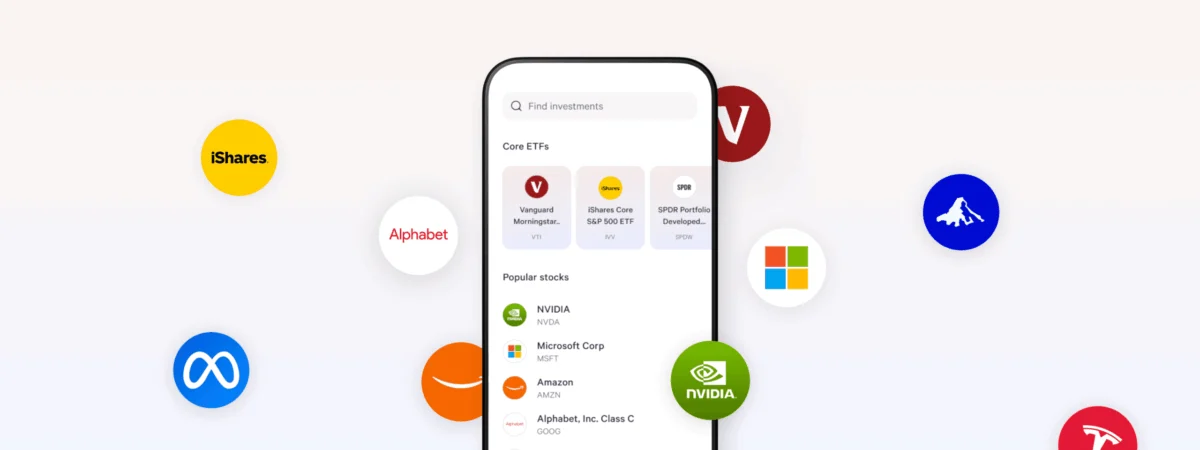
Wealthfront has officially unveiled a significant expansion of its self-directed investment platform, upgrading its Brokerage Account with a suite of advanced features designed to bridge the gap between automated wealth management and active trading. This development, which integrates the functionality previously isolated within the company’s Stock Investing Account, introduces instant trade execution, recurring investment scheduling, and the implementation of limit orders. By consolidating these tools, Wealthfront aims to provide a more cohesive ecosystem for both novice investors and those seeking granular control over their portfolios.
The platform update marks a transition toward a more versatile trading experience, offering access to an expanded universe of over 8,000 stocks and exchange-traded funds (ETFs). For users of the Wealthfront ecosystem, the primary shift is the operational synergy between the Cash Account and the new Brokerage Account. This integration allows capital to earn interest at an industry-competitive Annual Percentage Yield (APY) while sitting in the Cash Account, ready for deployment into the market at the user’s discretion.
A Strategic Shift in Wealth Management Evolution
Wealthfront’s journey from a purely automated "robo-advisor" to a comprehensive financial hub has been incremental. Historically, the firm built its reputation on the "set it and forget it" model of passive, tax-advantaged index fund investing. However, the shifting demands of a younger, tech-savvy demographic—who increasingly desire the ability to make tactical, individual stock bets alongside their long-term automated portfolios—have necessitated a broader product scope.
The timeline of this evolution can be traced back to the introduction of the Cash Account, which provided the liquidity necessary for rapid trading. The subsequent launch of the Stock Investing Account served as a pilot phase, allowing the company to test user appetite for individual equities. With this latest update, Wealthfront is effectively sunsetting the limitations of that siloed product, migrating its capabilities into a singular, more robust Brokerage Account infrastructure. This move mirrors broader trends in the fintech sector, where firms are increasingly forced to become "super-apps" to maintain client retention and increase total assets under management (AUM).
Functional Upgrades and Market Implications
The introduction of limit orders is perhaps the most significant functional addition for the retail investor base. Unlike market orders, which execute at the current prevailing price, limit orders allow investors to specify the maximum price they are willing to pay or the minimum price at which they are willing to sell. This feature is a standard requirement for intermediate traders, providing a level of protection against price volatility that was previously absent from the Wealthfront experience.
Furthermore, the implementation of recurring investments addresses the behavioral finance aspect of wealth building. By automating the purchase of specific stocks or ETFs on a set schedule, Wealthfront is encouraging a "dollar-cost averaging" strategy, which historically mitigates the risks associated with market timing. The ability to initiate these trades with as little as $1 lowers the barrier to entry significantly, catering to a demographic that may have limited liquidity but a high propensity for consistent, long-term saving.
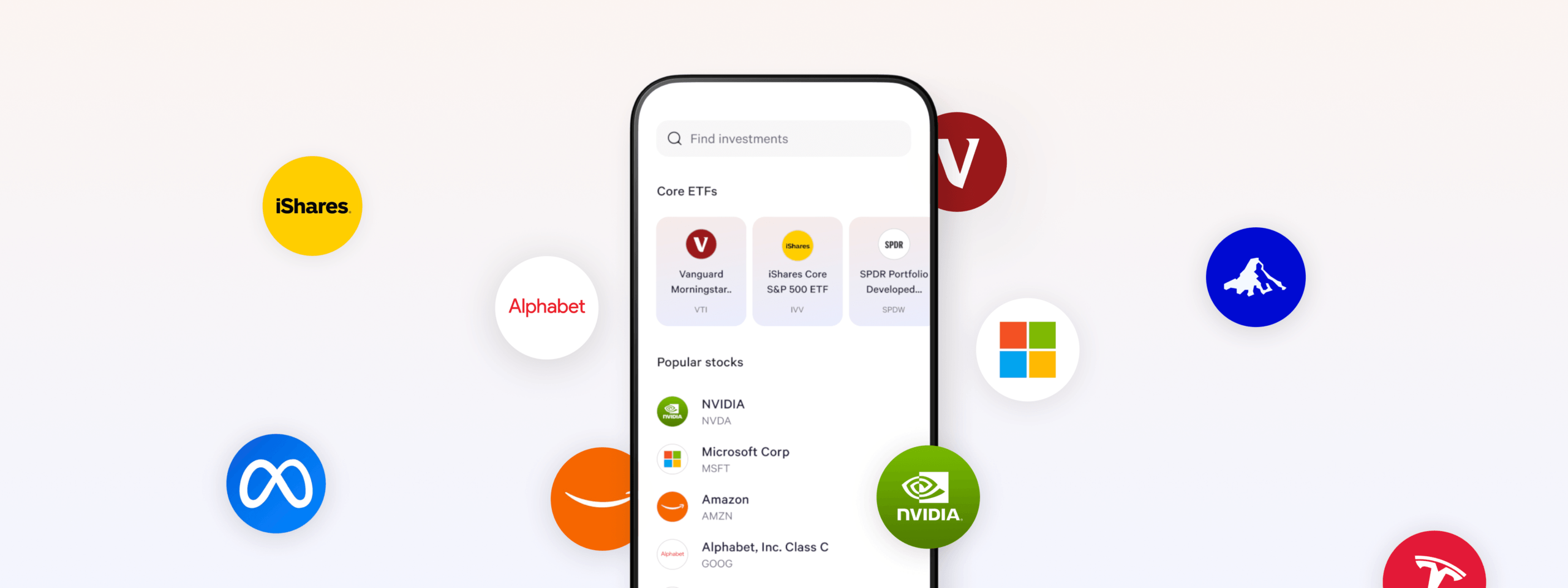
The expansion to 8,000+ securities also positions the firm to compete more directly with established brokerage incumbents. By offering such a vast range, Wealthfront is catering to the demand for thematic investing, allowing clients to build portfolios around specific industry sectors, sustainability metrics, or emerging technology trends.
The Ecosystem Effect: Cash and Credit Integration
One of the most notable aspects of the Wealthfront brokerage model is the lack of friction between idle cash and invested capital. In a traditional brokerage, cash held in an account often earns negligible interest unless it is swept into a money market fund. Wealthfront’s integration of the Cash Account allows for a seamless transition. Users can maintain a high-yield liquid buffer and, upon identifying an investment opportunity, execute a purchase within a few taps.
Looking ahead, the roadmap for the platform includes further expansion. The upcoming integration of Joint Brokerage Accounts and Trust Brokerage Accounts indicates that Wealthfront is moving up-market to capture the assets of high-net-worth families and individuals managing complex estate planning needs. Additionally, the introduction of a Portfolio Line of Credit (PLOC) will allow clients to borrow against their investment portfolios—a common tool used by sophisticated investors to access liquidity without triggering capital gains tax events by selling their holdings.
Expert Perspective and Industry Context
Dave Myszewski, Vice President of Product at Wealthfront, emphasized that the firm’s philosophy is rooted in "favoring people over institutions." This sentiment reflects the broader mission of fintech disruptors: to remove the high fees and opaque processes associated with traditional brokerage firms. By focusing on a user interface that is intuitive enough for beginners but powerful enough for active traders, the firm is attempting to capture a middle ground in the market.
Market analysts observe that such upgrades are essential in the current climate of high competition. With major brokerage firms having largely moved to zero-commission trading models, the battle for the retail investor has shifted toward user experience (UX) and the quality of the surrounding financial ecosystem. Firms that offer the most "sticky" experience—where the user manages their savings, checking, and trading in one place—are the most likely to capture the largest share of the retail wallet.
Disclosure and Regulatory Considerations
While the platform offers new tools for investors, Wealthfront maintains a standard regulatory posture. The Brokerage Account is self-directed, meaning the responsibility for evaluating risks, liquidity, and volatility remains with the client. The firm provides the tools, but not personalized financial advice regarding individual stock selection.
It is critical to note that securities investments are not bank deposits and are not FDIC-insured. They carry the inherent risk of principal loss. Furthermore, while the platform aims to provide near-instant execution during market hours, the reality of market mechanics—liquidity, volume, and volatility—means that execution prices may fluctuate.
The integration with "Program Banks" for the Cash Account further highlights the difference between a brokerage-led cash product and a traditional bank deposit. Funds are swept into participating banks, where they are eligible for FDIC insurance up to specific limits. This distinction is vital for consumers who view their brokerage cash as a traditional savings account.
Future Outlook and Analytical Implications
The expansion of the Wealthfront Brokerage Account is a bellwether for the future of digital finance. As individual investors become more sophisticated, the distinction between "long-term wealth management" and "active trading" is blurring. Wealthfront is positioning itself to be the primary interface for both behaviors.
The success of this strategy will likely hinge on the firm’s ability to maintain its high standard of UX while scaling its support for more complex account types like Trusts and Joint accounts. Should they succeed, Wealthfront could see a significant increase in the average tenure of their clients, as the platform transitions from a starting point for young investors to a lifelong financial repository.
Ultimately, the addition of these features—limit orders, expanded security coverage, and upcoming credit products—transforms the Wealthfront Brokerage Account from a supplementary feature into a core pillar of the company’s business model. As the firm continues to build out these capabilities, it remains a primary example of how software-driven innovation is fundamentally altering the traditional brokerage landscape, forcing established institutions to reconsider their own digital offerings in the face of increasingly lean and agile competitors.
For the average user, these changes represent an improvement in both utility and accessibility. By removing the technical barriers that often surround advanced trading, Wealthfront is democratizing access to professional-grade tools, while simultaneously reinforcing the importance of disciplined, recurring investment strategies. As the product suite grows to include more sophisticated account structures, the firm appears well-positioned to maintain its trajectory of growth within the competitive fintech landscape.