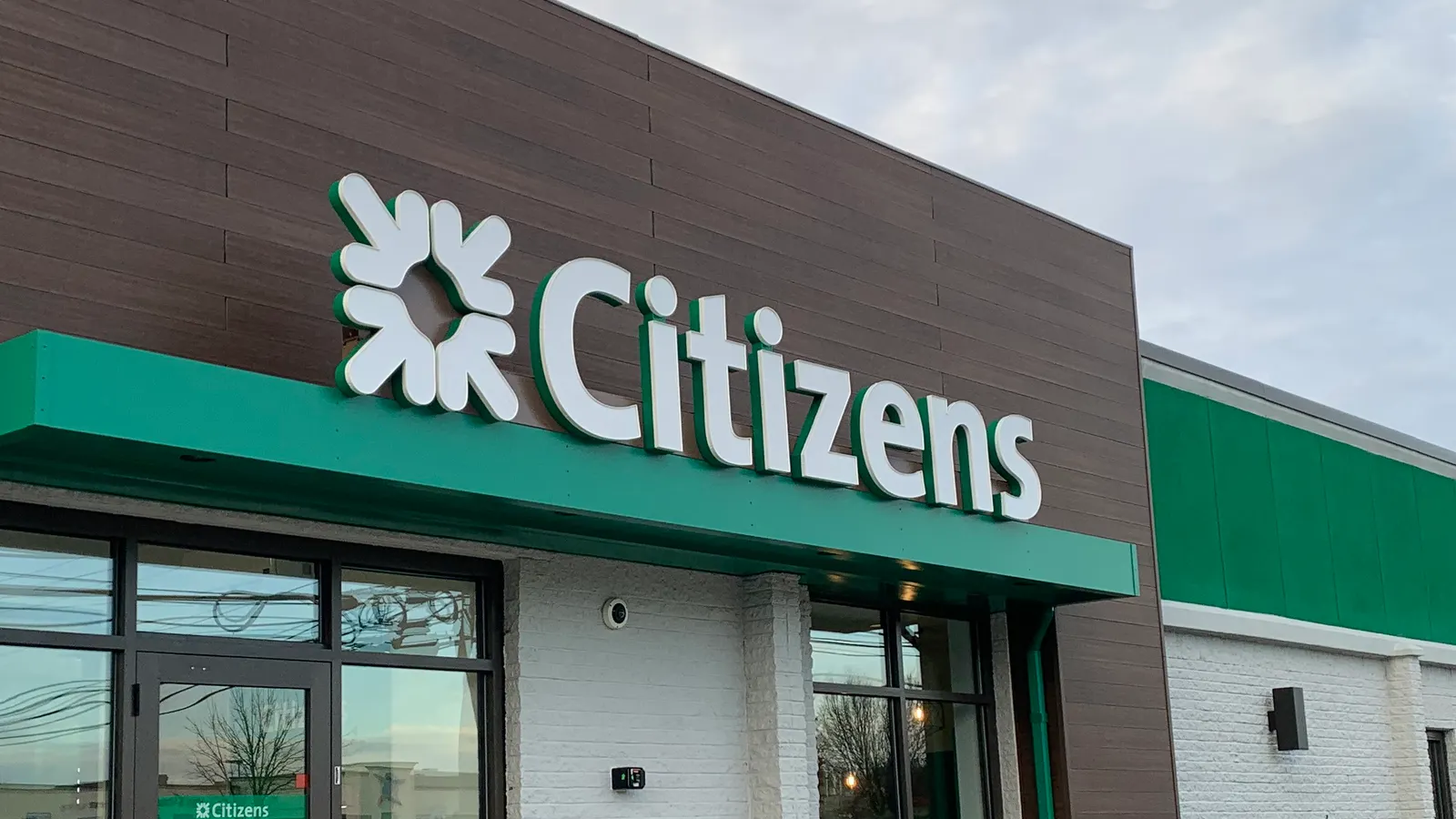
Citizens Bank is embarking on a significant strategic transformation of its physical footprint, announcing plans to close between 100 and 120 supermarket-based locations and simultaneously launch 50 to 60 new, smaller, standalone branches. This strategic pivot, revealed during the bank’s second-quarter earnings presentation on Thursday, signifies a deliberate move to reorient its retail operations towards offering more specialized advice, private banking, wealth management services, and catering to the needs of small businesses, rather than focusing on traditional transactional banking.
The rationale behind this ambitious restructuring was articulated by Citizens CEO Bruce Van Saun during a conference call on Thursday. "This type of careful investment in physical locations and in people, if executed well, should create a nice lift in the deposit trajectory without taking on the risk and significant capital expenditure of opening a whole bunch of de novos outside of the footprint," Van Saun stated. This approach underscores a commitment to optimizing the existing operational territory rather than aggressive geographic expansion.
This strategy aligns with sentiments previously expressed by other senior Citizens executives. In May, Matt Boss, head of Citizens’ consumer bank, told Banking Dive, "The 14 states we operate in today offer more than enough opportunity when it comes to the consumer bank." This perspective positions Citizens as focused on deepening its penetration and service offerings within its established markets, a contrast to the expansionary strategies adopted by some of its regional banking peers.
In contrast to Citizens’ inward-looking strategy, other regional banks, such as Ohio-based Huntington and Fifth Third, have pursued growth through acquisition in new territories. Last year, both banks expanded their reach by acquiring lenders headquartered in Texas, signaling a different approach to market development.
The seeds of Citizens’ current branch strategy were sown as early as April 2025, when Nuno Dos Santos, Citizens’ head of branch distribution, highlighted the bank’s "aggressive" stance on reinvesting in the transformation of its existing locations. This proactive approach indicates a long-term vision for optimizing the bank’s retail presence.
Rethinking the Branch Footprint: From Transaction Hubs to Advisory Centers
The physical manifestation of this strategic shift is evident in the design and size of the new and renovated branches. Previously, supermarket branches often occupied close to 7,000 square feet. The new or renovated standalone branches are significantly smaller, ranging from approximately 2,000 to 3,000 square feet. This reduction in size is directly correlated with a diminished emphasis on high-volume transactions and a heightened focus on creating more intimate and conducive spaces for banker-client conversations.
Brendan Coughlin, President of Citizens, spoke to Banking Dive in March about this transformation, specifically referencing "surgery around some of our legacy markets," particularly in New England. This "surgery" involves a strategic repositioning of the bank’s services to cater more effectively to the "mass-affluent customers and above." The goal is to create branches that are "more impressive, [on] the right corner, [with] the right staffing," thereby enhancing the overall client experience and service delivery for higher-value segments.
Citizens is not an outlier in targeting the mass-affluent demographic. Other prominent financial institutions, including Truist and Regions, have also publicly articulated strategies to pivot their retail operations towards serving this lucrative customer segment. Truist, for instance, has announced plans for new branches and renovations aimed at enhancing customer experience, while Regions has focused on upskilling its bankers to better serve small businesses and the mass-affluent through relationship management.
Furthermore, the trend of divesting from in-store supermarket branches is not unique to Citizens. This practice gained momentum following significant consolidation in the banking sector. When Huntington acquired TCF in 2021, it led to the closure of nearly 100 branches that were housed within Meijer grocery stores in Michigan. Similarly, People’s United, prior to its acquisition by M&T, closed 140 branches located inside various Stop & Shop supermarkets. Other major players like U.S. Bank and PNC have also previously made similar strategic decisions to close or reconfigure branches situated within grocery store chains. These actions reflect a broader industry recognition that the traditional supermarket branch model may no longer be the most effective or efficient way to serve evolving customer needs.
Financial Outlook and Strategic Goals
Citizens projects that this comprehensive branch retooling will not impede its ambitious financial targets. The bank anticipates achieving a return on tangible common equity (ROTCE) of 16% to 18% by the end of 2027, a key indicator of profitability and efficiency.
The bank’s second-quarter earnings statement, released concurrently with the branch strategy announcement, provided a snapshot of its current financial health. Citizens reported a ROTCE of 13.9% for the second quarter, an increase from 12.2% in the preceding three-month period. This upward trend suggests positive momentum in the bank’s profitability metrics.
Beyond ROTCE, Citizens demonstrated strong performance in other key financial areas. The bank’s profit surged by 35% year over year in the second quarter, reaching $587 million. Revenue also saw a significant increase, rising 12% year over year to $2.3 billion, according to the figures reported on Thursday. These robust financial results provide a solid foundation for the planned strategic investments and operational shifts.
Broader Implications and Industry Trends
Citizens’ strategic repositioning reflects a larger trend within the banking industry towards a more differentiated and customer-centric approach to branch networks. The decline in transactional banking, driven by the proliferation of digital channels, has prompted many banks to re-evaluate the purpose and format of their physical presence.
The shift towards advisory-focused branches and the emphasis on serving higher-net-worth individuals and small businesses align with the evolving demands of a more sophisticated consumer base. For mass-affluent customers, access to personalized financial advice, wealth management, and specialized lending solutions becomes paramount. For small businesses, dedicated relationship managers and tailored financial products can be critical drivers of growth.
The closure of supermarket branches, while potentially impacting convenience for some customers, is often a pragmatic decision driven by declining foot traffic and the cost-effectiveness of maintaining smaller, more strategically located standalone facilities. The success of this strategy will likely hinge on Citizens’ ability to effectively redeploy its resources, train its staff for new roles, and leverage technology to complement its in-person services.
The bank’s decision to focus on its existing 14-state footprint suggests a strategy of market consolidation and deepening customer relationships rather than broad geographic expansion. This approach can be less capital-intensive and may allow for more targeted marketing and service delivery.
The success of this transformation will be closely watched by industry analysts and competitors. If Citizens can successfully execute its plan, it could serve as a model for other regional banks seeking to optimize their retail strategies in a rapidly changing financial landscape. The coming years will reveal whether this carefully calibrated investment in physical spaces and human capital will indeed yield the desired deposit growth and enhanced profitability, solidifying Citizens’ position as a leading provider of personalized financial services.
The bank’s ability to attract and retain mass-affluent clients and small business owners will be crucial. This will require not only well-designed and strategically located branches but also highly skilled and relationship-oriented banking professionals. The focus on advice and private banking suggests a move away from a purely transactional model towards one that fosters deeper, long-term client engagement.
Moreover, the integration of digital capabilities with the enhanced in-person experience will be a key determinant of success. Customers will expect seamless transitions between online, mobile, and in-branch interactions. Citizens’ investment in technology will need to complement its physical branch strategy to provide a truly omni-channel banking experience.
The projected financial targets, particularly the ROTCE goal by 2027, indicate a long-term vision for sustained profitability and shareholder value. The current performance metrics suggest the bank is on a trajectory to meet these objectives, but the execution of the branch network overhaul will be a critical factor in achieving these ambitious goals. The coming quarters will provide further insights into the impact of these strategic changes on Citizens Bank’s market position and financial performance.