The rapid evolution of artificial intelligence is creating a widening chasm between cutting-edge lab developments and the practical integration capabilities of the broader economy. This gap is not solely a matter of raw intelligence, but critically hinges on how effectively businesses can understand and harness AI’s transformative potential. It is this crucial intersection that has positioned Sable, a burgeoning startup, as a significant player, prompting enthusiastic partnership and investment from prominent venture capital firms.
At its core, Sable is developing an AI employee that leverages real-time computer vision and interaction. This innovative approach aims to replicate the effectiveness of having a top-tier product expert present in every customer interaction, scaled infinitely and without the constraints of human time or capacity. Imagine a scenario where a business needs every potential buyer to achieve a profound understanding of its product or service. The ideal solution would be to deploy an expert for each engagement. This expert would meticulously learn the customer’s specific objectives, demonstrate empathy, and showcase the product’s capabilities through practical demonstration rather than mere description. They would be equipped to answer any question, adapt to varying levels of user expertise, and remain engaged until the customer grasps not only the product’s features but also its potential benefits. Crucially, this level of personalized attention would be extended to every prospect, not just high-value accounts.
Sable’s AI, codenamed "Aidan," embodies this vision. It is described as the first AI employee capable of independently leading customer calls, integrating vision, voice, and real-time browser interaction. Despite being less than a year old, Sable has already attracted significant interest from both forward-thinking startups and established enterprises. Companies like Notion, utilizing Sable’s custom agents, and Decagon, with its agent-building platform, are reportedly among its early adopters, alongside large public corporations. The demand for such AI employees is described as "staggering," with a broad spectrum of organizations eager to deploy them. This includes rapidly growing companies striving to meet escalating demand and larger enterprises looking to accelerate growth through AI integration. The market pull for this novel capability is so pronounced that Sable boasts a waitlist of over 150 companies.
Technological Foundations and Market Validation
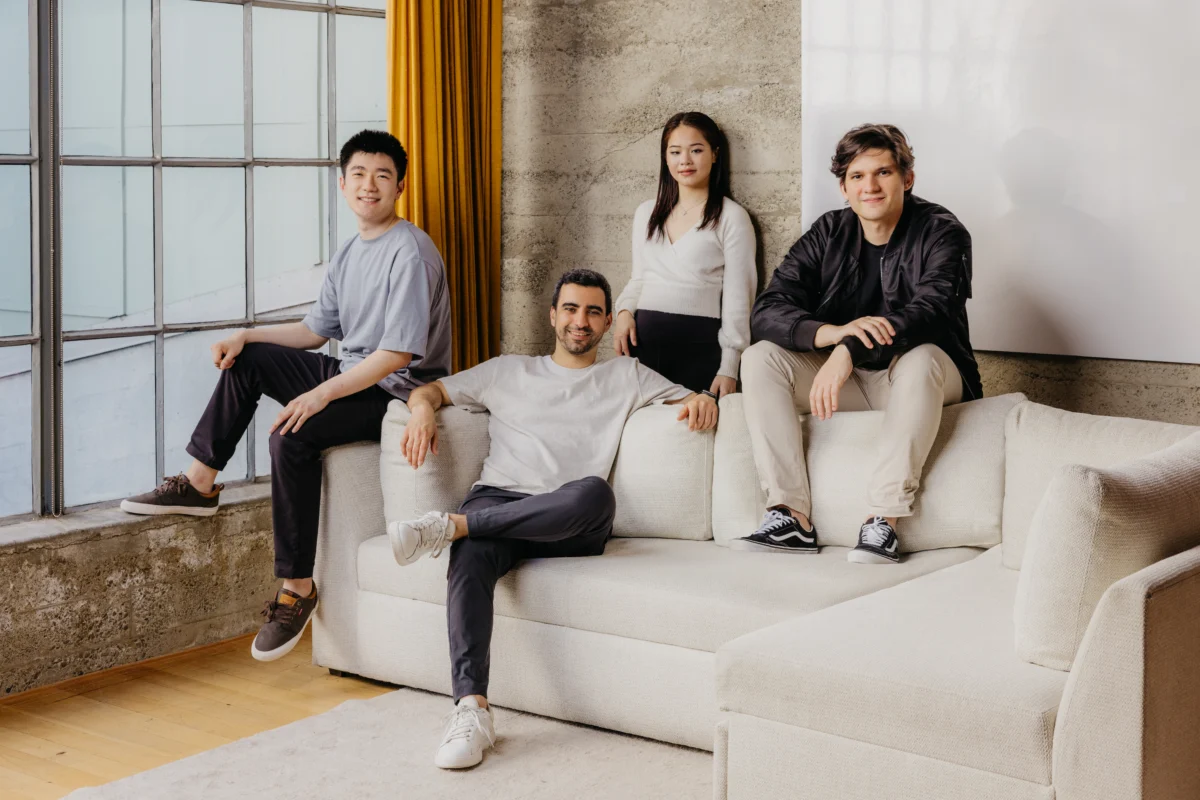
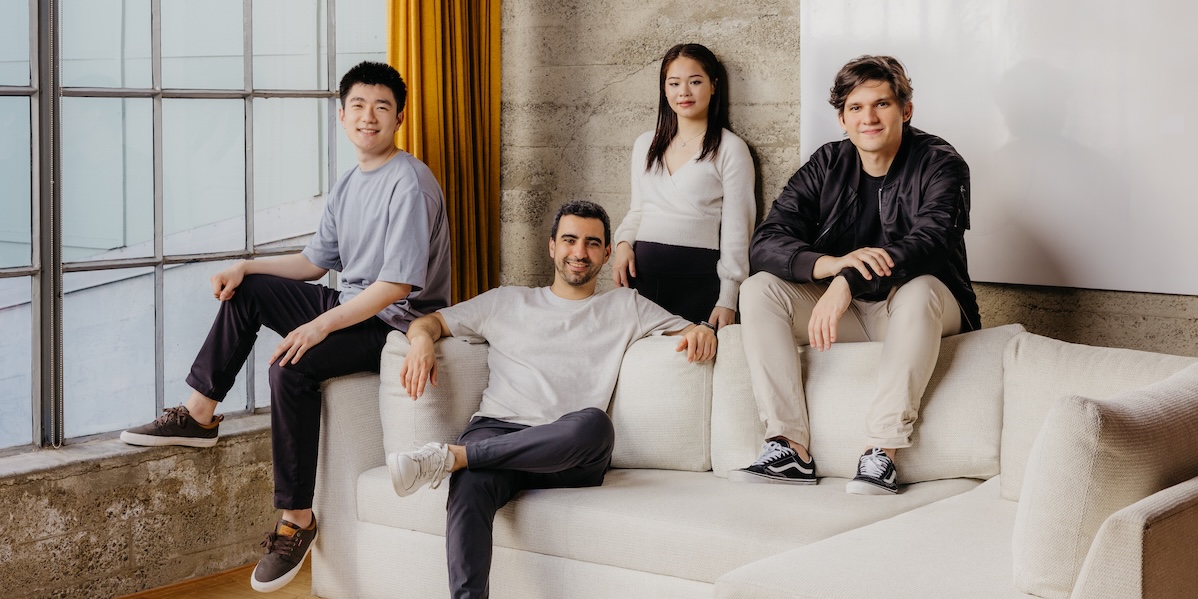
The successful deployment of these multimodal AI employees necessitates a confluence of deep customer understanding and pioneering technological advancements. Sable’s innovation lies in its ability to address critical challenges at the frontier of AI, including low-latency browser interaction, real-time visual processing, and seamless simultaneous human-agent collaboration. The company’s founding team, comprising Nim, Leon, Linda, and Itamar, brings a unique blend of academic rigor and practical experience from prestigious institutions and technology giants.
These four co-founders are alumni of Harvard University, where they specialized in advanced AI research areas such as post-training reinforcement learning and multimodality. Their collective professional backgrounds include stints at industry leaders like SpaceX, Google, Meta, and Together AI, providing them with invaluable insights into building and scaling complex technological solutions.
Nim, the co-founder and CEO, is highlighted as a rare combination of visionary leadership and exceptional talent acquisition capability. His experience in assembling high-caliber teams to tackle ambitious projects is seen as a foundational element of Sable’s ethos. The company’s commitment to hiring exceptional talent is evident in its early hires, which include a diverse group of applied AI researchers and customer-focused engineers. This talent pool comprises ten Harvard alumni, former quantitative traders, and recipients of accolades such as the International Math Olympiad. This strategic focus on elite talent is critical for navigating the complexities of developing frontier AI technologies.
Investment and Future Outlook
The compelling combination of an exceptionally strong founding team, demonstrable market demand, and an ambitious vision has spurred significant investor confidence. Sequoia Capital, a prominent venture capital firm, has taken a leading role in funding Sable’s growth. The firm led Sable’s seed round and co-led its Series A funding, signaling a strong belief in the company’s potential.
Sequoia Capital views Sable as instrumental in building foundational infrastructure for businesses to effectively manage their AI employees. The firm’s investment underscores the growing recognition of AI as a strategic imperative for businesses seeking to enhance customer engagement, improve operational efficiency, and drive innovation.
The implications of Sable’s technology extend beyond mere customer support. The ability to deploy AI agents that can understand context, demonstrate products, and engage in nuanced conversations has the potential to revolutionize sales, marketing, education, and training across various industries. As AI continues its rapid advance, the demand for solutions that bridge the gap between theoretical capabilities and practical application will only intensify. Sable appears poised to be a significant facilitator of this transition, enabling businesses to leverage the power of AI in a tangible and impactful way. The company’s progress and the market’s enthusiastic response suggest that the era of the AI employee is not a distant future but a rapidly unfolding present.
Broader Impact and Implications
The development of AI employees like Aidan signifies a paradigm shift in how businesses interact with their customers and manage internal operations. Historically, the scalability of human expertise has been a limiting factor in customer engagement. Businesses often faced trade-offs between the depth of personalization and the breadth of reach. Sable’s AI aims to eliminate this compromise.
The ability of Aidan to understand and respond to complex inquiries in real-time, coupled with its capacity for visual demonstration through browser interaction, addresses a critical need for more engaging and effective digital communication. This is particularly relevant in industries with complex products or services, where a thorough understanding is paramount for customer conversion and retention.
Furthermore, the "AI employee" concept has broader implications for the future of work. While not replacing human workers entirely, these AI agents can augment human capabilities, freeing up valuable human time for more strategic, creative, and empathetic tasks. This can lead to increased productivity, improved employee satisfaction, and a more agile workforce. The investment from Sequoia Capital, a firm known for backing transformative technologies, suggests that the market is aligning with this perspective.
The timeline for the widespread adoption of such AI employees will likely be influenced by several factors, including ongoing advancements in AI research, the development of robust ethical guidelines, and the ability of businesses to adapt their organizational structures and workflows. However, with companies like Notion and Decagon already exploring Sable’s capabilities, the trajectory suggests a swift integration into the business landscape.
The success of Sable also highlights the growing importance of interdisciplinary expertise in the AI field. The founding team’s blend of computer science, mathematics, and business acumen is a testament to the multifaceted nature of developing truly impactful AI solutions. This interdisciplinary approach is crucial for not only technological innovation but also for understanding the nuanced human and business needs that AI is intended to serve.
In conclusion, Sable’s emergence with its AI employee technology represents a significant leap forward in making advanced AI accessible and practical for businesses. The company’s focus on real-time, multimodal interaction, backed by a stellar team and substantial investor support, positions it as a key innovator in the evolving landscape of artificial intelligence and its integration into the global economy. The journey ahead for Nim, Leon, Linda, and Itamar promises to be one of shaping the future of how businesses operate and engage in the AI-driven era.