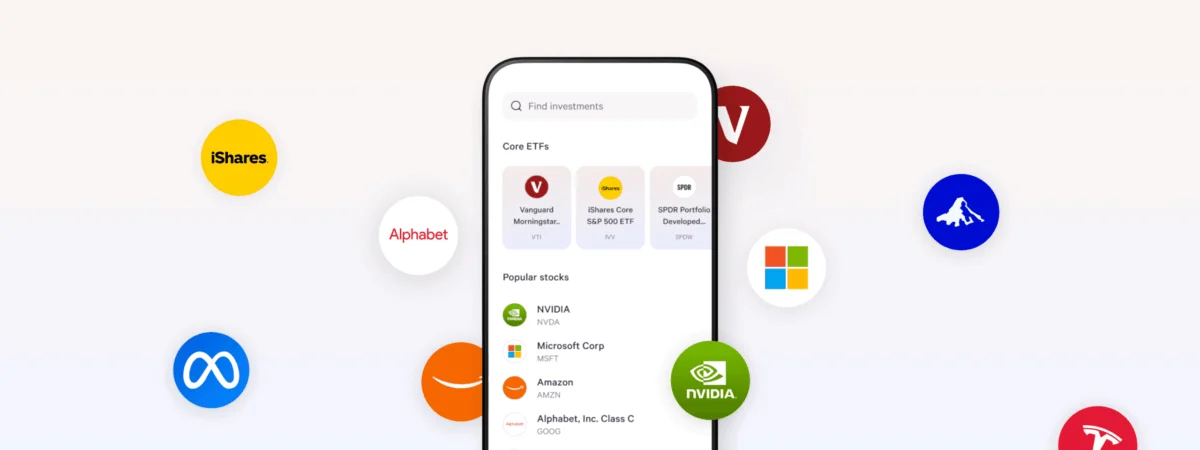
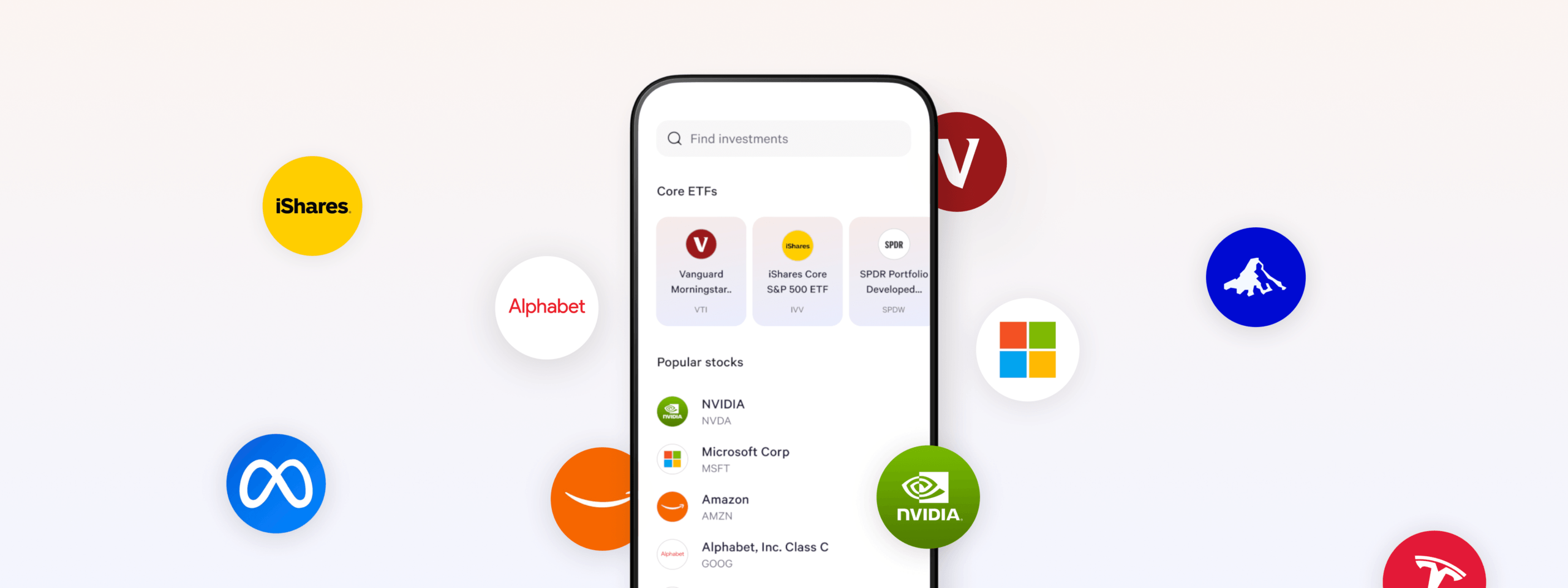
Wealthfront, a prominent player in the automated wealth management sector, has officially announced a significant expansion of its self-directed Brokerage Account features, signaling a strategic pivot toward offering a more comprehensive, all-in-one financial ecosystem for retail investors. This update represents a major integration of the features previously housed within the company’s standalone Stock Investing Account, effectively consolidating the platform’s trading capabilities into a singular, streamlined interface. The move allows users to execute instant trades, establish recurring investment schedules, and utilize limit orders across an expanded universe of over 8,000 stocks and exchange-traded funds (ETFs).
The Evolution of the Wealthfront Platform
For years, Wealthfront built its reputation primarily on its automated investment services, often referred to as "robo-advising," which utilized passive indexing strategies to manage portfolios for long-term growth. However, the market shift toward self-directed trading—accelerated by the democratization of stock market access—compelled the firm to evolve.
The integration of these new features marks a transition from a purely advisory-led model to a hybrid platform. By incorporating instant trading and sophisticated order types, Wealthfront is directly competing with high-frequency trading platforms and traditional brokerages that have long catered to active retail traders. The expansion of the investable universe to over 8,000 assets ensures that clients have access to the majority of major U.S.-listed securities, bridging the gap between passive wealth building and active market participation.
A Chronology of Strategic Expansion
The path to this current update has been marked by a series of incremental product launches aimed at retaining users within the Wealthfront ecosystem.
- Early Years: Wealthfront focused strictly on automated portfolios, emphasizing low-cost, tax-loss-harvesting strategies.
- The Cash Account Launch: Recognizing that liquidity is a key component of financial planning, Wealthfront introduced the Cash Account, offering high-yield competitive interest rates. This served as the bedrock for the current integrated ecosystem.
- Initial Stock Investing: The firm launched a standalone Stock Investing Account, allowing users to dabble in individual equities alongside their automated portfolios.
- Current Integration (October 2026): The unification of these products into a single Brokerage Account represents the final stage of this phase, providing a seamless transition between cash management and equity trading.
Financial Synergy: The Cash-to-Equity Pipeline
One of the core value propositions highlighted by Wealthfront is the interoperability between its Cash Account and the new Brokerage Account. In the current economic climate, where interest rates fluctuate, the ability to earn an industry-leading Annual Percentage Yield (APY) while waiting for the right entry point in the market is a significant draw.
By allowing users to hold idle capital in a high-yield environment and deploy it into the market with as little as $1, Wealthfront is effectively reducing the friction associated with investing. This "cash-management-first" approach is designed to prevent "cash drag," a condition where investors miss out on potential interest income while waiting for market opportunities. Data suggests that investors who maintain a high-yield buffer are often more disciplined in their market entry, as they are less likely to liquidate long-term holdings prematurely to cover short-term capital needs.
Operational Mechanics and Technical Upgrades
The introduction of limit orders is perhaps the most requested feature for active traders transitioning to the Wealthfront platform. Unlike market orders, which execute at the current prevailing price, limit orders provide price protection, ensuring that an investor does not pay more than their specified limit for a purchase or receive less than their target for a sale.
Furthermore, the implementation of recurring investments addresses the "dollar-cost averaging" strategy, which remains the gold standard for long-term retail success. By automating the purchase of specific stocks or ETFs on a set schedule, investors can mitigate the emotional stress of timing the market. The technical infrastructure supporting these trades has been upgraded to facilitate near-instant execution during market hours, though the firm maintains strict disclosure protocols regarding the realities of market liquidity and execution speeds.
Future Roadmap and Institutional Strategy
According to Dave Myszewski, Vice President of Product at Wealthfront, the platform’s development is guided by the philosophy of "favoring people over institutions." This shift is evidenced by the company’s stated roadmap, which includes the pending rollout of Joint Brokerage Accounts and Trust Brokerage Accounts.
By expanding the accessibility of these account types, Wealthfront is signaling its intent to capture a larger share of the wealth management market—specifically targeting households and multigenerational wealth planning. Additionally, the development of a Portfolio Line of Credit (PLOC) indicates that the company intends to allow clients to borrow against their investment portfolios, a service typically reserved for high-net-worth clients at traditional private banks.
Market Analysis and Implications
The broader implications of Wealthfront’s expansion are clear: the retail brokerage landscape is becoming increasingly commoditized. With major players like Schwab, Fidelity, and Robinhood all offering similar features, the competitive advantage now lies in user experience (UX) and the integration of auxiliary financial services.
Wealthfront’s strategy appears to be one of "stickiness." By providing a high-yield cash account, automated investment services, and now a robust self-directed brokerage, the firm is attempting to become the primary financial hub for its clients. If an investor can manage their emergency fund, their retirement portfolio, and their individual stock picks under one roof, the cost of switching to a competitor increases significantly.
However, the firm faces challenges. As it moves into the territory of active trading, it must navigate the regulatory scrutiny that accompanies such services. The disclosure provided by Wealthfront underscores that the Brokerage Account is a self-directed service, meaning the responsibility for risk management and due diligence rests squarely on the investor. The firm’s continued emphasis on "passive-first" automated investing remains a critical safeguard, ensuring that it does not alienate its core user base while courting active traders.
Regulatory and Risk Disclosures
It is imperative for investors to understand the distinction between the various products offered by the firm. The Brokerage Account, offered by Wealthfront Brokerage LLC, is a member of FINRA and SIPC. This provides a baseline of protection for securities held in the account in the event of firm insolvency, though it does not protect against investment losses resulting from market volatility.
The Cash Account, while highly popular, is not a bank deposit account. Instead, it operates through a sweep program that distributes funds across several Program Banks. This structure is designed to provide security and yield but is distinct from a traditional checking or savings account. Investors are cautioned that all investments carry inherent risks, and past performance is never a reliable indicator of future results.
As Wealthfront moves into this next phase of growth, the integration of these features will likely serve as a litmus test for whether a modern, tech-forward platform can successfully blend the high-touch requirements of wealth management with the high-speed demands of the modern day-trader. With the addition of more account types and lending services on the horizon, the firm is positioning itself as a comprehensive alternative to the legacy financial institutions that have dominated the industry for decades.