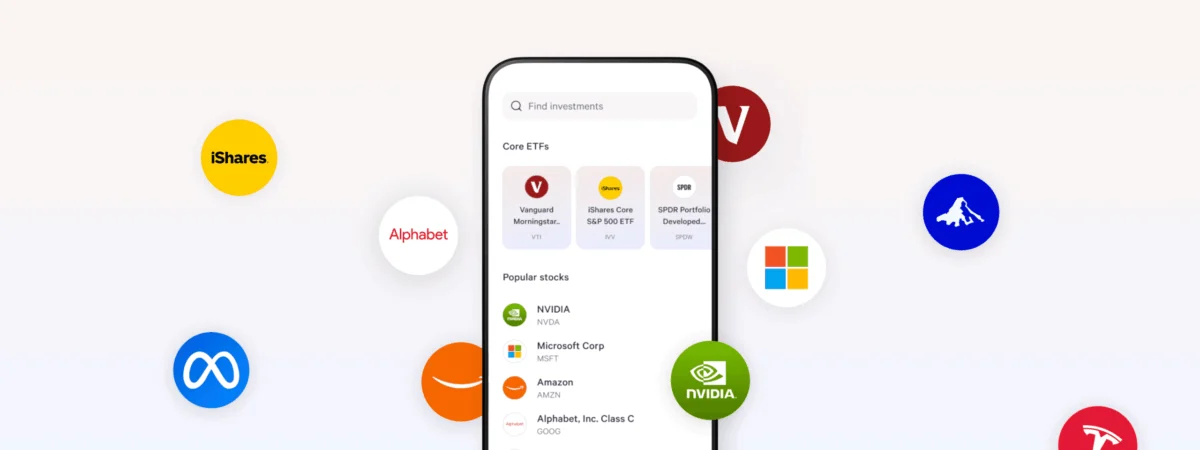
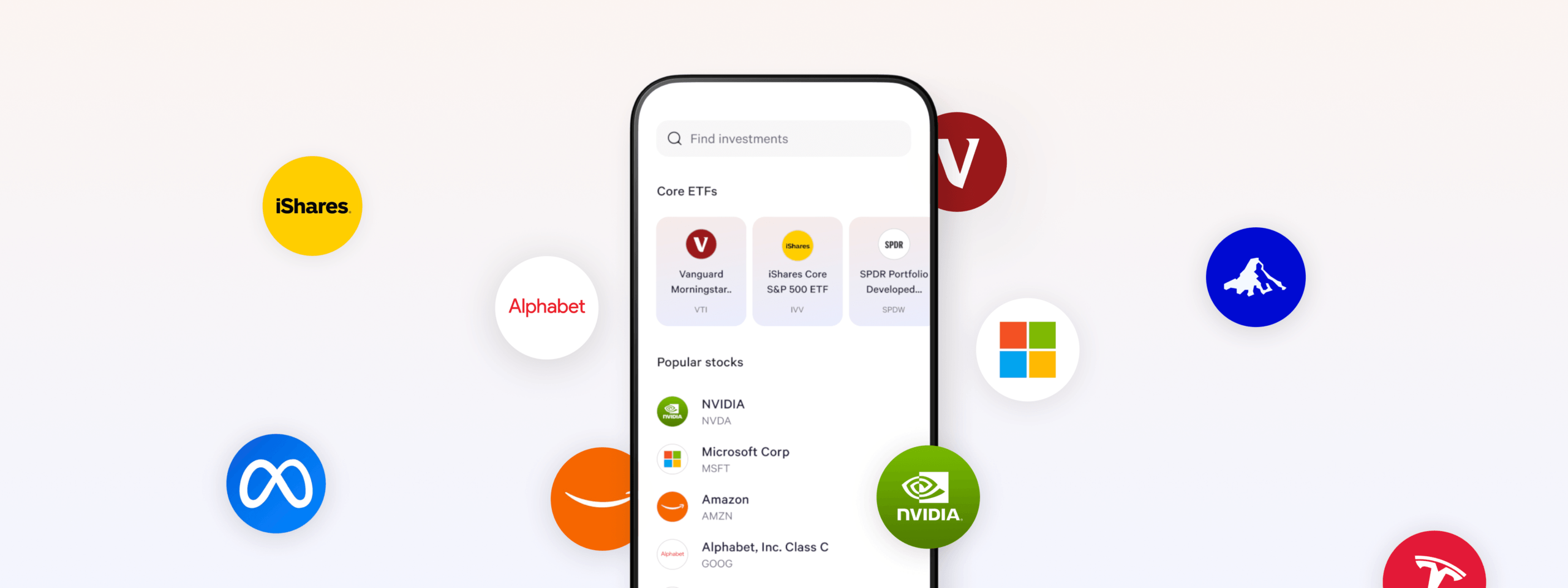
Wealthfront, a prominent leader in the automated investment services sector, has announced a significant expansion of its flagship Brokerage Account. By integrating advanced trading features—including instant execution, recurring investment scheduling, and limit orders—the company is positioning its self-directed brokerage platform to compete more aggressively with traditional full-service brokerages. This update, which follows the sunsetting of its dedicated Stock Investing Account, consolidates the firm’s equity offerings into a single, cohesive ecosystem. With access to over 8,000 individual stocks and exchange-traded funds (ETFs), Wealthfront is aiming to capture a larger share of the retail investor market by emphasizing a balance between sophisticated trading tools and a simplified, user-centric interface.
The Evolution of Wealthfront’s Investment Suite
The trajectory of Wealthfront’s product development has been marked by a transition from a purely passive, automated portfolio management firm to a comprehensive personal finance hub. Historically, Wealthfront focused on "robo-advisory" services—using algorithms to manage diversified portfolios for long-term growth. However, market demand for self-directed autonomy led to the launch of the Stock Investing Account, which allowed users to select specific assets.
The current announcement represents the maturation of that strategy. By merging the Stock Investing Account features into the primary Brokerage Account, Wealthfront is reducing the friction for clients who wish to maintain both managed portfolios and self-directed equity holdings under one roof. According to Dave Myszewski, Vice President of Product at Wealthfront, this move is part of a broader commitment to building a financial ecosystem that prioritizes individual autonomy over traditional institutional constraints.
Chronology of Platform Expansion
Wealthfront’s expansion of its brokerage capabilities did not occur in a vacuum. The timeline of its growth reflects a strategic effort to become an all-in-one financial destination for its user base:
- Early Years: Focus on automated, index-based portfolio management (robo-advisory).
- Expansion into Banking: Introduction of the Wealthfront Cash Account to provide high-yield alternatives to traditional savings accounts.
- The Rise of Self-Directed Investing: Launch of the dedicated Stock Investing Account, providing users the ability to buy individual stocks and ETFs.
- Consolidation (October 2026): Migration of Stock Investing capabilities into the core Brokerage Account, introducing instant trading, limit orders, and expanded asset selection (8,000+ securities).
- Future Roadmap: Integration of Joint Brokerage Accounts, Trust Brokerage Accounts, and the rollout of Portfolio Lines of Credit.
Strategic Implications and Market Dynamics
The inclusion of limit orders and instant trade execution is a critical shift for Wealthfront. In the world of high-frequency and retail trading, execution speed and price control are paramount. A limit order allows an investor to set a specific price at which they are willing to buy or sell, protecting them against market volatility during the execution window. By providing these tools, Wealthfront is moving away from the "set it and forget it" model of traditional robo-advising toward a hybrid model that appeals to both passive savers and active traders.
From a competitive standpoint, Wealthfront is attempting to bridge the gap between "neobrokers," which prioritize high-frequency, gamified trading, and traditional brokerages, which offer deep research but often complex, high-fee interfaces. Wealthfront’s strategy relies on the "Cash Account integration." Because users can park their idle cash in a high-APY Cash Account, they are incentivized to keep their assets within the Wealthfront ecosystem even when they are not actively trading. This liquidity strategy creates a "sticky" user base, as the platform acts as both a savings vehicle and an investment terminal.
The Financial Architecture of the Brokerage Account
The technical architecture of the account is designed to minimize the complexity typically associated with stock market entry. Wealthfront has categorized its expanded list of 8,000+ assets into thematic groups—such as industry-specific ETFs or popular sectors—to assist novice investors who may be overwhelmed by the vastness of the stock market.
The integration of the Cash Account provides a unique utility: the ability to invest as little as $1. This fractional share capability lowers the barrier to entry, allowing younger investors or those with smaller capital bases to build diversified portfolios. By utilizing the cash sweep feature, where balances are held at program banks to earn variable APY, Wealthfront ensures that the opportunity cost of holding cash is mitigated until the user identifies a favorable entry point in the market.
Regulatory and Risk Considerations
As with all self-directed brokerage offerings, Wealthfront’s expansion comes with the standard disclaimer regarding market risk. Wealthfront Brokerage LLC is a member of FINRA and SIPC, providing a layer of protection for investors. However, the company is careful to distinguish between its advisory services and its brokerage services.
In its official disclosures, the firm emphasizes that the Brokerage Account is a self-directed product. This means that, unlike the firm’s managed portfolios, the responsibility for investment decisions lies entirely with the client. The firm does not provide investment or tax advice within the context of these self-directed trades. Investors are cautioned that securities investments are not bank deposits, are not FDIC-insured, and are subject to the inherent volatility of the market. The firm’s transparency regarding these risks—particularly regarding the execution of trades during market hours—is a standard practice for regulated entities, ensuring that users understand the potential for slippage or liquidity constraints during periods of high market volume.
Broader Impact on the Fintech Landscape
The shift toward "one-stop-shop" finance platforms is a trend currently defining the fintech industry. By bundling high-yield cash management, automated wealth management, and now robust self-directed brokerage, Wealthfront is positioning itself to capture the "wallet share" of the modern investor.
Industry analysts observe that companies like Wealthfront are attempting to solve the fragmentation problem. Historically, an investor might have had a savings account at a traditional bank, a retirement account with a brokerage, and a crypto wallet on a separate exchange. Wealthfront’s strategy is to minimize this fragmentation, thereby increasing the switching costs for the user. As the company prepares for the next phase of its roadmap—including Trust Accounts and Portfolio Lines of Credit—it is clear that the goal is to provide a comprehensive banking and investment experience that can scale with the user’s growing wealth.
Conclusion and Looking Ahead
Wealthfront’s latest update is a testament to the evolving expectations of the retail investor. The modern user demands the speed and accessibility of a mobile app, combined with the reliability and security of a established financial institution. By refining its Brokerage Account with features that were previously missing—such as limit orders and a broader selection of ETFs—Wealthfront has addressed the primary feedback from its power users.
As the firm moves forward, the success of these new features will depend on the continued reliability of its execution engine and the ability to maintain its high-yield APY competitiveness. With the announced pipeline of new account types (Joint and Trust) and credit products (Portfolio Line of Credit), Wealthfront is signaling that it intends to remain a central player in the personal finance space, catering to a diverse demographic that ranges from those just beginning their investment journey to those managing complex, multi-generational wealth.
For the average user, these changes translate into greater flexibility. Whether utilizing the platform for its hands-off automated portfolios or for self-directed, tactical trading, the underlying infrastructure is now significantly more robust. The integration of cash and equity management ensures that for many, Wealthfront will remain the primary hub for their financial life, keeping their money "working" even when it is not actively participating in the market. As the sector continues to evolve, the focus on user experience and product consolidation will likely remain the primary battleground for fintech companies competing for the retail investor’s trust and capital.