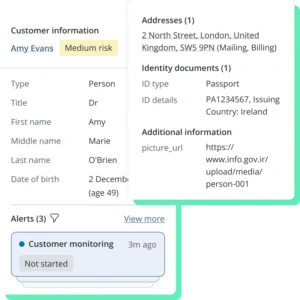
In an era defined by rapid digital transformation and the increasing sophistication of global financial crime, the imperative for robust Know Your Customer (KYC) protocols has never been more critical. As cyberattacks against financial institutions grow in both frequency and complexity, the burden of verifying customer identity has shifted from a manual, paper-heavy chore to a high-stakes, technology-driven necessity. Modern financial institutions are now required to navigate a labyrinth of international regulations, ranging from the European Union’s Anti-Money Laundering Directives (AMLD) to the USA PATRIOT Act, ensuring that their platforms are not weaponized for money laundering, terrorist financing, or sanctions evasion.
The transition toward automated KYC compliance software is not merely a matter of convenience; it is a fundamental shift in risk management. Manually conducting background checks and document verification is no longer sustainable in a market where transaction speeds are measured in milliseconds and fraud tactics evolve in real-time. Organizations that fail to adopt advanced verification technology face not only the immediate threat of financial loss but also the looming specter of multi-million dollar regulatory fines and severe reputational damage.
The Regulatory Landscape and the Evolution of KYC
The necessity for rigorous KYC processes is rooted in the broader Anti-Money Laundering (AML) framework. Historically, KYC was a localized process, often requiring customers to present physical documentation at a bank branch. However, the rise of Fintech and the globalization of digital banking have rendered these legacy systems obsolete.
Chronologically, the modern KYC framework gained significant traction following the 9/11 attacks in 2001, which spurred global interest in tracking the movement of funds associated with illicit actors. Over the last decade, the focus has shifted toward "Continuous Monitoring." Rather than a one-time check at onboarding, financial institutions are now expected to conduct ongoing, perpetual due diligence. This involves re-screening customers against global watchlists—such as those maintained by OFAC (Office of Foreign Assets Control) and Interpol—whenever a significant transaction occurs or a risk profile changes.
Essential Criteria for Selecting Compliance Technology
Selecting the right KYC infrastructure requires a strategic assessment of an organization’s operational needs. When evaluating software providers, decision-makers should prioritize the following four pillars:
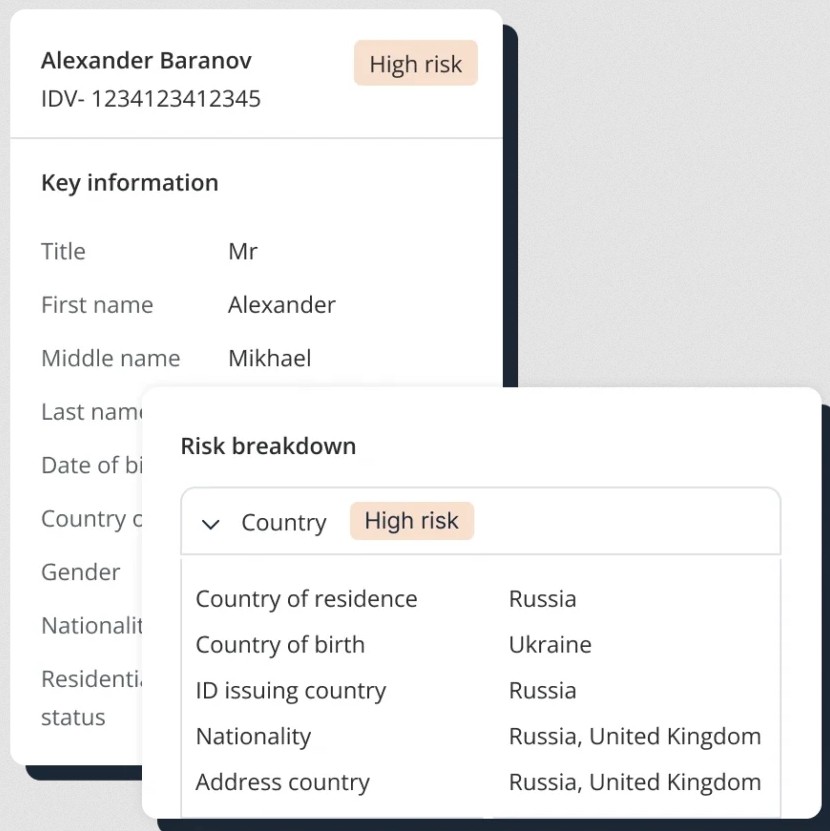
- Regulatory Coverage: The software must support the specific jurisdictional requirements of every region in which the institution operates.
- Integration Capability: A solution that does not seamlessly integrate with existing CRM or core banking systems via robust APIs will likely create data silos, undermining the efficiency gains the software is intended to provide.
- User Experience (UX): Friction during the onboarding process is a leading cause of customer abandonment. The tool should offer an intuitive, mobile-friendly interface for document uploads and liveness checks.
- Scalability and Cost: For startups, pay-per-verification models are often optimal, whereas enterprise-level institutions may require bespoke, flat-fee licensing to manage the costs associated with millions of users.
Top Tier KYC Compliance Platforms
1. NICE Actimize: The AI-Driven Powerhouse
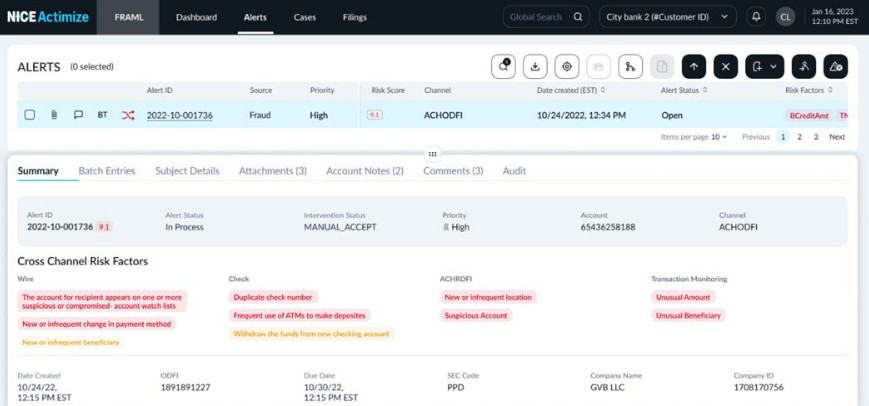
NICE Actimize is widely regarded as an industry standard for large-scale financial institutions. Its Xceed AI Financial Risk Management (FRAML) suite provides a holistic view of the customer. By leveraging advanced machine learning, it identifies anomalies in behavior that traditional, rule-based systems often miss.
- Key Features: Automated risk scoring, real-time transaction monitoring, and sophisticated entity resolution.
- Pros: Exceptional depth in fraud prevention and high configurability for complex institutional needs.
- Cons: The high barrier to entry and technical complexity make it better suited for Tier-1 banks rather than smaller Fintech startups.
2. ComplyAdvantage: Intelligence-Led Screening
ComplyAdvantage distinguishes itself by maintaining a proprietary, real-time global database of illicit actors and politically exposed persons (PEPs). This allows for near-instantaneous screening that adapts to new threat intelligence as it emerges.

- Key Features: Automated AML screening, negative news monitoring, and transaction risk analysis.
- Pros: Reduces false positives significantly, which saves compliance teams thousands of hours in manual review.
- Cons: Some smaller users may find the enterprise-tier pricing tiers to be restrictive.
3. Trulioo: Global Identity Verification
Trulioo provides a comprehensive identity verification platform that operates across more than 200 countries. It excels in navigating fragmented global ID databases, making it an ideal choice for organizations scaling across borders.
- Key Features: Global document verification, business verification (KYB), and AML watchlists.
- Pros: Unmatched international reach; highly efficient for cross-border operations.
- Cons: Customization for very niche, local regulatory requirements can sometimes require extensive support.
4. Sumsub: The Modular Approach
Sumsub offers a highly flexible, modular platform that allows businesses to toggle features like facial recognition, document verification, and transaction monitoring.
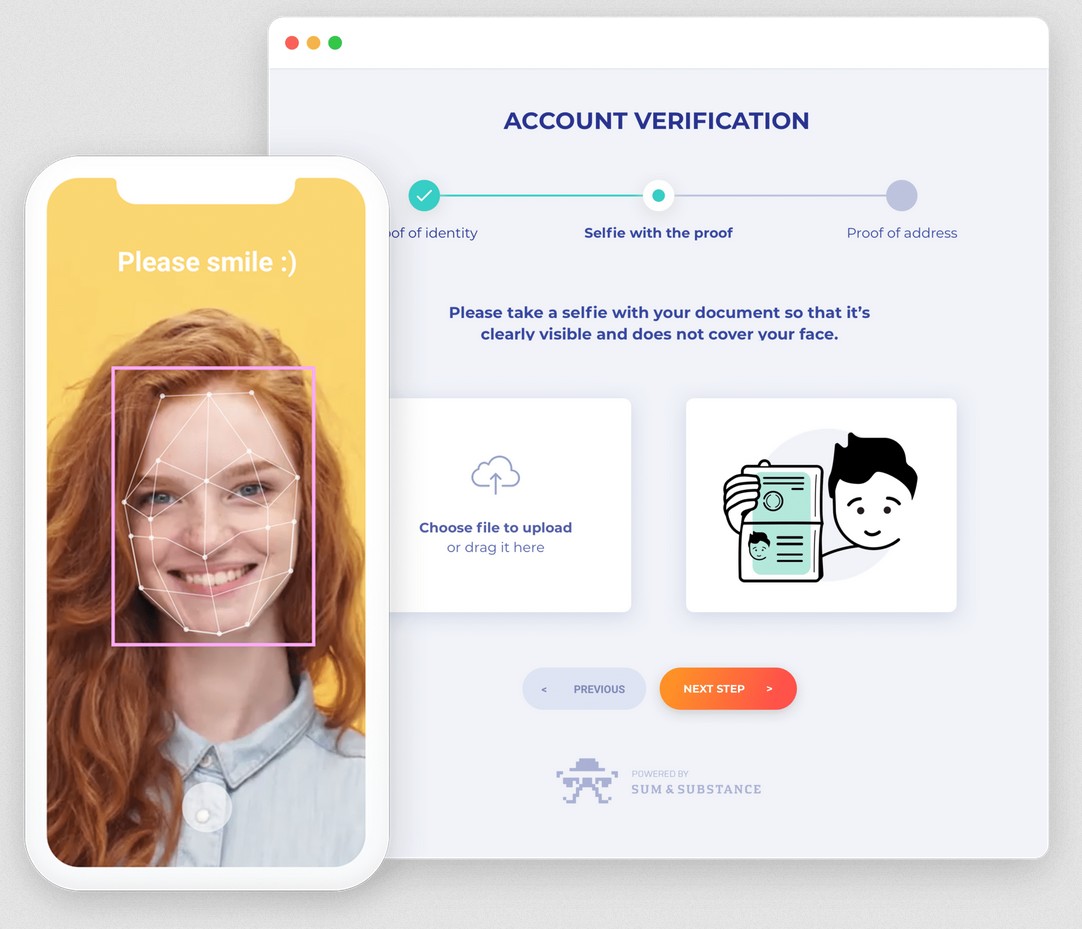
- Key Features: AI-powered liveness detection and automated document classification.
- Pros: Highly user-friendly; excellent for companies looking to balance compliance with a smooth onboarding experience.
- Cons: Pricing can scale rapidly based on volume, which requires careful budget forecasting.
5. ComplyCube: API-Centric Compliance
ComplyCube is a developer-friendly platform that focuses on ease of integration. It provides a seamless suite of SDKs that allow companies to embed KYC/AML processes directly into their applications.
- Key Features: Biometric verification, age verification, and document authentication.
- Pros: Fast deployment times and transparent pricing structures.
- Cons: While feature-rich, it may lack the massive, historical data-modeling capabilities of a tool like NICE Actimize.
6. Ondato: End-to-End Lifecycle Management
Ondato covers the entire client lifecycle, not just the initial onboarding. It excels in managing the ongoing "re-KYC" process, ensuring that customer data remains accurate over years of service.
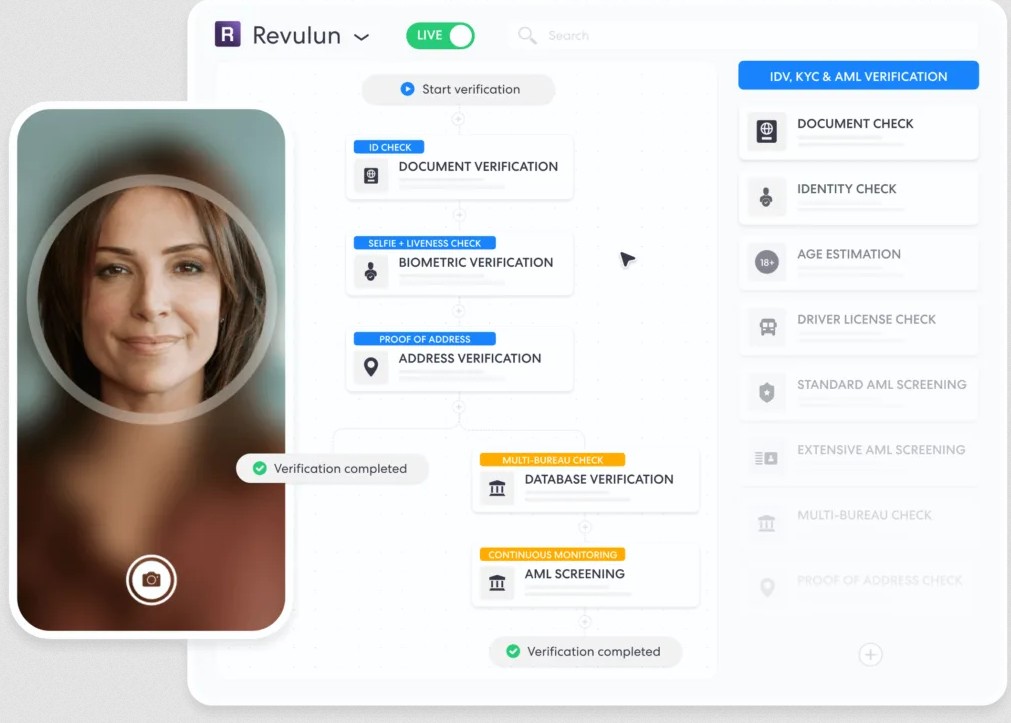
- Key Features: Continuous customer monitoring and automated risk management workflows.
- Pros: Strong focus on reducing administrative overhead for long-term customer management.
- Cons: Limited in comparison to global competitors regarding the breadth of supported legacy document types in obscure regions.
7. Plaid: Financial Connectivity and Identity
While widely known for its account aggregation services, Plaid’s Identity Verification product is a formidable tool. It leverages its deep connections with financial institutions to confirm account ownership and identity simultaneously.
- Key Features: Instant account authentication, liveness checks, and risk signal analysis.
- Pros: High conversion rates due to its ubiquity in the banking ecosystem.
- Cons: Primarily focused on the North American and European markets, with less reach in emerging markets.
8. Vespia: The Synergy of KYC and KYB
Vespia focuses on the often-overlooked area of Know Your Business (KYB), providing automated insights into corporate structures, ultimate beneficial owners (UBOs), and legal status.
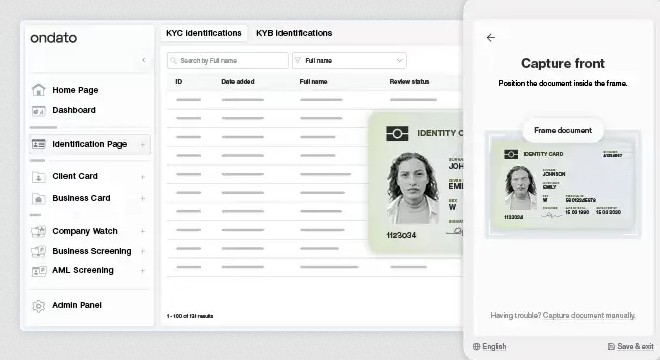
- Key Features: Automated business entity mapping and cross-jurisdictional compliance.
- Pros: Exceptional for B2B fintechs that need to verify corporate clients as rigorously as individuals.
- Cons: The platform is relatively newer compared to incumbents, leading to a smaller footprint in certain specific jurisdictions.
Broader Implications and Strategic Outlook
The rise of these software solutions highlights a broader transition in the global financial sector: the commoditization of trust. In the past, trust was a function of human relationships; today, it is a function of algorithmic verification.
Financial institutions that treat KYC as a "check-the-box" regulatory burden are at a distinct competitive disadvantage. The most successful firms are now using these tools to optimize their customer acquisition funnels. By reducing the time it takes to verify a user from days to seconds, companies are capturing market share that competitors lose due to clunky, outdated onboarding processes.

Looking ahead, we can expect the integration of decentralized identity (DID) and blockchain-based verification to further revolutionize this space. As digital sovereignty becomes a priority, the next generation of KYC software will likely move toward systems where users carry their verified credentials in a portable, privacy-preserving format, further reducing the data-storage burden on financial institutions.
In conclusion, the selection of KYC software is not merely an IT decision—it is a cornerstone of corporate strategy. Whether a firm chooses a robust, all-encompassing suite like NICE Actimize or a specialized, modular solution like Sumsub, the priority must remain the same: building a resilient, scalable, and compliant infrastructure that protects both the institution and its customers in an increasingly dangerous digital landscape.