The global financial landscape is currently navigating a period of unprecedented volatility, driven by the dual forces of rapid technological advancement and increasingly sophisticated criminal tactics. As artificial intelligence (AI) becomes a staple in the corporate world, it has simultaneously lowered the entry barriers for cybercriminals, facilitating a surge in complex financial crimes. The rise of Ransomware-as-a-Service (RaaS) has democratized digital extortion, allowing even low-resource groups to launch high-impact attacks against major organizations. Within this high-stakes environment, Anti-Money Laundering (AML) compliance is no longer a mere bureaucratic requirement but a critical defensive pillar. While ComplyAdvantage has long been a dominant force in the AML software-as-a-service (SaaS) market, a growing number of financial institutions are seeking alternatives that better align with their specific operational scales, budgetary constraints, and data requirements.
The Evolution of AML Compliance: From Manual Oversight to AI Integration
To understand the current demand for AML tools, it is necessary to examine the regulatory chronology that has shaped the industry. The modern compliance era began in earnest with the Bank Secrecy Act of 1970, which focused on basic record-keeping. However, the landscape shifted dramatically following the 9/11 attacks and the subsequent implementation of the USA PATRIOT Act, which mandated more rigorous "Know Your Customer" (KYC) protocols.
In the last decade, the introduction of the European Union’s 5th and 6th Anti-Money Laundering Directives (5AMLD and 6AMLD) and the U.S. Anti-Money Laundering Act of 2020 have raised the stakes. Non-compliance is no longer just a matter of administrative fines; it carries the risk of massive multi-billion dollar penalties and criminal liability for executives. According to industry data, global financial institutions were fined nearly $5 billion in 2023 alone for AML, KYC, and data privacy violations.
This regulatory pressure has fueled the growth of the AML software market, which is projected to reach a valuation of approximately $6.8 billion by 2028. Within this growth, firms like ComplyAdvantage emerged as innovators by using AI to automate the screening of Politically Exposed Persons (PEPs) and sanction lists. However, as the market matures, users have identified specific pain points with ComplyAdvantage, including high subscription costs for smaller firms, a steep learning curve for non-technical staff, and occasional delays in customer support response times. These factors have opened the door for a diverse range of competitors.
1. Dow Jones Risk & Compliance: The Standard for Data Integrity
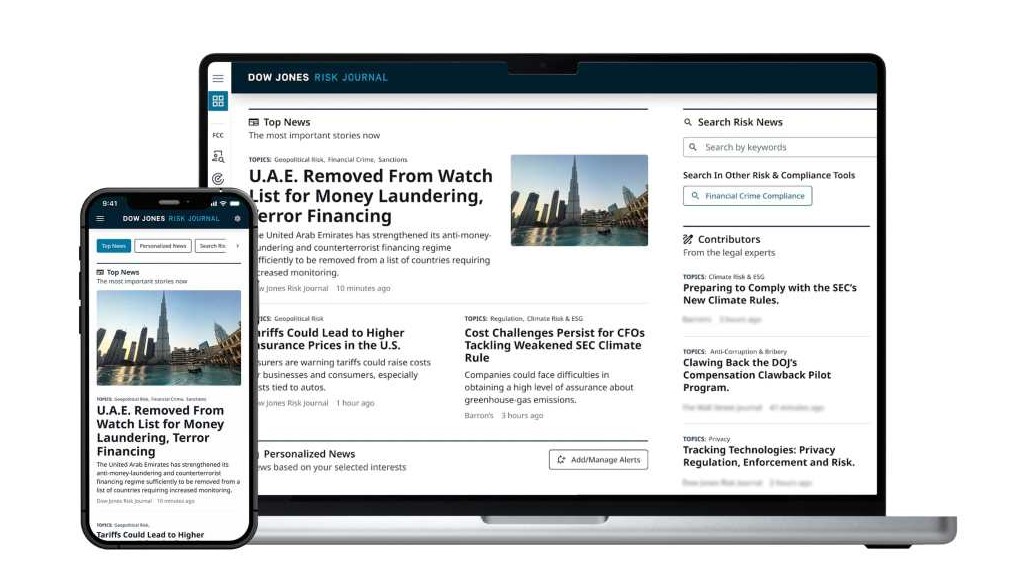
Dow Jones Risk & Compliance is widely regarded as the "gold standard" for organizations that prioritize data accuracy and editorial oversight. Unlike pure-play tech companies, Dow Jones leverages its vast journalistic infrastructure to provide highly curated data sets.
Strategic Market Positioning
Dow Jones is particularly favored by Tier 1 banks and large multinational corporations. The platform’s strength lies in its "human-in-the-loop" approach, where automated data collection is supplemented by a global team of researchers who verify the status of PEPs and the nuances of adverse media coverage. This significantly reduces the rate of false positives, which remains a primary concern for compliance officers.
Key Capabilities
The platform provides comprehensive coverage of global sanctions, watchlists, and anti-bribery/corruption data. Its due diligence reports are recognized by regulators worldwide as evidence of a "good faith" effort to maintain compliance. While its premium pricing may be a barrier for startups, its integration capabilities with major KYC platforms make it a cornerstone of enterprise-level risk management.
2. LSEG World-Check: Pioneer in Risk Intelligence
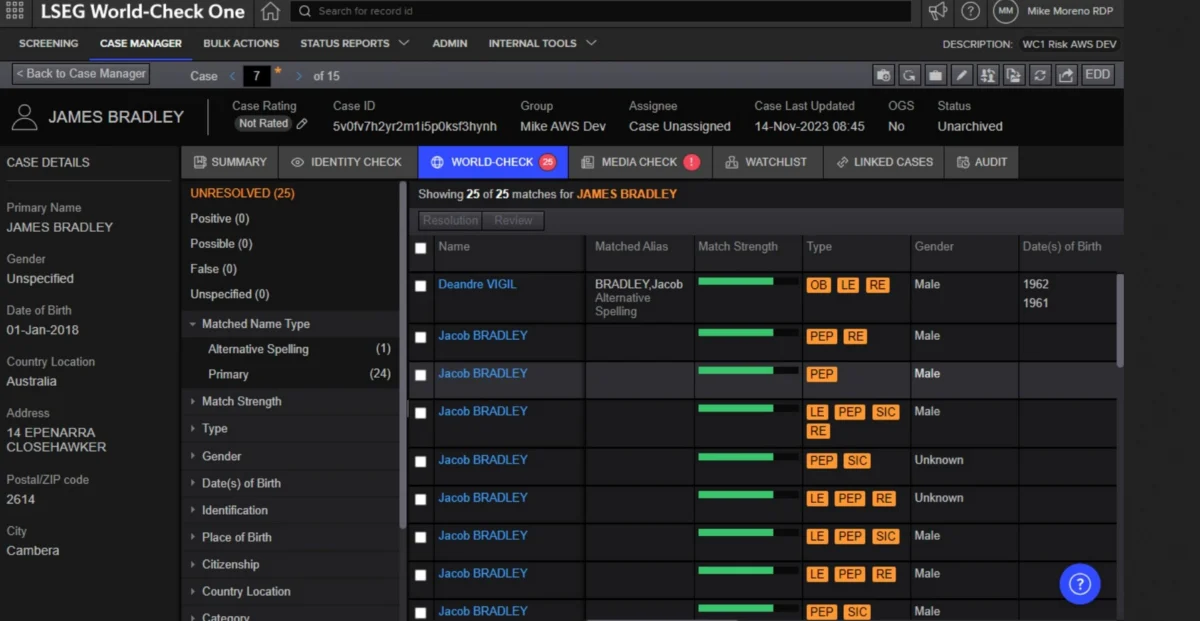
Now a part of the London Stock Exchange Group (LSEG), World-Check is one of the most established names in the industry. It was created specifically to help financial institutions comply with the stringent requirements of the FATF (Financial Action Task Force).
Historical Context and Reliability
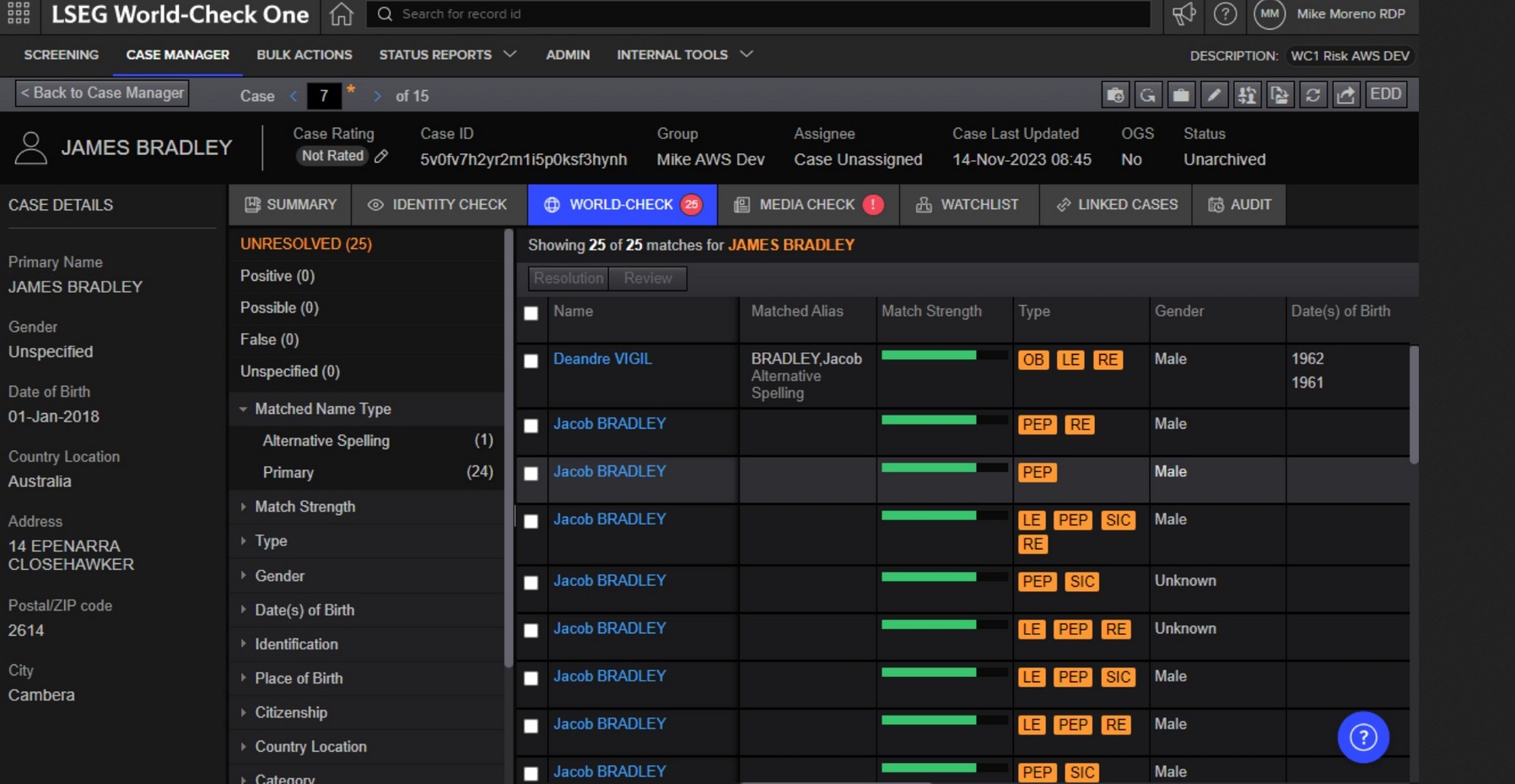
World-Check’s database includes over two decades of historical data, which is vital for forensic accounting and long-term risk assessment. Its dataset covers more than 240 countries and territories, making it indispensable for organizations with a global footprint.
Performance Metrics
In recent years, LSEG has integrated World-Check with advanced screening technology to improve its "One" platform, which offers real-time monitoring and screening. Its ability to structure unstructured data into actionable insights allows compliance teams to identify "Ultimate Beneficial Owners" (UBOs) in complex corporate structures, a requirement that has become mandatory under recent transparency laws.
3. LexisNexis Risk Solutions: The Power of Big Data
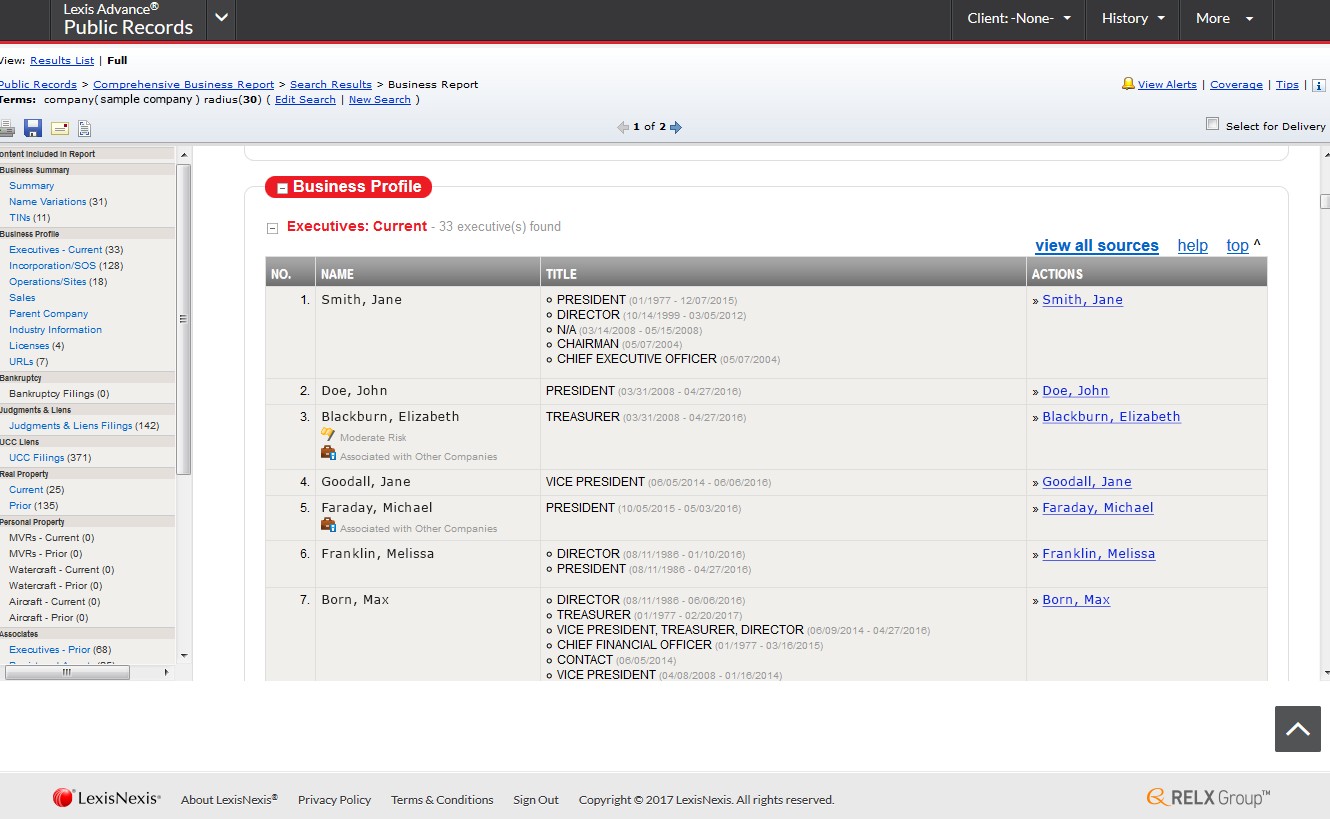
LexisNexis Risk Solutions operates on a scale that few other providers can match. By linking billions of public records with unique entity resolution technology, the platform creates a comprehensive "identity graph" for individuals and businesses.
Technological Edge
The core of the LexisNexis value proposition is its ability to perform identity verification and risk scoring simultaneously. For organizations struggling with "ghost" identities or synthetic identity fraud, LexisNexis provides a layer of security that traditional AML tools lack. Its REST APIs and SDKs allow for seamless integration into customer onboarding workflows, ensuring that compliance does not come at the expense of user experience.
Broader Implications
LexisNexis is often used by government agencies and insurance providers as well as banks. This cross-sector usage ensures that its data pools are constantly refreshed and validated by a wide variety of sources, from property records to utility bills.
4. NameScan: Democratizing Compliance for SMEs
While the giants of the industry focus on the enterprise market, NameScan has carved out a niche by offering affordable, flexible, and easy-to-use screening tools for small and medium-sized enterprises (SMEs) and startups.
Market Disruption
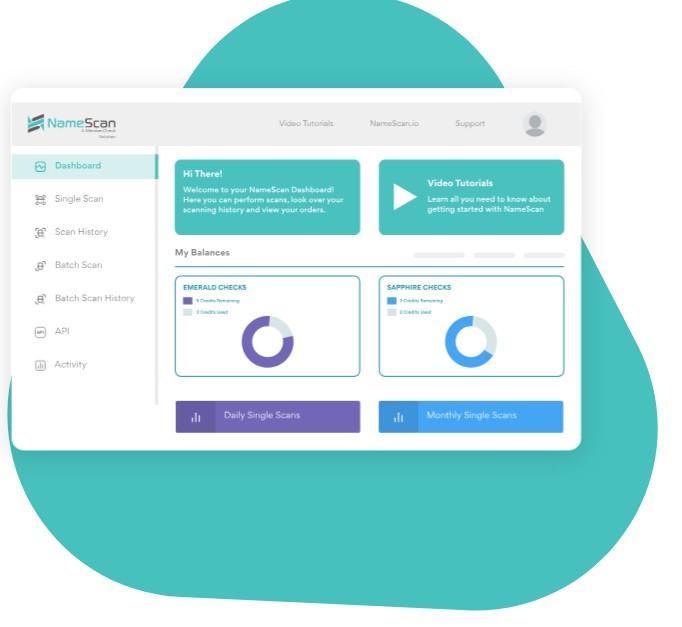
NameScan offers a "pay-as-you-go" model that is virtually non-existent among its larger competitors. This lowers the barrier to entry for boutique financial services and non-financial firms (such as real estate agents or law firms) that are now coming under the umbrella of AML regulations.
Accessibility and Speed
The platform provides access to major global sanctions and PEP lists without the need for complex software installations. For a startup in its seed stage, NameScan provides the necessary "safe harbor" from regulatory scrutiny without the six-figure price tag associated with enterprise SaaS.
5. GBG: Identity Verification and Biometric Security
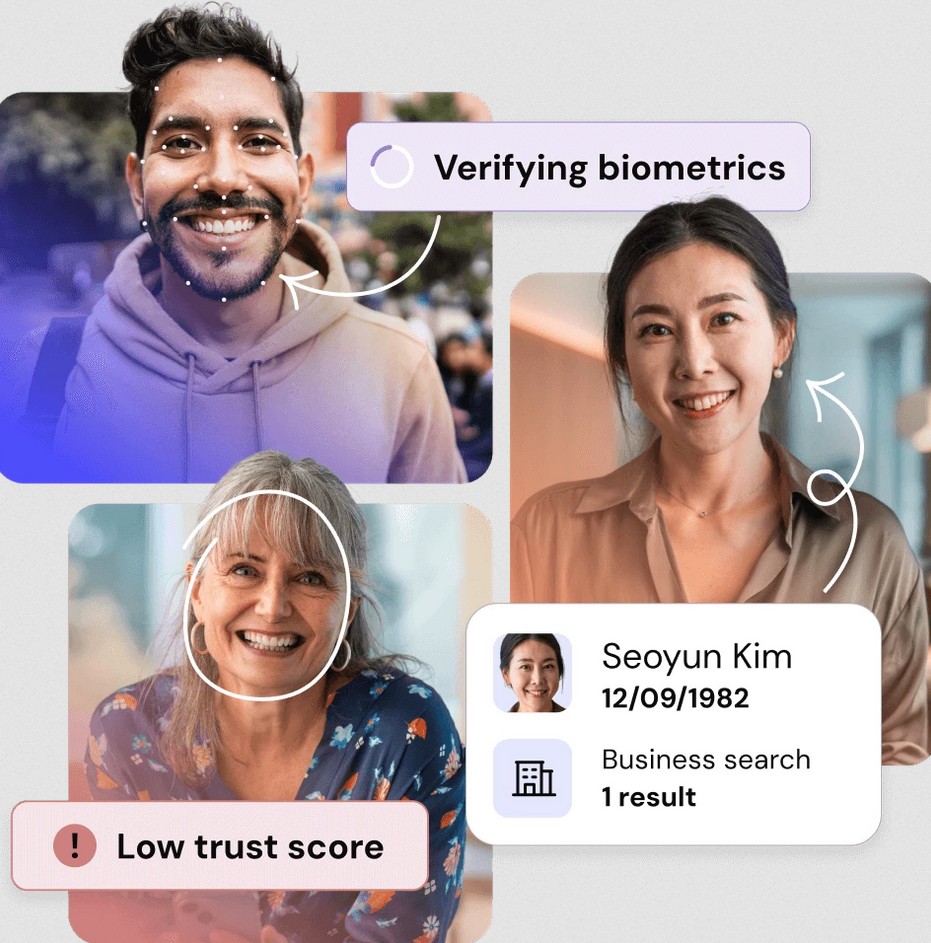
GBG (Global Data PLC) has positioned itself as a leader in "Identity Data Intelligence." As digital-first banking becomes the norm, the ability to verify a customer’s identity through biometrics has become a critical component of the AML lifecycle.
Innovation in Onboarding
GBG’s suite of tools includes document verification and facial recognition, which are integrated directly into the KYC process. By verifying that the person opening an account is who they say they are—and that they are physically present—GBG addresses the "front door" of money laundering.
Global Reach
Serving over 20,000 clients globally, GBG utilizes local data partnerships in high-risk jurisdictions. This localized approach is particularly effective for firms expanding into emerging markets where centralized credit or identity databases may be unreliable.
6. Sanction Scanner: The Agile Fintech Alternative
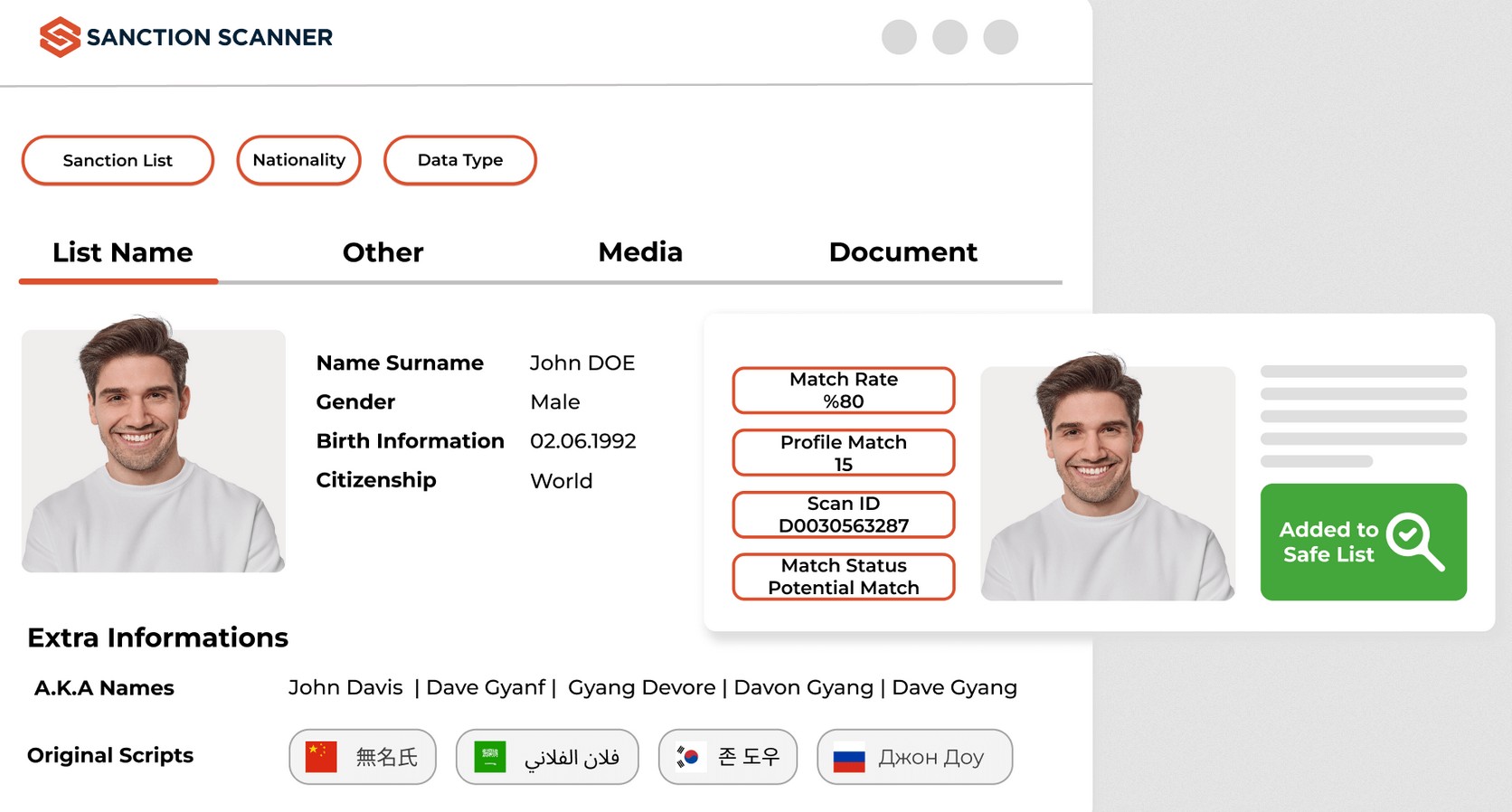
Based in Europe, Sanction Scanner was built specifically for the needs of the fast-growing fintech sector. It emphasizes real-time transaction monitoring and dynamic risk scoring.
Real-Time Risk Assessment
One of Sanction Scanner’s standout features is its risk-scoring algorithm, which evaluates customers based on a multitude of variables including profession, age, income, and transaction currency. This allows firms to adopt a "risk-based approach," allocating more resources to high-risk accounts while automating the monitoring of low-risk users.
User-Centric Design
The platform is known for its intuitive interface, which is designed for compliance officers rather than developers. Its APIs are robust, supporting rapid integration for cross-border payment platforms that need to screen thousands of transactions per second.
7. Fenergo: Mastering the Client Lifecycle
Fenergo moves beyond simple screening to offer a complete Client Lifecycle Management (CLM) solution. It is designed for institutions with complex, multi-jurisdictional entity structures.
Operational Efficiency
Fenergo’s primary strength is its ability to automate the "paper trail." It manages document collection, regulatory reporting, and periodic reviews within a single ecosystem. This reduces "onboarding friction," a significant pain point for corporate and institutional banking where it can often take weeks to open a new account.
Regulatory Agility
The platform includes a "Regulatory Rules Engine" that is updated as laws change in different regions. This ensures that a bank operating in both New York and Singapore remains compliant with the local variations of AML laws without needing separate systems.
8. Napier: Leading the AI-Driven "Explainable" Revolution
Napier represents the next generation of AML technology, utilizing "Intelligent Compliance" to reduce the industry’s most persistent headache: false positives.
AI and the Sandbox Environment
A unique feature of Napier is its "Sandbox" environment. Compliance teams can test new rules and typologies against historical data to see how they would perform before deploying them in a live environment. This prevents "alert fatigue," where staff are overwhelmed by thousands of false alarms.
Explainable AI (XAI)
Unlike "black box" AI systems that provide a risk score without explanation, Napier’s AI is designed to be explainable. When a transaction is flagged, the system provides the logic behind the alert. This is crucial for audits, as regulators increasingly require institutions to explain why certain activities were flagged or ignored.
9. NICE Actimize: The Tier 1 Standard
For the world’s largest financial institutions, NICE Actimize is often the default choice. It is built to handle the massive transaction volumes of global investment banks and retail giants.
Comprehensive Surveillance
Actimize provides an integrated suite that covers AML, market surveillance, and fraud prevention. Its "X-Sight" platform uses cloud-native technology to provide a unified view of risk across the entire enterprise.
Regulatory Acceptance
Because NICE Actimize is used by a significant majority of the world’s top 100 banks, its methodologies are well-understood and generally respected by global regulators. For an institution under a "Deferred Prosecution Agreement" or intense regulatory oversight, the adoption of Actimize is often seen as a signal of serious commitment to compliance.

Fact-Based Analysis: Choosing the Right Path
The selection of an AML tool is no longer a one-size-fits-all decision. Analysis of current market trends suggests three distinct categories of adoption:
- The Stability Seekers: Large banks are gravitating toward Dow Jones, LSEG, and Actimize for their regulatory "clout" and data depth.
- The Growth Hackers: Fintechs and neobanks are opting for Sanction Scanner and Napier for their API-first architecture and real-time agility.
- The Efficiency Experts: Middle-market firms are turning to GBG and Fenergo to consolidate their identity verification and lifecycle management into a single cost-center.
As AI continues to evolve, the focus is shifting from "more data" to "better intelligence." The future of AML lies in the ability to distinguish between a complex but legitimate international business transaction and a sophisticated money-laundering scheme.
Broader Impact and Implications for the Global Economy
The effectiveness of these AML tools has profound implications for global security. Money laundering is the lifeblood of organized crime, human trafficking, and terrorism. By strengthening the "digital perimeter" of the financial system, these software providers are performing a function that is essential to the stability of the global economy.
However, the "arms race" between compliance technology and criminal innovation shows no signs of slowing down. As institutions transition away from legacy systems to the alternatives outlined in this guide, the emphasis must remain on adaptability. The best AML partner is not necessarily the one with the most data today, but the one with the technological framework to anticipate the threats of tomorrow. Organizations must conduct thorough "Proof of Concept" (PoC) testing, evaluating how these tools handle their specific data sets and regional risks before committing to a long-term partnership. In 2025 and beyond, compliance is not just a cost of doing business—it is a competitive advantage.