Traditional financial institutions (FIs) are largely absent from the burgeoning creator economy, a stark contrast to the proactive engagement seen from agile fintechs like Current and Chime. This reluctance to embrace influencer marketing and tailor financial products for content creators signals a fundamental misunderstanding of a rapidly growing, financially motivated, and significantly underserved market segment. The consequence is a dearth of financial solutions designed to ease the lives of creators, representing a missed opportunity for FIs to connect with a demographic that increasingly seeks financial stability through their online endeavors. Research indicates a strong correlation between being a creator and achieving financial stability, with 78% of individuals reporting this benefit, according to Mastercard’s "The Creator Class" report. This demographic faces unique challenges, from unpredictable payment flows to diversified income streams, which warrant specialized financial tools beyond the standard small business offerings.
The Inertia of Traditional Finance: Why Banks Hesitate
The very characteristics that distinguish creators from traditional small and medium-sized businesses (SMBs) also present significant hurdles for established financial institutions in developing suitable products.
Challenging Conventional Banking Models
"Traditional banks are not engaged in building products for creators due to the instability of creators’ income streams," explains Tachat Igityan, CFO and Founder of destream, a financial platform specifically designed for content creators. "Banking business models are generally built around servicing ‘stable’ customers, such as salaried employees or established businesses. They may view creators as higher-risk clients because it is difficult to apply traditional financial models like credit scoring, lending, and financial planning to them."
This inherent resistance stems from a business model predicated on predictable revenue and standardized financial profiles. The fluctuating nature of creator income, often derived from multiple, disparate sources such as ad revenue, sponsorships, merchandise sales, and fan subscriptions, defies the static underwriting processes that have long underpinned banking operations. Consequently, creators often find themselves outside the purview of traditional lending and financial planning services, perceived as too volatile for established risk assessment frameworks.

The Complexity of Diverse Creator Needs
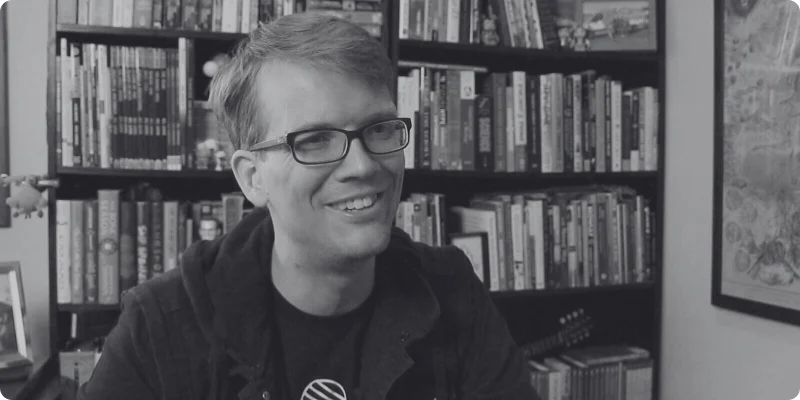
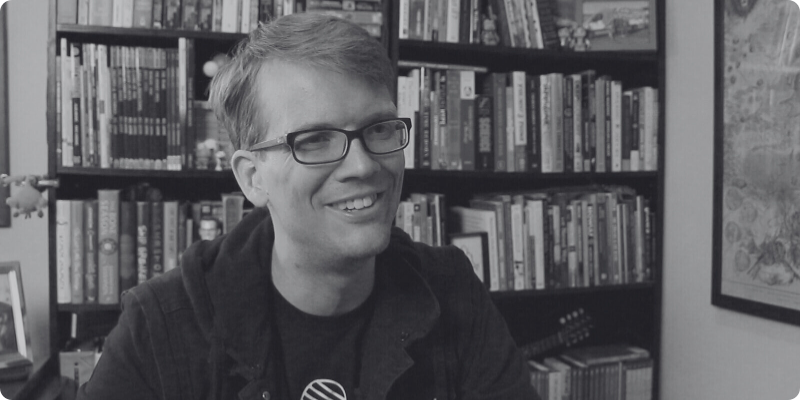
The sheer diversity of the creator economy presents another significant obstacle. Veteran YouTuber and founder of the crowd-sourcing platform Subbable (later acquired by Patreon), Hank Green, has publicly voiced the difficulties in developing scalable financial products for this segment. "Creators are so diverse in their needs that, to create a product that is scalable – and that doesn’t cost a ton of money trying to individualize itself for each individual creator – you end up creating a bad product," Green stated in a TechCrunch interview.
This sentiment highlights the challenge of creating a one-size-fits-all solution for a demographic whose needs can range from managing fluctuating monthly income to navigating international payments from various platforms, handling complex tax obligations across multiple jurisdictions, and accessing capital for business expansion. Attempting to cater to such a broad spectrum without deep specialization often leads to diluted offerings that fail to meet the specific pain points of any particular creator.
The Dominance of Platform Power
Adding another layer of complexity is the profound influence wielded by the very platforms on which creators build their livelihoods. Even highly experienced and successful creators often struggle with a lack of transparency and control over their earnings. Hank Green has previously shared his frustrations with platform-specific financial reporting, noting, "It’d be nice if I knew how much money I made. I have no idea, it hasn’t updated since January. It’s broken. It thinks I’m British. It’s paying me in pounds."
This reliance on social media and content-sharing platforms for income means that creators are subject to the platforms’ opaque algorithms, shifting monetization policies, and sometimes unreliable payment systems. This lack of direct control and clear visibility over their revenue streams makes traditional financial planning and management exceedingly difficult, as accurate income data is often a prerequisite for such services. The power imbalance between creators and platforms creates an environment where FIs that depend on clear financial data are hesitant to engage.
The Urgent Need for Financial Innovation for Creators
Despite the challenges, the financial motivations for entering the creator economy remain a primary driver for many aspiring and established content creators. This strong financial impetus underscores the significant unmet need for tailored financial products that can help them effectively manage their earnings and achieve their professional goals.

The Centrality of Payments and Income Management
At the core of the creator economy’s financial landscape lies the critical issue of payments. Creators often contend with:
- Delayed and Irregular Payouts: Platforms and sponsors may have vastly different payment schedules, leading to unpredictable cash flow.
- International Currency Fluctuations: Many creators work with an international audience or clients, exposing them to exchange rate volatility.
- Multiple Revenue Streams: Income can originate from ad revenue, direct fan support (subscriptions, donations), brand partnerships, affiliate marketing, merchandise sales, and more, requiring sophisticated tracking and aggregation.
- Transaction Fees and Deductions: Various platforms and payment processors impose fees, which can significantly impact net earnings and require careful accounting.
Traditional banking services often lack the infrastructure to effectively manage these complexities. For instance, a standard business account might not be equipped to automatically reconcile payments from YouTube, Patreon, and a direct sponsorship deal all within the same month, let alone provide real-time insights into total earnings and pending disbursements.
Beyond Payments: A Spectrum of Unmet Financial Needs
The creator economy’s financial needs extend far beyond basic payment processing. Creators often require:
- Specialized Business Banking: Accounts designed to handle the unique flow of income and expenses common to online businesses.
- Tax Planning and Management Tools: Assistance in navigating complex tax regulations that vary by income source and geographical location. Many creators operate as sole proprietors or freelancers, requiring proactive tax planning.
- Access to Capital: Loans or credit lines that consider the variable income streams of creators, potentially leveraging their platform presence and audience engagement as indicators of future earning potential. Traditional credit scoring models, heavily reliant on W-2 income and employment history, often fail to capture the financial viability of a successful creator.
- Investment and Savings Solutions: Products that help creators manage their earnings for long-term financial security, considering their often non-traditional career paths.
- Insurance and Risk Management: Coverage tailored to the freelance and independent contractor nature of creator work, potentially including business interruption insurance or liability coverage related to content creation.
The Growth Trajectory and Market Potential
The creator economy is not a niche market; it is a rapidly expanding sector with significant economic power. Estimates suggest the global creator economy is valued in the hundreds of billions of dollars and is projected to continue its robust growth. This expansion is fueled by the decreasing barrier to entry for content creation, thanks to accessible technology and a growing desire for independent work.
Mastercard’s research highlights that a substantial portion of creators view their work as a pathway to financial stability, indicating a strong financial motivation and a desire to professionalize their endeavors. This demographic is actively seeking ways to monetize their passion and build sustainable careers. By ignoring this segment, traditional FIs are overlooking a powerful consumer base that is both digitally native and highly engaged, with a clear appetite for financial services that understand and support their unique business models.
The Fintech Advantage: Agile Solutions for a New Era
Fintech companies have demonstrated a greater agility in recognizing and addressing the specific needs of the creator economy. Their lean structures and technology-first approach allow them to:
- Develop Niche Products: Fintechs can focus on building specialized tools, such as integrated payment solutions that aggregate income from multiple platforms, offer real-time analytics on earnings, and provide streamlined invoicing capabilities for brand partnerships.
- Leverage Alternative Data: Instead of relying solely on traditional credit scores, fintechs can explore alternative data points, such as social media engagement, audience growth, and platform payout history, to assess the financial health of creators for lending or other financial products.
- Offer User-Friendly Experiences: Digital-first platforms often provide intuitive interfaces that simplify complex financial tasks, appealing to a digitally savvy creator base.
- Foster Community and Education: Some fintechs go beyond just offering products and provide educational resources and community forums to help creators improve their financial literacy and business acumen.
Examples like destream’s specialized financial platform for content creators illustrate this trend. By focusing on the unique pain points of creators, such as payment processing, income tracking, and tax management, these fintechs are carving out a significant market share and demonstrating the viability of serving this segment.
Implications for Traditional FIs: A Call to Action
The continued reticence of traditional banks to engage with the creator economy carries significant implications:
- Loss of Market Share: As fintechs capture this growing demographic, traditional FIs risk losing a substantial future customer base.
- Reputational Damage: A failure to adapt to evolving consumer and business landscapes can lead to perceptions of being outdated and out of touch.
- Missed Innovation Opportunities: The challenges presented by the creator economy are fertile ground for innovation in financial services, offering opportunities for new product development and revenue streams.
To remain relevant and competitive, traditional financial institutions must undertake a fundamental shift in their approach. This involves:
- Deepening Understanding: Investing in research and developing a nuanced understanding of the creator economy’s unique financial dynamics, revenue models, and challenges.
- Strategic Partnerships: Collaborating with fintechs or creator-focused platforms to leverage existing technologies and expertise.
- Developing Tailored Products: Moving beyond generic SMB offerings to create bespoke financial solutions that address the specific needs of creators, from payment aggregation to specialized lending.
- Rethinking Risk Assessment: Exploring new methodologies for evaluating the financial stability of creators, incorporating alternative data and platform-specific metrics.
The creator economy represents a significant paradigm shift in how individuals generate income and build businesses. Financial institutions that embrace this evolution, by developing innovative and tailored solutions, will not only unlock new growth opportunities but also empower a vital and rapidly expanding segment of the modern workforce. The time for traditional FIs to step out of the shadows and into the vibrant world of creators is now.