President Donald Trump has pledged a federal investigation into the actions of banks in the aftermath of last year’s catastrophic wildfires in Los Angeles, specifically calling out Wells Fargo for being "very difficult to deal with." The former president, speaking via a Truth Social post on Thursday, asserted that financial institutions "did not step up to the plate" to aid individuals and families profoundly impacted by the infernos. His statement indicates that the federal government "will be looking into" the banks’ conduct, emphasizing the necessity for them to treat those who "so horribly lost their Homes in this ‘tragic fire,’ very fairly and well."
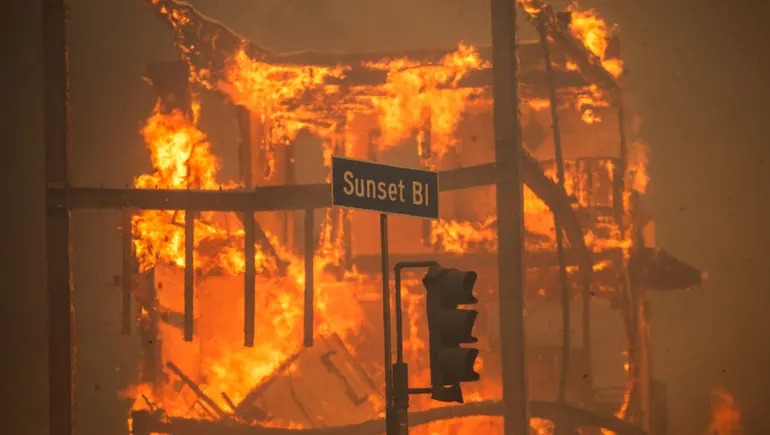
The allegations from President Trump emerge following a recent meeting with Los Angeles Mayor Karen Bass and L.A. County Fifth District Supervisor Kathryn Barger. The discussion centered on the ongoing recovery and rebuilding efforts in the wake of the devastating wildfires. These fires, which ravaged the region between January 7 and January 31, 2025, were among the most destructive in California’s recent history. Official reports indicate that these infernos destroyed an astonishing number of structures, exceeding 16,000, and consumed more than 57,000 acres of valuable land, leaving a trail of widespread devastation and displacement.
Mayor Bass and Supervisor Barger, in separate social media posts on Wednesday, characterized their meeting as "a very positive discussion." They highlighted that the conversation included progress on securing funds from the Federal Emergency Management Agency (FEMA) and other federal resources dedicated to rebuilding efforts. Crucially, they also noted the President’s expressed support for continued efforts to "join us in pressuring the insurance companies to pay what they owe – and for the big banks to step up to ease the financial pressure on L.A. families." This statement directly links the need for bank assistance to the financial burdens shouldered by residents grappling with the aftermath of the fires, suggesting a coordinated effort to seek relief for affected households.
A History of Mortgage Forbearance and Lingering Concerns
During the height of the January 2025 wildfires, California Governor Gavin Newsom announced a significant commitment from five major lenders: JPMorgan Chase, Wells Fargo, Bank of America, U.S. Bank, and Citi. These institutions pledged to offer 90-day mortgage forbearance periods to homeowners residing within the designated disaster zones. This measure was intended to provide immediate financial relief to individuals and families facing immense uncertainty and loss.
The announcement of forbearance by these banks was further bolstered by the Mortgage Forbearance Act, a piece of legislation that was passed in September of the preceding year. This act mandated that lenders extend mortgage forbearance for a period of up to 12 months to individuals and families affected by major wildfire events. The intent of such legislation is to prevent foreclosures and provide a crucial financial cushion during periods of extreme hardship, allowing affected individuals time to assess their situations, secure insurance settlements, and begin the process of rebuilding their lives and properties.
However, despite these commitments and legislative backing, the effectiveness and implementation of mortgage forbearance continue to be a point of contention. A spokesperson for Supervisor Barger informed the Hanford Sentinel that "mortgage forbearance continues to be a major issue." This statement suggests that the initial 90-day forbearance may not have been sufficient, or that challenges remain in accessing or continuing these relief measures. The implication is that many families are still struggling to manage their mortgage obligations even after the initial grace period, underscoring the long-term financial implications of the wildfire disaster.
President Trump echoed these concerns on his Truth Social platform, stating, "The Banks have a long way to go." This sentiment indicates that, in his view, the financial sector has not adequately fulfilled its responsibilities in supporting those affected by the wildfires, and that further action is required.
Previous Tensions Between Trump and the Banking Sector
President Trump’s recent criticism of banks is not an isolated incident; financial institutions have found themselves in his crosshairs on multiple occasions throughout his previous term. A notable instance occurred last year when he directly accused Bank of America of "debanking conservatives" during a public exchange with its CEO, Brian Moynihan. This accusation of ideological bias in financial services marked a significant point of friction.
Furthermore, following the January 6, 2021, Capitol riot, the Trump Organization filed lawsuits against Capital One and JPMorgan Chase, alleging that these banks engaged in "debanking" his businesses. These legal actions brought to the forefront accusations of financial institutions severing ties with clients based on political affiliations or events, sparking broader debates about the role of banks in political discourse and economic sanctions.
These specific accusations against Bank of America, Capital One, and JPMorgan Chase were part of a larger trend. In December of the preceding year, the Office of the Comptroller of the Currency (OCC) issued a report that detailed "debanking accusations" against nine banks, including the three previously mentioned. This report suggested a pattern of scrutiny and potential misconduct across a significant portion of the banking industry concerning account closures and financial service restrictions.
Beyond issues of alleged debanking, President Trump has also engaged with the banking sector on matters of consumer finance. In January, he proposed a 10% cap on credit card interest rates. This proposal, aimed at reducing the cost of credit for consumers, was met with immediate and strong opposition from Wall Street.
Industry Rebuttal to Interest Rate Cap Proposals
Financial industry leaders articulated significant concerns regarding the proposed credit card rate cap. Jeremy Barnum, Chief Financial Officer of JPMorgan Chase, stated at the time that "actions like this will have the exact opposite consequence to what the administration wants, in terms of helping consumers." He elaborated on the potential negative ramifications, arguing that such a cap would not necessarily lower the price of credit but would instead "simply reduce the supply of credit."
Barnum’s analysis suggested a potential unintended consequence: a contraction in the availability of credit. He warned that this reduction in supply would ultimately be detrimental to a wider range of stakeholders, including "consumers, the broader economy, and yes, at the margin, for us also." This perspective highlights the argument that restrictive interest rate policies, while intended to benefit consumers, could lead to a tightening of credit markets, making it harder for individuals and businesses to access loans and financial products.
The Broader Context: Wildfire Impact and Financial Recovery
The wildfires that struck Los Angeles in early 2025 were not merely environmental disasters; they represented a profound economic and social crisis for thousands of families. The destruction of over 16,000 structures means that tens of thousands of individuals likely lost their homes, their possessions, and their sense of security. The long and arduous process of recovery involves not only physical rebuilding but also navigating complex insurance claims, securing temporary housing, and managing financial obligations amidst profound personal loss.
In such catastrophic events, the role of financial institutions extends beyond standard banking services. They are expected to act with a degree of social responsibility, providing support and flexibility to those facing unprecedented challenges. Mortgage forbearance, as initially offered, is a critical tool in this regard, offering a temporary reprieve from immediate financial pressure. However, as indicated by the ongoing concerns, the effectiveness of these measures and the broader responsiveness of banks are subject to scrutiny.
Analysis of Implications and Future Outlook
President Trump’s direct engagement on this issue, amplified by his Truth Social platform, signals a potential for increased federal oversight and pressure on the banking industry. His vow to "look into" the banks’ actions suggests a possibility of regulatory investigations or policy initiatives aimed at ensuring more robust support for disaster victims.
The criticism directed at Wells Fargo, in particular, could lead to increased public pressure on the institution and potentially impact its reputation. Banks, as significant players in the economy, are often subject to public expectations regarding their role in societal well-being, especially during times of crisis.
The recurring themes of "debanking" and perceived unresponsiveness to consumer needs suggest a broader pattern of tension between President Trump and the financial sector. His approach often involves direct confrontation and public pressure, aiming to leverage his influence to shape corporate behavior.
The implications of this situation extend beyond the immediate wildfire recovery. It raises fundamental questions about the responsibilities of financial institutions in times of disaster, the effectiveness of existing relief mechanisms, and the balance between corporate interests and public welfare. As Los Angeles continues its long road to recovery, the actions and accountability of banks will remain a critical focal point, with the federal government, under President Trump’s direction, poised to play an active role in monitoring and potentially influencing their response. The ongoing dialogue and any subsequent federal actions will likely shape future expectations and regulatory frameworks for the banking industry’s engagement with communities facing natural disasters.