
The integration of cryptocurrency into the global iGaming sector is currently undergoing a significant transformation, moving away from a speculative novelty toward a structured, regulated, and essential component of the digital payments ecosystem. As consumer behavior shifts and regulatory bodies tighten their oversight, operators are re-evaluating how blockchain-based assets can address specific market needs, ranging from emerging economies with limited banking infrastructure to mature European markets where demand is driven by younger, tech-savvy demographics.
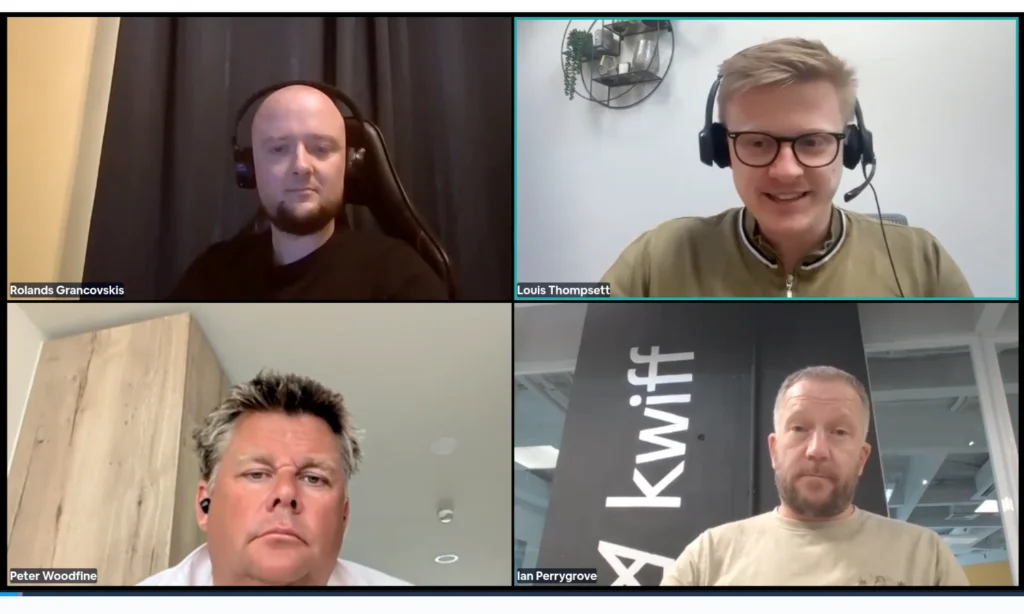
This shift was the primary focus of the recent SBC webinar titled Looking to the Future: Expanding Player Choice with Cryptocurrencies. The roundtable discussion, moderated by SBC Payment Expert News Editor Louis Thompsett, brought together a panel of industry leaders: Peter Woodfine, Head of Sales at Payhound; Rolands Grancovskis, Head of Payments at The Lotter; and Ian Perrygrove, Chief Risk Officer at Kwiff. The conversation highlighted a departure from the "Wild West" era of crypto-gambling toward a more professionalized, compliant, and stable financial environment.
A Tale of Two Markets: Adoption Drivers
The adoption of digital assets in iGaming is not uniform; it is highly bifurcated based on geographical economic development. In developing regions, cryptocurrency functions as a vital financial bridge. Where traditional banking institutions are either inaccessible, inefficient, or prohibitively expensive, crypto-assets provide a seamless alternative for deposits and withdrawals. Peter Woodfine noted that the utility of these assets is most apparent in markets where standard banking is neither simple nor straightforward, allowing operators to penetrate regions that were previously financially isolated.
Conversely, the narrative in developed markets, particularly within Europe, is driven by consumer choice and the desire for frictionless transactions. Contrary to the initial assumption that crypto would only appeal to those without access to traditional banking, the younger generation of European players is increasingly opting for crypto-assets to avoid the conversion fees and administrative delays associated with fiat currency transactions. Rolands Grancovskis highlighted that while open banking has made fiat payments highly efficient in Europe, the specific demand for crypto stems from players who already maintain balances in digital wallets and seek to utilize these funds directly within the gaming ecosystem.
The Regulatory Paradigm Shift: The Role of MiCA
The implementation of the Markets in Crypto-Assets (MiCA) regulation by the European Union represents the most significant structural change to the industry in recent years. This framework has effectively "grown up" the sector, forcing operators to adhere to rigorous compliance, anti-money laundering (AML), and know-your-customer (KYC) standards.

For firms like Payhound, securing a MiCA license has served as a stamp of institutional legitimacy, leading to a noticeable influx of interest from operators seeking compliant payment partners. The regulatory rigor, while initially perceived as a barrier to entry, has acted as a catalyst for market consolidation. By raising the cost of compliance, MiCA has effectively filtered out entities that cannot sustain institutional-grade security and transparency.
Industry experts view this as a parallel to the maturation of the traditional iGaming industry, which also navigated a transition from an unregulated, decentralized space to one governed by strict national and regional licensing. The sentiment among the panelists was clear: alignment on regulatory standards is not a hindrance to growth, but rather the prerequisite for long-term viability and mainstream adoption.
Technological Maturity and the Rise of Stablecoins
A critical takeaway from the current market data is the shift in preference regarding which assets are used for transactions. Two years ago, Bitcoin (BTC) was the undisputed primary vehicle for crypto-gaming. Today, the focus has shifted heavily toward stablecoins—digital assets pegged to fiat currencies, such as Tether (USDT) and USD Coin (USDC).
This transition is rooted in risk management. While the volatility of Bitcoin often made it a speculative asset rather than a medium of exchange, stablecoins allow both operators and players to maintain the efficiency of blockchain rails without the exposure to market price fluctuations. Data provided by Payhound suggests that the current demand is heavily weighted toward a suite of assets including Ethereum (ETH), Solana (SOL), and various stablecoins. The decline in interest for memecoins and highly volatile speculative assets indicates that the iGaming sector is moving toward a utility-first approach, where the blockchain is valued for its speed, cost-effectiveness, and transparency rather than its potential for price appreciation.
Addressing the Myth of Anonymity
A common misconception in the public discourse surrounding crypto-gaming is the notion that blockchain transactions remain anonymous. The panelists were unanimous in debunking this, pointing to the evolution of on-chain analytics. Tools such as Chainalysis and other sophisticated monitoring software have made it possible to trace the movement of funds with a degree of accuracy that often exceeds that of traditional credit card networks.
Ian Perrygrove, Chief Risk Officer at Kwiff, emphasized that the ability to monitor and flag suspicious activity in real-time is now a standard requirement for licensed operators. In many instances, the cryptographic nature of these transactions allows for a more detailed audit trail than traditional fiat transfers, which can be obscured by layers of correspondent banking. By leveraging these tools, licensed operators can effectively identify and mitigate risk, ensuring that their platforms remain compliant and secure.
Strategic Implications for Regulators and Operators
The broader implication of this evolution is the potential for regulated entities to capture market share from unlicensed operators. For years, unlicensed casinos have dominated the crypto-gaming space by offering services that regulated operators could not, primarily due to the lack of established regulatory pathways for crypto deposits.
The panelists argued that by reducing the friction for licensed operators to integrate cryptocurrency payment methods, regulators could encourage a shift of players away from unlicensed, high-risk environments into the regulated, safe, and transparent sector. This "migration" of players would not only increase tax revenue for jurisdictions but also provide better consumer protections, such as responsible gambling tools and dispute resolution services, which are often absent in the unlicensed market.
Looking Toward the Future
The integration of blockchain technology in iGaming is currently in a phase of institutionalization. As the industry moves toward the next cycle of technological adoption, the focus will likely shift from simple payment processing to more complex applications of smart contracts and decentralized identity verification.
The upcoming industry events, such as the SBC Summit in Lisbon, are expected to further explore the intersection of Web3 technology and gaming infrastructure. As the industry continues to align with global regulatory frameworks, the distinction between "crypto-casinos" and traditional operators is expected to blur, eventually resulting in a unified digital gaming market where cryptocurrency is treated as just another efficient payment method alongside credit cards, e-wallets, and open banking.
In conclusion, the trajectory of crypto in iGaming is defined by a move toward stability, regulatory clarity, and utility. By embracing the constraints of modern regulation, the industry is successfully shedding its reputation as a haven for bad actors and positioning itself as a legitimate, high-growth segment of the global entertainment economy. The transition is not without its challenges, but for operators and players alike, the shift toward a more transparent and efficient financial future appears to be the inevitable next step.