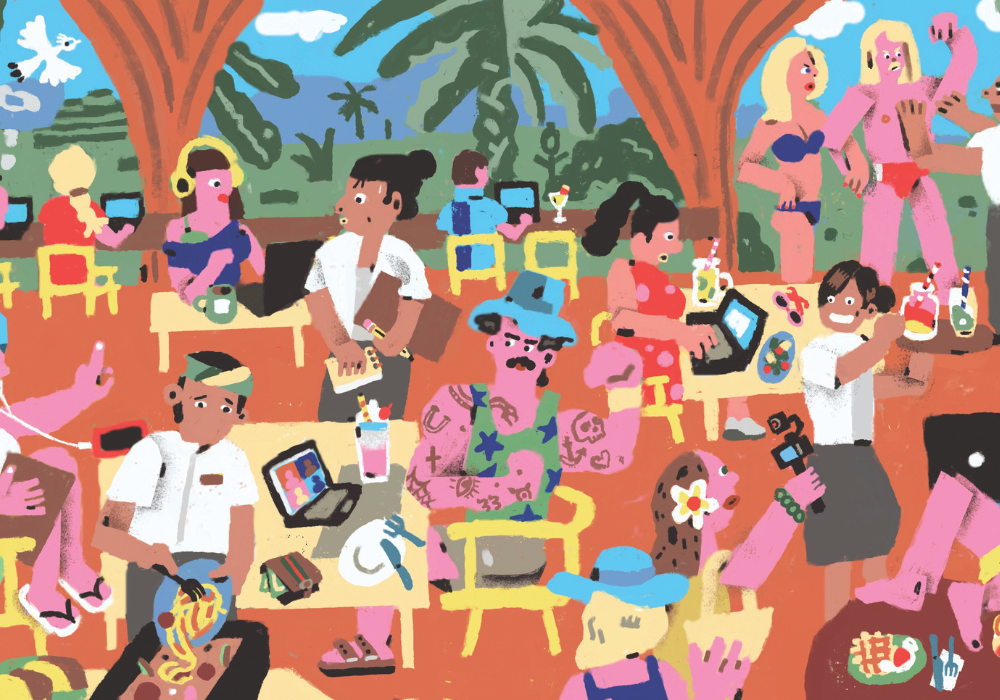
The rise of the digital nomad has transformed the global landscape of work and travel, evolving from a niche lifestyle choice into a massive economic and demographic phenomenon. While the image of a remote worker sipping a coconut on a beach in Bali or typing away in a historic cafe in Lisbon is frequently projected across social media as the pinnacle of modern freedom, a more complex reality is emerging. This "remote-work revolution," supercharged by the COVID-19 pandemic and the subsequent adoption of flexible work policies by major corporations, has brought significant economic windfalls to host nations. However, these benefits are increasingly shadowed by environmental degradation, infrastructure strain, and social tensions that threaten the very "paradises" these workers seek to inhabit.
The Scale of the Untethered Workforce
Estimates suggest that there are now upwards of 40 million people worldwide living as digital nomads—individuals who use telecommunications technologies to earn a living and, more generally, conduct their life in a nomadic manner. This movement is no longer limited to freelance writers or software developers; it now includes corporate employees, entrepreneurs, and consultants from diverse industries.
The appeal is driven by a convergence of factors: a global cost-of-living crisis in Western metropolitan hubs, the proliferation of high-speed satellite internet, and the aggressive "open-door" policies of countries seeking to attract high-income earners. Currently, more than 50 nations—including Portugal, Thailand, Greece, and Mexico—offer specific digital nomad visas designed to facilitate long-term stays. These programs are often marketed as a "win-win," providing nomads with a lower cost of living and host countries with a steady stream of foreign currency.
The Economic Allure and the "Force for Good" Argument
From a purely macroeconomic perspective, digital nomads are often viewed as a more desirable demographic than traditional short-term tourists. Local authorities frequently categorize them as high-value visitors who stay longer and spend more within the local economy. In Medellin, Colombia, for instance, data indicates that digital nomads spend nearly $1,000 more per month than local residents.
In Mexico City, the impact is even more pronounced. In 2021, nomad spending accounted for approximately 15% of all tourist expenditure, contributing more than $532 million to the local economy. For countries like Indonesia, where Bali’s economy is 80% dependent on tourism-related activities, the influx of remote workers provides a vital cushion against the volatility of seasonal travel.
Daniel Schlagwein, a professor at Chulalongkorn University and the University of Sydney who has consulted on digital nomad strategies for the Thai government, notes that local authorities often prefer nomads over "zero-baht tourists"—those who arrive on pre-paid tour packages that leave little money in the actual community. Nomads, by contrast, pay for local housing, frequent neighborhood cafes, and utilize local services, effectively "fading into the background" while providing a consistent economic stimulus.
Environmental Degradation and the "Waste Mystery"
Despite the economic benefits, the environmental footprint of 40 million transient workers is becoming impossible to ignore. The paradox of the digital nomad lifestyle is that it often targets ecologically sensitive areas that lack the infrastructure to handle rapid population growth.
In Bali’s Canggu and Ubud regions, the rapid construction of villas to meet Western tastes has resulted in the conversion of vital rice fields into concrete developments. This "built environment" shift is accompanied by severe logistical challenges. Many nomad hubs in Southeast Asia and Latin America struggle with waste management, leading to visible pollution. In Bali, beaches and sewers are frequently choked with plastic litter, and the practice of burning garbage remains common, creating a stark contrast with the "paradise" marketed on Instagram.
The environmental impact is difficult to quantify for several reasons. First, the movement is relatively new, and longitudinal data on nomad-specific waste is scarce. Second, it is challenging to distinguish the ecological impact of a nomad from that of a traditional tourist. However, a critical difference remains: tourists leave after a week, while nomads stay for months, exerting sustained pressure on local resources like groundwater and electricity.
The Carbon Cost of Global Mobility
Perhaps the most significant environmental contradiction of the digital nomad lifestyle is its reliance on long-haul aviation. The "visa run"—a practice where nomads fly to a neighboring country for a few hours or days to reset their legal stay—is a common occurrence.
Aviation currently accounts for approximately 2.4% of global carbon emissions, a figure projected to rise as international travel becomes more accessible. While a nomad might argue that they have eliminated their daily car commute—a positive for the environment—the carbon savings of not driving are often wiped out by a single long-haul flight. For example, while the average passenger vehicle generates about 4.6 metric tons of CO2 annually, a round-trip flight from London to Bali can generate nearly half of that in just 24 hours of travel.
Furthermore, the types of entrepreneurship often associated with digital nomadism—such as cryptocurrency trading, drop-shipping, and AI-driven ventures—are themselves energy-intensive. The reliance on data centers and high-energy computing adds a "digital waste" layer to the nomad’s physical footprint.
Social Tension and the Displacement of Locals
Beyond the environment, the social cost of digital nomadism is fueling resentment in several global hubs. The arrival of thousands of workers earning Western salaries in regions where the local minimum wage may be only a few hundred dollars a month creates a profound economic distortion.
In cities like Mexico City and Lisbon, the "Airbnbfication" of housing has led to skyrocketing rents, forcing local families out of their ancestral neighborhoods. This gentrification transforms vibrant, diverse communities into transient enclaves tailored to foreign tastes. The result is a "social vacuum" where nomads often interact only with other nomads, remaining insulated from the local language, culture, and the mundane realities of the host community—such as the systemic failures in local waste management or water scarcity.
A 2022 study published in the Journal of Business Ethics highlighted a sense of "self-reflective guilt" among some nomads. One respondent, a worker in Ubud, admitted: "The number one thing that we could do for this economy and this island is to get off and leave… we’re taxing the environment."
Analysis of Implications: A Search for Balance
The challenge for the next decade will be moving beyond the "low bar" of ethical nomadism—which currently consists merely of obeying local laws and not overstaying visas—toward a more regenerative model.
Some researchers suggest that digital nomadism could, if managed correctly, be less polluting than traditional corporate lifestyles. Nomads tend to adopt a "post-material" approach to consumption, buying fewer furniture items and consumer goods because they must remain mobile. Furthermore, the elimination of office-related energy consumption and daily commuting offers a genuine reduction in certain types of emissions.
However, for digital nomadism to be a sustainable "force for good," there must be a shift in both government policy and individual behavior.
- Infrastructure Investment: Governments collecting revenue from digital nomad visas must earmark those funds specifically for environmental infrastructure, such as advanced waste-processing facilities and water conservation projects.
- Slow Travel Incentives: Encouraging longer stays (6–12 months) rather than frequent "visa runs" can significantly reduce the per-capita carbon footprint of the nomad community.
- Local Integration: Programs that encourage nomads to use their skills—such as coding, marketing, or business strategy—to assist local community projects can help bridge the social gap and mitigate the "extractive" nature of the lifestyle.
Conclusion
The digital nomad movement represents a fundamental shift in how humanity perceives the relationship between work, location, and community. While it offers unprecedented personal freedom and provides essential economic stimulus to developing regions, it cannot continue to exist in a vacuum.
As the number of remote workers continues to grow, the "self-reflective guilt" currently felt by some must evolve into a formal ethical framework. The long-term viability of these global hubs depends on the ability of the "untethered" workforce to acknowledge that their presence has a lasting impact on the land and the people who host them. Without a concerted effort to address the environmental and social costs, the paradises that nomads seek may eventually become uninhabitable for locals and visitors alike.