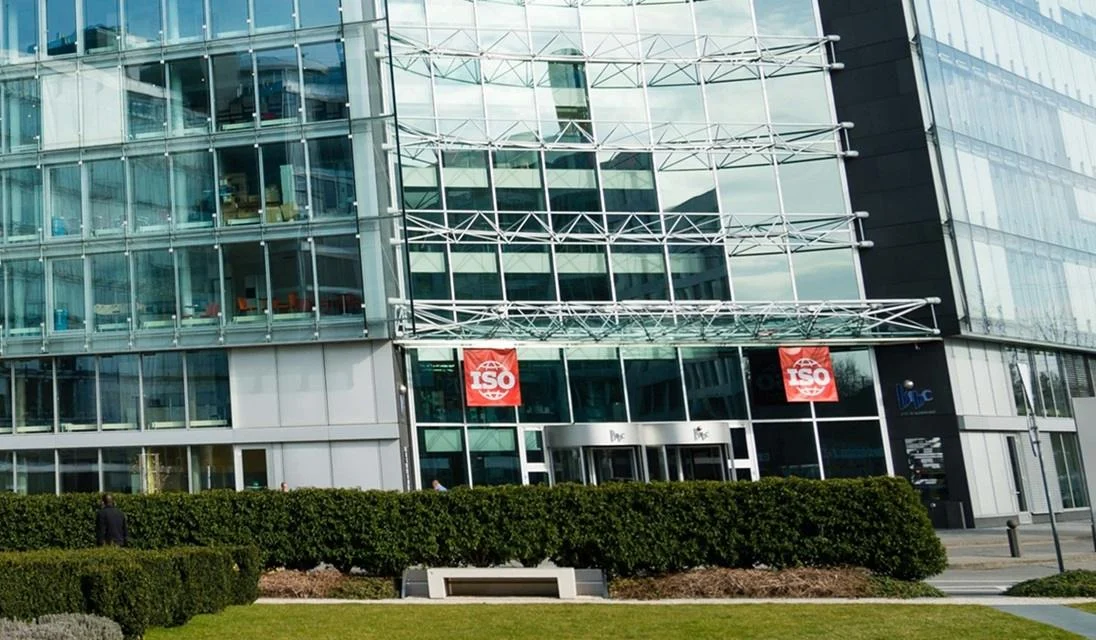
The International Organization for Standardization (ISO) and the United Nations Development Programme (UNDP) have officially unveiled ISO/UNDP 53001, a landmark management system standard designed to bridge the gap between high-level global sustainability ambitions and granular corporate execution. By providing a rigorous, auditable framework, the new standard seeks to formalize how private and public sector organizations integrate the 17 United Nations Sustainable Development Goals (SDGs) into their core governance, strategic planning, and day-to-day operations. This collaboration marks a significant evolution in international standardization, moving beyond voluntary sustainability reporting toward a structured management system that treats social and environmental impact with the same procedural discipline as quality control or information security.
A Decade of Ambition: The Path to ISO/UNDP 53001
The 2030 Agenda for Sustainable Development, adopted by all United Nations Member States in 2015, established the 17 SDGs as a universal call to action to end poverty, protect the planet, and ensure that all people enjoy peace and prosperity. While the framework succeeded in creating a common language for sustainability, its implementation in the corporate world has historically been fragmented. Many organizations have treated the SDGs as a "bolt-on" to corporate social responsibility (CSR) initiatives rather than a fundamental driver of business strategy.
The development of ISO/UNDP 53001 began in response to the growing recognition that the "Decade of Action"—the period leading up to the 2030 deadline—required more than just aspirational targets. As the world reached the halfway point of the 2030 Agenda, stakeholders increasingly demanded accountability, transparency, and a verifiable methodology to measure organizational contributions to the goals. By partnering with the UNDP, ISO has leveraged its decades of experience in creating international standards to provide a blueprint that moves organizations from vague commitments to measurable, management-led impact.
Technical Framework: How the Standard Functions
Unlike previous guidance documents, ISO/UNDP 53001 is a requirements-based standard. This means it functions similarly to other high-profile ISO management systems, such as ISO 9001 (Quality Management) or ISO 14001 (Environmental Management). It requires organizations to establish a formal management system that includes specific policy commitments, performance monitoring, and continuous improvement cycles.
Key requirements of the new standard include:
- Contextual Analysis: Organizations must identify their internal and external factors that affect their ability to achieve SDG outcomes. This includes mapping the specific goals most relevant to their industry and operational footprint.
- Stakeholder Engagement: The standard mandates active dialogue with those affected by the organization’s activities, ensuring that the "do no harm" principle is upheld and that the needs of marginalized or vulnerable communities are prioritized.
- Impact Assessment: Organizations are required to rigorously assess both beneficial and adverse impacts. This involves a shift from simply reporting positive "green" stories to acknowledging and mitigating negative externalities—a critical step for genuine sustainability.
- Strategic Integration: Sustainability objectives must be linked to the organization’s overarching business strategy and decision-making processes, rather than being sequestered in a separate sustainability department.
- Synergy and Trade-off Management: The standard acknowledges that some sustainability goals may compete with others. It provides a framework for analyzing these interdependencies to ensure that progress in one area does not inadvertently undermine another.
Official Perspectives on the Launch
The collaboration represents a unique synergy between the UN’s development mandate and ISO’s technical expertise. ISO Secretary-General Sergio Mujica emphasized that the standard is designed to address the "implementation gap" that has plagued sustainability efforts for years. "The SDGs have provided a shared global vision for a decade. Today, organizations are looking for concrete ways to translate that vision into action," Mujica stated during the launch. He noted that international standards have historically provided the "common language" necessary to tackle complex global challenges, and this new standard extends that proven logic to the urgent necessity of global sustainable development.
Marcos Neto, UN Assistant Secretary-General and Director of UNDP’s Bureau for Policy and Programme Support, underscored the urgency of the initiative. "Achieving that [the 2030 Agenda] requires organizations everywhere to turn ambition into action. We are proud to launch ISO/UNDP 53001 alongside ISO as a crucial tool to help organizations embed the SDGs into the way they operate, lead, and govern. By making sustainability part of everyday decision-making, the standard can help accelerate progress towards the 2030 Agenda."

The Economic and Operational Implications
The launch of ISO/UNDP 53001 arrives at a time when ESG (Environmental, Social, and Governance) data is under intense scrutiny. Regulatory bodies worldwide are moving toward mandatory sustainability disclosure, and investors are increasingly wary of "greenwashing." By adopting a formal, auditable standard, companies can provide a higher level of assurance to stakeholders that their SDG contributions are based on robust data and systemic processes.
Industry analysts suggest several immediate implications for the corporate sector:
- Standardized Reporting: As more companies adopt the standard, reporting on the SDGs will become more comparable. This will allow investors to more accurately assess the sustainability performance of companies across different regions and sectors.
- Risk Mitigation: By systematically identifying and managing adverse impacts, firms can reduce their exposure to regulatory, reputational, and operational risks. The standard’s focus on interdependencies helps companies avoid the "unintended consequences" that often occur when sustainability initiatives are siloed.
- Supply Chain Harmonization: Larger corporations may begin requiring their suppliers to align with ISO/UNDP 53001. This could create a cascading effect, incentivizing smaller organizations to adopt more sustainable practices to remain competitive in the global marketplace.
- Operational Efficiency: Similar to other ISO standards, the focus on continuous improvement and data-driven decision-making often leads to increased operational efficiency, as waste is identified and resources are reallocated toward higher-impact activities.
Global Context and Future Outlook
The introduction of this standard is not an isolated event but rather part of a broader shift in global economic governance. As of late 2026, the global economy faces the dual challenges of climate instability and rising inequality, both of which are central to the SDGs. The UNDP has repeatedly warned that without a massive mobilization of private sector capital and operational change, the 2030 targets will remain out of reach.
Critics of previous voluntary frameworks have often pointed to the lack of enforcement mechanisms. While ISO/UNDP 53001 is not a legal instrument in the sense of national legislation, its status as a "Standard" gives it significant weight in procurement contracts, sustainability indices, and corporate governance codes. Organizations that certify against the standard will effectively be subjecting themselves to a higher degree of discipline, signaling to the market that their commitment to the SDGs is integrated into the core of their business model.
Looking ahead, the success of ISO/UNDP 53001 will likely depend on the speed of adoption by industry leaders and the support provided by national standards bodies to help smaller enterprises navigate the implementation process. If widely adopted, it has the potential to transform the SDGs from a set of abstract global goals into a concrete, measurable management framework that defines the future of responsible business.
As organizations begin to evaluate the standard, they are encouraged to focus on the long-term value creation potential inherent in the SDGs. Rather than viewing the requirements as a compliance burden, early adopters are expected to position themselves as leaders in the transition to a more equitable and resilient global economy. The partnership between the UNDP and ISO provides the necessary institutional scaffolding to ensure that this transition is grounded in reality, data, and verifiable progress.