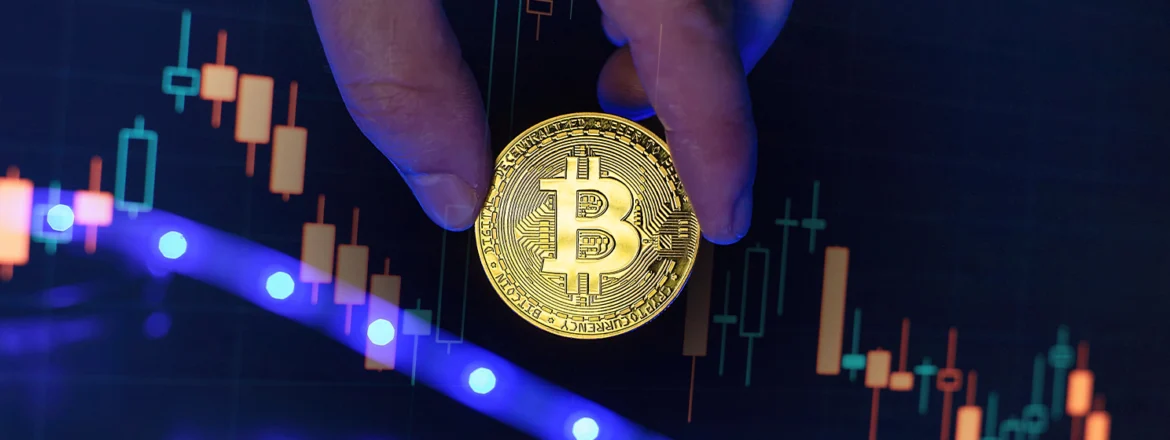
The architecture of modern financial markets is undergoing a profound structural evolution as the New York Stock Exchange (NYSE) and digital asset platform Blockchain.com officially signal a strategic pivot toward the tokenization of traditional equities. This collaboration, formalized through a memorandum of understanding (MOU) on September 23, represents a significant bridge between the legacy financial ecosystem and the burgeoning world of decentralized ledger technology. By leveraging the NYSE’s proposed digital alternative trading system (ATS), the partnership aims to facilitate the trading of tokenized exchange-listed equities and exchange-traded funds (ETFs) on a continuous, round-the-clock basis.
This development follows a broader regulatory shift in the United States, where both the Securities and Exchange Commission (SEC) and the Commodity Futures Trading Commission (CFTC) are actively laying the groundwork for a digitized financial future. As the industry anticipates a transition toward "mass tokenization," the convergence of institutional market infrastructure and blockchain-based settlement promises to enhance liquidity, transparency, and accessibility for global investors.
The Strategic Partnership: Bridging Institutional and Digital Finance
The partnership between the NYSE and Blockchain.com is designed to create a bi-directional flow of data and accessibility. For the NYSE, the deal offers a pathway to expand its reach to Blockchain.com’s global user base, which currently spans approximately 44 million accounts. Under the terms of the agreement, ICE Data Services will integrate Blockchain.com’s cryptocurrency market analytics into its offerings, while Blockchain.com will gain access to proprietary NYSE data feeds.
Peter Smith, CEO of Blockchain.com, characterized the initiative as a democratizing force. He noted that the current financial system often restricts market participation based on geographical location, brokerage access, and institutional silos. By connecting to the NYSE’s digital ATS, the firm intends to lower these barriers, allowing a broader demographic of international users to engage with tokenized versions of U.S. equities. Lynn Martin, President of the NYSE Group, reinforced this sentiment, highlighting that the platform’s international footprint and digital asset expertise serve as a natural extension of the exchange’s commitment to innovating within the securities space.
This deal is not an isolated incident but part of an emerging trend. In March, the Nasdaq exchange entered a similar agreement with Payward, the parent company of the Kraken digital asset exchange. That collaboration focuses on the "equities transformation gateway," a technical framework designed to bridge tokenized equity markets with decentralized finance (DeFi) networks. These initiatives reflect a growing consensus among major exchange operators that the future of securities trading lies in the efficiency and speed offered by blockchain technology.
The Regulatory Framework: SEC Innovation Exemptions
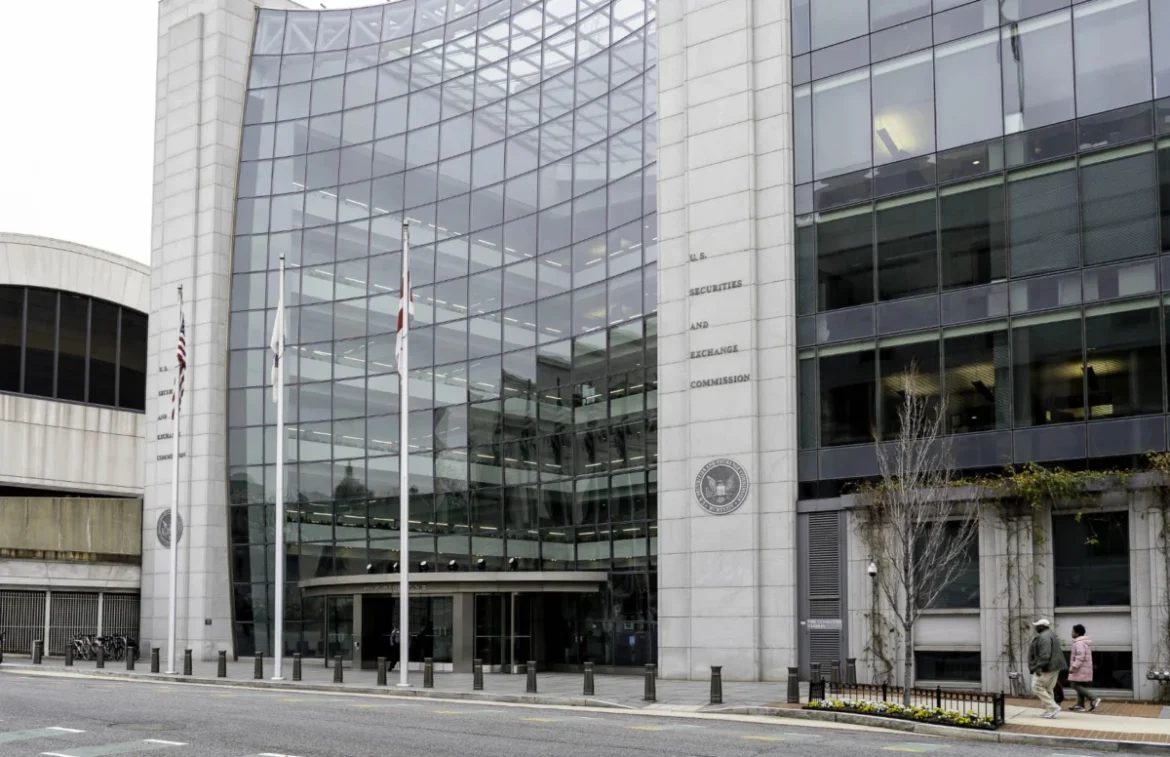
The momentum behind this shift has been significantly bolstered by the SEC’s recent introduction of an "innovation exemption" for tokenized securities. Announced by SEC Chairman Paul Atkins, this regulatory framework allows for the establishment of authorized Tokenized Securities Venues (TSVs). These venues are permitted to offer 24/7 trading of tokenized public stocks, a departure from the traditional market hours that have defined the NYSE for over two centuries.
The exemption is structured as a five-year pilot program, during which regulators will closely monitor market integrity, order book depth, and potential volatility. A critical component of this framework is the notification process: any TSV intending to tokenize a specific security must provide formal notice to the stock issuer. The issuer is granted a 30-day window to object, providing a mechanism for corporate entities to retain a degree of control over how their equity is traded on secondary digital platforms.
However, the framework is not without its friction. Recent public disagreements, such as the dispute between AMC Entertainment and the Robinhood trading platform, underscore the complexities inherent in transitioning to these new models. SEC Commissioner Hester Peirce has acknowledged these public tensions but has maintained a neutral stance, emphasizing that the commission’s primary objective is to create a robust environment for innovation while ensuring investor protection.
Challenges of 24/7 Market Operations
While the technical potential for 24/7 trading is well-established, the shift to continuous operations presents significant operational and psychological challenges. During a recent SEC roundtable, Commissioner Peirce noted that many market participants expressed skepticism regarding the transition to extended hours. The primary concerns include the potential for thinner overnight order books, which could lead to wider bid-ask spreads and increased susceptibility to price manipulation or flash volatility.
Furthermore, the compression of back-office operations—which traditionally rely on a distinct "market close" to settle accounts and reconcile records—will require a fundamental redesign of institutional workflows. As human oversight becomes less feasible during off-peak hours, the reliance on automated systems and artificial intelligence is expected to surge. AI will likely play a critical role in managing risk, monitoring trade surveillance, and maintaining compliance across disparate blockchain networks and legacy clearing systems.
Despite these hurdles, proponents argue that the global nature of capital markets already necessitates a departure from restricted hours. Foreign exchange markets operate continuously, and international exchanges in regions like South Korea are already extending their trading windows to remain competitive in a globalized economy. The consensus is that if the U.S. markets do not adapt to these international standards, they risk ceding their dominance to more agile, digital-first jurisdictions.
The CFTC and the Expansion of Digital Asset Infrastructure
Parallel to the SEC’s efforts, the CFTC is actively modernizing its own frameworks to support the integration of blockchain technology. On September 26, the CFTC issued updated guidance regarding the investment of customer funds in tokenized assets and the use of blockchain for recordkeeping. These updates are a direct result of a pilot program launched in late 2023, which expanded the definition of eligible collateral to include Bitcoin (BTC), Ethereum (ETH), and the USDC stablecoin issued by Circle.
CFTC Chair Michael Selig has been vocal about the necessity of this evolution. In his address to the U.S. Treasury Market Conference, he emphasized that the agency cannot simply "modernize yesterday’s markets" but must instead prepare for the demands of tomorrow. The CFTC’s strategy involves tailoring legacy frameworks to allow for the adoption of blockchain and AI at scale. Selig identified the tokenization of real-world assets (RWA) as a primary driver of future market efficiency, suggesting that such technology could enable near-instantaneous settlement and more dynamic mobility of collateral across clearinghouses.
However, the CFTC has adopted a nuanced approach to 24/7 trading. Unlike the SEC’s broader framework, the CFTC has explicitly stated that it does not advocate for a "one-size-fits-all" model. While crypto-assets and precious metals are viewed as suitable for continuous trading, other asset classes—such as agricultural commodities, energy futures, and certain interest-rate derivatives—may remain tethered to traditional operational hours due to their specific liquidity profiles and reliance on physical delivery mechanisms.
Future Outlook and Economic Implications
The next decade is poised to be a period of unprecedented transformation for the U.S. financial landscape. The convergence of the NYSE’s institutional expertise with the agility of platforms like Blockchain.com, supported by a proactive regulatory stance from the SEC and CFTC, suggests that the digitization of the stock market is no longer a speculative future but an operational reality.
The core promise of this transition is the creation of a more efficient financial system. By replacing legacy clearing and settlement processes—which can currently take days (T+2)—with blockchain-based, real-time settlement, the industry stands to significantly reduce counterparty risk and capital inefficiency. For the average investor, this could translate to lower transaction costs and expanded access to global assets.
For market participants, the focus must now shift to the implementation of robust, AI-driven infrastructure capable of handling the demands of a 24/7 environment. The success of this transition will depend on the ability of regulators to strike a balance between encouraging innovation and maintaining the stability that has historically defined the U.S. financial markets. As the first filings for Tokenized Securities Venues are expected in the coming quarter, the industry is entering a critical testing phase that will determine the trajectory of global finance for years to come. The United States, by embracing these technological advancements, aims to maintain its position as the global leader in financial market structure, ensuring that as the world moves toward a decentralized future, the foundational pillars of equity and liquidity remain secure.