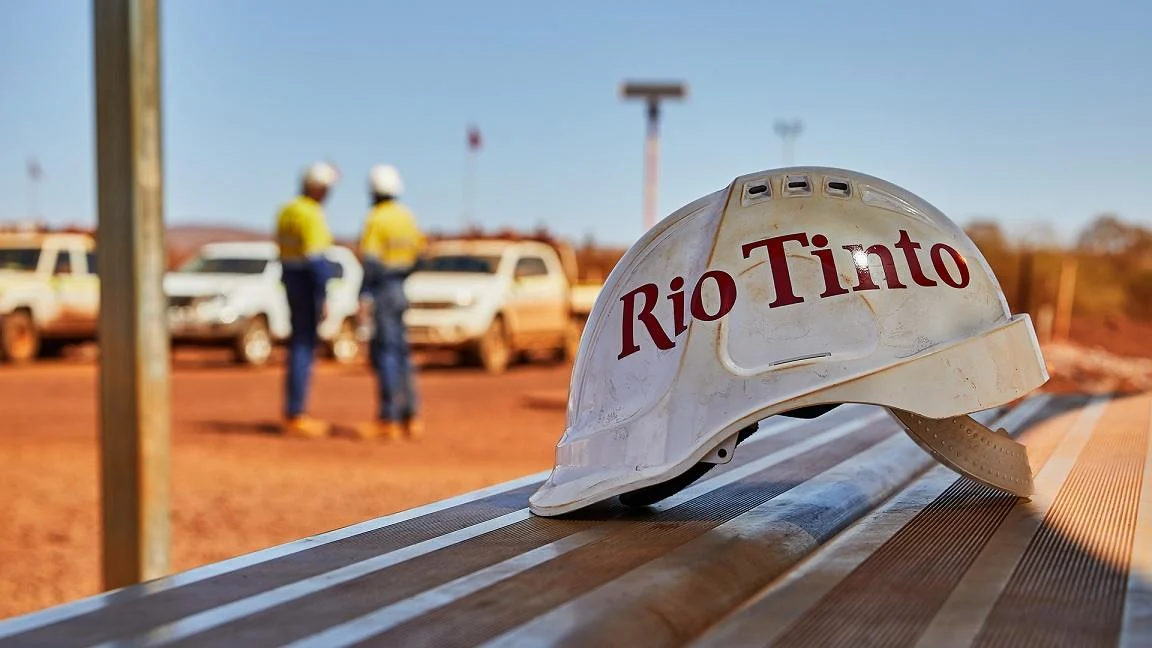
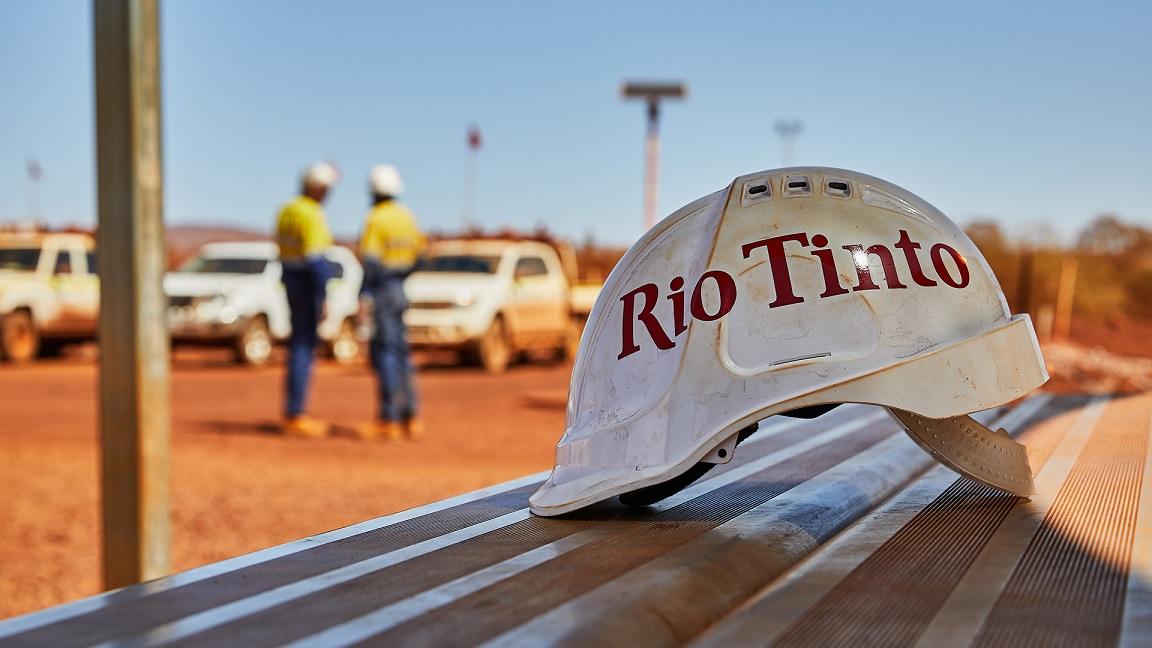
Global mining and metals conglomerate Rio Tinto has formally entered into a strategic five-year offtake agreement with SuperChar, an innovative renewable biomass charcoal company, to facilitate the transition from coal to plant-based bio pellets at its alumina refineries in Gladstone, Australia. This landmark agreement marks a pivotal shift in the operational strategy of one of the world’s largest industrial players, signaling a robust commitment to decarbonizing the energy-intensive process of alumina refining. Under the terms of the deal, deliveries of the locally produced bio pellets are scheduled to commence in 2028, following the establishment of a dedicated production facility by SuperChar in the Gladstone region.
The partnership is a direct response to the escalating global pressure on heavy industries to mitigate their carbon footprints. Rio Tinto, which maintains a dominant position in the production and processing of iron ore, copper, and aluminum, has set ambitious climate targets: a 50% reduction in its operational Scope 1 and 2 emissions by 2030, with a long-term goal of reaching net-zero emissions by 2050. Achieving these targets requires more than just incremental changes; it necessitates a fundamental overhaul of how process heat is generated in industrial boilers, a challenge that this new bio pellet initiative aims to address.
The Decarbonization Challenge in Alumina Refining
Alumina refining is a critical step in the aluminum supply chain, involving the extraction of aluminum oxide (alumina) from bauxite ore through the Bayer process. This process requires significant amounts of high-pressure steam, which has traditionally been generated by burning coal or natural gas. For a company of Rio Tinto’s scale, the emissions generated from process heat represent a substantial portion of its Scope 1 profile.
While the electrification of heavy industry and the potential use of green hydrogen are often cited as long-term solutions, these technologies are still in various stages of development and face significant infrastructure hurdles. Bio pellets offer a more immediate, "drop-in" alternative that can utilize existing boiler infrastructure with minimal modifications. By replacing coal with a renewable carbon source, Rio Tinto can achieve immediate emissions reductions while continuing to explore longer-term technological breakthroughs.
Chronology of the Partnership and Development
The agreement signed in July 2026 is the culmination of several years of collaborative research and technical testing. The timeline of this transition highlights a methodical approach to industrial decarbonization:
- Initial Collaboration (Pre-2024): Rio Tinto and SuperChar began exploring the chemical properties of biomass charcoal and its compatibility with industrial-scale boilers.
- Operational Trials (2024-2025): Small-scale trials were conducted using various blends of bio pellets and coal. These trials were essential in determining how the biomass affected steam output, boiler efficiency, and residue formation.
- Feasibility Study (2025): A comprehensive study assessed the economic and logistical viability of scaling bio pellet use. This study confirmed that bio pellets could replace up to 30% of coal without compromising the integrity of the refinery’s steam generation systems.
- The Offtake Agreement (July 2026): The signing of the five-year contract provides SuperChar with the market certainty needed to invest in large-scale production infrastructure.
- Facility Construction and Feedstock Scaling (2026-2027): SuperChar will focus on establishing its Gladstone production facility and scaling the cultivation of Bana Grass with local agricultural partners.
- Commencement of Delivery (2028): Commercial-scale deliveries begin, with initial integration at the Yarwun refinery followed by the Queensland Alumina facility.
SuperChar and the Innovation of Bana Grass
At the heart of this agreement is SuperChar’s proprietary approach to producing green charcoal. Unlike traditional charcoal, which is often derived from native forests or tropical hardwoods—leading to concerns regarding deforestation and biodiversity loss—SuperChar utilizes Bana Grass (Pennisetum purpureum X Pennisetum americanum).
Bana Grass is a high-yielding, perennial energy crop known for its rapid growth and resilience. It can be harvested multiple times a year and thrives in various soil types, making it an ideal feedstock for sustainable fuel production. One of the primary advantages of using Bana Grass is its compatibility with existing agricultural infrastructure; it can be planted, managed, and harvested using standard equipment typically used in the sugar cane industry. This synergy allows for a seamless integration into the local Gladstone and broader Queensland agricultural landscape, providing a new revenue stream for regional farmers while ensuring a stable supply chain for Rio Tinto.
The conversion of this grass into bio pellets involves a thermochemical process that increases the energy density of the biomass, making it comparable to coal in terms of heat output while being significantly cleaner in terms of sulfur and heavy metal content.
Operational Implementation and Emission Reduction Targets
The implementation of bio pellets at Rio Tinto’s Gladstone operations will be phased to ensure operational stability. The company plans to conduct a series of operational demonstrations using blends ranging from a conservative 5% bio pellet mix to a more ambitious 50% supplement.
The initial phase will focus on the Yarwun refinery. Once the process is optimized and the necessary regulatory approvals are secured, the volume of bio pellets will be increased and expanded to the Queensland Alumina facility. This gradual scale-up allows engineers to monitor the impact on boiler longevity and emissions profiles in real-time.
The environmental impact of this shift is substantial. SuperChar’s planned facility in Gladstone is expected to have an initial annual capacity of 35,000 tons of bio pellets. At full contract volumes, this transition is projected to reduce Rio Tinto’s reported Scope 1 emissions by approximately 90,000 tons of carbon dioxide equivalent (CO2e) every year. This reduction is a meaningful contribution toward the company’s 2030 goal of a 50% reduction in emissions.
Official Perspectives on the Agreement
The leadership of both organizations has emphasized that this deal is as much about regional economic development as it is about environmental sustainability.
Armando Torres, Rio Tinto Aluminium Pacific Operations Managing Director, noted that the transition away from fossil fuels requires a multifaceted strategy. "Reducing our alumina refineries’ reliance on fossil fuel will require a mix of technologies, innovation and partnerships, and bio pellets are one of the practical options we are exploring as part of that," Torres stated. He emphasized that the previous trials provided the necessary data to move forward with confidence, allowing the company to understand how bio-pellets can be scaled for heavy industrial use.

Michael Palmer, SuperChar Executive Chairman, highlighted the collaborative nature of the project. "This agreement builds on several years of collaboration and demonstrates the potential for local, regeneratively grown biomass as an alternative industrial fuel, while creating opportunities for regional communities," Palmer said. His comments underscore the "circular economy" aspect of the project, where local agriculture feeds local industry to produce a global commodity (aluminum) with a lower carbon footprint.
Broader Industry Implications and Analysis
The Rio Tinto-SuperChar agreement serves as a blueprint for other "hard-to-abate" sectors, such as steel and cement manufacturing, which face similar challenges regarding process heat. The use of biomass as a transitional fuel is gaining traction globally as companies realize that complete electrification may be decades away.
However, the success of such initiatives depends heavily on the sustainability of the feedstock. By choosing a perennial grass over timber, Rio Tinto and SuperChar avoid the "carbon debt" associated with cutting down trees, where it can take decades for new growth to sequester the carbon released during combustion. Bana Grass, by contrast, sequesters carbon rapidly, making the net lifecycle emissions of the bio pellets significantly lower than fossil fuels.
Furthermore, this deal highlights the importance of "localism" in the energy transition. By producing the fuel in the Gladstone region for use in Gladstone refineries, the parties minimize transportation emissions and strengthen the local economy. This model reduces the risks associated with global supply chain volatility, which has plagued the energy sector in recent years.
Future Outlook
As the 2028 delivery date approaches, the industry will be watching the Gladstone operations closely. If the integration of bio pellets proves successful at the 50% blend level, it could lead to further offtake agreements and the expansion of SuperChar’s production capabilities.
Rio Tinto has indicated that this agreement is just one part of a broader "portfolio" approach to energy. The company is simultaneously investing in large-scale wind and solar projects in Queensland to power its smelters and is researching the use of hydrogen for alumina calcination. The bio pellet agreement provides a critical bridge, allowing the company to make immediate progress on its 2030 targets while the "grid of the future" is still being built.
In conclusion, the partnership between Rio Tinto and SuperChar represents a pragmatic and scientifically grounded step toward sustainable mining and refining. By leveraging the agricultural potential of Bana Grass and the technical expertise of renewable energy innovators, Rio Tinto is demonstrating that the path to net zero, while difficult, is achievable through strategic collaboration and a commitment to exploring every available tool in the decarbonization toolkit.