
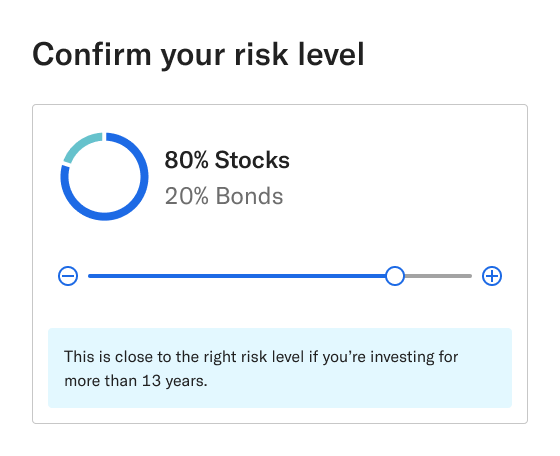
The most prudent course of action during periods of significant market fluctuation is often characterized by deliberate inaction. This strategy stems from the fundamental principle that selling riskier assets at a loss crystallizes those negative returns, forfeiting their inherent potential for future growth. Furthermore, such divestments can inadvertently trigger capital gains taxes, compounding the financial impact. However, for investors experiencing an understandable urge to take proactive steps, a measured reduction in overall risk exposure presents a reasonable and effective alternative. This can be achieved by incrementally decreasing an existing stock allocation by a few percentage points or by strategically utilizing future deposits to rebalance the portfolio, a process that may ultimately lead to an increased allocation to fixed-income securities.
The Stabilizing Influence of Bonds in Turbulent Markets
When discussions around investment diversification arise, equities, particularly international stocks, frequently capture the spotlight. However, the role of bonds in managing investment risk is equally, if not more, critical. Bonds represent a form of loan extended by investors to governments and corporations. While no investment is entirely devoid of risk, the relatively modest interest payments typically generated by bonds can offer a significant psychological and financial buffer when stock values are experiencing sharp declines. Although bonds may not entirely negate the inherent volatility associated with equities, they can effectively smooth out portfolio performance and contribute to capital preservation. This fundamental principle underpins the inclusion of a bond allocation in all recommended investment strategies, recognizing their vital function in a diversified portfolio.
For investors seeking to de-risk their future investment trajectory, portfolios that strategically blend both stocks and bonds offer a compelling solution. These integrated portfolios, often encompassing variations such as "Core" or "Value Tilt" strategies, are designed to align with specific risk appetites and financial objectives. While a baseline risk level is recommended based on individual goals, these investment vehicles provide the flexibility to adjust the bond allocation according to personal preferences. This allows for a gradual refinement of the portfolio’s risk profile over time, ensuring that the aggregate risk level aligns with the investor’s comfort and evolving financial landscape. Alternatively, automated adjustments can be implemented based on target dates, providing a passive yet effective approach to risk management.
Beyond these hybrid models, specialized portfolios comprised entirely of bonds are also available, each tailored for distinct investment purposes. These all-bond portfolios cater to investors prioritizing capital preservation and income generation above aggressive growth. They can serve as a safe haven during periods of heightened market uncertainty or as a component of a broader retirement planning strategy, particularly for those nearing their target retirement dates. The availability of these specialized options underscores the adaptability of investment strategies to cater to a wide spectrum of risk tolerances and financial objectives.
Bolstering Financial Security with a Robust Emergency Fund
Complementing investment strategies, the fortification of an emergency fund stands as one of the most effective methods for mitigating overall financial risk. This vital safety net may encompass a high-yield cash account, offering accessibility and a degree of return. The necessity of such a fund becomes acutely apparent when contemplating scenarios such as an unexpected loss of income. The ideal size of an emergency fund typically ranges from three to six months’ worth of essential living expenses, though the optimal amount is ultimately determined by individual circumstances and the level of financial security that provides peace of mind. Maintaining an adequately funded emergency reserve ensures that unforeseen events do not necessitate the liquidation of long-term investments at unfavorable market conditions, thereby safeguarding investment growth and stability.

Strategic Recalibration: A Measured Approach to Risk Management
As initially highlighted, adjusting one’s risk profile during market downturns may not always be cost-neutral. However, strategic approaches can effectively minimize these associated costs. An incremental reduction in the overall risk profile represents one such method, allowing for a gradual transition without drastic portfolio changes. Similarly, the strategic expansion of one’s financial safety net, through measures like bolstering an emergency fund, offers another layer of protection. It is entirely appropriate and often wise for individuals to periodically reassess and recalibrate their risk tolerance. This process can be navigated effectively with the guidance of experienced financial planning services, ensuring that investment strategies remain aligned with evolving personal circumstances and market dynamics.
Historical Context and Market Dynamics: Understanding Volatility
Market volatility is an intrinsic characteristic of financial markets, driven by a confluence of economic, geopolitical, and psychological factors. Periods of heightened uncertainty, such as those marked by global pandemics, geopolitical conflicts, or significant shifts in economic policy, often precipitate sharp market swings. For instance, the COVID-19 pandemic in early 2020 triggered an unprecedented period of market turbulence, with major indices experiencing rapid declines followed by a remarkable, albeit uneven, recovery. This event underscored the importance of having robust risk management strategies in place.
More recently, factors such as persistent inflation, rising interest rates, and ongoing geopolitical tensions have contributed to a more volatile market environment. Central banks globally have been engaged in monetary policy tightening to combat inflation, which can lead to increased borrowing costs for businesses and consumers, potentially slowing economic growth and impacting corporate earnings. This economic backdrop directly influences investor sentiment and market behavior, leading to increased price fluctuations.
Supporting Data and Economic Indicators
Analysis of historical market data reveals a consistent pattern: while stock markets have historically delivered higher long-term returns, they have also exhibited greater volatility. For example, over extended periods, the S&P 500 index has historically provided average annual returns in the range of 8-10%, but with standard deviations (a measure of volatility) that are significantly higher than those of bond indices.
Bonds, conversely, have generally offered lower but more stable returns. Their price movements are less correlated with stock market fluctuations, providing a diversification benefit. For instance, during periods of stock market decline, high-quality government bonds often appreciate in value as investors seek safer assets, a phenomenon known as a "flight to safety." This inverse relationship can help to cushion portfolio losses.
Inflation data is a critical indicator influencing current market sentiment. Persistent high inflation erodes purchasing power and prompts central banks to raise interest rates. For example, in the United States, inflation rates in 2022 and early 2023 remained elevated, leading the Federal Reserve to implement aggressive interest rate hikes. These hikes, while intended to curb inflation, can increase the cost of capital for companies, potentially impacting their profitability and stock valuations.
Broader Impact and Implications for Investors
The current market environment, characterized by elevated inflation and rising interest rates, presents a complex landscape for investors. The implications are far-reaching:
- Erosion of Purchasing Power: For individuals holding significant cash reserves without adequate yield, inflation can diminish the real value of their savings.
- Increased Cost of Borrowing: Higher interest rates make it more expensive for businesses to finance operations and expansion, potentially slowing economic growth and impacting corporate earnings. Consumers may also face higher costs for mortgages, car loans, and other forms of credit.
- Shifting Investment Preferences: The relative attractiveness of different asset classes shifts. As interest rates rise, newly issued bonds offer more competitive yields, making them a more appealing alternative to equities for some investors.
- Psychological Impact on Investors: Prolonged periods of volatility can lead to investor anxiety, potentially prompting suboptimal decisions such as panic selling.
Official Responses and Expert Commentary
Financial regulators and central bankers are closely monitoring market conditions. Statements from institutions like the Federal Reserve, the European Central Bank, and the Bank of England often provide insights into their policy outlook and their assessment of economic risks. These pronouncements can significantly influence market sentiment and investor behavior.
Economists and financial analysts offer diverse perspectives on the current economic trajectory. Some foresee a potential recession as central banks tighten policy, while others anticipate a "soft landing" where inflation is brought under control without a significant economic downturn. Financial advisors and wealth management firms are actively engaging with clients to review portfolios, rebalance asset allocations, and reinforce long-term investment strategies.
For example, a spokesperson for a major investment firm might state, "We are advising our clients to remain disciplined and focused on their long-term financial goals. While short-term market fluctuations are unsettling, history demonstrates that well-diversified portfolios, including a strategic allocation to fixed income, are best positioned to weather these storms."
Conclusion: Building Resilience Through Strategic Asset Allocation
In conclusion, navigating market volatility requires a disciplined and strategic approach. While inaction is often the most financially sound response, a measured recalibration of risk exposure, particularly through the judicious inclusion of bonds and the maintenance of a robust emergency fund, can enhance portfolio resilience. Understanding the historical context of market cycles, monitoring key economic indicators, and seeking expert guidance are essential components of a successful long-term investment strategy. By focusing on diversification, risk management, and staying true to established financial principles, investors can build portfolios that are better equipped to withstand turbulent times and capitalize on future growth opportunities.