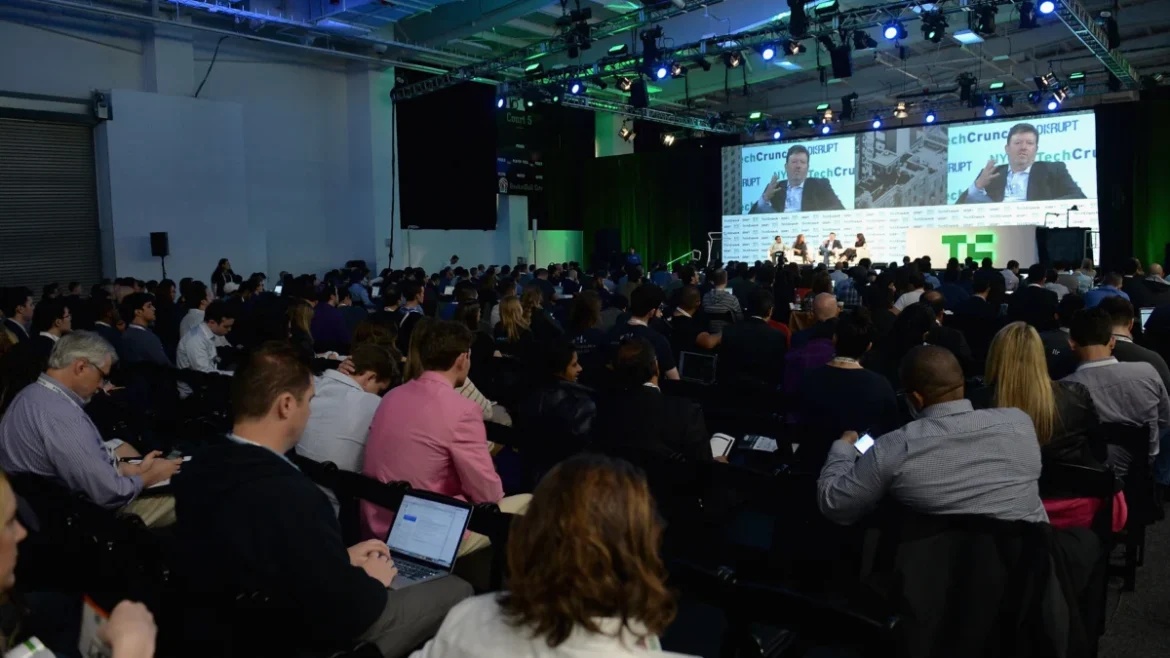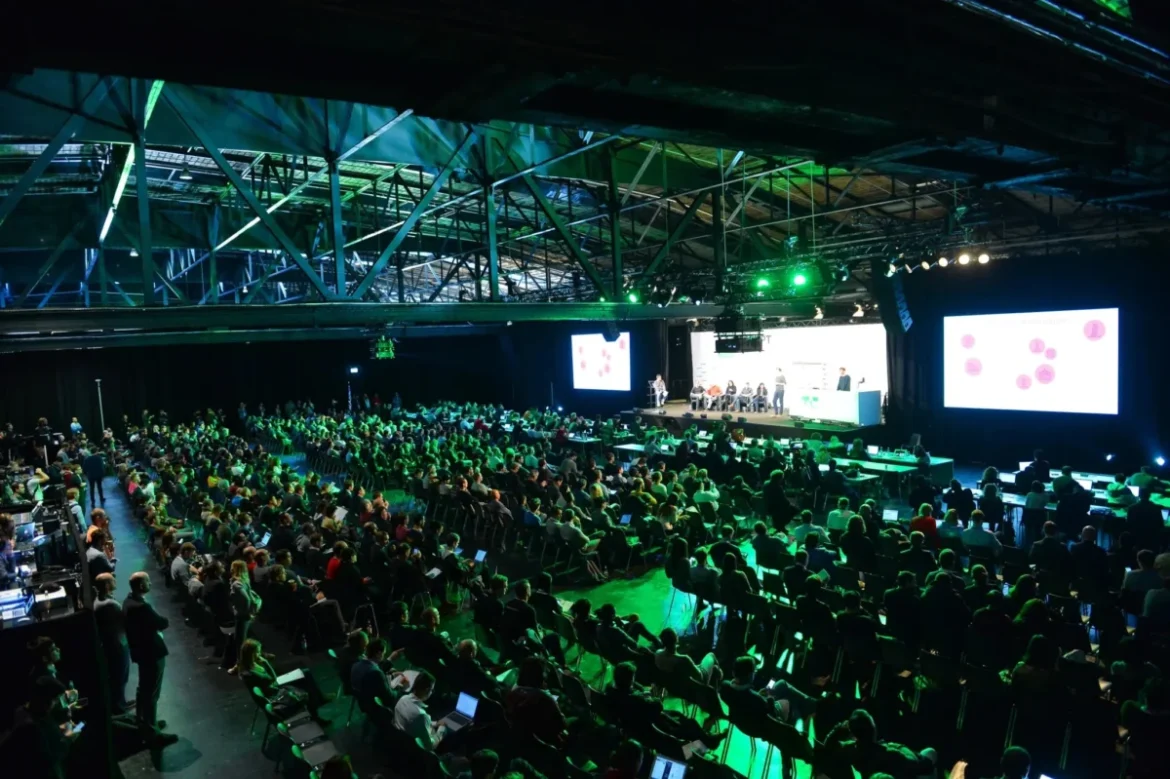
Tech professionals, startup founders, and venture capitalists have just four days remaining to lock in substantial savings on registration for TechCrunch Disrupt 2026. The premier technology conference, scheduled to take place from October 13 to October 15 at Moscone West in San Francisco, offers attendees a crucial opportunity to gain a macro-level perspective on a rapidly shifting industry. Ticket prices for the flagship event are set to increase permanently on September 25 at 11:59 p.m. PT, making the final days of early registration a critical window for cost-conscious teams and solo operators alike.
As the tech ecosystem navigates complex transitions across artificial intelligence, physical robotics, and evolving venture capital environments, events like Disrupt serve as essential touchpoints. Organizers are currently offering discounts of up to $200 off standard pass prices, alongside a special promotion granting a 50% discount on a second ticket. Furthermore, group registration discounts of up to 30% are available for teams of four or more looking to attend the three-day summit.
The High Stakes of Perspective in a Fast-Moving Tech Landscape
The technology sector moves at a relentless pace, where strategic decisions made today regarding product development, hiring, market expansion, and capital allocation can be entirely disrupted within a six-month window. In this environment, acquiring accurate and diverse perspective is not merely beneficial; it is a fundamental survival requirement for modern enterprises.

TechCrunch Disrupt 2026 is engineered to pull professionals out of their day-to-day operational silos. The event is projected to draw more than 10,000 founders, investors, enterprise operators, and industry leaders to San Francisco. These participants will converge to examine the most pressing technological shifts from multiple angles, fostering an environment where cross-disciplinary insights can inform upcoming corporate roadmaps.
The agenda for the 2026 conference directly reflects the complex realities of the current market. Artificial intelligence continues to fundamentally rewrite the rules of software development and product deployment. Simultaneously, venture capital firms are recalibrating their investment theses, shifting away from pure growth-at-all-costs metrics toward sustainable unit economics and tangible enterprise value.
Beyond software and AI, physical AI and advanced robotics are steadily transitioning from controlled laboratory environments into complex real-world industrial and commercial settings. These shifts carry massive implications for global infrastructure demands, energy consumption, and emerging financial models. Furthermore, contemporary founders are constructing scalable companies with significantly leaner teams, leveraging advanced automation tools and operating under radically different growth expectations compared to previous economic cycles.
Comprehensive Agenda and Structured Networking Opportunities
To help attendees digest these massive structural shifts, TechCrunch Disrupt 2026 has curated an extensive program featuring more than 200 distinct sessions. These discussions will be led by over 250 prominent technology leaders, spanning six specialized industry stages, intimate roundtables, and focused breakout rooms.

Navigating a massive conference can often prove overwhelming, but Disrupt utilizes advanced technological solutions to maximize attendee ROI. The event features an AI-powered matchmaking system designed to connect participants based on shared professional interests, strategic goals, and specific job titles. This algorithmic networking is complemented by impromptu collaboration spaces, ensuring that both structured meetings and serendipitous encounters yield valuable connections.
Industry analysts note that modern tech conferences derive their primary value not from generalized keynote speeches, but from the synthesis of interconnected trends. For instance, the ongoing boom in artificial intelligence is deeply intertwined with massive underlying infrastructure and power generation stories. Similarly, the commercialization of robotics is fundamentally a matter of manufacturing capability and consumer trust, while the mainstream adoption of stablecoins and decentralized financial tools is steadily transforming global payment architectures. Disrupt is structured to allow participants to move fluidly between these disparate conversations, gaining a holistic view of the market rather than examining each trend in an isolated vacuum.
Tailored Value Propositions for Founders, Investors, and Technologists
The multi-disciplinary nature of TechCrunch Disrupt ensures that distinct segments of the technology ecosystem extract targeted, actionable value from the three-day gathering.
For early-stage and growth-stage founders, listening to how institutional investors evaluate emerging markets provides invaluable intelligence. This exposure helps entrepreneurs sharpen their fundraising narratives, refine their competitive positioning, and make rigorous decisions regarding core product focus. Instead of guessing what venture capitalists prioritize in a tightening funding climate, founders can hear directly from general partners managing billions in capital.

Conversely, venture capitalists and corporate investors utilize the conference to ground their investment theses in empirical reality. By interacting directly with builders, developers, and product managers on the ground floor, investors gain a clearer, unvarnished view of genuine technological adoption versus superficial hype cycles. This direct line of communication helps identify which technical bottlenecks remain unsolved and which startups are building defensible moats.
For chief technology officers, product leads, and engineering directors, the event offers a comprehensive window into how competing organizations across AI, infrastructure, and enterprise software are architecting their upcoming product roadmaps. Understanding how peers manage technical debt, scale infrastructure under heavy AI workloads, and integrate emerging automation tools provides a practical benchmark for internal team operations.
Event Chronology and Registration Details
The countdown to TechCrunch Disrupt 2026 is entering its final stretch. With the early registration window closing sharply on September 25, 2026, at 11:59 p.m. PT, prospective attendees have minimal time left to secure the maximum financial savings.
- Conference Dates: October 13 – October 15, 2026
- Location: Moscone West, San Francisco, California
- Early Registration Deadline: September 25, 2026, at 11:59 p.m. PT
- Current Incentives: Up to $200 off standard ticket prices, 50% off a second pass on select ticket types, and up to 30% off for group registrations of four or more.
Industry observers emphasize that the true return on investment of attending Disrupt extends far beyond the physical conference floor. The objective is for participants to leave Moscone West not with predetermined answers, but with enriched context to guide their strategic decisions for the remainder of the fiscal year and beyond. As the technological landscape grows increasingly volatile, securing a comprehensive perspective remains one of the most powerful investments a modern tech professional can make.