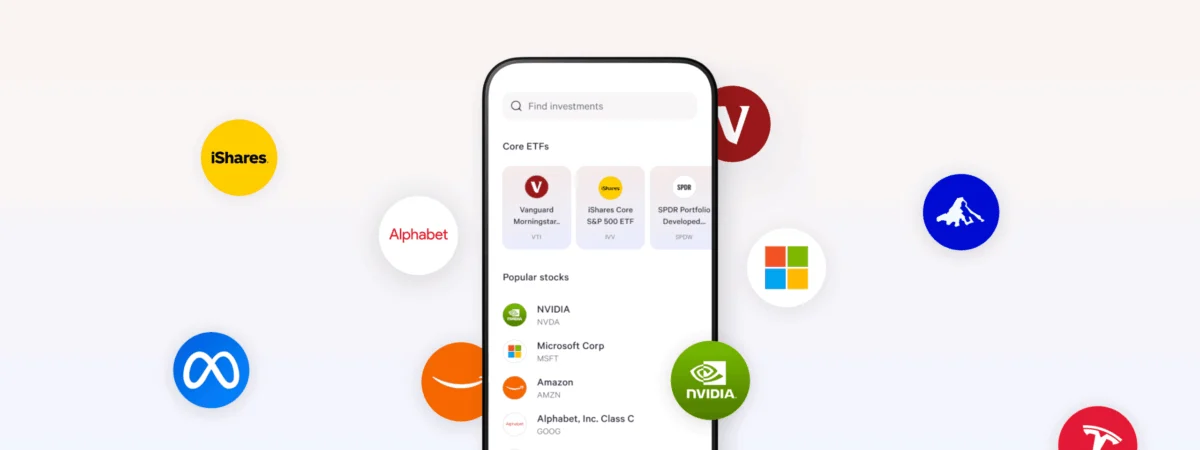
Wealthfront has officially unveiled a significant expansion of its self-directed brokerage services, transitioning its former Stock Investing Account into a more robust and feature-rich Brokerage Account. This update introduces critical trading functionalities including instant execution, recurring investment scheduling, and the implementation of limit orders. By integrating these tools with an expanded universe of over 8,000 stocks and exchange-traded funds (ETFs), Wealthfront is positioning itself to compete more aggressively with established discount brokerages while maintaining the user-friendly interface that has defined its automated wealth management platform.
A Strategic Evolution of the Investing Suite
The introduction of these features marks a pivotal shift in Wealthfront’s product roadmap. Historically known for its automated, hands-off approach to wealth management—centered on low-cost, diversified index funds—the company has increasingly moved toward a hybrid model. This evolution allows users to maintain their passive, long-term automated portfolios while simultaneously engaging in active, self-directed stock picking.
The upgrade to the Brokerage Account addresses common user feedback regarding the previous limitations of the platform’s self-directed offerings. By adding support for limit orders—a standard requirement for active traders—Wealthfront is providing users with greater price control, ensuring that orders are only executed at a specified price or better. The inclusion of recurring investments is equally significant, as it facilitates dollar-cost averaging, a cornerstone strategy for building long-term wealth without the psychological burden of attempting to time market fluctuations.
Chronology of Wealthfront’s Product Expansion
Wealthfront’s journey toward a comprehensive financial ecosystem has been methodical. The firm began as a robo-advisor, gaining traction during the 2010s by offering automated rebalancing and tax-loss harvesting.
- 2013-2018: The firm established its reputation as a leader in automated investment management, focusing primarily on long-term portfolio growth.
- 2019-2021: Wealthfront expanded into banking-like services with the launch of the Cash Account, aiming to capture the entirety of a user’s financial life.
- 2022-2024: The company began testing self-directed investing features, allowing users to buy individual stocks and ETFs alongside their automated portfolios.
- October 2026: The official launch of the enhanced Brokerage Account consolidates these services, providing a unified interface that bridges the gap between passive wealth management and active trading.
This progression reflects a broader industry trend where financial technology (fintech) firms are seeking to maximize "share of wallet" by offering a full suite of services under a single login, reducing the need for customers to move assets between multiple institutions.
Market Dynamics and User Experience
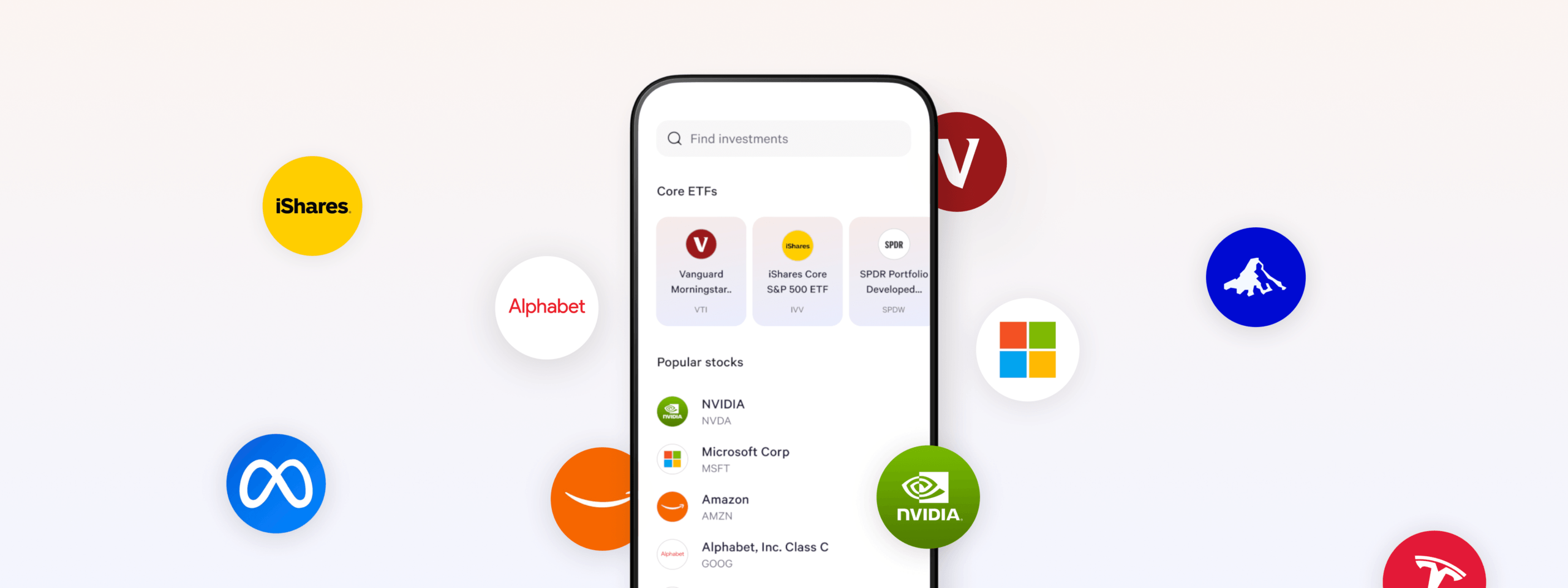
A central theme in Wealthfront’s design philosophy for the new Brokerage Account is the reduction of friction. The platform has introduced categorized browsing, which allows users to explore ETFs and stocks based on industry or thematic interest. This feature is particularly aimed at retail investors who may feel overwhelmed by the thousands of available tickers.
The integration with the Wealthfront Cash Account remains the platform’s primary value proposition. Unlike many traditional brokerages where idle cash earns minimal interest, Wealthfront utilizes its Cash Account to provide a competitive Annual Percentage Yield (APY) on uninvested capital. This ensures that funds intended for future investments remain productive until the user is ready to deploy them into the market. With a minimum investment threshold of $1, the barrier to entry remains remarkably low, adhering to the company’s mission of democratizing access to financial markets.
The Financial Landscape: Data and Implications
The decision to expand to 8,000+ tradable assets comes at a time when the retail investing sector is increasingly saturated. According to industry data from the Securities and Exchange Commission (SEC) and the Financial Industry Regulatory Authority (FINRA), retail participation in the stock market has remained at historic highs since 2020. However, the expectations for brokerage platforms have shifted significantly. Modern investors demand high-speed execution, minimal fees, and a seamless mobile experience.
By offering instant trades during market hours, Wealthfront is aligning its infrastructure with the standards set by large-scale retail brokers. However, the firm maintains its emphasis on long-term stability. The integration of the Brokerage Account within the existing Wealthfront ecosystem allows for a "holistic" view of a client’s net worth. In an environment where market volatility can be high, providing tools that encourage disciplined investing—such as recurring orders—is a strategic move to differentiate the platform from "gamified" trading apps that prioritize high-frequency, speculative activity.
Expert Perspective and Future Roadmap
Dave Myszewski, Vice President of Product at Wealthfront, has been a key figure in the development of these features. Myszewski, whose background includes a significant tenure at Apple, has frequently emphasized that the goal is not to replicate the complex, data-heavy dashboards found in professional trading terminals, but to simplify the act of investing for the average individual.
In a statement regarding the update, the company underscored its commitment to "a future that favors people over institutions." This sentiment is reflected in the upcoming roadmap, which includes:
- Joint Brokerage Accounts: Allowing for shared household assets.
- Trust Brokerage Accounts: Facilitating estate planning and long-term asset management.
- Portfolio Line of Credit: Expanding the ability for users to leverage their assets without needing to sell them, thus potentially avoiding capital gains tax events.
Regulatory and Risk Considerations
As with any financial service, the expansion of the Brokerage Account brings with it a clear set of disclosures. Wealthfront Brokerage LLC is a member of FINRA and SIPC, which provides a layer of protection for investors in the event of firm insolvency. However, the company is careful to distinguish between its automated advisory services and its self-directed brokerage offerings.
The Brokerage Account is explicitly labeled as a "self-directed" product. This distinction is vital from a regulatory standpoint, as it places the burden of due diligence and risk assessment on the user. Unlike the firm’s automated portfolios, which are managed according to Modern Portfolio Theory and specific risk tolerances, individual stocks purchased through the Brokerage Account do not carry the same institutional oversight.
Investors are cautioned that while the platform is designed to be simple, the inherent risks of the stock market remain. The potential for loss of principal is a constant, and the performance of individual securities is subject to the volatility of market conditions, liquidity issues, and broader economic cycles.
Broader Implications for the Fintech Sector
The move by Wealthfront suggests that the line between robo-advisors and full-service brokerages is effectively disappearing. By providing the tools for self-directed trading, Wealthfront is no longer just a manager of money; it is becoming a primary destination for the entirety of an investor’s portfolio.
For the industry, this creates a competitive pressure on legacy firms to lower fees and improve user interfaces. For the individual user, it offers the convenience of having passive automated accounts and active self-directed accounts under one roof, potentially simplifying tax reporting and financial tracking.
As Wealthfront continues to build out these features, the ultimate test will be whether they can successfully maintain their reputation for long-term, low-cost investing while simultaneously catering to a demographic that is increasingly interested in active market participation. With the upcoming rollout of joint and trust accounts, the firm is clearly signaling that it intends to capture the entire lifecycle of its clients’ financial needs, from early-stage individual investing to complex, multi-generational wealth management.
In conclusion, the update to the Brokerage Account is more than a simple feature patch. It is a strategic pivot that reflects the changing demands of the modern investor: a desire for simplicity, speed, and integrated control over one’s financial destiny. Whether this will lead to higher adoption rates remains to be seen, but the platform’s focus on user-centric design continues to make it a significant player in the evolution of retail finance.