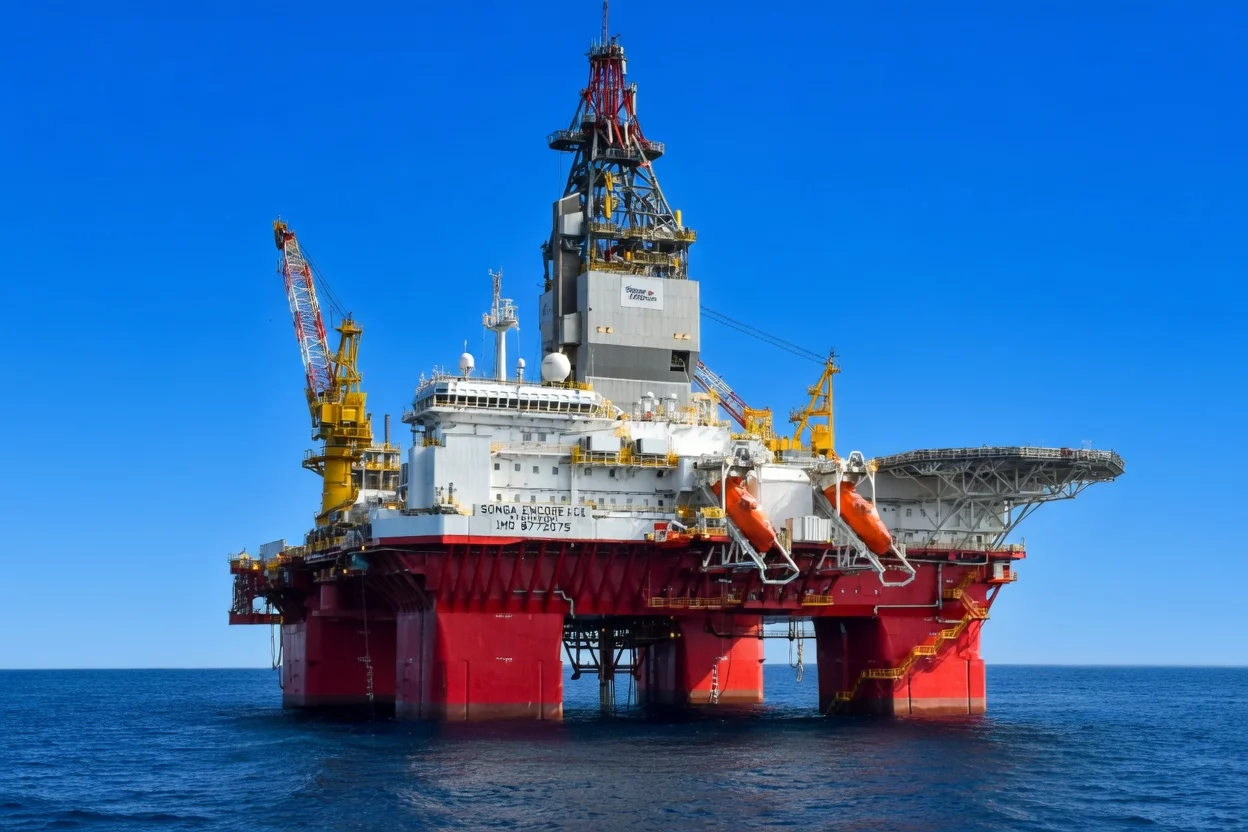
Global oil prices experienced a notable retreat on Tuesday, declining by more than 1% as energy traders meticulously weighed the delicate balance between potential diplomatic breakthroughs involving Washington and Tehran against a backdrop of intensifying maritime attacks and expanded threats to critical shipping arteries. Brent crude, the international benchmark, dipped to approximately $88 per barrel, while its American counterpart, West Texas Intermediate (WTI), fell to around $82. This downturn followed a session of gains, which saw Brent briefly surmount the psychologically significant $90 threshold, underscoring the market’s hypersensitivity to geopolitical developments in the Middle East.
The Precarious Balance: Diplomacy vs. Escalation
The current market volatility is intrinsically linked to the ongoing, albeit undeclared, conflict between the United States and Iran. International mediators have reportedly put forth a comprehensive 10-day ceasefire framework, a revelation made by a senior Iranian official to Reuters. This diplomatic gambit aims not only to resuscitate an interim agreement previously established on June 17 but also to lay crucial groundwork for more enduring and comprehensive negotiations. The urgency of these diplomatic efforts is heightened by concerns among mediators, as highlighted by reports, that both the U.S. and Iran risk settling into a protracted pattern of conflict. This pattern, characterized by hostilities kept just below the threshold of all-out war, nevertheless possesses the capacity to indefinitely disrupt regional economies and global energy markets.
Despite these overtures towards de-escalation, significant points of contention continue to plague relations between Washington and Tehran. U.S. President Donald Trump has unequivocally pledged robust military responses following reported casualties among American military personnel, signaling a firm stance that complicates any peace efforts. The prevailing sentiment among analysts is that while diplomatic channels remain open, the chasm of mistrust and fundamental disagreements is substantial, making a swift resolution an arduous task.
A Chronology of Rising Tensions and Military Actions
The current cycle of hostilities formally commenced on February 28, following joint U.S.-Israeli military operations directed against various Iranian positions. This marked a significant escalation in a region already simmering with geopolitical rivalries and proxy conflicts. In the ensuing weeks, U.S. Central Command (CENTCOM) confirmed conducting ten consecutive days of airstrikes, systematically targeting Iranian military infrastructure. Documented detonations have been reported in key strategic locations, including the port city of Bandar Abbas, Qeshm Island, and Konarak, all vital for Iran’s naval and logistical operations. These strikes represent a clear demonstration of force, intended to degrade Iranian capabilities and deter further aggression.
The immediate impetus for President Trump’s strong rhetoric and the subsequent military actions was directly linked to casualties sustained by American military personnel. While specific details of these incidents are often shrouded in operational secrecy, such losses invariably trigger a potent political and military response from the United States, further exacerbating an already volatile situation. The American administration has consistently framed its actions as defensive measures against Iranian-backed aggression and threats to regional stability and U.S. interests.
Adding to the escalating tensions, Tuesday witnessed a critical maritime incident in the Strait of Hormuz. A tanker operating within this vital waterway sustained damage from an unidentified projectile, compelling its crew to evacuate the vessel. Iran’s Islamic Revolutionary Guards Corps (IRGC) subsequently acknowledged responsibility for the operation, asserting its right to defend its maritime interests. This act of aggression has had immediate repercussions, leading to a noticeable decline in maritime traffic through the strategic chokepoint, as shipping companies and insurers re-evaluate the risks involved.
The Strategic Chokepoints: Strait of Hormuz and Bab al-Mandab
The Strait of Hormuz is not merely a shipping lane; it is arguably the most vital petroleum transportation corridor on the planet. Approximately one-fifth of the world’s total petroleum liquids consumption, equating to roughly 21 million barrels per day (bpd), traverses this narrow waterway. Any extended interference with passage through this chokepoint would send shockwaves through global crude distribution networks, potentially triggering unprecedented spikes in oil prices and profound economic instability worldwide. The history of the Strait is punctuated by episodes of tension, particularly during the Iran-Iraq War in the 1980s, when both sides attacked tankers in what became known as the "Tanker War," demonstrating the devastating potential of prolonged disruption.
Further compounding the risks to global energy supplies is the threat emanating from Iranian-backed Houthi forces in Yemen. These forces have declared their intentions to establish a naval blockade targeting Saudi Arabian ports. Such an action would directly impact the Bab al-Mandab Strait, another strategic bottleneck situated between Yemen on the Arabian Peninsula, and Djibouti and Eritrea in the Horn of Africa. This strait is responsible for approximately 12% of international maritime commerce, including a significant portion of crude oil and refined petroleum products flowing from the Middle East to Europe and North America.
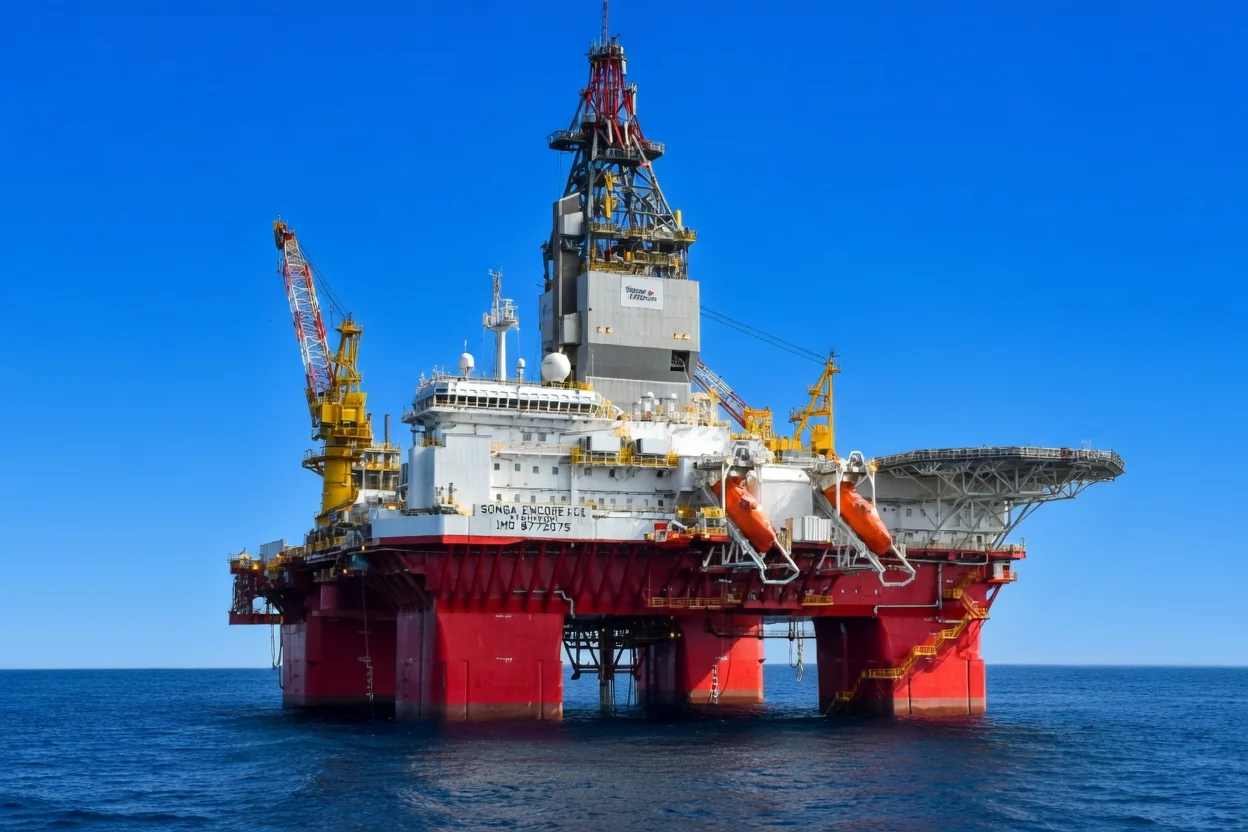
Tim Waterer, a market analyst from KCM Trade, underscored the gravity of the Houthi threats, stating, "The naval blockade threats directed at Saudi Arabia by Houthi forces carry substantial weight as they elevate the potential for supply interruptions from another crucial oil-producing nation." This sentiment highlights the interconnectedness of regional conflicts and their potential to cascade into global economic crises.
Economic Implications and Market Outlook
The potential for prolonged instability in the Middle East casts a long shadow over the global economic outlook. Higher oil prices translate directly into increased costs for transportation, manufacturing, and ultimately, consumer goods. This inflationary pressure can stifle economic growth, forcing central banks to consider tighter monetary policies, which in turn could dampen investment and employment. Major oil-importing nations, particularly in Asia and Europe, are especially vulnerable to sustained supply disruptions and elevated energy costs.
Market analysts at ING, while acknowledging the seriousness of the Houthi threats, suggested that traders remain skeptical regarding the immediate operational feasibility of a full-scale blockade. However, they emphatically emphasized that regardless of the blockade’s success, such threats inevitably drive up maritime insurance premiums for regional vessel operators. The heightened risk perception alone is sufficient to impose significant additional costs on the shipping industry. Should a blockade materialize, commercial shipping would be compelled to reroute vessels via lengthier and more expensive African circumnavigation routes, adding weeks to transit times and further inflating supply chain costs.
Analysts at SEB Research proposed that recent American military operations might be strategically designed to constitute negotiating leverage preceding a diplomatic settlement. This "escalate to de-escalate" approach is a recognized, albeit risky, diplomatic tactic. They cautioned, however, that the possibility of a prolonged deadlock remains a genuine concern. Such an outcome would sustain energy supply uncertainty, providing consistent underlying support for elevated petroleum prices in the medium to long term.
Despite the persistent regional instability providing foundational support for crude valuations, price advances remain constrained by historical precedents. Past Middle Eastern conflicts, while initially causing spikes, have often de-escalated before generating sustained, catastrophic supply interruptions. This historical pattern injects a degree of cautious optimism into the market, preventing runaway price surges, even amidst acute tensions.
Global Reactions and Broader Context
The international community has largely called for de-escalation and diplomatic resolution. The United Nations and various European Union member states have expressed deep concern over the escalating tensions and the potential for a wider regional conflict. Efforts by countries like Oman and Qatar, which maintain diplomatic ties with both Washington and Tehran, have been crucial in facilitating back-channel communications and mediation efforts. These nations understand that a full-blown conflict would have devastating consequences for the entire region and beyond.
The current crisis is also a stark reminder of the broader geopolitical rivalry between the United States and Iran, which has roots stretching back decades. The collapse of the Joint Comprehensive Plan of Action (JCPOA), or the Iran nuclear deal, in 2018, followed by the re-imposition of stringent U.S. sanctions, significantly frayed relations. Iran’s perceived support for proxy groups across the Middle East – from Hezbollah in Lebanon to various militias in Iraq and Syria, and the Houthis in Yemen – has long been a point of contention, viewed by the U.S. and its regional allies as destabilizing. The current military actions and threats are thus not isolated incidents but rather manifestations of a deeply entrenched and complex geopolitical struggle for influence.
Looking Ahead: Data and Diplomacy
Energy traders are now keenly focused on forthcoming U.S. petroleum stockpile data. The American Petroleum Institute (API) is scheduled to release its weekly report on Tuesday, followed by the more comprehensive data from the Energy Information Administration (EIA) on Wednesday. These reports offer crucial insights into consumption patterns within the world’s premier oil-consuming economy. Strong demand figures could lend further support to prices, even in the face of diplomatic hopes, while an unexpected build in inventories might provide some bearish pressure.
The immediate future of global oil prices remains intricately tied to the trajectory of U.S.-Iran relations. Whether the proposed 10-day ceasefire framework can evolve into a more substantial diplomatic engagement, or if the region will descend further into a cycle of tit-for-tat military actions, will be the decisive factor for energy markets in the coming weeks and months. The global economy, already grappling with inflationary pressures and the lingering effects of various crises, watches with bated breath, hoping for stability in one of its most critical arteries.