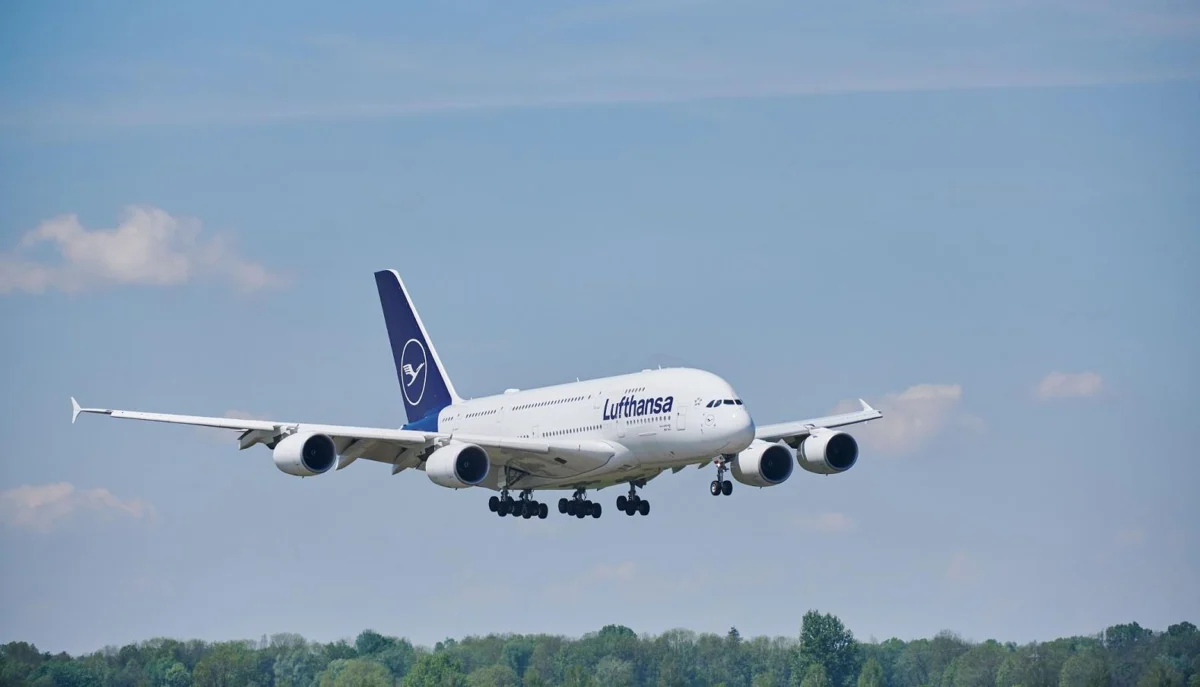
In a landmark move to accelerate the decarbonization of the European aviation sector, the governments of Germany, Austria, and Luxembourg have jointly unveiled a massive funding initiative designed to stimulate the production and adoption of electricity-based Sustainable Aviation Fuel (eSAF). This collaborative effort, representing a combined investment of over €2.12 billion, seeks to bridge the critical price gap that has historically prevented eSAF from competing with conventional fossil-based jet fuel, thereby incentivizing the construction of large-scale, industrial production facilities across the region.
The core of this initiative is a sophisticated "double-sided" auction mechanism. This financial instrument is specifically engineered to resolve the "chicken-and-egg" dilemma that has long plagued the eSAF sector: producers are unwilling to commit capital to expensive new plants without long-term purchase agreements, while airlines and fuel buyers are hesitant to sign such agreements due to the volatile and currently high price of synthetic fuels. By providing government-backed subsidies to cover the price differential, the three nations aim to create a bankable environment that encourages private investment in power-to-liquid (PtL) technologies.
Contextualizing the Aviation Emission Crisis
Aviation remains one of the most difficult sectors to abate. According to data from the International Air Transport Association (IATA), fuel costs represent a significant portion of airline operating expenses, and conventional kerosene remains the industry standard. While biofuels—derived from waste oils and agricultural residues—have provided a temporary bridge, they are limited by feedstock scarcity and sustainability concerns.
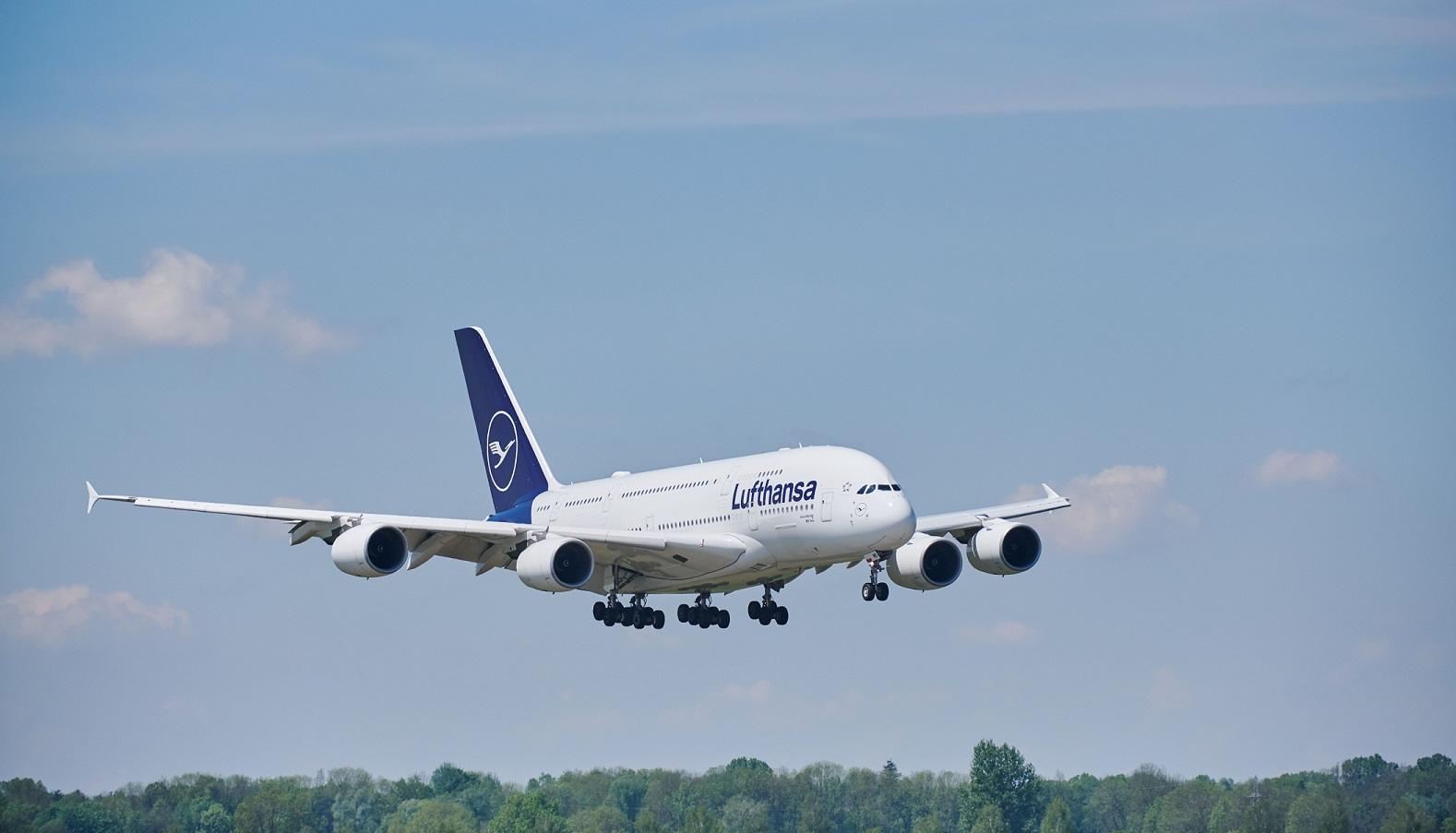
eSAF, or synthetic kerosene, offers a theoretically infinite scalability because it is produced through the electrolysis of water to create green hydrogen, which is then combined with captured carbon dioxide. Despite its potential, the production of eSAF remains in its infancy. In 2025, total global production of all forms of sustainable aviation fuel accounted for a mere 0.6% of global airline consumption, highlighting the massive gap between current production capacity and the net-zero targets set by the European Union’s ReFuelEU Aviation initiative.
A Chronology of Policy Development
The announcement follows a series of strategic milestones in European energy policy:
- December 2025: The "eSAF Early Movers Coalition" is formally launched, bringing together Germany, Austria, and Luxembourg to align on regulatory frameworks and financial support mechanisms.
- Q1 2026: Industry experts and policymakers conduct a feasibility study, identifying the "price gap" as the primary barrier to the commercialization of PtL facilities.
- Q2–Q3 2026: Negotiators from the three countries finalize the structure of the joint auction, ensuring that the volume of fuel procured aligns with each nation’s funding contribution.
- September 25, 2026: The official launch of the €2.12 billion funding scheme is announced, signaling the transition from planning to implementation.
The Mechanism of Change: How the Auction Works
Under the newly established auction model, both producers and consumers participate in a competitive bidding process. Producers submit bids indicating the price at which they can deliver synthetic fuel, while potential buyers—such as major airline groups—submit the prices they are willing to pay based on their sustainability targets and willingness to absorb premiums.
The government subsidy acts as the "contract for difference" (CfD). If the producer’s cost is higher than the market-clearing price agreed upon by the buyer, the government covers the shortfall. This provides the producer with a guaranteed revenue stream, allowing them to secure loans from commercial banks for plant construction. Simultaneously, it protects the airline from price shocks, enabling them to integrate eSAF into their fuel mix in a predictable manner.

Official Perspectives and Regional Cooperation
Steffen Bilger, Germany’s Federal Minister of Transport, emphasized the necessity of moving beyond mere target-setting. "When it comes to eSAF, Europe needs not only ambitious targets but also investment in industrial production," Bilger stated during the announcement. "Germany, Austria, and Luxembourg are jointly demonstrating how European cooperation works in practice. We are pooling our funding to create better conditions for investment decisions in a technology of the future."
Representatives from Austria and Luxembourg echoed these sentiments, noting that the small-scale nature of their individual domestic markets necessitated a regional approach to achieve the economies of scale required for synthetic fuel production. By aggregating demand and supply across borders, the coalition effectively turns three distinct markets into a single, larger, and more attractive investment landscape.
Economic and Environmental Implications
The impact of this program extends beyond the immediate goal of producing fuel. It represents a fundamental shift in how governments subsidize the energy transition. Rather than providing direct grants for construction, which can sometimes lead to inefficient allocation of capital, the auction mechanism ensures that the most cost-efficient producers win the funding. This drives innovation and cost-reduction over time, potentially lowering the long-term price of eSAF.
Furthermore, the program addresses the feedstock constraints inherent in first-generation biofuels. Because eSAF requires only electricity, water, and CO2, it can be produced in locations with abundant renewable energy—such as wind and solar farms—thereby decoupling fuel production from the food-based supply chain.

However, critics and market analysts caution that even with this massive injection of capital, the challenge of securing sufficient quantities of green electricity remains. The production of eSAF is highly energy-intensive. For this initiative to reach its potential, the participating nations will need to ensure that their domestic power grids are not only capable of handling the increased demand but are also supplied by truly renewable sources to ensure the fuel’s carbon-neutral credentials.
Future Outlook: Scaling the Market
The success of this pilot program will likely serve as a blueprint for the rest of the European Union. If the auction mechanism succeeds in bringing multiple gigawatts of PtL capacity online by 2030, other member states are expected to adopt similar frameworks.
The market for eSAF is also expected to benefit from the tightening of the EU Emissions Trading System (ETS) and the introduction of stricter "blending mandates" that will require airlines to use increasing percentages of sustainable fuel over the coming decade. As these mandates bite, the demand for eSAF will naturally rise, and the existence of this auction-backed supply chain will position the three founding nations as leaders in the emerging "green" aviation economy.
In conclusion, the commitment of €2.12 billion is more than just a financial gesture; it is a structural intervention designed to catalyze a nascent industry. By de-risking the early stages of production, Germany, Austria, and Luxembourg have set the stage for a critical phase of industrial transformation. Whether this will be enough to hit the ambitious 2030 targets remains to be seen, but the collaborative model offers a robust path forward in an era defined by the urgent need for sustainable mobility solutions. As the first auctions prepare to open, the global aviation industry will be watching closely to see if this mechanism can finally tip the scales toward a carbon-neutral future.