The global landscape of environmental, social, and governance (ESG) standards saw significant shifts during the week ending September 20, 2026, as international regulatory bodies, institutional investors, and corporate entities grappled with the acceleration of decarbonization mandates and the intensifying demand for transparent sustainability reporting. As the fiscal year moves toward its final quarter, the convergence of geopolitical energy transitions and rigorous climate disclosure frameworks has defined the corporate agenda.
The Regulatory Landscape: Strengthening Disclosure Requirements
The week was dominated by a continued tightening of sustainability disclosure requirements across major jurisdictions. The International Sustainability Standards Board (ISSB) released updated guidance regarding the integration of Scope 3 emissions reporting, signaling a more aggressive stance on value-chain accountability. For multinational corporations, this development represents a pivotal transition from voluntary reporting to standardized, auditable metrics that are increasingly viewed as foundational to financial health.
Data from mid-September indicates that over 65% of S&P 500 companies have now fully integrated climate-related financial disclosures into their primary annual filings. This represents a substantial increase from the 42% reported in 2024. The shift is largely driven by the adoption of the CSRD (Corporate Sustainability Reporting Directive) in the European Union, which has forced global subsidiaries to align their reporting protocols with the stringent European standards, creating a "Brussels effect" on global ESG data practices.
Chronology of Key Market Movements
The week began on Monday, September 14, with a notable announcement from several major institutional asset managers regarding their updated proxy voting guidelines. These managers indicated a shift toward holding board directors personally accountable for failures in meeting interim Net Zero milestones. This move marks a departure from traditional engagement tactics, suggesting that "soft" advocacy is being replaced by targeted governance pressure.
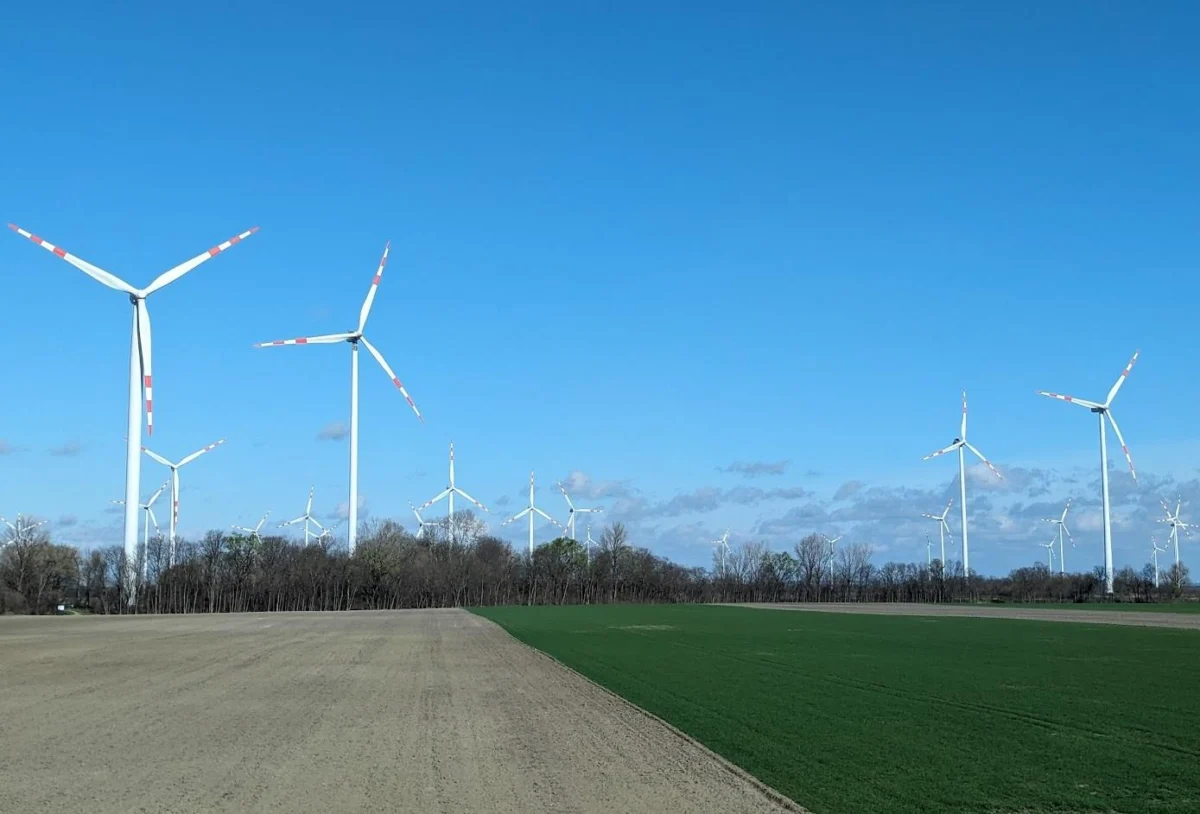
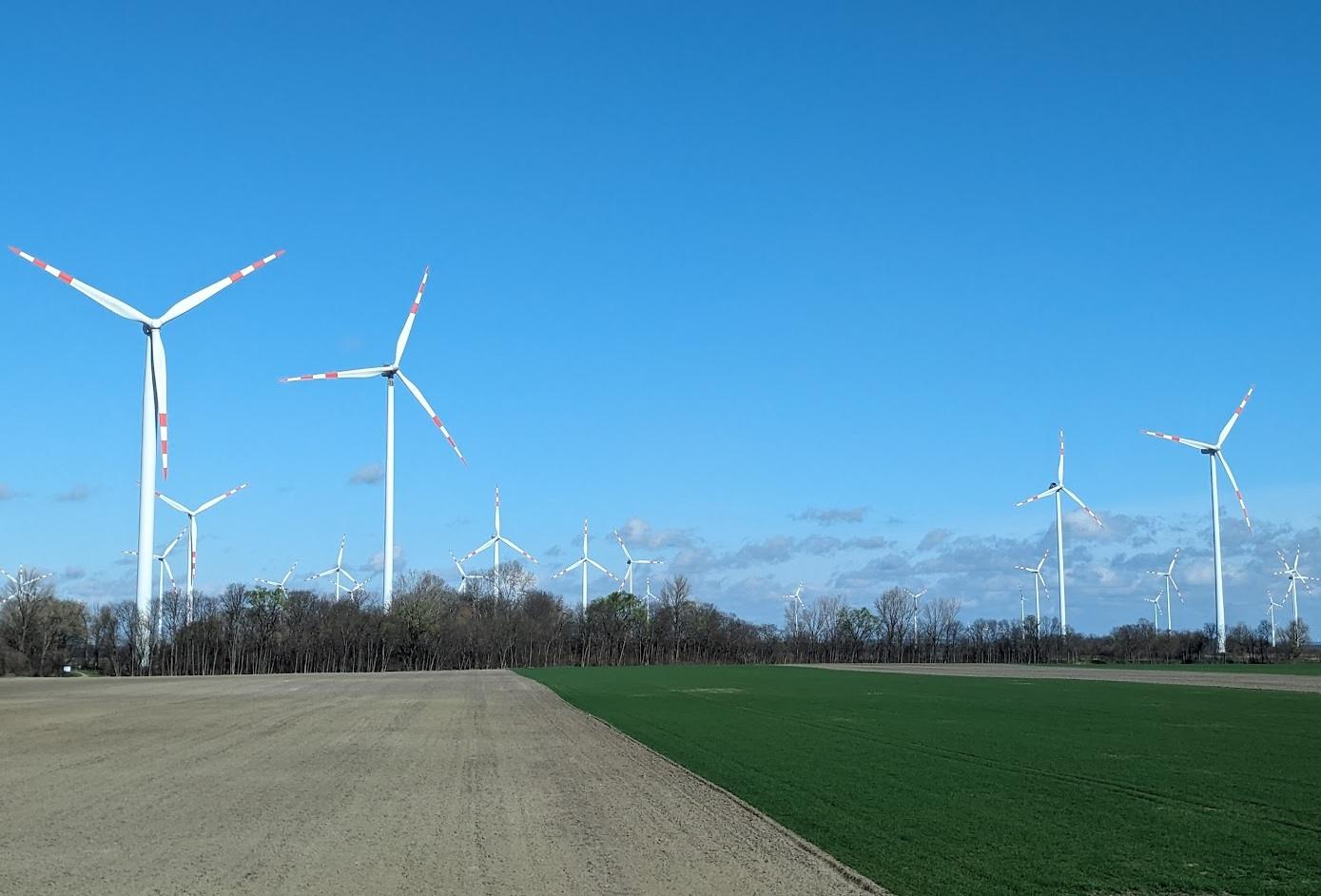
By Wednesday, September 16, the focus shifted to the energy sector. A coalition of renewable energy developers in Central Europe, particularly in Austria, announced a series of new grid-capacity investments. These projects are designed to resolve long-standing bottlenecks that have hindered the transition to wind and solar power in the region. The investment, estimated at €4.2 billion, is expected to provide the infrastructure necessary to integrate an additional 12 gigawatts of renewable energy by 2030.
On Friday, September 18, financial regulators in the United States and the United Kingdom held a joint roundtable to discuss the "greenwashing" of financial products. The resulting communique highlighted the need for a unified taxonomy for "transition finance," aiming to prevent the mislabeling of assets that are currently carbon-intensive but lack a credible path to decarbonization.
Supporting Data and Market Trends
The acceleration of ESG adoption is not merely a regulatory phenomenon; it is underpinned by shifting capital flows. According to recent reports from the Global Sustainable Investment Alliance (GSIA), assets managed under sustainable investment strategies have reached a record $48 trillion as of the third quarter of 2026.
Key metrics from the past week underscore this growth:
- Green Bond Issuance: Global issuance hit $185 billion in the third quarter alone, a 14% increase compared to the same period in 2025.
- Decarbonization Costs: Analysis by major investment banks suggests that the cost of capital for firms with high ESG ratings is now, on average, 120 basis points lower than for their laggard counterparts.
- Executive Compensation: Approximately 35% of large-cap firms now explicitly link executive bonuses to sustainability targets, such as gender pay equity and carbon intensity reductions, up from 22% two years ago.
Corporate Reactions and Industry Sentiment
Industry leaders have expressed a mixed response to the intensifying regulatory environment. While many large corporations have welcomed the standardization of metrics—arguing that it reduces the burden of answering disparate investor surveys—others have raised concerns regarding the administrative costs of compliance.
"We are moving toward a period of ‘sustainability maturity,’" stated a spokesperson for a leading global industrial conglomerate during an industry conference on Thursday. "The initial phase of ESG was characterized by a race for optics. Today, the focus is entirely on data integrity. We are investing heavily in enterprise resource planning (ERP) systems that can track carbon emissions with the same accuracy as we track inventory or tax liabilities."
Conversely, critics within the investment community have warned that the obsession with ESG metrics might lead to "short-termism." There is a growing concern that companies might divest from high-carbon assets simply to "clean up" their balance sheets, rather than investing in the necessary technological upgrades to transition those assets to sustainable models.
Implications for Global Markets and Investors
The implications of this week’s developments are far-reaching. For investors, the message is clear: ESG is no longer a peripheral concern but a core component of risk management. The ability to parse through standardized disclosures to identify true climate risk versus "green-hued" marketing will be a defining skill for asset managers in the coming years.
Furthermore, the focus on infrastructure—as seen in the Austrian wind energy initiatives—highlights a critical pivot in the ESG narrative. Investors are shifting their attention away from pure equity holdings and toward the "enablers" of the transition. This includes firms involved in grid modernization, battery storage, mineral processing for electric vehicles, and carbon capture technologies.
The Path Forward: Challenges and Opportunities
As the industry looks toward the end of the year, several challenges remain. The primary obstacle is the lack of global harmonization. While the ISSB provides a common language, local variations in law and culture continue to create friction. For instance, the divergence between the U.S. approach—which prioritizes materiality—and the EU approach—which focuses on double materiality (the impact of the company on the world, and the impact of the world on the company)—remains a point of contention for global operations.
Moreover, the human element of ESG—the ‘S’ and ‘G’—is gaining increased prominence. Following a wave of high-profile corporate governance scandals in the tech and banking sectors earlier this year, stakeholders are demanding more rigorous reporting on board diversity, labor rights in the supply chain, and data privacy. The coming months are expected to bring increased transparency requirements in these areas, particularly regarding the use of Artificial Intelligence in hiring and labor management.
Conclusion: A New Standard of Business
The events of the week of September 20, 2026, serve as a microcosm of the broader evolution of the global economy. The transition to a sustainable business model is no longer a matter of corporate philanthropy or reputation management; it is a structural adjustment mandated by the dual forces of regulatory necessity and market demand.
For companies, the mandate is to move beyond the narrative and provide the data. For investors, the task is to ensure that the data is utilized to drive genuine economic transition rather than merely complying with the letter of the law. As we approach the end of the year, the focus will likely remain on the implementation of these standards, the refinement of data collection technologies, and the continued integration of climate risk into the very heart of the global financial system. The coming decade will be defined by those who correctly anticipate these shifts and successfully navigate the complexities of a transparent, sustainable, and highly regulated global market.