A federal grand jury in Del Rio, Texas, has returned a comprehensive indictment charging 11 individuals for their alleged roles in a sophisticated human smuggling conspiracy that resulted in the agonizing deaths of seven migrants. The case, which emerged from an intensive investigation by the Homeland Security Task Force (HSTF), underscores the increasing lethality of transnational criminal organizations that exploit rail infrastructure to move individuals across the United States border. The defendants are accused of operating a lucrative but deadly enterprise that utilized cargo trains to transport undocumented individuals from Mexico into the interior of the United States, often in conditions that made survival nearly impossible.
According to the indictment, the criminal organization’s operations spanned from at least April 2023 through May 12, 2026. During this period, the group allegedly coordinated with smugglers across Honduras, Mexico, and the United States to recruit migrants seeking entry into America. The financial structure of the operation was significant, with families and friends of the smuggled individuals paying fees ranging from $1,500 to as much as $10,000 per person. These payments were funneled through a network of international and domestic intermediaries, highlighting the organized nature of the illicit trade.
The Chronology of a Tragedy: From Acuña to the Rail Yard
The specific events leading to the fatal incident began in late April 2026. The indictment alleges that the smuggling organization began facilitating the movement of at least seven migrants from Acuña, Mexico, across the border into the Del Rio, Texas, area. By May 9, the group had successfully crossed the seven individuals—consisting of four Mexican nationals and three Honduran nationals—into the United States. Once on U.S. soil, the migrants were transported to a staging area located near the Union Pacific railroad tracks in Del Rio.
The operation reached a critical and fatal juncture between 1:18 p.m. and 1:25 p.m. on May 9. As a Union Pacific freight train sat stationary on the tracks, members of the smuggling ring allegedly used red bolt cutters to sever the lock on a Conex shipping container. These containers, designed for the international transport of dry goods, are constructed of heavy-duty steel and are built to be airtight and watertight to protect cargo from the elements. They possess no internal ventilation, windows, or cooling systems.
The seven migrants, including a 14-year-old child, were ordered into the container. Crucially, the indictment notes that this specific Conex box was stacked on top of another container, a practice known as "double-stacking" in the rail industry. This positioning meant that the container was elevated several feet off the ground and exposed to direct sunlight from all angles. Once the migrants were inside, the smugglers shut the door and secured it from the outside. Because the locking mechanisms of these shipping containers are designed for external operation, there was no way for the occupants to open the door from the inside, effectively turning the metal box into a tomb.
Environmental Conditions and the Human Toll
The conditions inside the container deteriorated rapidly. On the day the migrants were loaded, recorded outside temperatures in the Del Rio area ranged from 88 to 92 degrees Fahrenheit. In the field of thermal dynamics, it is well-documented that an unventilated steel shipping container exposed to direct sunlight acts as a "heat box." Within such a structure, internal temperatures can rise significantly higher than the ambient outside air, often reaching levels between 120 and 150 degrees Fahrenheit within a short period.
The lack of oxygen, combined with the extreme heat and humidity generated by seven human bodies in a confined space, created a lethal environment. The investigation revealed the desperation of those trapped inside; at least one migrant managed to use a mobile device to send a message to a loved one, pleading for help as the situation became dire.
The train departed Del Rio on the afternoon of May 9, traveling east along U.S. Highway 90 toward San Antonio. It is believed that during this transit, the occupants succumbed to heatstroke and asphyxiation. When the train arrived in San Antonio, members of the smuggling organization allegedly met the train to offload the migrants. Upon opening the door, they discovered the victims in various states of peril or already deceased. Rather than seeking medical emergency services, the smugglers allegedly fled the scene. In their haste, they left one deceased migrant near the railroad tracks in San Antonio, while the remaining victims were left inside the container as the train continued its route.
The following day, May 10, the train proceeded south toward Laredo. It was at the Union Pacific Rail Yard in Laredo that a worker noticed a human leg protruding from a Conex shipping container. Local law enforcement was alerted, and upon inspection, six bodies were discovered inside the container. Laredo authorities contacted agents in San Antonio for assistance, eventually leading to the discovery of the seventh victim who had been abandoned by the tracks the previous day.
Law Enforcement Response and the HSTF Initiative
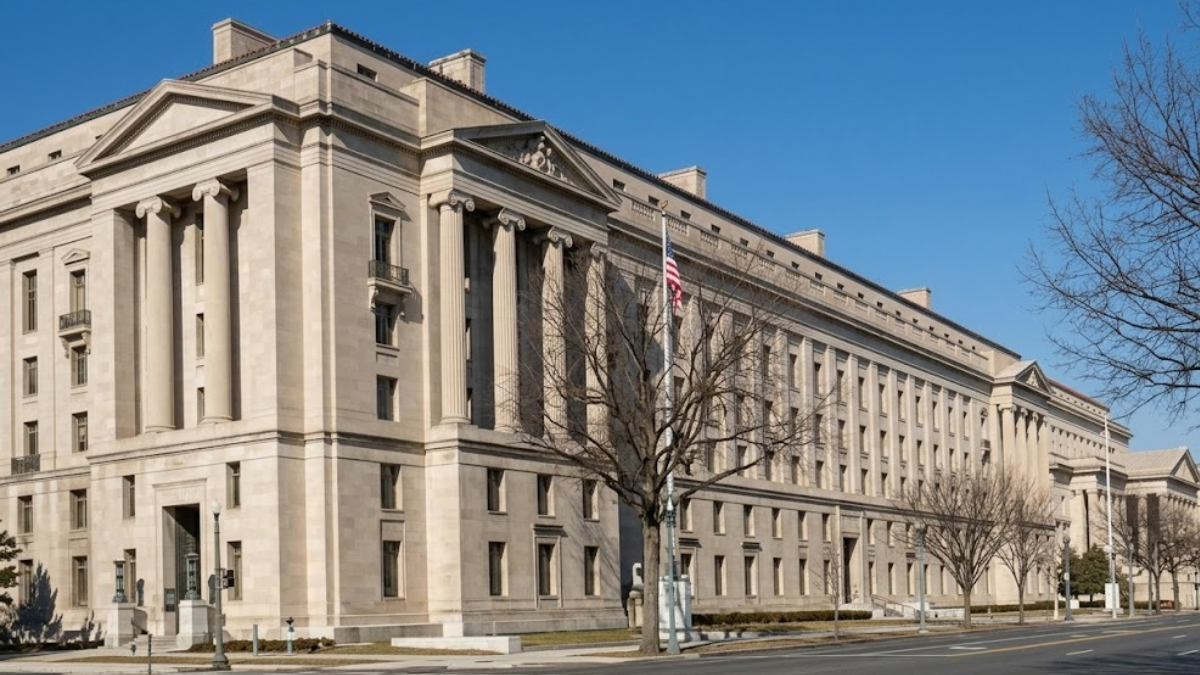
The investigation into this incident was spearheaded by the Homeland Security Task Force (HSTF), a multi-agency initiative established under Executive Order 14159, "Protecting the American People Against Invasion." The HSTF represents a "whole-of-government" approach, pooling the resources and expertise of several federal agencies, including the Federal Bureau of Investigation (FBI), Immigration and Customs Enforcement’s Homeland Security Investigations (ICE HSI), the Drug Enforcement Administration (DEA), the Bureau of Alcohol, Tobacco, Firearms and Explosives (ATF), the U.S. Border Patrol, and the U.S. Marshals Service (USMS).
The task force’s primary objective is the dismantling of criminal cartels and transnational organizations that fuel violence and instability. A specific focus of the HSTF is the prosecution of crimes involving children and the removal of violent criminal aliens from the United States.
The first arrest in the case occurred on May 12, when Mayra Alejandra Huerta was taken into custody in Del Rio. Initially charged with one count of harboring illegal aliens, she now faces more severe charges in the current indictment. A subsequent multi-day operation across central and south Texas led to the arrest of eight other defendants. As of the time of the indictment’s release, two defendants—Karina Garcia and Seferino Huerta-Casillas—remain at large and are the subject of an ongoing manhunt.
All 11 defendants have been charged with:
- Conspiracy to transport illegal aliens resulting in death.
- Aiding and abetting the transport of illegal aliens resulting in death.
Under federal law, these charges carry a maximum penalty of life in prison. The final sentencing will be determined by a federal district court judge, who will weigh the U.S. Sentencing Guidelines alongside other statutory factors, including the gravity of the offense and the presence of a minor among the deceased.
Analysis of Smuggling Trends and Infrastructure Risks
This case highlights a dangerous trend in human smuggling: the use of rail infrastructure as a secondary transport method. While much of the public focus on border security centers on the physical crossing of the Rio Grande or the border fence, the "interior" phase of smuggling—moving people from border towns like Del Rio to hubs like San Antonio—is where many fatalities occur.
Smugglers increasingly view cargo trains as a way to bypass highway checkpoints manned by the U.S. Border Patrol. By hiding migrants in grain cars, tankers, or Conex containers, smuggling rings hope to move large numbers of people undetected. However, as this case demonstrates, the risks are astronomical. Cargo trains are not climate-controlled and are subject to unpredictable delays in rail yards where temperatures can soar.
The use of Conex containers represents a particularly callous evolution in smuggling tactics. Unlike traditional "boxcars" which may have wooden floors or slight gaps for air, modern shipping containers are engineered for security and durability, making them nearly impossible to escape from the inside. The decision to stack the container also indicates a lack of regard for human life, as it further isolated the victims and increased their exposure to solar radiation.
Official Statements and Broader Implications
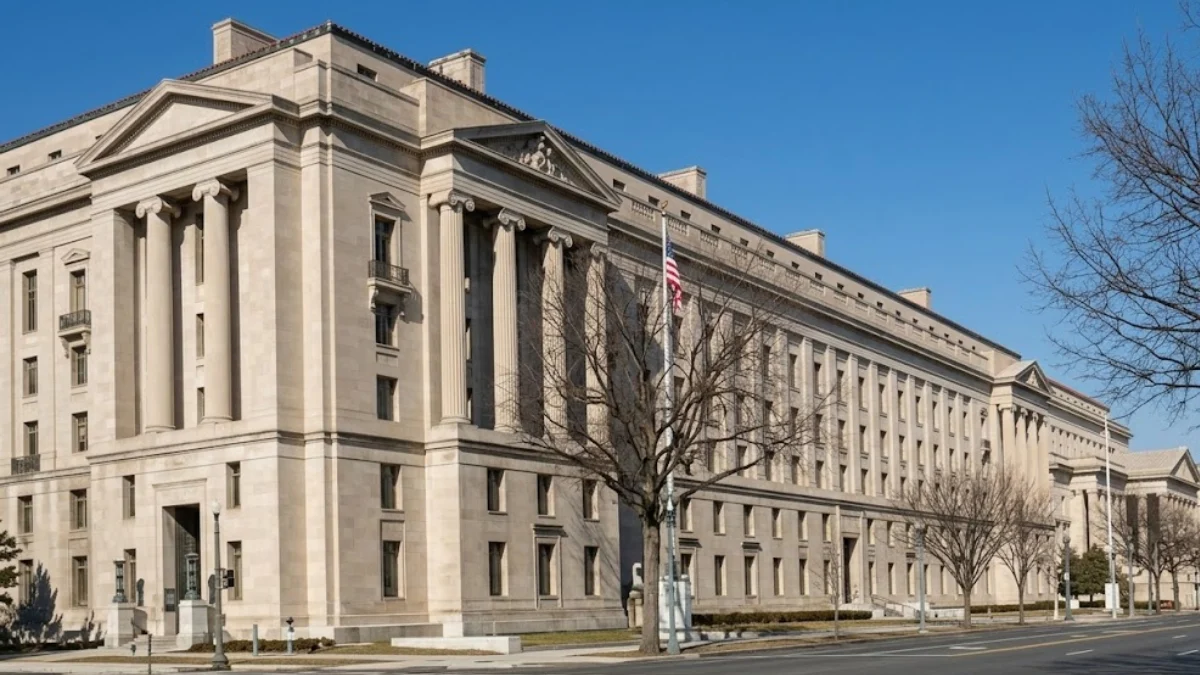
Acting Attorney General Todd Blanche and U.S. Attorney Jaime Esparza (represented in the announcement by U.S. Simmons for the Western District of Texas) emphasized that the Department of Justice will utilize every available tool to prosecute those who profit from human suffering. The prosecution is being handled by Assistant U.S. Attorneys Sarah Spears, Todd Keagle, and Ashley Ellis-Dotson.
The federal government’s focus on these "high-tier" smuggling organizations is part of a broader strategy to disrupt the financial incentives that drive illegal migration. By targeting the leadership and the facilitators who provide tools like bolt cutters and transport logistics, authorities hope to make the "business" of smuggling too risky to pursue.
This case also serves as a somber reminder of the humanitarian crisis inherent in transnational crime. The seven victims, including the 14-year-old child, represent the human cost of a system that treats people as "cargo." As the HSTF continues its work, the focus remains on identifying the remaining fugitives and ensuring that those responsible for the deaths in Del Rio and San Antonio face the full weight of the American legal system. The outcome of this trial is expected to set a significant precedent for how death-resulting smuggling cases are handled under the current executive mandates for border security and task force collaboration.