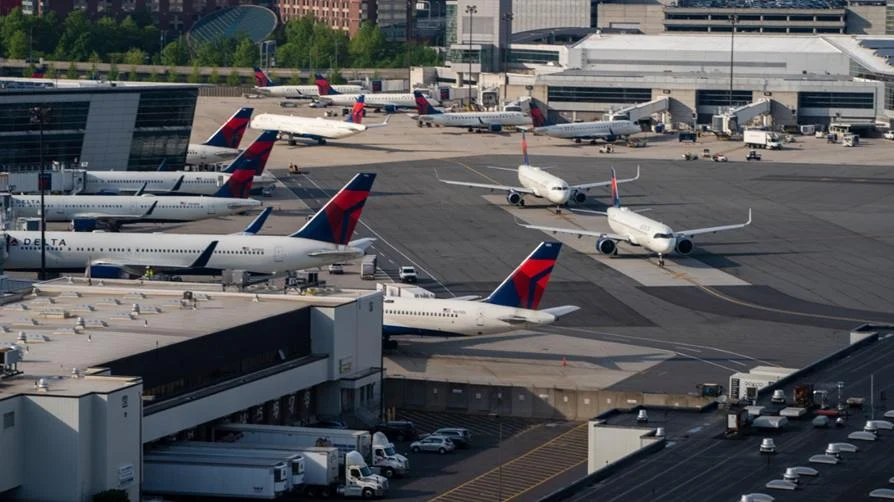
In a significant move toward decarbonizing the aviation sector, Delta Air Lines has finalized a comprehensive five-year agreement with Shell Aviation to bolster the supply of sustainable aviation fuel (SAF) and develop the necessary infrastructure to integrate these lower-carbon alternatives into daily operations. This partnership focuses on some of the United States’ most critical aviation hubs, signaling a shift from theoretical sustainability goals to the practical implementation of alternative energy sources in the commercial airline industry.
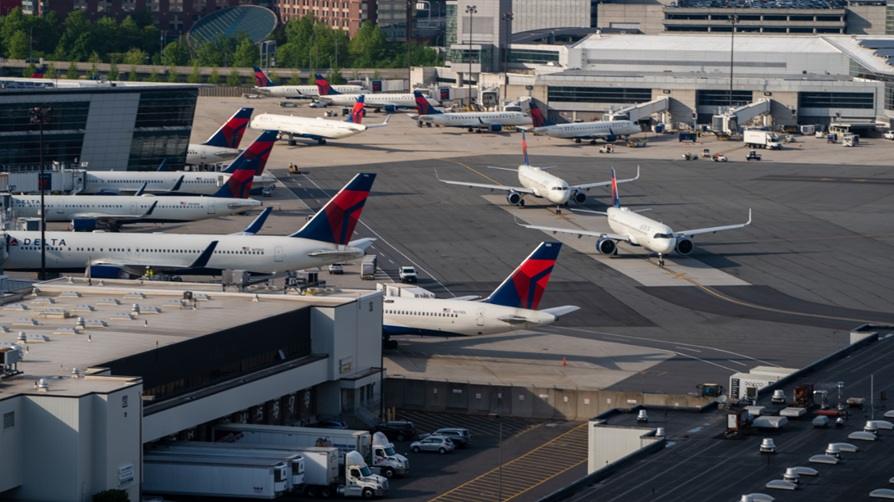
The collaboration will prioritize the expansion of SAF availability at several major international and domestic gateways, including Los Angeles International Airport (LAX), Portland International Airport (PDX), John F. Kennedy International Airport (JFK) in New York, Boston Logan International Airport (BOS), and Minneapolis-St. Paul International Airport (MSP). By targeting these specific locations, Delta and Shell aim to create a resilient supply chain that can support the high volume of traffic handled by these hubs while simultaneously reducing the carbon footprint of long-haul and domestic flights alike.
The Strategic Framework of the Delta-Shell Partnership
The five-year deal is built upon a foundation of long-term cooperation between Delta and Shell, which have historically collaborated on conventional jet fuel logistics. However, this new agreement represents a pivot toward future-proofing Delta’s fuel requirements. Unlike traditional fuel procurement, which relies on established pipelines and refineries, the scaling of SAF requires a multifaceted approach involving production, blending, and specialized distribution networks.
Under the terms of the agreement, Shell will provide both blended and "neat" (unblended) SAF to the designated airports. This distinction is vital; neat SAF is the pure biofuel produced from renewable feedstocks, while blended SAF is the final product mixed with conventional Jet A fuel to meet current engine certification standards. The partnership will also address the "last-mile" logistics of getting fuel into the wings of aircraft, focusing on the infrastructure required for blending and storage at airport fuel farms.
Amelia DeLuca, Delta’s Chief Sustainability Officer, emphasized that the current global energy landscape necessitates a diversified approach to fuel. She noted that supply diversity is no longer just an environmental preference but a business necessity. By activating real-world supply chains at scale, Delta and Shell are attempting to create a replicable model for the rest of the industry, moving the conversation surrounding SAF from pilot programs to standardized operational procedures.
Contextualizing SAF in the Aviation Industry
The aviation industry is widely regarded as one of the "hard-to-abate" sectors regarding greenhouse gas emissions. While the automotive industry has made strides with electrification, battery weight remains a prohibitive factor for long-haul commercial flight. Consequently, SAF is viewed as the most viable mid-to-long-term solution for reducing carbon emissions. SAF can reduce lifecycle carbon emissions by up to 80% compared to conventional jet fuel, depending on the feedstock and production method used.
Despite its potential, SAF currently accounts for less than 1% of total global jet fuel consumption. The primary hurdles to widespread adoption are high production costs—often two to five times the price of conventional fuel—and a lack of existing refinery infrastructure. Delta’s commitment to a five-year deal provides Shell and other producers with the "demand signal" necessary to justify capital investments in new production facilities.
Delta’s broader decarbonization roadmap, outlined in 2023, sets an ambitious target of achieving net-zero emissions by 2050. A critical milestone in this journey is the airline’s goal to replace 10% of its conventional jet fuel with SAF by 2030. However, the airline has been transparent about the challenges involved, acknowledging that the pace of technological advancement and production scaling has not yet met the industry’s initial projections. This deal with Shell is a tactical response to those challenges, securing a reliable stream of fuel amidst a competitive and undersupplied market.
Chronology of Delta’s Sustainability Commitment
The agreement with Shell is the latest in a series of strategic maneuvers by Delta to align its operations with global climate goals.

- 2020: Delta committed to becoming the first carbon-neutral airline on a global basis, initially relying heavily on carbon offsets.
- 2021-2022: The airline shifted its focus from offsets to direct decarbonization, emphasizing fleet renewal (replacing older aircraft with more fuel-efficient models) and SAF procurement.
- 2023: Delta released its comprehensive decarbonization roadmap, highlighting SAF as the primary lever for reaching its 2050 goals. The airline also joined the "First Movers Coalition," a global initiative to create early markets for innovative clean energy technologies.
- July 2026: The signing of the five-year Shell agreement marks a transition into the "infrastructure phase," where the focus moves from purchasing fuel to building the systems that deliver it.
Technical Innovations and Future Feedstocks
A unique aspect of the Delta-Shell collaboration is the commitment to evaluating and advancing next-generation SAF technologies. Currently, most SAF is produced using the Hydroprocessed Esters and Fatty Acids (HEFA) pathway, which utilizes waste oils and fats. However, the supply of these feedstocks is limited.
To reach the 10% goal by 2030 and net zero by 2050, the industry must look toward more scalable technologies:
- Alcohol-to-Jet (AtJ): This process converts ethanol (derived from corn, sugarcane, or cellulosic waste) into synthetic kerosene. Given the massive ethanol production capacity in the United States, particularly in the Midwest, AtJ is seen as a key pathway for scaling domestic SAF supply.
- Power-to-Liquid (PtL): Also known as "e-fuels," this technology uses renewable electricity to split water into hydrogen, which is then combined with captured carbon dioxide to create synthetic fuel. While currently expensive and energy-intensive, PtL offers an almost limitless feedstock potential and the lowest lifecycle emissions.
By partnering with Shell on these innovations, Delta is positioning itself at the forefront of the technological curve, ensuring it has access to the next generation of fuels as they reach commercial viability.
Economic and Geographic Implications
The selection of LAX, PDX, JFK, BOS, and MSP is not incidental. These airports represent major hubs where Delta has a significant operational footprint and where state-level policies often support green energy. For instance, California and Oregon (home to LAX and PDX) have Low Carbon Fuel Standards (LCFS) that provide financial incentives for the use of SAF, making these locations economically advantageous for early adoption.
Furthermore, the Minneapolis-St. Paul (MSP) hub is centrally located near major agricultural centers, making it a logical focal point for future Alcohol-to-Jet supply chains. The inclusion of East Coast hubs like JFK and BOS ensures that Delta’s trans-Atlantic routes—some of the most fuel-intensive in its network—can begin the transition to lower-carbon operations.

Reema Bari, Head of Aviation Americas at Shell, noted that the deal contributes to "energy security." In a volatile global energy market, developing domestic, renewable fuel sources reduces the airline’s vulnerability to geopolitical shocks that affect traditional oil supplies. This "supply resilience" is a recurring theme in the partnership, reflecting a broader corporate trend toward "de-risking" energy portfolios.
Industry Reactions and Broader Impact
Industry analysts suggest that Delta’s move could trigger a "domino effect" among other major carriers. As Delta secures large volumes of SAF and builds out infrastructure at major hubs, it creates a "green corridor" that other airlines may eventually utilize. The collaboration also highlights the necessity of public-private partnerships. While the Delta-Shell deal is a private agreement, its success will likely depend on continued government support through tax credits, such as those provided by the Inflation Reduction Act (IRA) in the U.S., which offers incentives for SAF production.
Environmental advocacy groups have generally welcomed the news but remain cautious. While SAF is a vast improvement over fossil fuels, critics point out that "net zero" will require more than just fuel changes; it will require radical improvements in air traffic management and the eventual introduction of hydrogen or electric propulsion for short-haul flights.
Conclusion: A Five-Year Horizon
The five-year agreement between Delta Air Lines and Shell Aviation serves as a blueprint for the "second phase" of the aviation energy transition. The first phase was characterized by pledges and small-scale demonstrations. This second phase is characterized by multi-year contracts, infrastructure investment, and the integration of SAF into the core of airline logistics.
As Delta works toward its 2030 target of 10% SAF usage, the success of this partnership will be measured not just in gallons delivered, but in the maturity of the supply chain it leaves behind. By focusing on infrastructure and next-generation technology pathways, Delta and Shell are attempting to solve the "chicken and egg" problem of the SAF market—creating both the supply and the means to deliver it simultaneously. For the passengers flying out of Los Angeles, New York, or Minneapolis, the result will be a gradual but certain shift toward a more sustainable way to see the world.