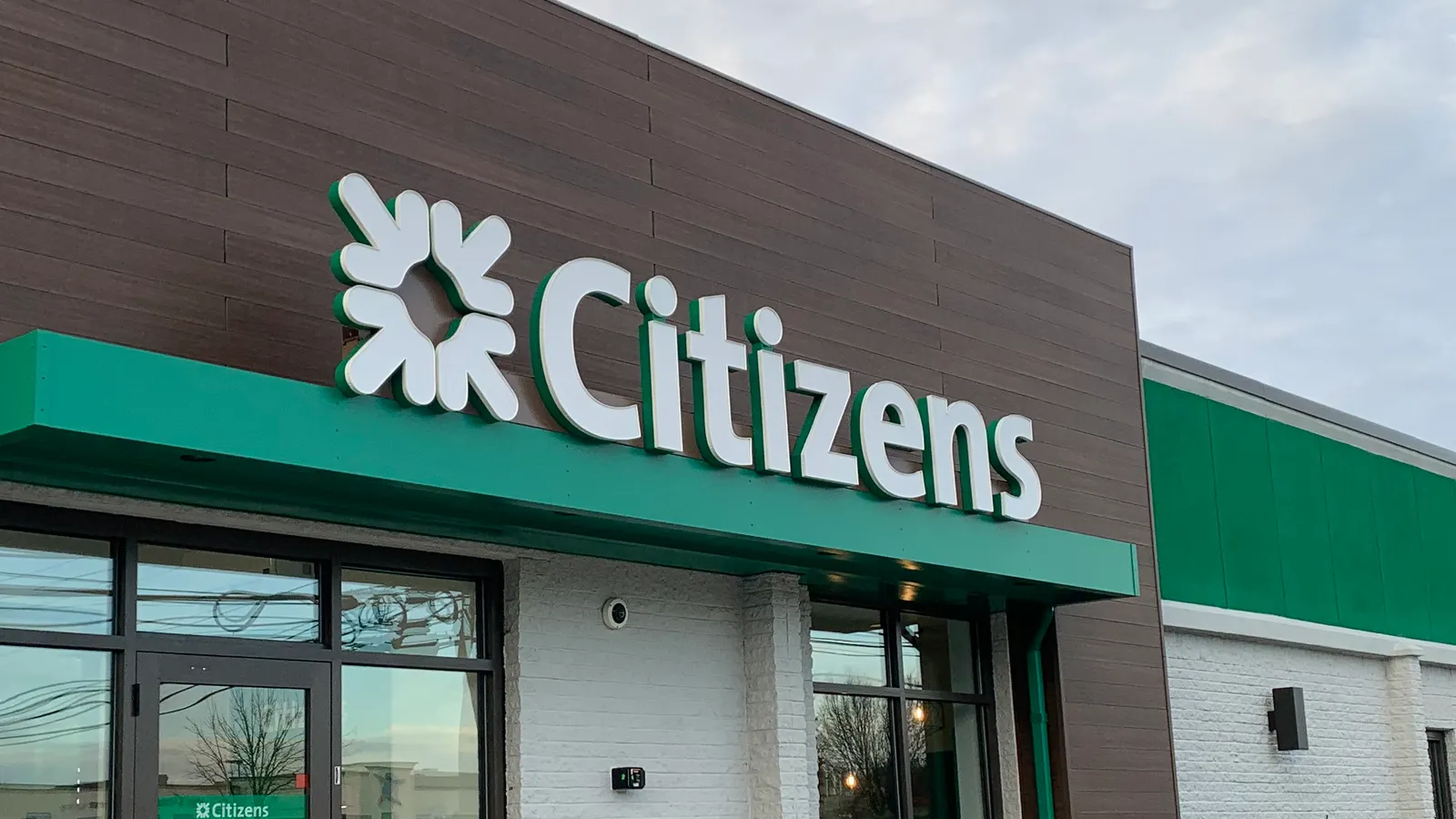
Citizens Bank announced a significant strategic shift this week, revealing plans to shutter between 100 and 120 of its supermarket-based branches. This move is part of a broader initiative to streamline its physical footprint and redirect resources towards launching 50 to 60 new, smaller, stand-alone branches. The newly designed locations will prioritize personalized advice, private banking, wealth management services, and dedicated support for small businesses. This strategic realignment was detailed in the bank’s second-quarter earnings presentation, released on Thursday, signaling a fundamental change in how Citizens aims to serve its customers and compete in the evolving financial landscape.
A Calculated Move Towards Enhanced Customer Engagement
The decision to downsize and reconfigure its branch network is rooted in a desire to optimize resource allocation and deepen customer relationships. Citizens CEO Bruce Van Saun elaborated on this strategy during a conference call on Thursday, stating, "This type of careful investment in physical locations and in people, if executed well, should create a nice lift in the deposit trajectory without taking on the risk and significant capital expenditure of opening a whole bunch of de novos outside of the footprint." This approach underscores a commitment to strengthening its presence within its existing operational footprint rather than aggressively expanding into new geographic territories.
This strategic direction has been a recurring theme among senior leadership at Citizens in recent months. Matt Boss, head of Citizens’ consumer bank, articulated this sentiment in May, telling Banking Dive, "The 14 states we operate in today offer more than enough opportunity when it comes to the consumer bank." This focus on maximizing opportunities within its current markets stands in contrast to the expansion strategies pursued by some other regional banks. For instance, Ohio-based institutions like Huntington and Fifth Third have recently broadened their reach by acquiring lenders headquartered in Texas, a move that signifies a different approach to market penetration.
Reimagining the Branch Experience: From Transactions to Relationships
The transformation of Citizens’ physical presence is marked by a significant reduction in the size of its new and renovated branches. Historically, these locations often occupied around 7,000 square feet. However, the bank’s updated model features branches spanning approximately 2,000 to 3,000 square feet. This smaller footprint is intentionally designed to de-emphasize transactional services and create more intimate spaces conducive to in-depth conversations between bankers and clients. The goal is to foster a more personalized and advisory-led banking experience.
Brendan Coughlin, President of Citizens, had previously alluded to this strategic pivot in March. Speaking with Banking Dive, he highlighted the bank’s "aggressive" approach to reinvesting in and transforming its existing locations, particularly in its legacy markets like New England. He noted that this would involve "a lot of surgery around some of our legacy markets." This "surgery" is aimed at reorienting the bank’s focus towards serving mass-affluent customers and above, with an emphasis on creating "more impressive" branches located in prime areas and staffed with the right expertise.
A Trend in the Banking Sector: Targeting the Mass Affluent
Citizens’ focus on the mass-affluent segment is not unique within the regional banking sector. Other institutions have also recognized the growth potential and evolving needs of this customer demographic. Truist and Regions, for example, have similarly undertaken initiatives to cater more effectively to mass-affluent clients. This strategic alignment suggests a broader industry trend of financial institutions seeking to capture a larger share of this valuable customer base through enhanced advisory services and tailored financial solutions.
The move away from in-store branches is also a pattern observed across the industry. Citizens is not the first to divest from these co-located spaces. Huntington, following its acquisition of TCF in 2021, closed nearly 100 branches situated within Meijer grocery stores in Michigan. Similarly, People’s United Bank closed 140 branches located inside Stop & Shop supermarkets shortly before its acquisition by M&T Bank. U.S. Bank and PNC have also made comparable adjustments to their branch networks, reducing their reliance on grocery store locations. These instances highlight a common recalibration of physical presence driven by changing consumer habits and the evolving economics of branch operations.
Financial Projections and Performance
Citizens projects that this comprehensive branch retooling will not impede its ambitious financial targets. The bank aims to achieve a return on tangible common equity (ROTCE) of 16% to 18% by the end of 2027. This forward-looking projection indicates confidence in the long-term viability and profitability of its revised strategy.
The bank’s recent financial performance, as detailed in its second-quarter earnings statement released concurrently with the branch strategy announcement, provides a snapshot of its current trajectory. Citizens reported a ROTCE of 13.9% for the second quarter, an improvement from 12.2% in the preceding quarter. Furthermore, the bank’s net profit saw a substantial increase of 35% year over year, reaching $587 million. Revenue also experienced robust growth, rising 12% year over year to $2.3 billion in the second quarter. These figures suggest that Citizens is currently on a strong financial footing, providing a solid foundation for its strategic investments and transformations.
Analysis of Implications: Efficiency, Customer Experience, and Competition
The strategic shift by Citizens Bank carries several significant implications for its operations, customer base, and the broader competitive landscape.
Enhanced Operational Efficiency: By consolidating its physical footprint and reducing the number of smaller, less efficient in-store branches, Citizens can achieve significant cost savings. The smaller, purpose-built stand-alone branches are likely to have lower overhead costs associated with rent, staffing, and maintenance. This efficiency gain can then be reinvested into more strategic areas, such as technology, talent acquisition, and enhanced customer service initiatives.
Deeper Customer Relationships: The pivot towards advisory services in the new branches is a direct response to the evolving needs of consumers. As digital banking handles routine transactions, customers increasingly seek personalized guidance for more complex financial decisions, such as wealth management, investment planning, and small business financing. By creating environments conducive to these conversations, Citizens aims to build stronger, more enduring relationships with its clients, fostering loyalty and increasing customer lifetime value.
Targeting High-Value Segments: The emphasis on mass-affluent customers and small businesses reflects a strategic decision to focus on segments with higher revenue potential and greater demand for sophisticated financial services. These customer groups often have more complex financial needs that require expert advice and tailored solutions, areas where Citizens is now positioning itself to excel.
Competitive Positioning: In a market where regional banks are increasingly vying for market share, Citizens’ strategy offers a distinct competitive advantage. While some competitors are expanding geographically through acquisitions, Citizens is deepening its engagement within its existing markets. This approach could lead to a more entrenched and loyal customer base within its operational areas, differentiating it from banks pursuing a more expansive, less relationship-focused growth model.
Potential Challenges: While the strategy appears sound, its success hinges on meticulous execution. The transition requires careful management of branch closures to minimize customer disruption and effective retraining of staff to meet the new advisory demands. Furthermore, the bank will need to ensure that its digital offerings remain robust and seamlessly integrated with its in-person services to cater to all customer preferences. The success of the new branch model will also be a benchmark against which its competitors will measure their own strategies.
Broader Industry Impact: Citizens’ move is likely to be closely watched by other regional banks. If successful, it could further validate the trend of optimizing physical footprints and prioritizing advisory services over transactional volume. This could lead to a more significant recalibration of branch networks across the industry, with a greater emphasis on quality of service and customer engagement over sheer quantity of locations. The bank’s ability to achieve its financial targets while undergoing this transformation will be a key indicator of the efficacy of this strategic direction.
In conclusion, Citizens Bank’s decision to close a significant number of its in-store branches and open new, smaller advisory-focused locations represents a bold and calculated step to adapt to the changing financial landscape. By prioritizing personalized advice, wealth management, and small business support, the bank aims to deepen customer relationships, enhance operational efficiency, and solidify its competitive position within its core markets, all while pursuing ambitious financial growth targets.