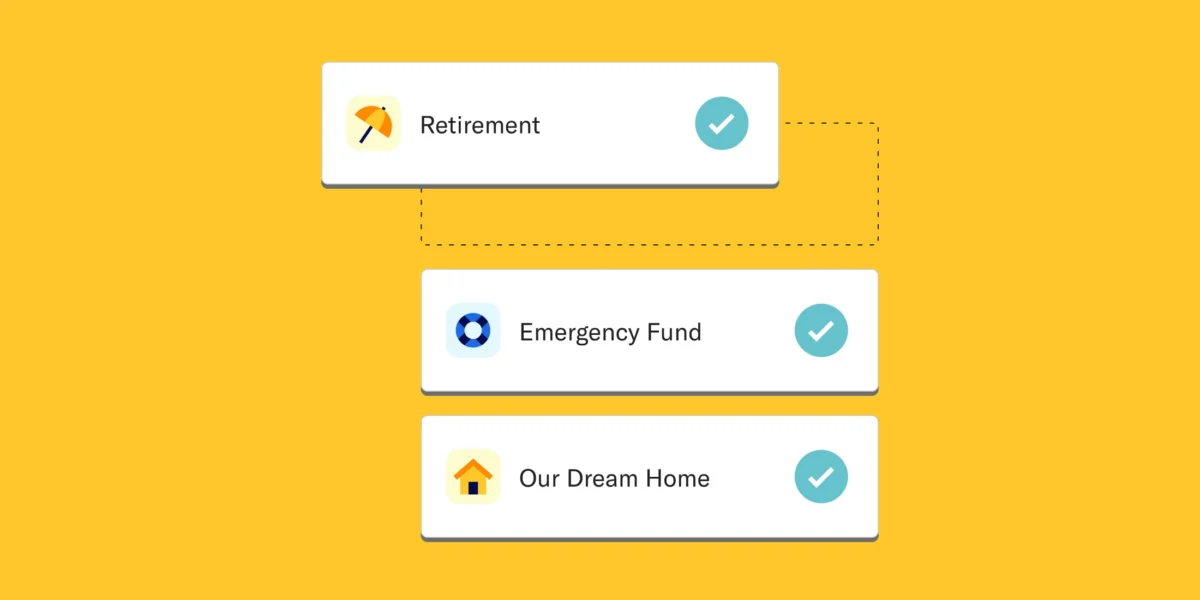
When individuals embark on their investment journeys with Betterment, a key feature is the ability to establish and meticulously track multiple investment goals. This flexibility allows users to define specific financial objectives, ranging from short-term aspirations to long-term retirement planning. Crucially, each goal is characterized by two primary inputs: an anticipated time horizon and a designated goal type. These parameters are instrumental in guiding Betterment’s proprietary allocation methodology, ensuring that investment strategies are precisely aligned with an individual’s financial timeline and intended withdrawal strategy.
While the core investment allocation advice focuses on traditional investment vehicles, Betterment also offers specialized offerings such as Cash Reserve for cash goals and a Crypto ETF portfolio for cryptocurrency aspirations. These distinct goal types operate outside the scope of the primary allocation advice methodology discussed herein.
The cornerstone of Betterment’s investment allocation advice, excluding Emergency Funds, rests on the interplay between the anticipated time horizon and the selected goal type. This combination informs the platform about when a user plans to access their funds and, critically, how they intend to withdraw them. For instance, a major purchase might necessitate a full, immediate liquidation of assets, whereas retirement typically involves a series of partial, periodic withdrawals over an extended period.
Emergency Funds, by their very nature, are an exception. They are defined by their unpredictability; an emergency can strike at any moment, and the financial burden it imposes is equally uncertain. Consequently, Emergency Funds do not have a predetermined time horizon. While Betterment may assign a provisional time horizon for the purpose of providing initial saving and deposit advice, this does not influence the recommended investment allocation. This is because the paramount concern for an emergency fund is its immediate availability and the preservation of capital, rather than aggressive growth. Betterment does, however, maintain a modest operational cash allocation within automated investing portfolios across taxable accounts, health savings accounts, and individual retirement accounts, a detail that can be further explored in the disclosures specific to each portfolio.
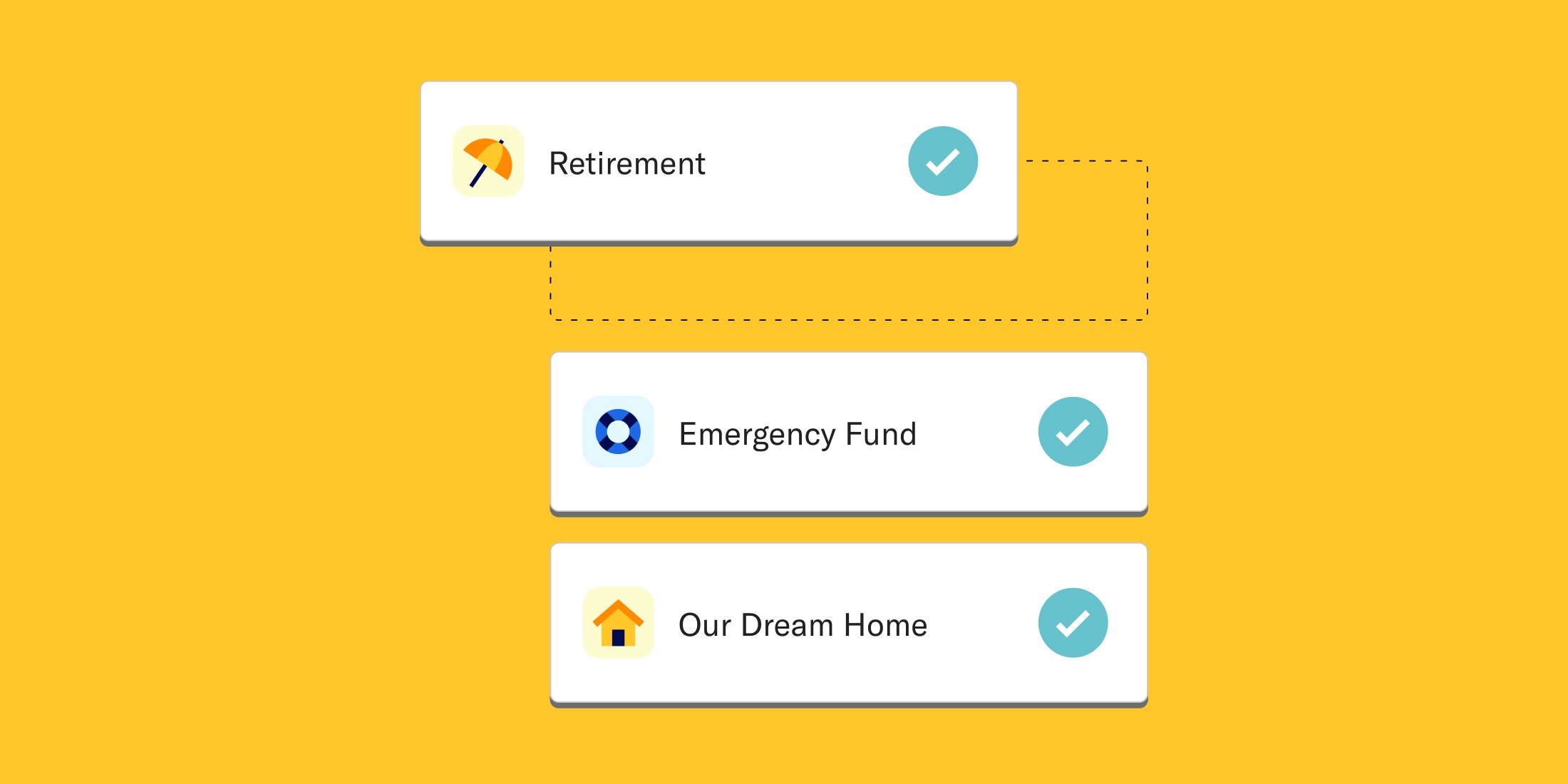
For all other investment goals, Betterment’s methodology is designed to proactively manage risk and optimize potential returns. The recommended investment allocation is derived through a sophisticated process that projects a wide spectrum of potential market outcomes. By averaging the performance of different risk levels across the 5th to 50th percentiles of these projected scenarios, Betterment aims to identify an allocation that balances growth potential with a reasonable degree of downside protection.
For Emergency Funds, the investment allocation strategy shifts to prioritize growth potential while simultaneously mitigating the risk of a significant drawdown that might dip below a recommended buffer above the essential emergency amount. This ensures that the fund is not only accessible but also retains its value, even in volatile market conditions, to meet unexpected needs.
Navigating the Investment Glidepath: Allocation Ranges by Goal Type
Betterment provides a clear framework for recommended investment allocations across various goal types, excluding Emergency Funds. These ranges are dynamic, adjusting based on the time horizon and the inherent characteristics of each goal.
| Goal Type | Most Aggressive Recommended Allocation | Most Conservative Recommended Allocation |
|---|---|---|
| Major Purchase | 90% stocks (33+ years) | 0% stocks (time horizon reached) |
| Education | 90% stocks (33+ years) | 0% stocks (time horizon reached) |
| Retirement | 90% stocks (20+ years until retirement age) | 56% stocks (retirement age reached) |
| Retirement Income | 56% stocks (24+ years remaining life expectancy) | 30% stocks (9 years or less remaining life expectancy) |
| General Investing | 90% stocks (20+ years) | 56% stocks (time horizon reached) |
This table illustrates a fundamental principle in investment management: the longer the time horizon for a goal, the more aggressive the recommended allocation tends to be. Conversely, as the time horizon shortens, the allocation becomes more conservative. This systematic adjustment over time is what Betterment terms a "glidepath." A glidepath is essentially the evolution of a recommended investment allocation for a specific goal as it approaches its target date or desired outcome.
Visualizing the Glidepath: Tailored Trajectories for Financial Goals
Betterment visualizes these glidepaths to provide users with a clear understanding of how their investment allocation is expected to evolve. These graphical representations offer a tangible depiction of the risk-management strategy in action.
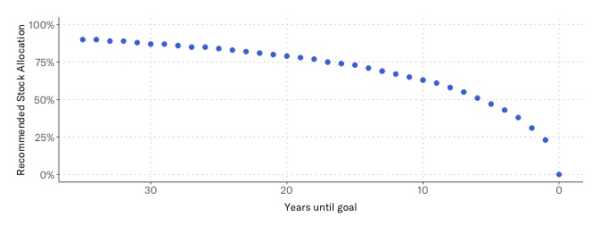
Major Purchase and Education Goals: For goals like a major purchase or funding education, the glidepath typically exhibits a steeper decline in stock allocation as the target date approaches. This is because these goals often require a lump sum withdrawal, making capital preservation paramount in the final stages. The aggressive allocation at the outset (up to 90% stocks for horizons exceeding 33 years) is designed to maximize growth potential during the early years, while the gradual shift towards conservatism ensures that market downturns in the immediate lead-up to the goal’s realization do not jeopardize the principal amount.
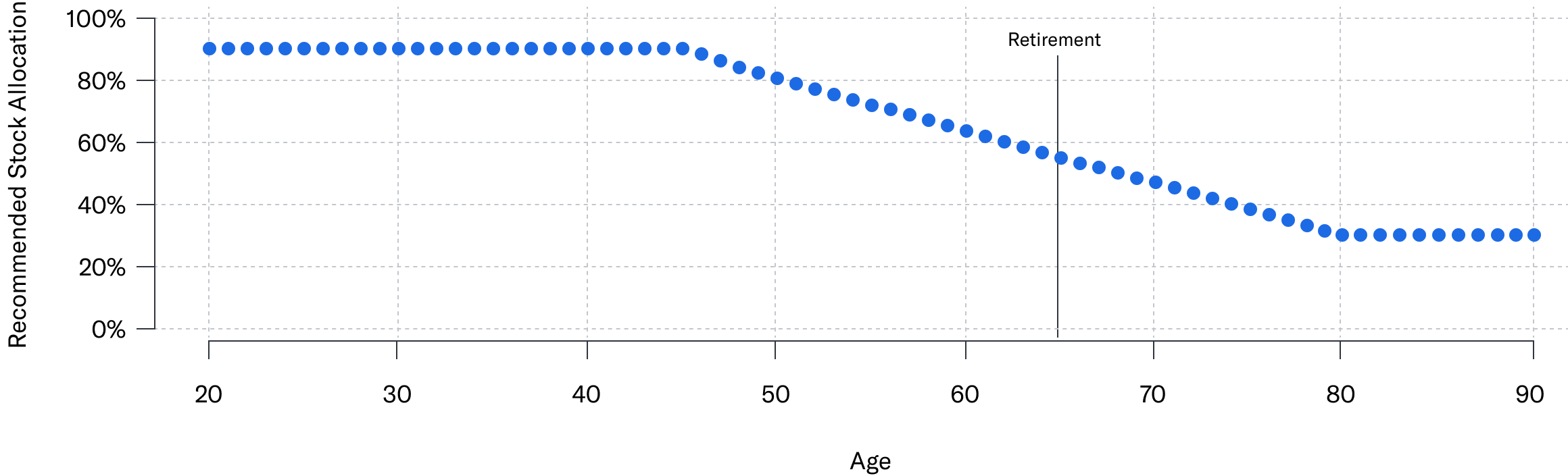
Retirement and Retirement Income Goals: The glidepaths for retirement are inherently more complex, reflecting the extended nature of retirement planning and the need for sustained income. For individuals approaching retirement, the allocation gradually becomes more conservative, but it typically does not reach zero stock allocation. This is because retirees often rely on their investment portfolios for income over many years, sometimes decades. Therefore, a portion of the portfolio is maintained in growth-oriented assets to continue providing potential for long-term appreciation and to outpace inflation.
A hypothetical example illustrates this: a client retiring at age 65, with an expectation of living until age 90, would see their allocation adjust over time. While the allocation might be aggressive in their working years (e.g., 90% stocks when 20+ years from retirement), it would become more conservative as retirement nears and continues to evolve throughout retirement to balance income needs with capital preservation and growth. It is crucial to note that such figures represent hypothetical scenarios and are not guarantees of actual client performance or future results. Market fluctuations and individual account activity can significantly impact outcomes.
General Investing Goals: General investing goals, often characterized by a longer, more flexible time horizon, follow a glidepath that reflects sustained growth potential. While they start with a potentially aggressive allocation, the conservative end of the spectrum at the time horizon reached is still substantial, acknowledging the possibility of continued investment beyond the initial target date or the need for flexibility.
The "Auto-Adjust" Feature: Proactive Risk Management
A key feature empowering users to adhere to these glidepaths is Betterment’s "auto-adjust" functionality. This feature is designed to automatically modify a goal’s investment allocation to manage risk as the end of the investing timeline draws nearer. The adjustments are incremental, creating a smooth and predictable glidepath.
The "auto-adjust" feature is available for investment goals with an associated time horizon, with the exception of Emergency Fund goals, the Target Income portfolio built with BlackRock, and the Goldman Sachs Tax-Smart Bonds portfolio. It is applicable to a range of Betterment’s core portfolio offerings, including the Betterment Core portfolio, SRI portfolios, Innovation Technology portfolio, Value Tilt portfolio, and Goldman Sachs Smart Beta portfolio.
When a user accepts Betterment’s recommended allocation, they have the option to enable this auto-adjust feature. It employs a combination of reactive and proactive rebalancing strategies to ensure that the goal’s allocation remains aligned with the recommended glidepath. This automated process removes the emotional burden of making investment decisions during market volatility and ensures consistent adherence to the pre-defined risk management strategy.
It is important to understand how different goal types interact with the glidepath. For instance, "Major Purchase" goals adopt a more conservative trajectory compared to retirement or general investing goals. This heightened conservatism for short-term goals, approaching zero risk as the target date nears, stems from the expectation of a full liquidation. In contrast, retirement goals, which anticipate periodic distributions over an extended period, may recommend maintaining a higher risk allocation even as the target retirement age is reached. This allows for continued growth and inflation hedging throughout the retirement years.
Adjusting for Individual Risk Tolerance: Beyond Risk Capacity
While Betterment’s glidepaths are meticulously crafted based on "risk capacity"—the extent to which a goal can withstand financial setbacks given its time horizon and liquidation strategy—the platform also acknowledges that individual risk tolerance can vary. Users are not beholden to the system’s recommendations and have the agency to adjust their investment allocations to align with their personal comfort levels with risk.
To facilitate this, Betterment employs an interactive slider tool. This intuitive interface allows clients to toggle between different investment allocations, specifically adjusting the proportion of stocks versus bonds, until they find a balance that aligns with their expected range of growth outcomes and their tolerance for potential market fluctuations. The slider is structured around five distinct categories of risk tolerance, providing a user-friendly way to personalize the investment strategy. This personalization ensures that while Betterment provides robust, data-driven recommendations, the ultimate control rests with the individual investor, empowering them to align their investments with their unique financial circumstances and psychological comfort with risk. This dual approach—systematic risk management guided by goal parameters and individual personalization based on risk tolerance—is central to Betterment’s philosophy of democratizing sophisticated investment strategies.