
The global financial landscape is currently undergoing a period of unprecedented digital transformation, which has simultaneously opened the door to sophisticated cyber threats and complex financial crimes. As a result, Know Your Customer (KYC) protocols have evolved from a routine administrative requirement into a critical pillar of organizational security and regulatory survival. For financial institutions, the challenge lies in balancing the need for rigorous identity verification with the demand for a seamless, frictionless user experience. Manual processing of identity documents is no longer viable in an era where digital onboarding is the expected norm, leading to the rapid adoption of specialized KYC compliance software. This guide examines the shifting regulatory environment, the critical factors for selecting a compliance partner, and a detailed analysis of the leading software solutions available in 2025.
The Regulatory Context and the Cost of Non-Compliance
The mandate for KYC processes is rooted in global efforts to combat money laundering, terrorist financing, and fraud. Organizations such as the Financial Action Task Force (FATF) set international standards that are subsequently codified into local laws, such as the Bank Secrecy Act (BSA) in the United States and the 6th Anti-Money Laundering Directive (AMLD6) in the European Union. These regulations require institutions to verify the identity of their clients, understand the nature of their activities, and assess the risks associated with their financial profiles.
The stakes for failing to implement robust KYC measures are exceptionally high. According to data from industry regulators, global fines for non-compliance with Anti-Money Laundering (AML) and KYC regulations exceeded $5 billion in recent years. Beyond the financial penalties, institutions face severe reputational damage and the potential loss of banking licenses. Furthermore, the rise of "synthetic identity fraud"—where criminals combine real and fake information to create new, fraudulent identities—has made traditional verification methods obsolete, necessitating the use of AI-driven software that can detect anomalies in real-time.
A Chronology of KYC Evolution
The transition of KYC from a manual process to an automated digital workflow has occurred in several distinct phases:
- The Manual Era (Pre-2000s): Identity verification relied on physical document presentation at bank branches and manual record-keeping.
- The Digital Transition (2000–2010): Basic database checks and the scanning of physical documents began to emerge, though processes remained fragmented.
- The Automation Surge (2010–2020): The rise of Fintech forced traditional banks to adopt digital onboarding. Optical Character Recognition (OCR) technology became standard for reading ID documents.
- The AI and Biometric Era (2021–Present): Modern KYC now incorporates facial recognition, liveness detection, and machine learning to analyze transaction patterns and identify "deepfake" identities.
Strategic Factors for Selecting KYC Software
Choosing the right compliance tool requires a multi-dimensional evaluation. Financial institutions must look beyond the price tag and consider how a platform integrates into their existing ecosystem. Key selection factors include:
- Global Reach and Jurisdictional Support: The software must support a wide range of international documents and comply with the specific data privacy laws of various regions, such as GDPR in Europe or CCPA in California.
- Integration Capabilities: A high-quality KYC tool should offer robust APIs and SDKs that allow for seamless integration with existing Customer Relationship Management (CRM) and core banking systems.
- Automation and Accuracy: The primary goal is to reduce "false positives"—legitimate customers flagged as high-risk—which can drain administrative resources and frustrate users.
- Scalability: As an institution grows, the software must be able to handle increasing volumes of verifications without a degradation in performance.
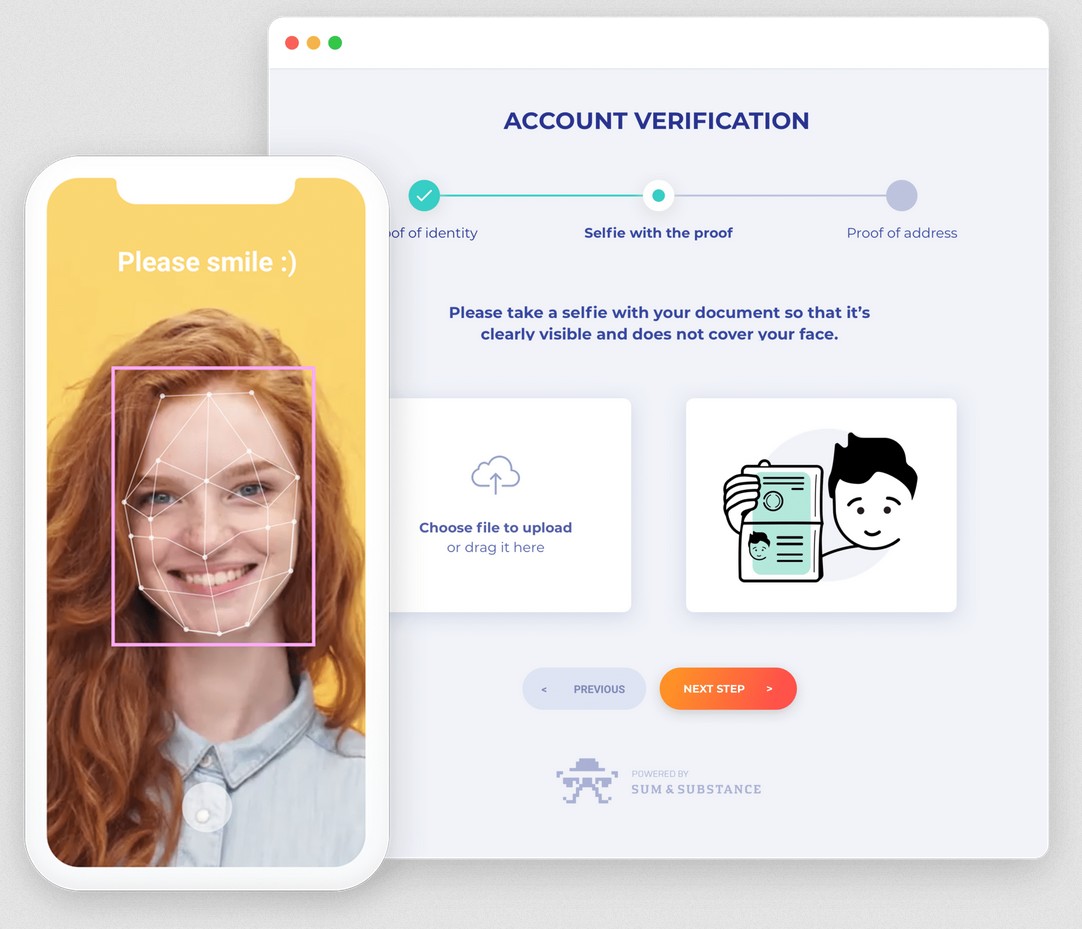
- User Experience (UX): The onboarding interface must be intuitive. High drop-off rates during the document upload phase are a common issue that modern KYC tools aim to solve through mobile-optimized, guided interfaces.
Leading KYC Compliance Software for 2025
The following nine platforms represent the current gold standard in identity verification and compliance management, categorized by their unique strengths and market positions.
1. NICE Actimize
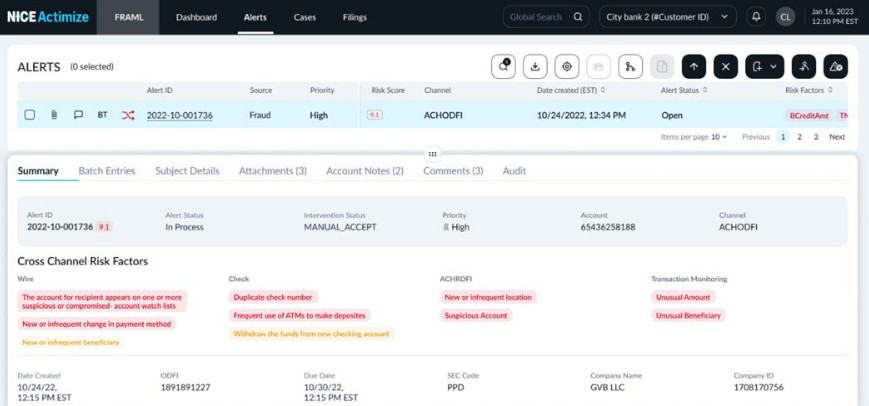
NICE Actimize is widely regarded as the enterprise leader in financial crime management. Its Xceed platform utilizes "FRAML" (Fraud and Anti-Money Laundering) technology, which merges fraud prevention and AML checks into a single AI-driven workflow. This holistic approach is particularly valuable for large-scale banks that require deep data analysis and real-time alert dashboards.
- Pros: Highly scalable; superior AI-driven insights; excellent for Tier-1 financial institutions.
- Cons: Higher price point and complex implementation process.
2. ComplyAdvantage
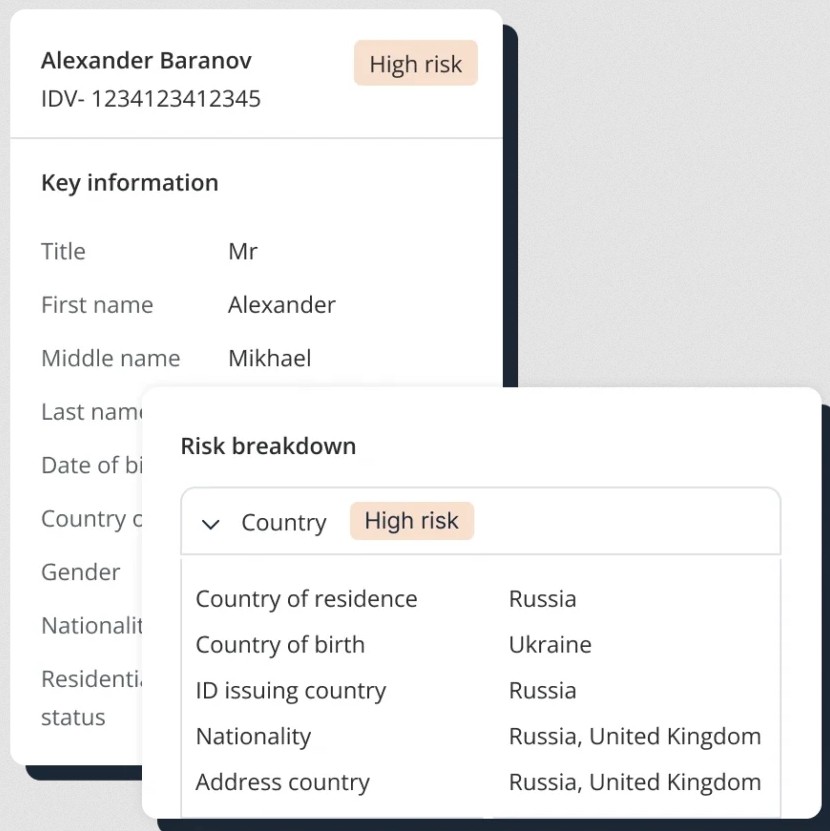
ComplyAdvantage offers a SaaS-based risk intelligence platform that stands out for its proprietary database of Sanctions, Watchlists, and Politically Exposed Persons (PEPs). It uses machine learning to scour millions of data points daily, providing real-time screening that is more dynamic than static traditional databases.
- Pros: Real-time data updates; user-friendly SaaS interface; competitive starter pricing at approximately $99/month.
- Cons: Some users report a learning curve for advanced configuration.
3. Trulioo
Trulioo is a global powerhouse in identity verification, claiming access to over 450 trusted data sources to verify 5 billion people and 330 million business entities worldwide. It is the preferred choice for organizations with a massive international footprint.
- Pros: Unmatched global coverage; modular architecture; robust KYB (Know Your Business) features.
- Cons: Pricing is generally custom and can be high for high-volume users.
4. Sumsub
Sumsub focuses on the "orchestration" of the entire user lifecycle. Its platform is highly configurable, allowing compliance officers to build custom verification flows for different user segments. Sumsub is particularly noted for its advanced liveness detection and anti-fraud technology.
- Pros: Highly customizable; transparent pricing per verification; includes "Easy Start" and "Basic" tiers for smaller firms.
- Cons: The sheer number of features can be overwhelming for simple use cases.
5. ComplyCube
ComplyCube is a fast-growing platform known for its speed and comprehensive feature set, including age verification and document authentication. It covers over 220 countries and utilizes more than 3,000 data points for each check.

- Pros: Rapid verification times; excellent API documentation; strong focus on mobile UX.
- Cons: The Basic plan starts at $249/month, which may be higher than some entry-level competitors.
6. Ondato
Ondato provides a complete compliance management suite that covers everything from photo and video identity verification to data monitoring. It is designed to support the client throughout their entire lifecycle, not just during initial onboarding.
- Pros: Supports video-based verification; provides a free trial; offers an "Ondato OS" for managing all compliance tasks in one place.
- Cons: Some advanced features are restricted to higher-tier enterprise plans.
7. Plaid
Originally famous for its open banking API, Plaid has expanded into identity verification. Its tool is designed to be "developer-first," making it incredibly easy to embed identity checks into financial apps. It analyzes hundreds of risk signals to ensure the person behind the screen is who they say they are.
- Pros: Seamless integration for existing Plaid users; high-quality anti-fraud engine; pay-as-you-go pricing available.
- Cons: Focus is primarily on digital-first apps; may lack some of the deep "heavy-duty" AML features of NICE Actimize.
8. Vespia
Vespia specializes in the intersection of KYC and KYB. It is an AI-powered solution that helps businesses verify other businesses, which is often a more complex process involving the identification of Ultimate Beneficial Owners (UBOs).
- Pros: Strong KYB capabilities; meets local jurisdictional requirements across Europe; starting package at approximately €99.
- Cons: Newer player in the market compared to giants like Trulioo.
Broader Impact and Industry Analysis
The shift toward automated KYC software is having a profound impact on the operational efficiency of financial institutions. Industry analysts suggest that automation can reduce the cost of onboarding by up to 70% while simultaneously decreasing the time to "revenue-readiness" for new customers. In a competitive market, a bank that can verify and onboard a customer in three minutes will always outperform a competitor that takes three days.
Furthermore, there is a growing trend toward "orchestration platforms"—tools that do not just perform a single check but manage a cascade of checks based on risk levels. For instance, a low-value transaction might only require a basic ID check, while a high-value transfer might trigger biometric liveness detection and a deep-dive into the user’s source of funds.
Experts from the financial sector suggest that the next frontier for KYC is decentralized identity. "We are moving toward a world where users own their verified credentials," notes one compliance consultant. "Instead of uploading a passport ten times to ten different banks, a user will share a ‘verified token.’ KYC software providers are already beginning to adapt to this blockchain-adjacent future."

Conclusion: Navigating the Choice
The selection of a KYC compliance software is a decision that impacts every facet of a financial institution, from legal safety to customer satisfaction. While NICE Actimize and Trulioo offer the robust infrastructure required by global enterprises, platforms like Sumsub and ComplyAdvantage provide the agility and cost-effectiveness needed by startups and mid-market firms.
As regulatory expectations continue to tighten and cyber-criminals become more sophisticated, the "wait and see" approach to KYC automation is no longer an option. Implementing a high-quality, AI-driven verification tool is the only way to ensure that an organization remains both compliant with the law and competitive in a digital-first economy. The right software does not just prevent crime; it builds the trust that is the fundamental currency of the financial world.