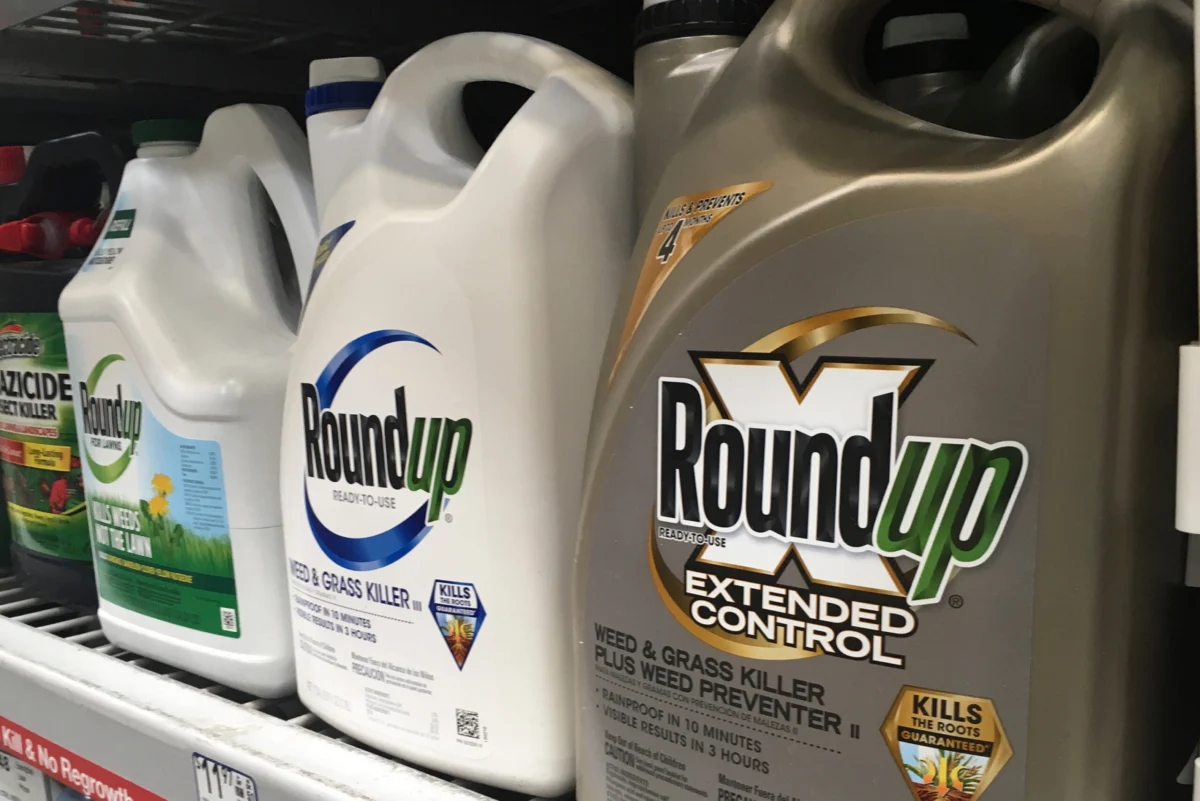
In a monumental development for one of the most contentious mass tort sagas in American legal history, a Missouri judge has granted final approval to a settlement agreement requiring agrochemical giant Bayer to pay up to $7.25 billion over the next two decades. The settlement aims to resolve thousands of claims from U.S. patients who allege that the company’s flagship weed killer, Roundup, is responsible for their development of non-Hodgkin lymphoma. The ruling, handed down by St. Louis Circuit Judge Timothy Boyer, concludes a period of intense legal maneuvering and provides a roadmap for addressing both current and future claims.
The scope of this nationwide settlement is extensive, encompassing individuals who have already been diagnosed with the illness as well as those who may receive a diagnosis in the coming years. Under the terms of the agreement, eligible participants are expected to receive average payouts ranging from $10,000 to $165,000. The specific amount awarded to each claimant is contingent upon a matrix of factors, including the intensity of their product exposure, their age at the time of diagnosis, and the clinical severity of their illness.
The Long Shadow of Roundup and the Monsanto Acquisition
The genesis of this litigation dates back to the introduction of Roundup in 1974 by the St. Louis-based Monsanto Company. Utilizing glyphosate as its active ingredient, the herbicide revolutionized global agriculture, allowing for more efficient weed control and the widespread adoption of no-till farming practices. For decades, it was hailed as a breakthrough in chemical agriculture. However, the narrative shifted drastically in 2015 when the World Health Organization’s International Agency for Research on Cancer (IARC) classified glyphosate as "probably carcinogenic to humans."
This classification served as a catalyst for a wave of litigation that intensified significantly following Bayer’s $63 billion acquisition of Monsanto in 2018. The merger effectively transferred the mounting legal liabilities of the American firm to the German multinational, plunging Bayer into a decade of stock volatility and reputational challenges. To date, approximately 200,000 claims have been filed against the company. While the U.S. Environmental Protection Agency (EPA) has consistently maintained that glyphosate is not likely to cause cancer when used in accordance with label instructions, the legal system has proven to be a more unpredictable arena for the chemical giant.
A Chronology of Legal Conflict
The trajectory of the Roundup litigation has been marked by extreme fluctuations in legal fortunes:
- 1974: Monsanto launches Roundup, which becomes the most widely used herbicide in the world.
- 2015: The IARC labels glyphosate a "probable carcinogen," sparking the first major wave of public concern and litigation.
- 2018: Bayer completes its acquisition of Monsanto, inheriting thousands of pending lawsuits.
- 2019-2020: A series of high-profile jury verdicts, including one for $2.1 billion, shock investors and place immense pressure on Bayer’s balance sheet.
- 2022: The U.S. Supreme Court rules that Bayer cannot be sued in state courts over failure-to-warn claims, citing federal labeling supremacy.
- 2023: A Missouri jury sides with Bayer in a design defect case, marking a potential shift in the legal tide in favor of the company.
- 2026: Judge Timothy Boyer provides final approval for the $7.25 billion settlement structure, aiming to close the chapter on the bulk of the remaining litigation.
The Supreme Court’s Influence on Settlement Dynamics
The landscape of these lawsuits changed fundamentally in June 2022, when the U.S. Supreme Court declined to hear an appeal regarding whether federal law preempts state-level failure-to-warn claims. The high court’s stance effectively signaled that because the EPA does not require a cancer warning on glyphosate products, states cannot mandate such warnings through their own legal systems. This ruling provided a significant defensive advantage to Bayer, creating a "legal ceiling" that limited the potential success of future lawsuits.
Legal analysts note that this Supreme Court precedent played a crucial role in the settlement negotiations. While some plaintiffs’ attorneys argued that the settlement amounts were insufficient, others viewed the deal as a necessary hedge against the risk of receiving nothing in light of the high court’s restrictive stance on state-level liability. Judge Boyer underscored this reality in his written judgment, noting that the settlement provided "fair and adequate" compensation and served as a safeguard against the possibility of Bayer seeking bankruptcy protection, which would have left thousands of plaintiffs with no path to recovery.
Differing Perspectives on Compensation and Fairness
The reception of the settlement among the legal community has been sharply divided. Christopher A. Seeger, serving as court-appointed counsel for the plaintiffs, described the approval as a "decisive milestone" that guarantees compensation for victims who have endured years of uncertainty. Proponents argue that the structured, 21-year payment plan ensures that funds remain available for claimants as they are diagnosed, providing a level of financial stability that prolonged, individual court battles could not guarantee.
Conversely, critics of the settlement, such as attorney Gerson Smoger, have raised significant ethical and procedural objections. During the September fairness hearing, Smoger characterized the agreement as restrictive, arguing that it precludes future claimants from seeking punitive damages while allowing the underlying product to remain on the market. Furthermore, some advocates for the victims argue that the age-based tiers for compensation—which prioritize younger, more severely ill patients—devalue the experiences of older individuals who have also suffered from the disease.
Bayer’s Strategic Pivot
For Bayer, the settlement represents a calculated effort to stabilize its market position. CEO Bill Anderson has consistently framed the mitigation of litigation risks as a top priority for the company’s long-term sustainability. Beyond the financial payouts, the settlement is part of a broader corporate strategy to pivot away from the reputational damage associated with glyphosate.
Bayer has already moved to mitigate future liability by removing glyphosate from all residential versions of Roundup sold in the United States. This decision serves to insulate the company from the most common category of residential users who were previously the source of many lawsuits. Despite these efforts, the company continues to deny the scientific validity of the claims that its products cause non-Hodgkin lymphoma, citing the EPA’s stance and its own internal safety assessments.
Broader Implications for Mass Tort Litigation
The resolution of this case serves as a landmark study in the evolution of mass torts in the 21st century. The sheer volume of claimants—reaching the hundreds of thousands—has pushed the boundaries of the American judicial system. The inclusion of $600 million in attorneys’ fees within the settlement highlights the massive costs associated with managing such complex, multi-decade litigation.
As an example of a "mega-settlement," the $7.25 billion figure ranks among the largest in history, drawing parallels to the tobacco and opioid industry settlements. However, unlike those cases, the science behind glyphosate remains a subject of intense global debate. The split between international health bodies like the IARC and regulatory agencies like the EPA suggests that the conflict over chemical safety in agriculture is far from over.
Looking ahead, the legal precedent established in the Missouri courts may serve as a template for other agrochemical and pharmaceutical companies facing similar challenges. The shift from "win-or-lose" jury trials to structured, long-term settlement funds reflects a growing trend in corporate risk management. Whether this settlement will successfully quell the tide of litigation or merely serve as a temporary pause remains to be seen, as the possibility of appeals from dissatisfied parties continues to loom over the agreement. For the thousands of cancer patients, however, the court’s decision brings a definitive, if debated, conclusion to years of legal waiting.