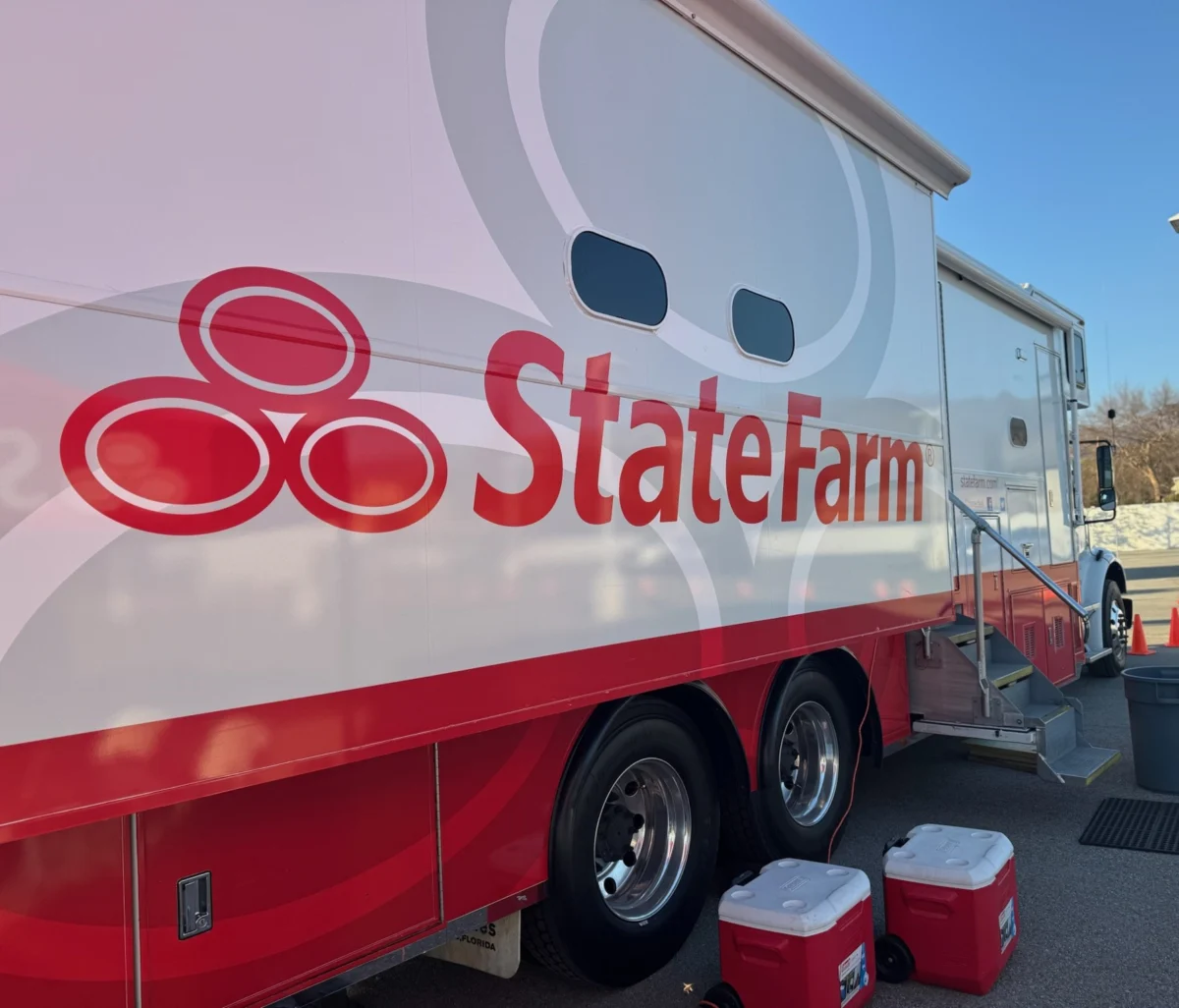
State Farm Fire and Casualty Co., the dominant force in the Oklahoma homeowners insurance market, has reached a $45 million settlement with state regulators to resolve allegations that the company systematically mishandled wind and hail damage claims. The agreement follows an extensive investigation by the Oklahoma Insurance Department, which determined that the insurer frequently closed claims without proper notification, failed to process clear evidence of damage, and utilized internal "playbooks" to suppress payouts—tactics that had previously been scrutinized in other states.
This settlement marks a significant moment for Oklahoma’s insurance landscape, impacting more than 258,000 policyholders. The company currently commands a market share exceeding 30% in the state, making its claims-handling practices a critical pillar of consumer financial stability.
The Anatomy of the Settlement
The $45 million resolution is structured to address both past grievances and future infrastructure needs. According to the terms, at least $35 million is earmarked specifically for the remediation of customer claims. Under the agreement, policyholders whose wind and hail claims were closed without payment between 2021 and 2025 are entitled to request an independent, third-party review of their files.
Beyond the direct payouts, the agreement mandates that State Farm contribute $10 million to the "Strengthen Oklahoma Homes" program. This initiative, established by the legislature via House Bill 3089 in 2024, provides grants of up to $10,000 to homeowners for the installation of fortified, disaster-resistant roofs. The final $2.86 million of the total settlement is designated for administrative fines and the costs associated with the state’s examination.
Investigative Findings and Methodology
The state’s investigation was prompted by mounting reports of systemic denials and a growing disparity between insurance premiums and actual claim payouts. Examiners utilized a multi-layered approach to verify the company’s conduct, which included:
- Engineering Audits: Unlike standard regulatory reviews, the Oklahoma Insurance Department deployed independent third-party engineers to conduct field inspections of roofs. These experts assessed whether original claims were denied despite clear evidence of qualifying damage.
- Document Analysis: Regulators reviewed internal company documents—some of which were unsealed during parallel litigation—that revealed a specific operational strategy designed to minimize claim costs.
- Discovery Discrepancies: The investigation report explicitly noted that State Farm failed to provide key documents during the regulatory audit that were later revealed through the discovery process in private civil lawsuits, raising concerns about the transparency of the company’s cooperation with state authorities.
Chronology of Conflict
The tension between Oklahoma regulators and State Farm has been escalating for several years.
- 2021–2025: The period defined by the investigation as having the highest volume of disputed claims. During this timeframe, State Farm reported $178.5 million in net underwriting losses in Oklahoma, a figure the company cites as evidence of the immense strain placed on its resources by frequent weather events.
- Early 2024: The Oklahoma Legislature passes House Bill 3089, codifying the "Strengthen Oklahoma Homes" program to bolster infrastructure against increasingly severe storm patterns.
- November 2024: Bob Sullivan is elected as the new Insurance Commissioner, securing 59% of the vote.
- January 2025: Outgoing Commissioner Glen Mulready finalizes the settlement agreement shortly before the transition of power.
- January 11, 2025: The date marking the official change in leadership at the Insurance Department, a period of heightened scrutiny regarding the implementation of the settlement’s third-party administration.
Official Responses and Political Friction
The transition between commissioners has added a layer of complexity to the rollout of the settlement. Outgoing Commissioner Glen Mulready defended the move as a victory for consumer advocacy. "We weren’t willing to simply take State Farm’s word for how these claims were handled," Mulready stated. "We took action that no other state has done in a traditional examination, putting independent engineers in the field to inspect roofs."
However, incoming Commissioner Bob Sullivan expressed reservations regarding the timing and the constraints the settlement imposes on his future administration. Specifically, the agreement includes a 12-month moratorium on any new market conduct examinations against State Farm.
"There’s a 12-month period where we’re not going to be opening market conduct examinations against State Farm as a result of this settlement agreement," Sullivan said in an interview. "I’m not in love with it." Sullivan also raised concerns about the logistics of the settlement, noting that finding an independent third-party administrator who is truly unaffiliated with State Farm remains a significant hurdle.
State Farm, for its part, maintains that it did not engage in wrongdoing. In a formal statement, the company noted that the settlement was a "negotiated resolution" rather than an admission of guilt. "A limited review of individual claims should not be mistaken for a complete picture of our overall claims-handling practices," the company argued, emphasizing that they have processed over 100,000 claims in the state over the five-year period in question.
Broader Implications for the Insurance Market
The settlement highlights a growing concern in the Midwest and Southern United States regarding the "hardening" of the property insurance market. As severe weather events become more frequent and costly, insurance companies have increasingly turned to sophisticated, data-driven "playbooks" to manage their risk. In Oklahoma, this led to a situation where the state was identified as an outlier in premium costs compared to its neighbors.
Legislators like Rep. Andy Fugate have voiced skepticism that the settlement is a sufficient deterrent. Fugate argued that the agreement essentially forces the company to fulfill contractual obligations it should have honored from the outset. "This settlement just forces State Farm to do what they should have been doing all along for their customers," Fugate noted.
Impact on Policyholders
For the average Oklahoma homeowner, the path forward requires active participation. The settlement does not automatically trigger a payout; rather, it requires customers who believe their claims were unfairly denied to "opt-in" to the review process.
The Insurance Department has advised that if a homeowner’s claim was closed without payment, they should not assume the case is closed permanently. The state is urging residents to monitor the department’s website for specific instructions on how to submit their claims for re-evaluation. If the volume of legitimate claims exceeds the $35 million initial pool, the settlement contains provisions for additional funding, though the logistics of this scale-up remain a point of interest for state officials.
As the state transitions to new leadership, the success of this settlement will be measured by two metrics: the speed and fairness with which the third-party administrator processes the backlog of claims, and whether the $10 million infusion into the "Strengthen Oklahoma Homes" program successfully reduces long-term insurance premiums by lowering the risk profile of the state’s housing stock.
With over 500 roofs already fortified under the program’s pilot phase—resulting in average savings of $700 per year for participants—the state remains hopeful that a combination of better regulation and physical infrastructure improvements will stabilize an insurance market that has been under intense public and political pressure for years. For now, the focus remains on the "opt-in" period, as thousands of Oklahomans wait to see if their previous encounters with the state’s largest insurer will be corrected.