The banking sector’s instability reached a new milestone this past Friday as Irvine, California-based Nano Banc was shuttered by state regulators, officially making 2026 the most volatile year for U.S. financial institutions so far this decade. The closure of the bank, which had been under significant regulatory scrutiny for years, brings the total number of bank failures in 2026 to six, surpassing the five failures recorded in 2023.
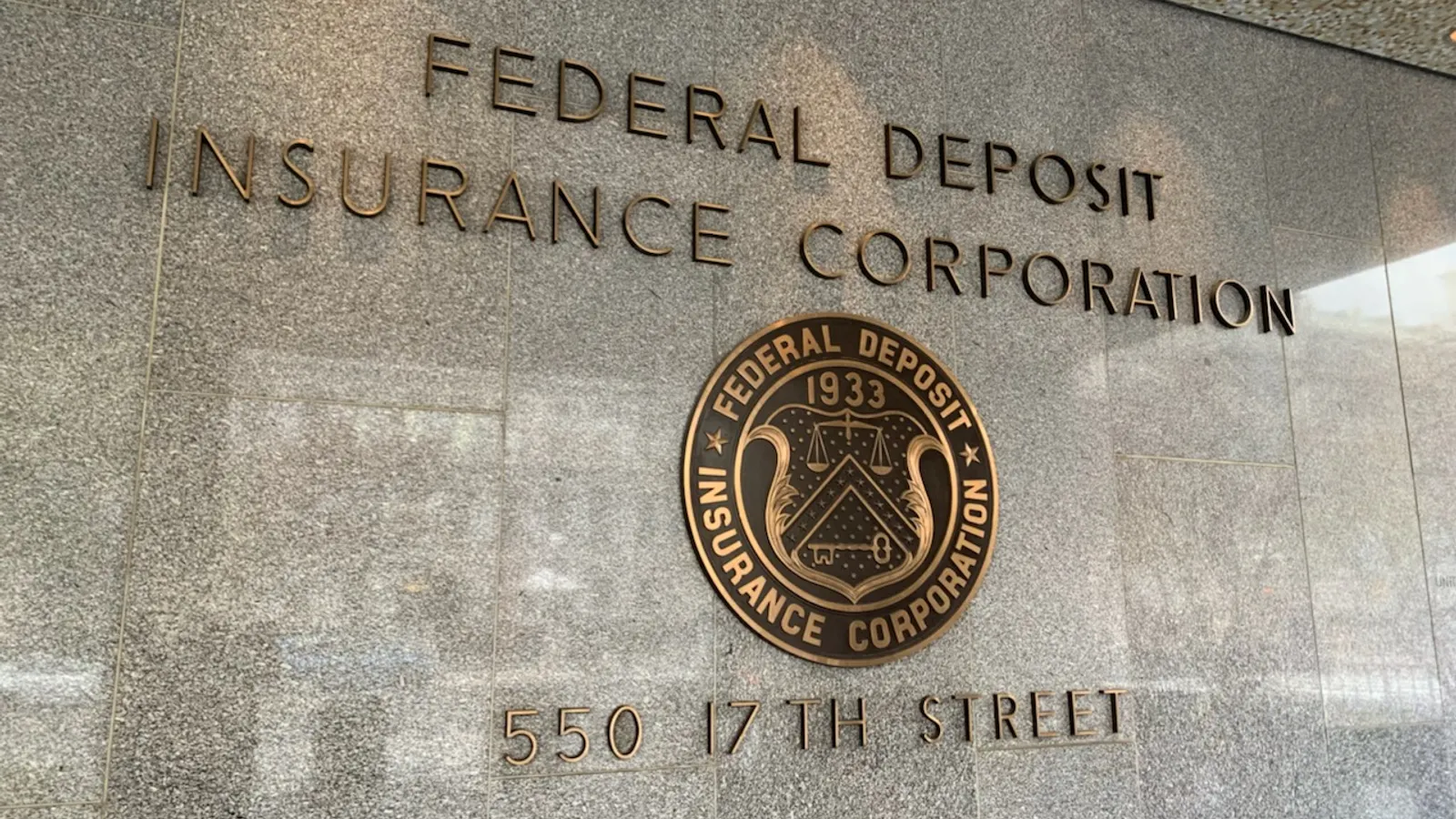
The California Department of Financial Protection and Innovation (DFPI) moved to close Nano Banc late Friday, citing a severe deterioration in the bank’s financial health and a long-standing pattern of executive mismanagement. Following the closure, the Federal Deposit Insurance Corporation (FDIC) was appointed as receiver, quickly orchestrating a purchase and assumption agreement with Sandy, Utah-based Sunwest Bank. Under the terms of the deal, Sunwest Bank will assume all deposits and a substantial portion of the failed institution’s assets. Nano Banc’s sole branch office is scheduled to reopen as a Sunwest Bank location on Monday, providing a measure of continuity for local depositors.
A Long-Standing Pattern of Regulatory Friction
The collapse of Nano Banc was not an overnight development but rather the culmination of years of warnings, enforcement actions, and failed attempts at remediation. As early as 2020, state and federal regulators identified significant structural weaknesses within the institution. The DFPI reported observing "significant risk management weaknesses and violations of law," which included unauthorized changes to the executive suite and board, as well as instances of executive self-dealing that raised alarms among oversight bodies.
In February 2021, the Federal Reserve and the DFPI launched coordinated enforcement actions. The Fed’s intervention was largely prompted by an excessive concentration of commercial real estate (CRE) loans, a sector that historically presents heightened risk during economic downturns. Simultaneously, the California regulator restricted the bank’s ability to appoint or replace members of its board or senior management without obtaining prior regulatory approval.
Despite these interventions, the bank’s governance issues persisted. By December 2021, the DFPI was forced to issue a cease-and-desist order after the bank unilaterally replaced key executives and directors, blatantly ignoring the advance-notice mandates set forth earlier that year. Throughout this period, the Federal Reserve demanded a comprehensive overhaul of the bank’s internal controls, specifically targeting the oversight of lending to bank insiders and the management of corporate expenses. While the Fed eventually terminated its enforcement action in April 2025, the underlying cultural and financial issues remained unresolved.
The Catalyst for Collapse
The final chapter for Nano Banc began in earnest earlier this year. Following a reported net loss of $75.3 million, the DFPI issued a stern directive in March 2026. The order mandated that the bank increase its tangible shareholders’ equity ratio to at least 9.5%. The regulator provided a clear ultimatum: meet the capitalization requirements or face voluntary liquidation, sale, or merger.
Nano Banc proved unable to execute any of these strategies. By the time the DFPI moved to close the institution, the bank’s shareholder equity had plummeted below the statutory minimum of 3%, a threshold that triggers an "unsafe and unsound" designation. This failure to recapitalize, combined with a history of regulatory defiance, left the state with no alternative but to seize the bank.
Criminal Misconduct and Executive Oversight
The rot within the organization extended beyond mere mismanagement. The institution was plagued by high-profile scandals involving its former leadership. In 2024, the Federal Reserve took the rare step of banning former interim CEO Anthony Gressak III and former board member James Chung from the banking industry. The bans were a direct consequence of their involvement in fraudulently obtaining funds through the Paycheck Protection Program (PPP) and other COVID-19 era emergency relief initiatives. These revelations of criminal behavior further eroded public and regulatory confidence in the bank’s viability, creating an environment where recovery became nearly impossible.
Financial Implications and Asset Disposition
The FDIC estimates that the failure of Nano Banc will result in a $114 million charge to the Deposit Insurance Fund (DIF). However, this figure remains preliminary and is subject to adjustment as the FDIC continues to liquidate remaining assets.
There has been a noted discrepancy in the valuation of the bank’s total assets. As of June, Nano Banc reported approximately $736 million in total assets to the FDIC. However, at the time of the closure on Friday, the DFPI placed the figure closer to $690 million. Under the acquisition agreement, Sunwest Bank has agreed to purchase approximately $476 million of these assets. Furthermore, the Utah-based acquirer will assume roughly $605 million in deposits and $227 million in loans.
For Sunwest Bank, this acquisition marks its sixth transaction involving the purchase of a failed bank’s assets from the FDIC. Sunwest CEO Carson Lappetito addressed the acquisition in a public statement, framing the move as a testament to the bank’s institutional resilience. "This opportunity reflects the financial strength, disciplined management, and stability that have defined Sunwest Bank for more than five decades," Lappetito stated. "We are excited to welcome Nano Banc’s customers to Sunwest and show them the high-touch service, advanced technology, and sophistication we offer to our clients."
A Broader Context of Banking Instability
The failure of Nano Banc is the sixth, and largest, bank collapse in the United States this year. The 2026 calendar year has seen a steady, if not dramatic, rise in failures across the country. Previous closures this year included institutions in Illinois, Georgia, Indiana, Kansas, and Pennsylvania.
To put this into perspective, the decade began with relatively low rates of failure. 2020 saw four bank closures, while 2021 and 2022 were remarkably stable, recording zero failures nationwide. The trend shifted in 2023 with five reported failures, followed by two in 2024 and two in 2025. The total of six failures in 2026 underscores a shifting economic landscape that is increasingly punishing smaller, less-capitalized community banks that lack the diversified revenue streams of larger regional or national institutions.
Implications for the Banking Sector
The collapse of Nano Banc serves as a case study in the dangers of long-term regulatory non-compliance and the limitations of administrative orders. Analysts suggest that the failure highlights a growing divide in the banking sector between well-capitalized, technologically advanced institutions and those that have failed to modernize their risk management practices.
For smaller banks, the lesson is clear: regulators are showing less patience for "unsafe and unsound" banking practices in an era defined by higher interest rates and increased scrutiny of commercial real estate portfolios. As the industry faces ongoing pressure, the role of the FDIC as a safety net becomes increasingly critical. The fact that the Deposit Insurance Fund is currently absorbing over $100 million from a single failure of this size illustrates the fiscal impact these events have on the broader financial system.
Furthermore, the involvement of Sunwest Bank as a recurring acquirer suggests a trend toward consolidation, where larger, more stable community banks absorb the footprints of failing institutions. This trend likely protects local access to banking services but also reflects a shrinking pool of independent community-level financial providers. As the sector moves toward the remainder of 2026, market participants and regulators alike will be watching closely to see if this pattern of regional failure continues or if the closure of Nano Banc represents the peak of the current wave of institutional instability.