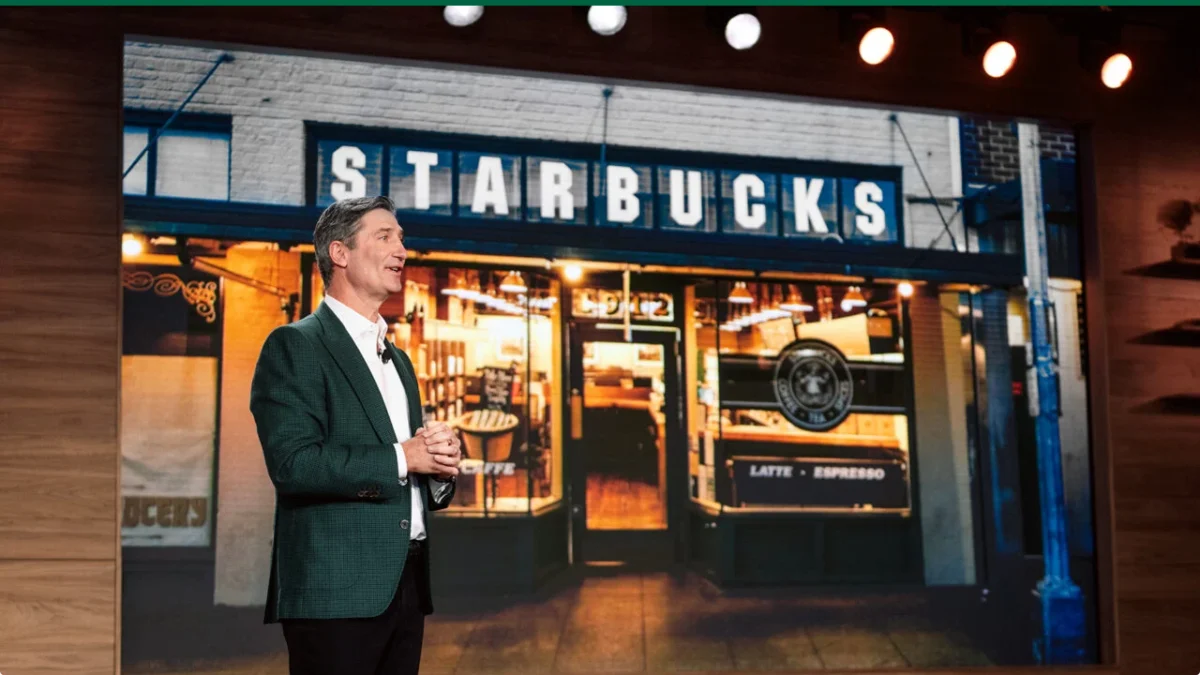
Starbucks has formally agreed to a settlement with the state of Florida to resolve a high-profile discrimination lawsuit, a development that marks a significant milestone in the ongoing national debate surrounding Diversity, Equity, and Inclusion (DEI) policies within the American corporate sector. The agreement, announced jointly on Thursday by Starbucks representatives and Florida’s Attorney General James Uthmeier, mandates that the coffee giant refrain from implementing race- or sex-based quotas or preferences in its hiring, promotion, and compensation practices. This settlement concludes a legal challenge initiated by the state in December 2023, which alleged that the company’s internal diversity benchmarks violated state anti-discrimination statutes.
As part of the terms, Starbucks will pay $1 million to the Florida Department of Legal Affairs to offset litigation costs and has committed to submitting annual compliance certifications for the next four years. While the company maintains that it did not engage in any wrongdoing, the settlement carries national implications, as the Attorney General’s office confirmed that the agreed-upon standards will apply to Starbucks’ operations across the United States.
The Origins of the Legal Conflict
The roots of the dispute trace back to late 2023, when the state of Florida filed a lawsuit against the Seattle-based coffee conglomerate. At the heart of the state’s complaint were the company’s internal corporate governance policies, specifically those that sought to incentivize executive performance through the lens of diversity metrics. Florida officials argued that by tying executive compensation to the achievement of specific racial and gender diversity targets, Starbucks was effectively creating a system of quotas that disadvantaged individuals based on protected characteristics, thereby violating the principles of merit-based employment and state law.
For years, Starbucks had been a prominent proponent of corporate DEI initiatives. Following the social justice movements of 2020, the company, like many other Fortune 500 entities, significantly expanded its diversity programming. These efforts included the formation of internal resource groups, targeted recruitment drives, and public commitments to increase the representation of Black, Indigenous, and People of Color (BIPOC) in leadership roles. However, as the political climate shifted, these initiatives faced increasing scrutiny from conservative legal activists and state officials who viewed them as discriminatory under the Equal Protection Clause and the Civil Rights Act of 1964.
Chronology of the Legal Proceedings
The legal trajectory of this dispute reflects a broader trend of state-level intervention into private corporate policies.
- December 2023: The Florida Attorney General’s office files a formal complaint against Starbucks, alleging that its DEI programs utilize illegal quotas.
- February 2024: A federal judge in Missouri dismisses a separate, similar lawsuit brought by the Missouri Attorney General, which also targeted Starbucks’ diversity hiring practices. The state of Missouri immediately signals its intent to appeal the ruling.
- March–May 2024: Discovery and pre-trial motions proceed, with Starbucks defending its policies as legal and beneficial to the company’s corporate culture.
- August 2024: Discussions regarding a potential settlement gain momentum as both parties seek to avoid a protracted and costly trial.
- October 2024: The formal settlement is reached, with Starbucks agreeing to the conditions set forth by the Florida Attorney General to ensure total compliance with state statutes.
The Settlement Terms and Regulatory Oversight
The settlement imposes strict operational constraints on Starbucks. Beyond the $1 million payment, the company has agreed to abandon participation in any external organizations or programs that mandate the enforcement of racial diversity quotas for its board of directors. This is a notable concession, as many major corporations utilize third-party consultants or external board-diversity initiatives to align their governance structures with modern ESG (Environmental, Social, and Governance) standards.
The requirement to submit annual compliance certifications to the Florida Attorney General’s office creates a unique regulatory mechanism. This essentially forces the company to maintain a level of transparency regarding its hiring and promotion metrics that is rarely required of private firms in the absence of a court-mandated decree. Attorney General James Uthmeier stated that the agreement ensures that Starbucks’ internal policies align with the letter and spirit of Florida’s anti-discrimination statutes, emphasizing that “DEI can never be an excuse to violate civil rights.”
Corporate Response and Strategic Pivot
In response to the settlement, Starbucks released a carefully worded statement emphasizing its commitment to its employees—referred to by the company as "partners." The company stated, "We remain focused on offering great jobs and career opportunities to our partners who wear the green apron." By emphasizing its commitment to the workforce without specifically defending the contested DEI metrics, Starbucks is signaling a shift toward a more neutral corporate stance.
Industry analysts suggest that this pivot is part of a larger trend of "DEI retrenchment" among major U.S. corporations. Faced with the risk of litigation, consumer boycotts, and shifting political winds, many companies are quietly rebranding their diversity programs. The goal is to move away from quantitative "goals" or "targets"—which can be interpreted by courts as quotas—and toward broader, more qualitative "opportunity" and "inclusion" initiatives that are less vulnerable to legal challenges.
Broader Implications for the Private Sector
The Starbucks settlement is likely to be viewed as a blueprint for future legal challenges against corporate DEI policies. The success of the Florida Attorney General in extracting these concessions, even without a definitive court ruling on the merits of the case, demonstrates the power of state-level legal pressure to force corporate policy changes.
For human resources departments and legal counsel at other major firms, the outcome underscores the necessity of reviewing internal hiring and promotion incentives. Policies that explicitly link executive bonuses or department budgets to the racial or gender makeup of a team are now being treated as significant legal liabilities. The trend suggests a move toward "colorblind" meritocracy as the standard for avoiding state-level litigation.
Furthermore, the involvement of high-ranking Republican officials, including those aligned with the incoming administration’s agenda to dismantle DEI programs, indicates that this is not merely a localized legal issue but a national policy priority. The pressure on boards of directors to justify their ESG commitments will likely intensify in the coming months, as institutional investors and conservative advocacy groups continue to demand a focus on traditional financial metrics over social engineering.
Analysis of the Shifting Legal Landscape
The legal landscape surrounding corporate diversity is increasingly volatile. The dismissal of the Missouri case and the settlement in Florida represent two different legal pathways: one where the court rejects the premise of the challenge, and one where the company opts for a negotiated settlement to avoid the risks of litigation.
From a corporate perspective, the cost of fighting these lawsuits is high, not only in terms of legal fees but also in terms of brand reputation and shareholder stability. By settling, Starbucks avoids the potential for a negative court ruling that could set a binding precedent across the entire federal court system. However, the settlement also sets a precedent for how other states may interact with large corporations headquartered or operating within their jurisdictions.
The language used by the Florida Attorney General—that DEI cannot be an excuse to violate civil rights—resonates with a growing movement that seeks to redefine discrimination. Historically, DEI programs were designed to address systemic barriers; now, critics are successfully framing these same programs as a form of "reverse discrimination." As this debate moves forward, the primary challenge for the private sector will be to foster inclusive workplaces that provide equitable opportunities while navigating a legal environment that is increasingly hostile to metrics-based diversity efforts.
In conclusion, the settlement between Starbucks and the state of Florida is a watershed moment. It signals that the era of aggressive, quota-driven diversity metrics in the private sector is facing a severe check. As Starbucks pivots to comply with the terms of this agreement, the rest of the corporate world will be watching closely, likely leading to a widespread recalibration of how companies define, measure, and report on their diversity and inclusion efforts in the years to come. The long-term impact on the American workplace will depend on whether companies can find new, legally defensible ways to promote inclusion without resorting to the metrics that have now become the primary targets of state-level litigation.